













Toronto airport to Toronto city is about 27 km from Pearson to downtown, a 25 to 45 minute drive via Highway 427 and the Gardiner, or 25 minutes on the UP Express to Union Station. A pre-booked car is a planning figure of $130–160, all-in plus HST. Use the ride to sort a phone plan, then check in and take a short daylight walk.
Toronto airport to Toronto city: the hour that follows landing
Most guides stop at the arrivals door. This one starts there. You have cleared customs, collected your bags and you are leaving Toronto Pearson for the city; what happens in the next hour? For the transport choice itself, fares, routes and pickup points, read our Pearson to downtown Toronto route page and the sibling post airport to Toronto: a first arrival. Here we cover the practical, human side: what you see on the drive, what to do with the minutes in the car, how check-in works, and how to spend your first free hour in a new city without wasting it.
Minutes 0–5: the curb
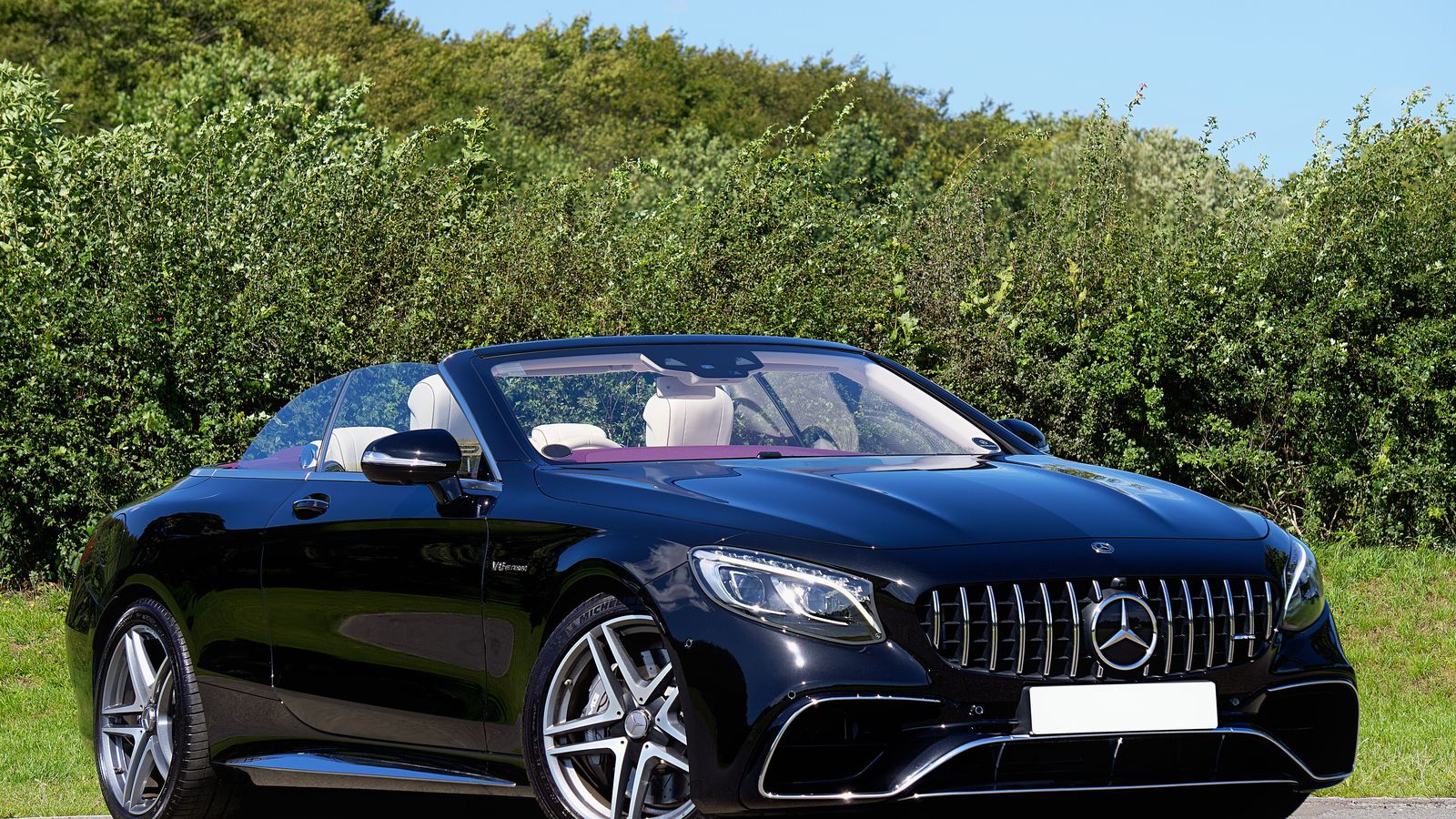
If you booked a car, the chauffeur meets you at the terminal's commercial pickup area (or inside the arrivals hall with meet & greet), loads the bags and confirms the address. This is the moment to check three things: that the destination address is right, particularly if your hotel has two entrances or a sister property with a similar name; whether you want a stop on the way (a pharmacy or a grocery); and the temperature in the car. Hand over anything fragile rather than letting it be stacked. Then sit back; the rest of the hour is yours.
Minutes 5–15: the airport roads and Highway 427
Pearson sits in a maze of highways: the 401, the 427 and the 409 all meet near the airport. The chauffeur usually heads south on the 427, past warehouses and hotels, the least scenic ten minutes of the trip. Use them. Connect to the car's charger and, if you have not already, set up a phone plan: an eSIM from a Canadian carrier or a roaming package from home. Message your hotel with an arrival time if you are landing late. First-time visitors often ask the chauffeur about local apps; the TTC trip planner and a weather app are the two most useful.
Minutes 15–30: the Gardiner and the first view of the skyline
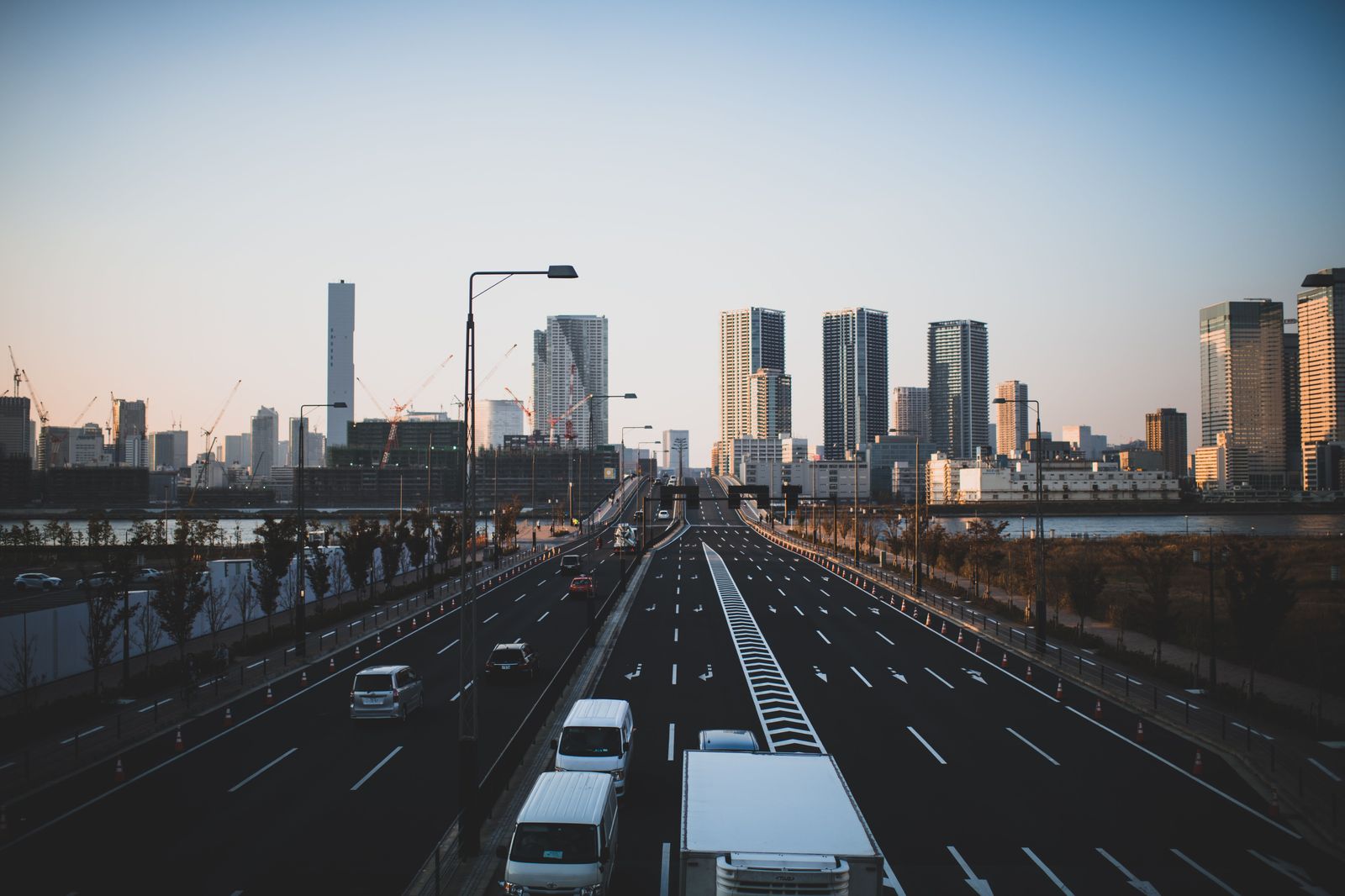
Where the 427 meets the Gardiner Expressway, the road swings east along Lake Ontario, and the city appears: the CN Tower ahead, the towers of the financial district around it, the lake on your right. On a clear evening, this is the photo from the car. The chauffeur may take Lake Shore Boulevard instead if the Gardiner is slow; it runs parallel along the water. If your hotel is in midtown or North York, the route is the 401 instead, less scenic but more direct. Either way, the chauffeur knows the exits; you do not need to navigate.
How long does the first drive really take?
| When you leave Pearson | To a downtown hotel | To Yorkville / midtown | To North York |
|---|---|---|---|
| Weekday 6–9:30 a.m. | 40–60 min | 45–65 min | 35–55 min |
| Weekday midday | 25–35 min | 30–40 min | 25–35 min |
| Weekday 3:30–7 p.m. | 45–60 min | 50–70 min | 45–65 min |
| Evenings and weekends | 25–35 min | 30–40 min | 25–30 min |
| After 11 p.m. | 22–30 min | 25–35 min | 20–25 min |
Events at the Rogers Centre or Scotiabank Arena and winter storms add time; the chauffeur checks Ontario 511 before leaving the airport.
Minutes 30–45: arriving at the hotel
Downtown hotels have tight driveways, and some share their forecourt with condo towers or offices. The chauffeur pulls in where the hotel allows or stops at the closest legal point, and unloads everything onto the curb or a luggage cart. Check-in times are usually mid-afternoon; if you land in the morning, ask the front desk to hold your bags and take the first walk before your room is ready. Hotels will usually store bags for the day. Our fare includes gratuity already, so there is nothing to settle at the car; hotel porters are tipped separately, typically a few dollars a bag. Our tipping guide covers the customs.
If you took the UP Express instead
The UP Express runs from Terminal 1 to Union Station in about 25 minutes, and it is a good choice for a solo traveller with light bags. The first hour looks different: the train to Union, then a walk through Union's concourse to the street, then a short walk or taxi to the hotel. Union Station is large, with several levels and exits; follow signs to the street you need, and allow 10 minutes to get out. Our sibling post on UP Express vs a car compares the two honestly. The UP Express site has timetables and fares.
Money, cards and the transit fare
Canada is largely cashless: cards and phone payments work almost everywhere, including the TTC, where you can tap a credit card or a phone at the fare gates and on streetcars. A PRESTO card is useful if you will ride GO trains or stay for weeks. Keep a little Canadian cash for small tips. Prices in shops are shown before Ontario's 13 % HST, which is added at the till; restaurants add tax to the bill and expect a tip on top. Our fares show HST separately too, so you know the full cost before you ride.
Minutes 45–60: your first walk
With bags at the hotel, go outside. Daylight helps with jet lag, and a short walk is the best way to get your bearings. From most downtown hotels, three easy first walks:
- The waterfront. South to Queens Quay and the harbour, with the Island ferries and the lake; about 15 minutes from Union.
- Front Street to St. Lawrence Market. East along Front Street to the market building, with food stalls for a first meal (closed Sundays and Mondays).
- Yonge-Dundas and the Eaton Centre. North on Yonge for the busy heart of the city, shopping and food courts, and the subway if it is raining.
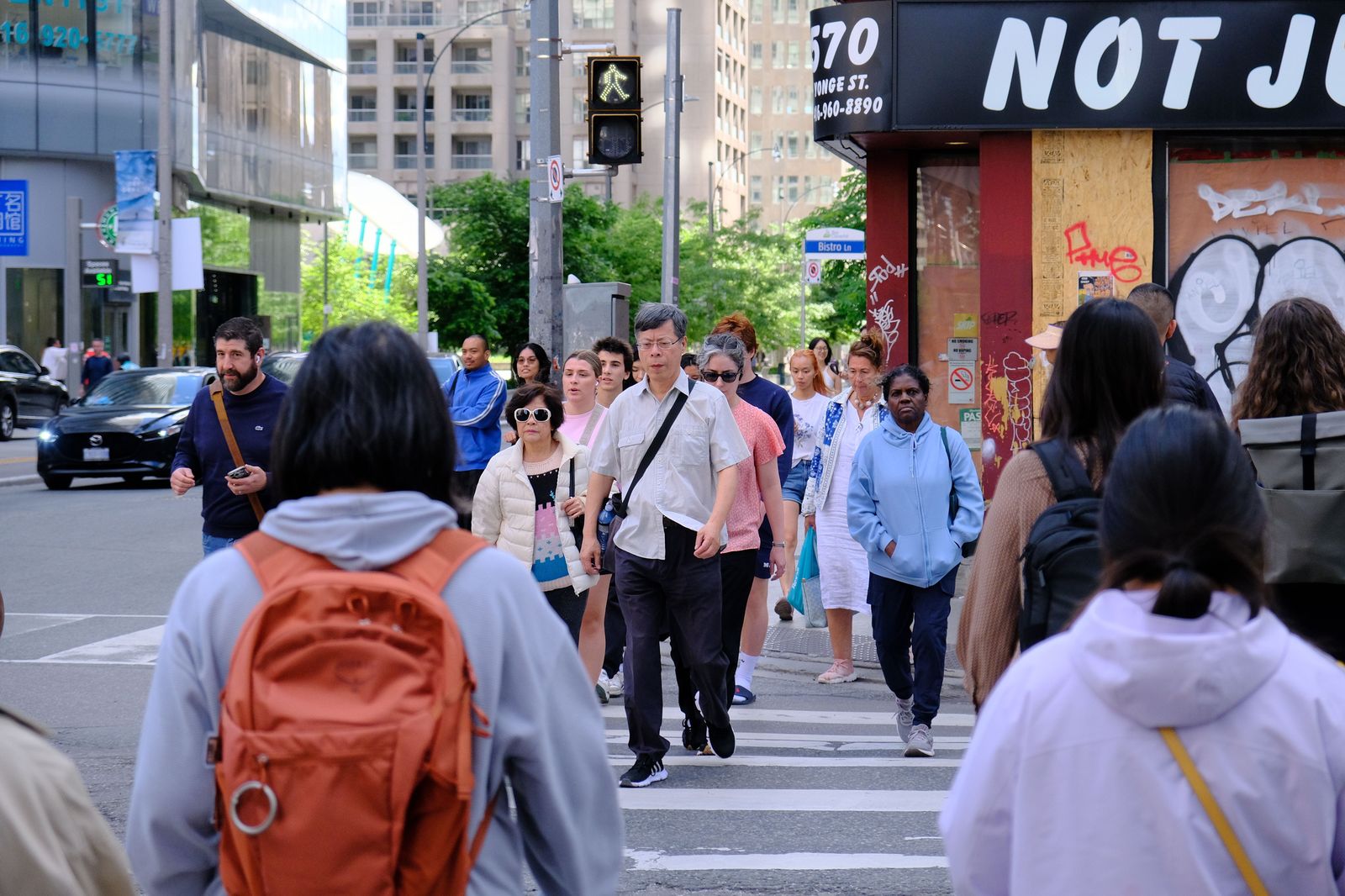
If you are not staying downtown
Many first-time visitors stay with family in Mississauga, Brampton, Markham or Vaughan, or at hotels near the airport. The first hour is shorter on the road and longer at the kitchen table. A car from Pearson to Mississauga is a planning figure of $90–120 and to Markham $145–180, all-in plus HST. If you want to see the city the next day, you do not need to rent a car: GO trains run into Union Station from most suburbs, and a day with a private driver covers the spread-out sights efficiently.
Weather in your first hour
Toronto has four real seasons. Summer days can pass 30 °C with humidity; winter days sit well below freezing from December to February, with wind off the lake downtown. Spring and autumn are changeable. Keep a layer in your hand luggage for the walk from the terminal door to the car, and check Environment Canada before your first walk. If you land in a snowstorm, the drive will be slower; the chauffeur drives on winter tires and will take Lake Shore rather than the Gardiner if the expressway is slick.
Safety and getting help
Toronto is generally a safe city for visitors, and downtown streets are busy into the evening. Use normal big-city sense: keep your phone in hand only when you need it at busy crossings, and use licensed taxis, rideshare apps or pre-booked cars rather than offers from strangers. Emergency services are 911. For anything to do with your booking, dispatch runs around the clock. The first-time visitor guide covers neighbourhoods and practical tips, and Destination Toronto lists events that might be on during your stay.
Arriving with children: the first hour for families
The first hour with children is mostly about sleep and food. Car seats, added at booking and installed before pickup, mean a tired toddler can nap on the drive in. Ask the chauffeur for a quick stop at a grocery or pharmacy on the way if you need milk, nappies or snacks; it takes five minutes and is much easier than going out again after check-in. At the hotel, let one adult handle check-in while the other takes the children for a short walk outside. Most downtown hotels are within a few minutes of a park or the waterfront, and fresh air helps children reset after a long flight.
Arriving for business: the first hour for work travellers
Business travellers use the drive in differently. The first 15 minutes on the 427 are good for catching up on messages; the chauffeur keeps the cabin quiet and, if you need to take a call, will turn the radio off without being asked. If your first meeting is the same day, give the office address as a second stop and leave your bags in the car while you meet, then continue to the hotel; an hourly booking handles that neatly. Receipts come by email with HST shown separately, which is what most expense systems need.
Late-night arrivals: the first hour after midnight
If you land late, the first hour is simpler and quieter. The highways are empty and the drive to downtown can take barely 25 minutes. Most hotels keep a 24-hour front desk, but smaller boutique hotels and short-term rentals may not; check before you fly and arrange a key code or late check-in. Restaurants near most downtown hotels close by midnight on weeknights, so ask the chauffeur to stop at a 24-hour convenience store if you need food or water. Save the first walk for the morning.
Three things not to do in your first hour
- Do not rent a car at the airport if you are staying downtown; parking is expensive and you will barely use it.
- Do not plan a heavy first dinner the moment you arrive after a long-haul flight; eat light and sleep.
- Do not buy a transit pass before you know how much you will ride; tapping a card works from the first trip.
Booking the ride that starts it all
Book on the reservation page with your flight number and hotel address. The fare is fixed and shown before you pay, with 60 minutes of waiting included after international landings and 30 after Canadian and US ones. Cancelling more than 72 hours out costs nothing; closer in, the charge is 10 %, 50 % or the full fare at the 72-, 48- and 24-hour marks.