













Corporate event transportation in Toronto is priced per vehicle: executive sedans run $130–150 an hour, executive SUVs $160–190 and Sprinters $225–270 (3-hour minimum), with airport legs from Pearson to downtown at $130–160 all-in plus HST. A coordinator builds the guest manifest, staggers arrivals at the venue door and prices multi-vehicle galas in writing.
Corporate event transportation in Toronto: what you are actually buying
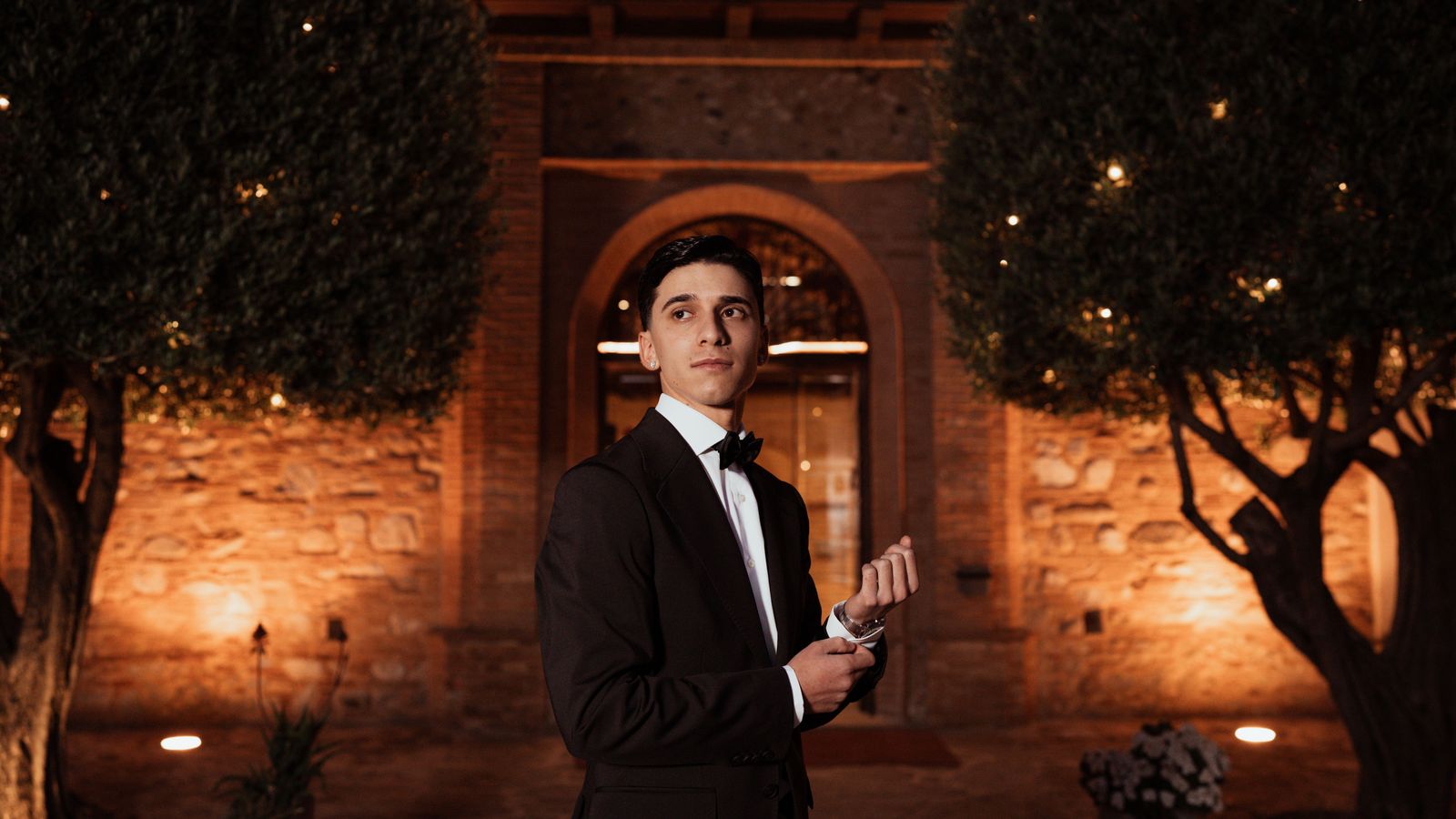
A gala or an awards dinner is judged in the first ten minutes and the last ten. Guests remember whether a car was at the curb when the speeches ended, not the route it took. Corporate event transportation from TorontoAirportTransfer.services is built around those two moments: an arrival window where cars reach the venue door in a controlled sequence, and a departure where every guest on the manifest has a named vehicle waiting.
Between those moments the work is logistics. A coordinator takes your guest list, matches people to vehicles, confirms flight numbers for anyone landing that day, and gives your event manager a single number to call. You book single cars through the reservation engine at a fixed fare; anything beyond four or five vehicles is priced in writing by a coordinator so every line is visible before you commit.
Planning fares for galas and corporate evenings
These are planning figures, not quotes. The reservation engine quotes the exact address, date and vehicle, and a coordinator confirms multi-vehicle packages in writing.
| Vehicle | Seats / bags | Hourly (planning) | Typical gala use |
|---|---|---|---|
| Business sedan | 3 / 3 | $130–150/h, 3 h min | Board members, speakers |
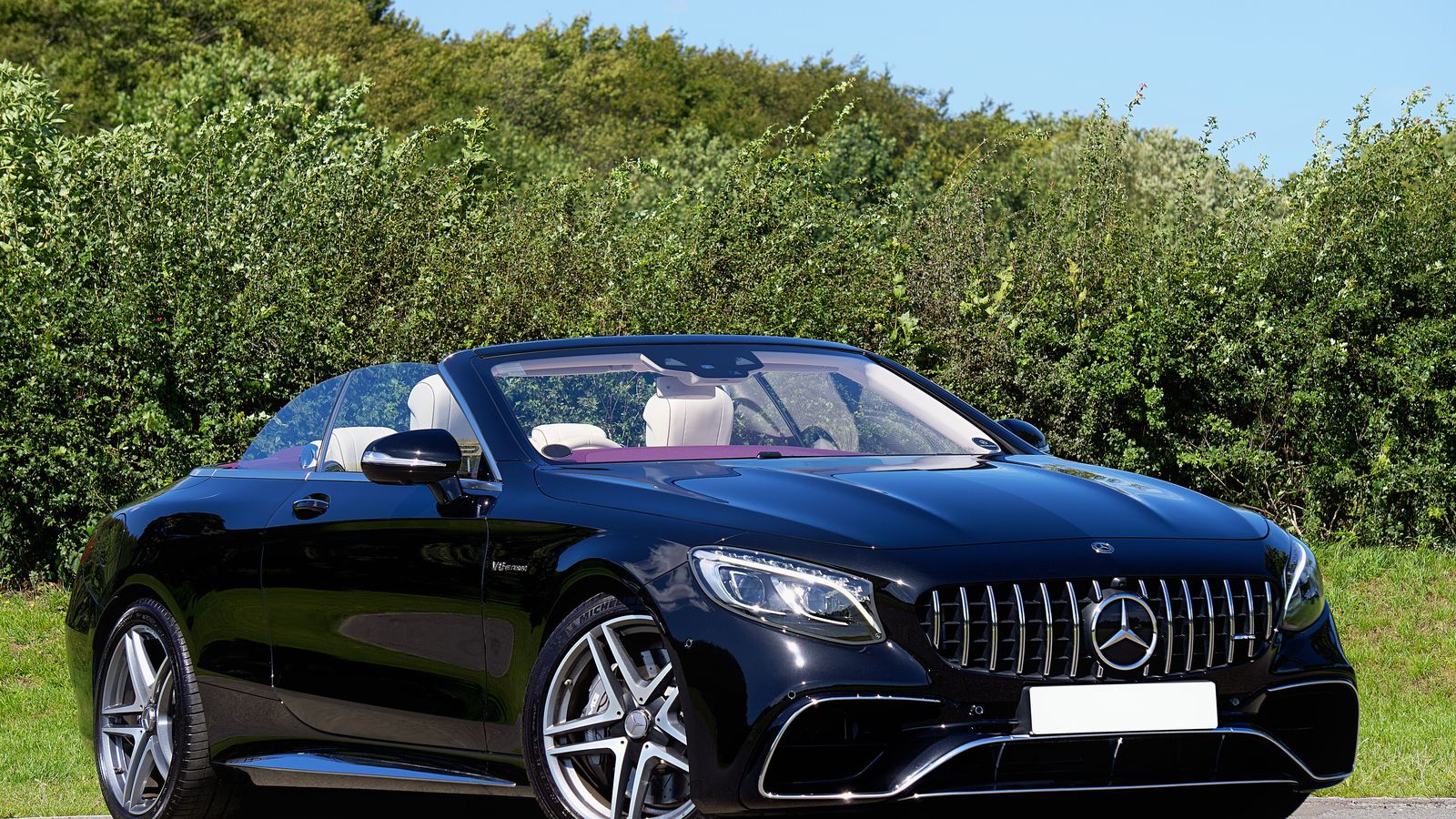
| First-class sedan (S-Class/7 Series) | 3 / 3 | about +50 % on sedan | Keynote, honouree, CEO |
| Executive SUV | 6 / 6 | $160–190/h, 3 h min | Small tables, couples sharing |
| Sprinter | 14 / 14 | $225–270/h, 3 h min | Hotel-to-venue loops |
| Stretch limousine (partner) | 8–10 | $225–330/h, 4 h min | Award-winning team photo moment |
| Coach (partner) | 24–56 | priced in writing | Whole-company dinners |
Airport legs for out-of-town guests are one-way flat fares: Pearson to downtown $130–160, to Vaughan $115–145, to Markham $145–180 in a business sedan. HST is shown separately, and gratuity is already inside the fare.
One coordinator, one manifest
The manifest is the backbone of every multi-car evening. It lists each guest or group, their pickup address or hotel, the vehicle assigned, the chauffeur's name and mobile, the arrival slot and the return plan. Your event lead gets it the day before as a spreadsheet and a printable one-page sheet for the registration desk.
Changes are normal. A VP decides to bring a spouse; two guests swap tables and now want to leave together; a speaker's flight lands late. Send changes to the coordinator rather than to individual chauffeurs so the manifest stays the single source of truth. On the night, one dispatcher watches the whole board and can move a spare car to wherever the plan bends.
Staggered arrivals at the venue door
Most downtown hotel porte-cocheres and venue curbs hold three or four cars at once. Send twenty at 6:30 and the last guest waits in a queue on Front Street watching the clock. We stagger arrivals in waves, typically every four to six minutes, ordered by priority: host team first, then honourees and speakers, then tables in sequence.
For a reception starting at 6:30 we usually plan the first wave to reach the door at 6:05 so the host team is inside and greeting before guests appear. Chauffeurs stage a few blocks away and are called forward by dispatch, which keeps the curb clear and satisfies the venue's own security team.
Toronto venues and districts we drive to most
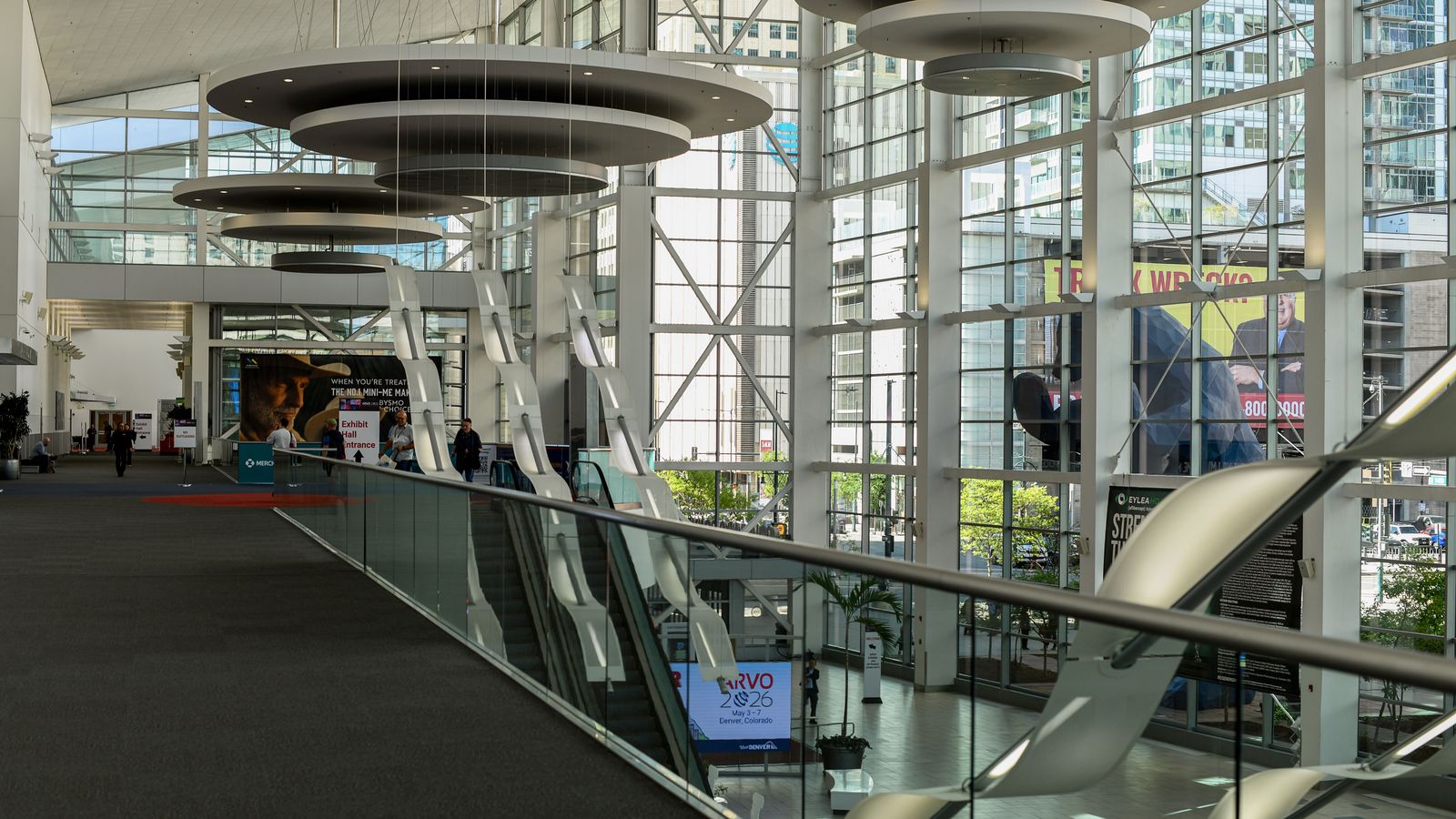
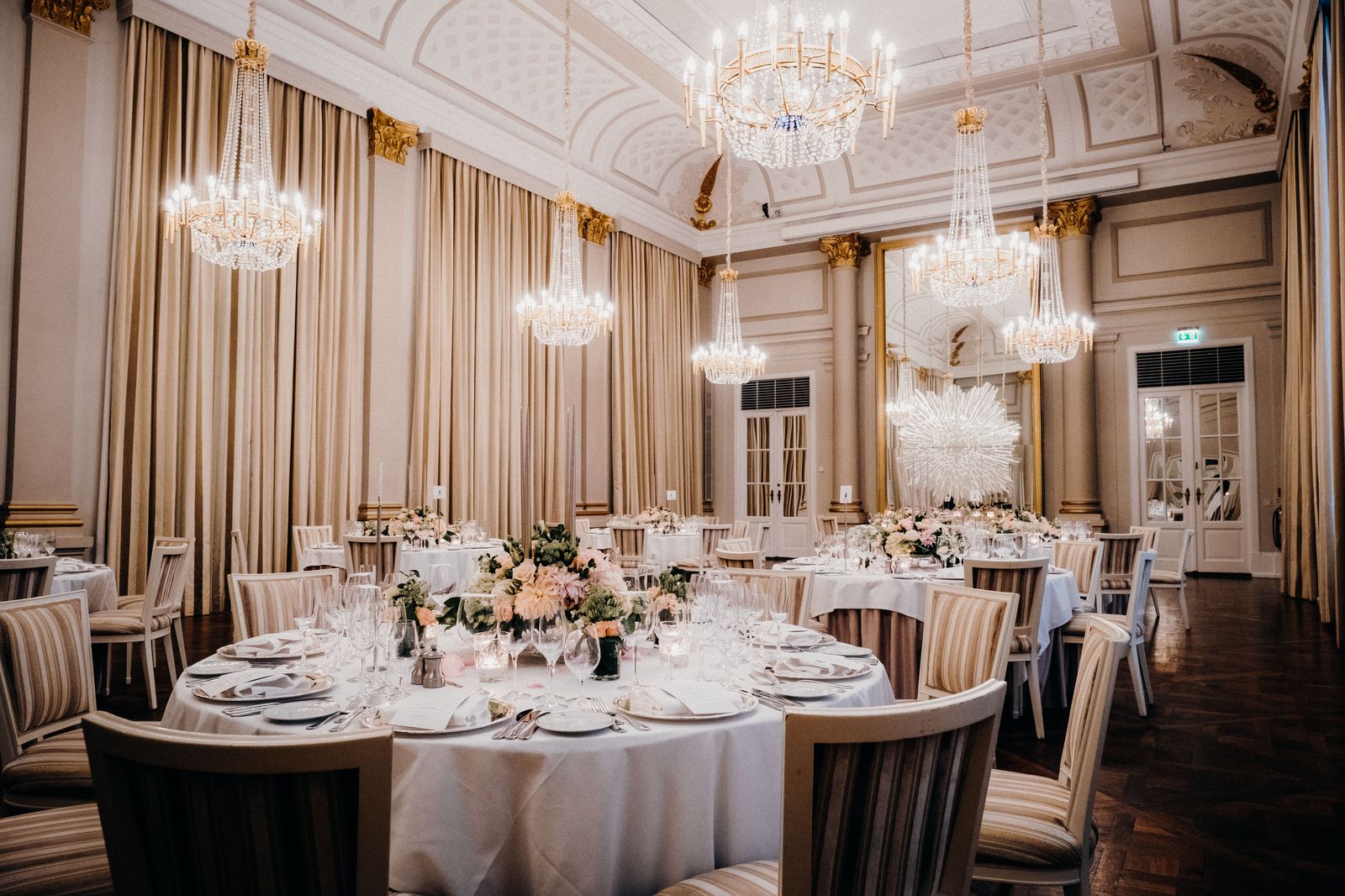
The downtown core concentrates a large share of Toronto's gala business. The Metro Toronto Convention Centre on Front Street West, the Fairmont Royal York opposite Union Station, Roy Thomson Hall on Simcoe Street and the hotels around King and University all sit within a few blocks of each other, which makes shared hotel loops efficient but curb space tight.
Bay Street towers host smaller client dinners and award receptions in private dining rooms and top-floor event spaces, usually with loading-dock access rather than a formal drop-off lane. Yorkville's hotels and restaurants suit intimate board dinners and have narrower streets where one car at a time is the rule. Out by the airport, the Toronto Congress Centre and the International Centre in Mississauga host large banquets where coaches and Sprinters make more sense than sedans.
Accounts and invoicing that finance will accept
Companies that run several events a year usually open a corporate account. That gives you one billing profile, cost-centre or PO fields on every booking, and a consolidated monthly invoice rather than a pile of card receipts. Each line shows the passenger, date, vehicle, fixed fare and HST separately, which is what most expense teams ask for.
For a single gala, the coordinator issues a written estimate, a deposit request and a final invoice that reconciles any changes made on the night, such as an extra hour for a car kept late. There are no surprise surcharges: overtime is billed at the hourly rate already shown, in 15-minute blocks after the included time.
Duty of care for staff and guests
Late evenings with an open bar create an obvious responsibility. Booking cars for every guest who needs one is the simplest way to make sure nobody drives home after the dessert course. We confirm each departure with a named chauffeur, and dispatch tracks every car until the last drop-off is complete.
For employees travelling alone late at night, we can arrange a text from the chauffeur on arrival, a wait until the guest is inside their building, and a confirmation back to the event lead that everyone got home. If a guest is unwell, the chauffeur's instruction is to call dispatch and, where appropriate, emergency services before anything else. None of this is an upsell; it is how an evening should end.
Confidentiality in the back seat
Executives talk in cars. Chauffeurs working corporate events are briefed that what they hear stays in the vehicle: no social media, no photos of guests, no discussion of names or conversation with anyone. Manifests are shared only with the people who need them and are not reused for anything else.
If your event involves unannounced news, an acquisition celebration or a guest list that must not leak, tell the coordinator. We can use code names on the manifest, keep placards off the dashboard and brief chauffeurs verbally rather than in writing. Where a client wants signed non-disclosure terms for its own records, we can review them in advance.
Choosing the right mix of vehicles
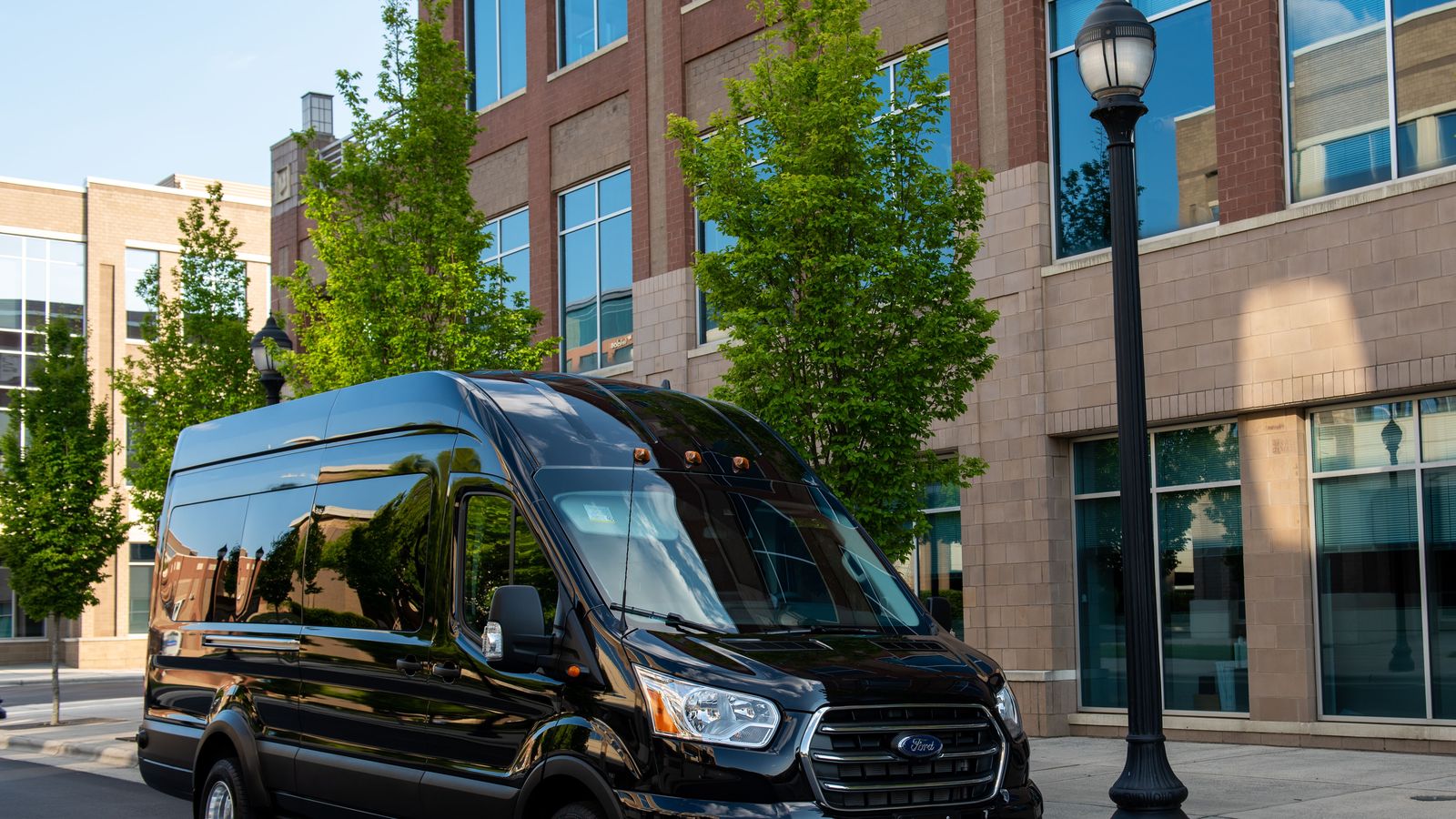
A good gala fleet mixes sizes. Sedans handle senior guests who arrive alone, executive SUVs carry couples and small groups with winter coats and evening bags, and a Sprinter shuttle runs a loop between the hotel block and the venue for everyone else.
If the evening deserves a moment, a stretch limousine or Rolls-Royce from our vetted partner operators in the LimousineWorldwide.Directory network can bring the honouree or the winning team to the door. We say plainly that those vehicles come from partners, held to the same written standards, and the coordinator books them into the same manifest so you still have one point of contact.
Out-of-town guests landing at Pearson
Conference and gala guests often fly in the same afternoon. Every airport pickup is flight-tracked, with 60 minutes of included waiting on international arrivals and 30 on Canadian and US, measured from actual landing. The fare covers a curbside pickup at the terminal's commercial pickup area; meet and greet inside the arrivals hall with a name board is an add-on at a planning figure of $25–35.
For VIP speakers we usually recommend meet and greet so they never have to search for a car. Tell the coordinator the terminal, or check it with the terminal finder; Air Canada flights generally use Terminal 1 and many other carriers Terminal 3, but always confirm against the booking.
Timing the evening around Toronto traffic
A 6:30 reception downtown on a weekday means cars are working through the evening rush. From Pearson, allow 45 to 70 minutes on the 427 and Gardiner between 4 and 6:30 p.m. From Yorkville to Front Street, allow 15 to 25 minutes. Leafs and Raptors home games at Scotiabank Arena, Blue Jays games at Rogers Centre and concerts all tighten the core, so we check the event calendars when building the arrival plan.
Winter adds its own margin. A January awards night after a snowfall can double travel times on side streets, and the coordinator will move first-wave pickups earlier rather than risk a late host team.
The departure plan
The exit is harder than the arrival because everyone wants to leave at once. We ask when the formal programme ends, how long the dance floor or after-party will run, and which guests are likely to leave early. Cars are then assigned to three waves: early leavers, the main exit at the end of speeches, and the late group.
Each chauffeur holds a named guest or group, and a staff member or our on-site lead at the door checks guests against the manifest and radios cars forward. If someone decides to stay another hour, the car can wait at the hourly rate, or dispatch can release it and send a fresh one later.
On-site coordination for large events
For events with more than about fifteen vehicles, a coordinator can be on site at the venue door. They work alongside your event team and the venue's security, call cars forward in order, handle last-minute changes and keep your staff free to look after guests. This is quoted in writing as part of the package.
Smaller evenings run well with a dispatcher on the phone and a clear manifest. Either way, your team gets one contact name and number, and the chauffeurs know who is authorised to change the plan.

Hotel blocks and multi-day conferences
When a gala sits inside a two- or three-day conference, the transport plan usually covers airport arrivals, morning shuttles from the hotel block to the venue, the gala evening itself and departures. We can price that as one package and keep the same chauffeurs across the days where schedules allow, which guests appreciate.
For trade-show logistics specifically, see conference and trade show transportation. For individual executives who need a car on standby all day, the hourly chauffeur service is the simpler booking.
Booking lead times and cancellation
Single cars can be booked a few hours ahead in the reservation engine. For galas, book as soon as the date is firm: four to six weeks for events up to twenty cars, and earlier for dates that collide with TIFF in September, the December party season or major conventions, when stretch limousines and Sprinters are in short supply across the city.
The sitewide cancellation rule applies per vehicle: more than 72 hours before pickup costs nothing; 72 hours or less is 10 %; 48 hours or less is 50 %; 24 hours or less or a no-show is 100 %. Reducing from twenty cars to fifteen a week out therefore costs nothing.
What to send the coordinator
The fastest way to a written price is one email with: the date, venue and event times; the approximate number of guests needing transport; hotel or home pickup addresses; any flight arrivals; vehicle preferences; and who on your team can approve changes on the night.
From there the coordinator returns a draft manifest and a price within a business day for most events. Once approved, the manifest is locked 48 hours before, with changes still accepted by phone up to the last minute.