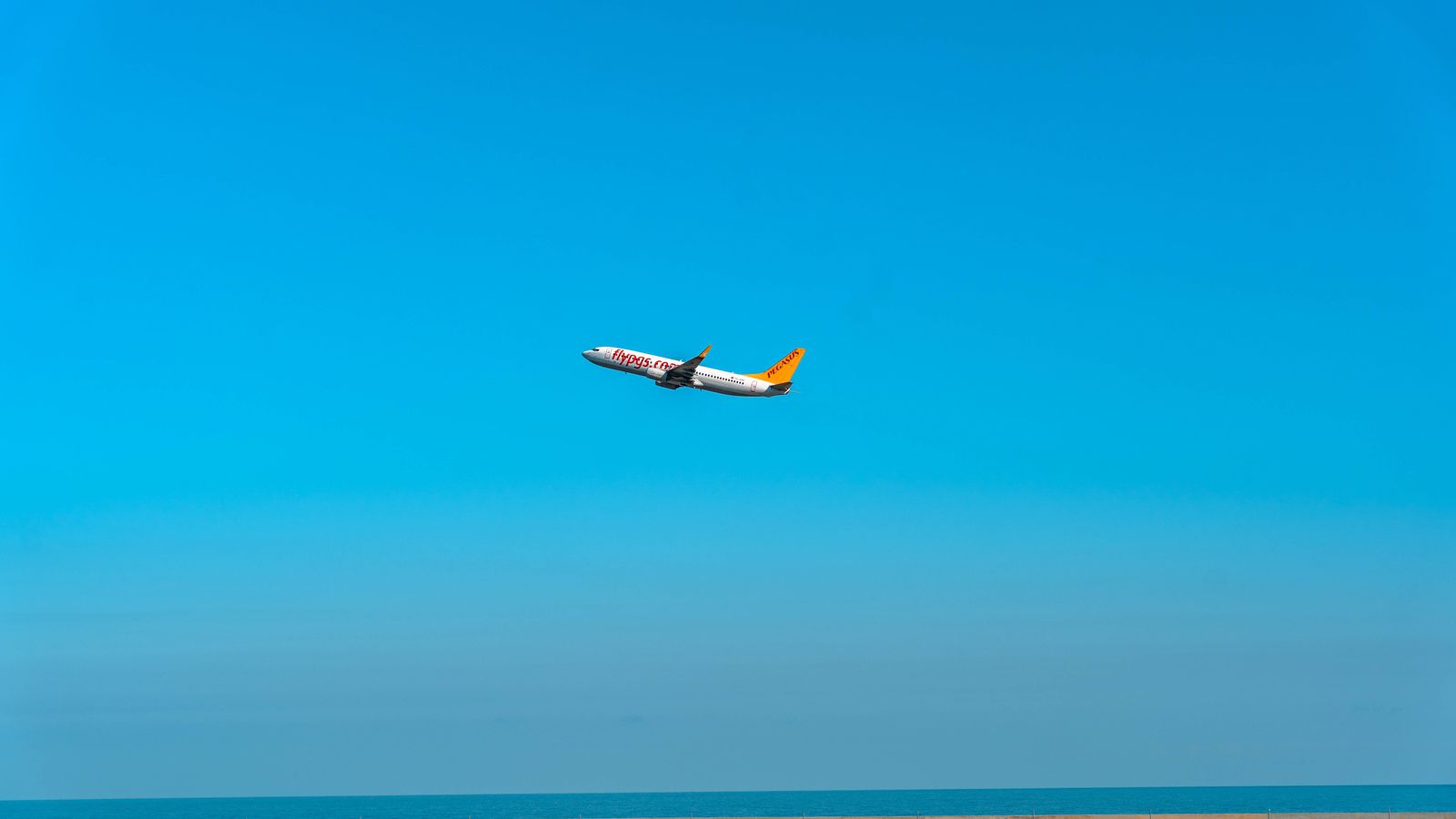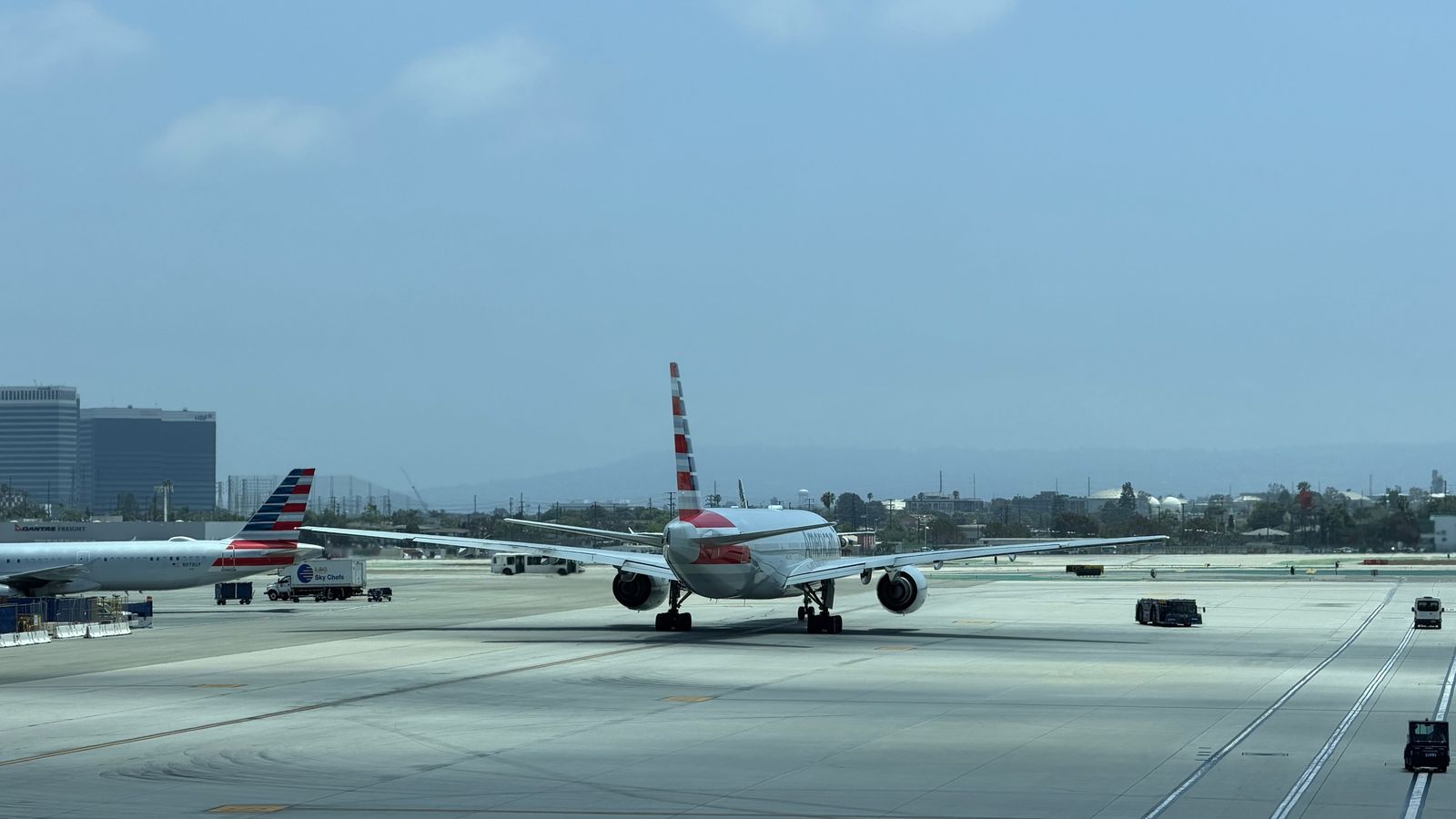













Paris Charles de Gaulle to Toronto Pearson is flown non-stop by Air France and Air Transat, which typically arrive at Terminal 3, and Air Canada, which arrives at Terminal 1. The flight averages just over eight hours. French citizens need an eTA. TorontoAirportTransfer.services tracks your flight, includes 60 minutes of waiting and quotes a fixed all-in fare, about $130–160 to downtown in a sedan.
Paris CDG to Toronto Pearson: the carriers and the schedule
Three airlines fly Paris Charles de Gaulle to Toronto Pearson non-stop: Air France, Air Canada and Air Transat. Air France usually runs the most frequencies, with more than one flight on some days, and Air Canada and Air Transat each fly most days of the week in the busy season. Scheduled departures from Paris range from late morning to early evening, and the average flight time westbound is a little over eight hours. The route is also served by one-stop itineraries through Montreal, which some French travellers prefer so they can combine the two cities. If you connect in Montreal, your final flight into Pearson is domestic and the included wait becomes 30 minutes.
Terminals at Pearson for Paris flights
Air France and Air Transat arrive at Pearson Terminal 3, the home of SkyTeam, oneworld and most leisure carriers. Air Canada arrives at Pearson Terminal 1. Air France and its partners codeshare widely, so an Air France ticket can sometimes put you on a partner aircraft; the operating airline shown in your booking decides the terminal. If you connected in Montreal on Air Canada, you will land at Terminal 1 after clearing customs in Montreal. Our terminal finder checks it from the flight number, and dispatch confirms it against the live arrivals list on the day you fly.
Arrival times and the six-hour difference
With departures from CDG spread between late morning and early evening, arrivals into Toronto run from early afternoon to about nine at night local time. Toronto is six hours behind Paris for most of the year and five hours behind during the short periods in March and late October when only one side of the Atlantic has changed its clocks. A 7 pm landing therefore feels like 1 am, and the ride into the city is often quiet and dark. Later evening arrivals have one advantage: the highways are usually clear, and downtown hotels are often 30 minutes from the curb.
Entry for French citizens: the eTA
France is a visa-exempt country for Canada, so French citizens visiting for tourism, family or business meetings need an Electronic Travel Authorization rather than a visa. The fee is CAN$7, and the application is completed online on the Government of Canada's eTA page, which is also available in French. The eTA is linked to one passport; if you have renewed yours since your last trip, you need a new one. Residents of France who hold another nationality should check the requirements for that passport, because a French residence card alone does not replace a visa or eTA.
Customs, kiosks and service in French
Canada is officially bilingual, and federal services at Pearson, including the Canada Border Services Agency, are available in English and French. The kiosks and eGates in the customs hall offer both languages, and you can ask an officer to continue in French. The CBSA's kiosk and eGate guide explains each step. You can prepare your declaration up to 72 hours ahead through the Advance Declaration in ArriveCAN, which lets you use the express lanes. Our arriving in Canada at Pearson guide covers what happens between the gate and the exit.
Bringing cheese, charcuterie and wine
Many French visitors bring food as gifts, and it is worth knowing the rules before you pack. Cheese, cured meats and other animal products are subject to import rules, some are permitted in limited quantities and others are refused, and the requirements depend on the product and its origin. Always declare them at the kiosk; the officer decides and you avoid penalties. Wine and spirits are allowed within a personal exemption for visitors, above which duty and taxes apply. The CBSA website lists the current limits. When in doubt, buy the gift in Toronto; the city has excellent French bakeries, cheese shops and wine at the LCBO.
Your included wait and what happens if the flight is late
Every international pickup includes 60 minutes of waiting, counted from the moment the aircraft actually lands. Dispatch follows the flight from the gate at CDG, so if Air France pushes back 45 minutes late, the chauffeur arrives 45 minutes later and you lose nothing. The hour covers taxiing, the long walk to the customs hall, the kiosk, the officer and the baggage carousel on an average day. If you run beyond it, the chauffeur stays and additional time is charged in 15-minute blocks. Send a message when your bags appear, so the car can be at the door as you walk out.
Meeting your chauffeur at the curb or in the hall
The fare includes pickup at the pre-arranged commercial pickup area at your terminal, a short walk from the arrivals exit. Your confirmation shows the exact door. You message the chauffeur once you have your bags, and the car pulls up within minutes. If you prefer a person waiting where passengers leave the customs area, holding a board with your name, add meet and greet for a planning figure of $25–35. French-speaking visitors travelling for the first time, older relatives and families with young children often choose it. Mention at booking if you would like a French-speaking chauffeur; dispatch assigns one when available but cannot guarantee it.
Fares from Pearson after a Paris flight
Planning figures, one way from Pearson, all-in except HST. Your exact fare appears in the reservation engine once you enter the address, date and vehicle.
| Destination | Business sedan | First-class sedan | Executive SUV / luxury van |
|---|---|---|---|
| Downtown Toronto | $130–160 | $195–240 | $160–205 |
| Yorkville and the Annex (downtown band) | $130–160 | $195–240 | $160–205 |
| North York | $105–135 | $160–205 | $135–175 |
| Oakville | $120–150 | $180–225 | $150–195 |
| Ottawa | $975–1,125 | $1,465–1,690 | $1,225–1,465 |
| Montreal | $1,275–1,470 | $1,915–2,205 | $1,600–1,915 |
Each class is described on the fleet page, and business travellers can pre-book the first-class sedan for a quieter cabin after a long flight.
Where French visitors usually stay
Paris flights bring a mix of tourists, business travellers and people visiting family who have settled in Ontario. Tourists often choose Yorkville, with its boutiques and restaurants, or the downtown core near the waterfront and the entertainment district. The Annex and the area around the University of Toronto suit academics and students. Business travellers split between the Financial District and the corporate offices around the airport and in Mississauga, where the drive from Pearson can be ten to twenty minutes. Toronto's French-speaking community is spread across the city rather than concentrated in one district, and there are French schools, cultural centres and cafés in several neighbourhoods.
Continuing to Montreal, Ottawa or Quebec
Plenty of French visitors treat Toronto as the first stop on a Canadian tour. Montreal is roughly five and a half to six hours by road; a chauffeured Toronto to Montreal transfer makes sense for families with heavy luggage, groups sharing a van or travellers who want stops in Kingston and the Thousand Islands on the way. Ottawa, the federal capital, is about four and a half to five hours and has a large francophone population; see our Ottawa page. For travellers who prefer the train, VIA Rail runs between Toronto, Ottawa and Montreal from Union Station, and we can take you there.
Day trips: Niagara and wine country
Niagara Falls is the most requested day trip from Toronto, about 90 minutes to two hours along the QEW. French visitors often combine the falls with Niagara-on-the-Lake, a small nineteenth-century town surrounded by vineyards. Ontario's icewine, made from grapes frozen on the vine, is the region's best-known specialty, and several wineries offer tastings. Our Niagara wine tours are booked by the hour with a chauffeur who waits at each stop, so nobody in the group needs to drive. Wine Country Ontario lists wineries and their visiting hours.
Choosing the right car after a Paris flight
A couple with two suitcases fits comfortably in a business sedan. Add a pushchair, a third large case or a duty-free carton and the boot fills quickly, so move up to an executive SUV or luxury van, which carries six passengers and six bags. Business travellers arriving for meetings often choose the first-class sedan, an S-Class or 7 Series, for a quieter cabin and more legroom after eight hours in economy. Whatever the exemptions for taxis and buses, we fit the right child seat for every child who needs one.
Arriving in Toronto during a festival week
Some weeks change the arrival experience. During the Toronto International Film Festival in September, downtown hotels fill, King Street is partly closed around the festival venues, and the drive from Pearson into the core can take longer than usual; our TIFF transfers page covers timing and drop-off points, and the official TIFF website lists the dates. Long weekends such as Canada Day and the August civic holiday bring heavy traffic on the highways out of the city. On any of these dates, book early and give the exact hotel entrance, because some streets have temporary closures.
The return leg to Paris
For the flight home, aim to be at the terminal about three hours before departure; our how early to arrive at Pearson guide explains why. Air France and Air Transat departures leave from Terminal 3, Air Canada departures from Terminal 1. Many eastbound Paris flights leave in the evening, which means crossing the city during the afternoon rush. From downtown at 4 pm, allow 45 minutes to over an hour; the chauffeur works out the pickup time from your flight and address. Book the return at the same time as your arrival, and the whole trip is on one confirmation.
Money, phones, plugs and tipping
The Canadian dollar is the currency, and cards and contactless payments are accepted almost everywhere, so you need little cash. Your transfer is paid at booking. A travel eSIM or a Canadian prepaid SIM is usually cheaper than roaming from a French plan. Canada uses North American Type A and B plugs at 120 volts, so bring an adaptor for European chargers. Tipping is the biggest cultural difference: in France service is included in the bill, while in Toronto restaurant servers expect 15 to 20 per cent of the pre-tax total. The chauffeur's gratuity is already in our fare; the tipping and etiquette guide explains the rest.