












An Uber to Toronto Pearson airport is convenient and often reasonably priced, but the fare changes with demand and the car you get is whatever is nearby. UP Express is cheapest and fastest from Union Station for light travellers. Pearson's taxis charge flat zone rates. A booked TorontoAirportTransfer.services car costs more but fixes the price, vehicle, child seats and timing in advance.
Uber to Toronto Pearson airport: what you are actually buying
Rideshare is the default for a lot of travellers, and for good reason: open the app, see a price, get picked up. When you order an Uber to Toronto Pearson airport, you are buying the next available driver in the class you chose, at a price the app sets for that minute. For most trips that works. The weak points show up at the edges: very early departures when few drivers are online, big storms, holiday weekends, groups that need a larger vehicle, and anyone who needs a car seat. On the return, Pearson routes app pickups to designated rideshare zones by the terminal doors, and at busy times the wait there is part of the trip.
The fair way to choose is to compare the four options on the same list of things that matter: price certainty, speed, luggage, door-to-door convenience, children and accessibility, and what happens when a flight is late. That is what this guide does.
The four options at a glance
| Rideshare (Uber, Lyft) | Pearson stand taxi / limo | UP Express train | Booked chauffeur (us) | |
|---|---|---|---|---|
| How priced | Dynamic, at request | Flat zone rate, taxes in | Fixed fare per ride | Fixed all-in fare, + HST |
| Downtown cost | Varies with demand | Roughly $60s–$70s by zone (check Pearson) | $12.35 standard adult one way; PRESTO less | $130–160 sedan planning figure |
| Door to door | Yes | Yes | Union, Bloor and Weston only | Yes |
| Pre-assigned car and driver | No | No | No | Yes |
| Flight tracking and included waiting | No | Not needed (you queue) | Not needed | 30 min Canadian and US flights, 60 min other international |
| Child seats | Rarely | Rarely | Not needed | On request, fitted before pickup |
| Groups of 5+ | Larger class needed | Surcharge applies | Per-person fare | SUV, van or Sprinter at one fare |
Third-party figures are ranges; confirm the taxi zone rate on the Toronto Pearson ground transportation pages and the rail fare on the UP Express fares page.
UP Express: the honest best choice for many solo travellers
UP Express runs between Pearson Terminal 1 and Union Station in about 25 minutes, with trains roughly every 15 minutes and intermediate stops at Weston and Bloor. The standard adult one-way fare was $12.35 on the day we checked, and PRESTO fares are lower. If you are one person with a carry-on, staying at a hotel connected to or a short walk from Union Station, nothing beats it for price and predictability, because it never sits in traffic. Terminal 3 passengers ride the free Terminal Link train to Terminal 1 first.
Where it falls short is the last mile. Union Station is a big building; dragging two large suitcases through the concourse and then finding a cab to a hotel in Yorkville or a home in Leslieville erodes the saving. Families of four pay four fares. Late at night the onward connection becomes the problem. We would still rather you took the train when it fits; see UP Express for schedules.
Pearson's flat-rate taxis and limos
At the curb in front of arrivals, Pearson's licensed taxis and limos wait at the stands and charge a flat rate by destination zone. The airport says they do not surge, they take credit cards and taxes are in the price; limos are black cars at roughly 10 % more than taxis, and $15 surcharges apply for five or more passengers and for four or more checked bags or oversize items. For a couple landing mid-afternoon and heading downtown, the stand is simple and fair. The queue can be long when several wide-body flights arrive together, and you get whichever vehicle is next, but the price is known before you start. Our Toronto airport taxi fare guide covers the zones and the meter in detail.
Rideshare: strengths and pinch points
The strengths are real. Rideshare apps cover the whole region, you see the estimate first, and at off-peak times the price is competitive with a taxi. The pinch points are predictable once you have watched a few thousand airport runs:
- Price swings. When flights bunch up or the weather turns, dynamic pricing rises exactly when you have the least choice.
- Vehicle roulette. Economy cars do not fit a family's luggage; the larger classes cost more and have fewer drivers.
- Early mornings. A 5 a.m. departure from Newmarket or Oakville depends on a driver being awake and nearby.
- Children. Taxis and rideshares rarely carry car seats; bringing and fitting your own takes time at the curb.
- The pickup zone. On arrival you walk to the designated rideshare area and wait for the match.
None of these make rideshare a bad choice. They make it a good choice for flexible travellers and a riskier one for tight connections, families and early flights. Check the Uber or Lyft app estimate against the alternatives before you confirm.
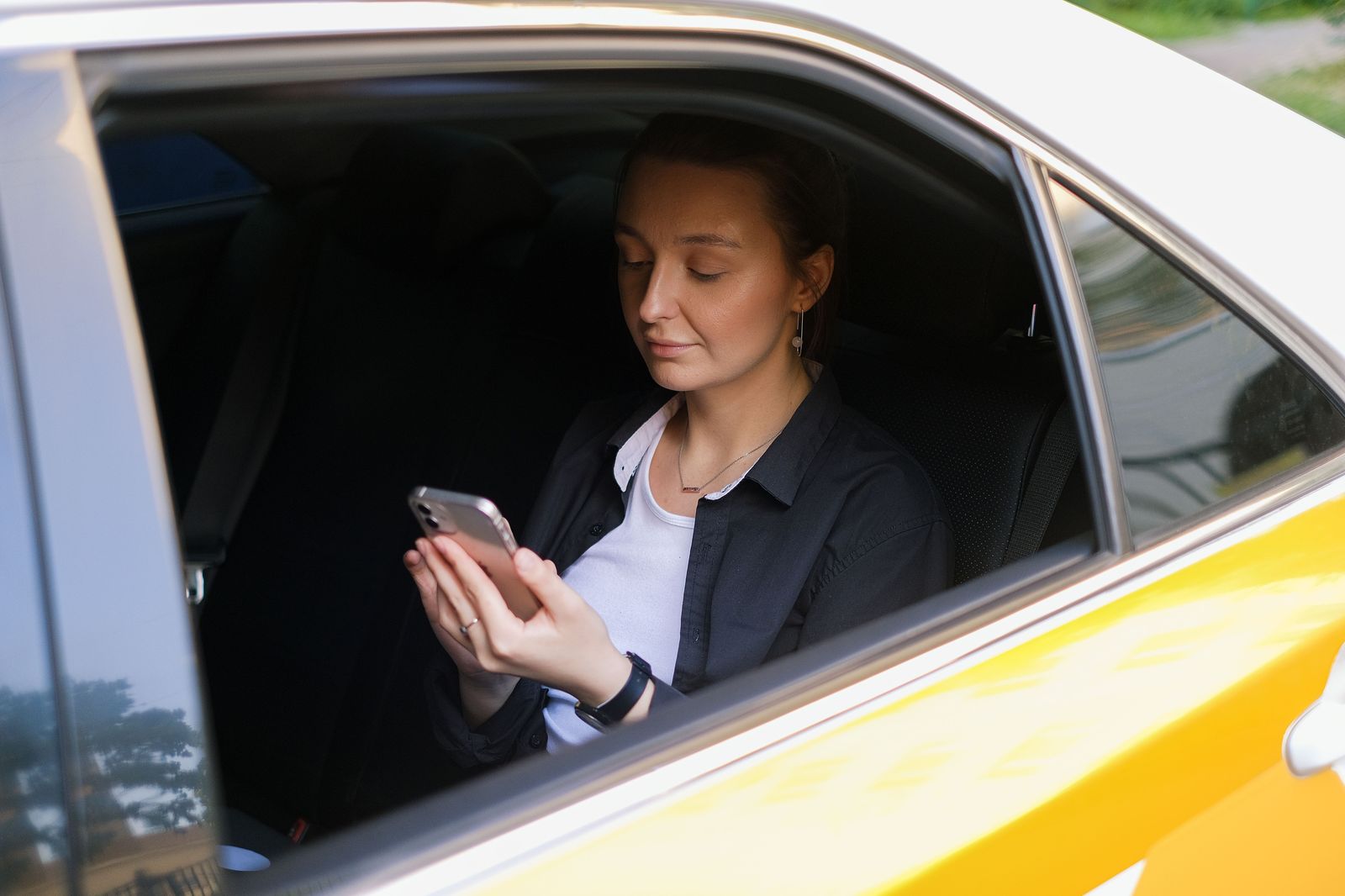
A booked limo or black car: what the extra money buys
A pre-booked car from TorontoAirportTransfer.services is priced before you travel and does not change with traffic, weather or demand. The fare includes the chauffeur, vehicle, fuel, airport fees, 407 tolls if used and gratuity, with HST added. On arrival, the chauffeur tracks your flight and is timed to the actual landing; waiting is included for 30 minutes after a Canadian or US flight and 60 after any other international arrival, then charged in 15-minute blocks. The fare includes curbside pickup at the terminal's pre-arranged commercial pickup area; meet and greet inside arrivals with a name board is an optional add-on at a planning figure of $25–35.
You also choose the vehicle: a business sedan for three people and three bags, a first-class sedan, an executive SUV or luxury van for six, or a Sprinter for groups of up to fourteen. See the Pearson airport limo page for how a booking runs from start to finish.
Price side by side for common trips
Planning figures for a one-way business sedan with us, all-in plus HST; the reservation engine quotes the exact address, date and vehicle.
| Trip | Booked sedan (planning) | Notes on the alternatives |
|---|---|---|
| Pearson to downtown Toronto | $130–160 | UP Express cheapest for one; stand taxi flat by zone |
| Pearson to Mississauga | $90–120 | Short hop; rideshare often competitive off-peak |
| Pearson to Markham | $145–180 | No rail link; taxi and rideshare both drive the 401 |
| Pearson to Oakville | $120–150 | Compare the stand zone rate for your address |
| Pearson to Hamilton | $195–240 | Longer runs favour a fixed fare |
| Pearson to Niagara Falls | $345–420 | Group of four: per-person cost drops sharply |
Use the fare calculator for any address.
Who should choose what
- Solo, light luggage, staying near Union: UP Express.
- Couple, mid-day arrival, downtown hotel: stand taxi or rideshare; compare the two prices at the curb.
- Family with young children: booked car with seats fitted; see child car seat transfers.
- Group of five to fourteen: booked SUV, van or Sprinter at one fixed fare, rather than two cars and surcharges.
- Early departure from the suburbs: booked car, because it is dispatched the night before.
- Business traveller on a schedule or expense account: booked car with one itemised receipt, or a corporate account.
- Arriving on a delayed long-haul flight: booked car with flight tracking, so you are not re-requesting at 1 a.m.
- Budget first, time flexible: TTC bus routes via the TTC airport page.
Late nights, early mornings and weather
In the small hours, UP Express is not running and the TTC relies on its overnight routes, so the choice narrows to the stand, rideshare and booked cars; check exact first and last trains on the official site. The stand is usually staffed late, but the queue after a cluster of overseas arrivals can be long. Rideshare supply at 4:30 a.m. in the suburbs is thin. In a heavy snowfall everyone slows down: the flat rates and fixed fares protect you on price, while the meter and dynamic pricing do not. A booked car in winter is also a known vehicle, prepared for the season before it leaves the garage.

Luggage, skis, golf bags and strollers
This is where options separate quickly. UP Express has luggage space but you carry everything on and off yourself. An economy rideshare takes two large cases at most. Stand taxis are mostly sedans and minivans and add a surcharge for four or more checked bags or oversize pieces. With a booked car you choose capacity: a sedan for three bags, an SUV or van for six, a Sprinter for fourteen, and you list skis, golf bags or a stroller at booking so dispatch sends the right car.
Accessibility and assistance
UP Express trains and stations are designed to be accessible and staff can assist on the platform. Accessible taxis are part of the licensed fleets; ask the dispatcher at the stand. Rideshare offers accessible options in some markets, but availability is limited and not guaranteed. We arrange wheelchair accessible transfers in advance and can add meet and greet so a chauffeur helps from the arrivals hall to the vehicle.
Reliability on the day
The biggest difference is not price but what happens when something goes wrong. If your flight is two hours late, a train or a taxi stand simply waits for you. A rideshare has to be requested again when you finally land. A booked chauffeur is re-timed automatically by flight tracking at no charge. If you land at Terminal 3 but your booking says Terminal 1, dispatch confirms the terminal against the live flight record. Our Pearson pickup rules and waiting areas guide shows where each type of vehicle meets you.
Returning to Pearson
Going to the airport, the calculation shifts. UP Express is still excellent from Union. From home, a rideshare at 6 a.m. might or might not appear; a metered city taxi runs the meter through rush hour; a booked car is waiting outside at the agreed time with a fixed fare. For international departures allow the time our how early to arrive at Pearson guide suggests, and remember the drive time on Highways 401 and 427 varies far more than the train.
Booking, changes and cancellations
Rideshare cancels for free until a driver is on the way; the train and the stand need no booking at all. A booked car can be changed through dispatch at any time, and our sitewide cancellation terms apply: more than 72 hours before pickup is free; 72 hours or less is 10 %, 48 hours or less 50 %, 24 hours or less or a no-show 100 %, measured from the scheduled pickup.