












Every TorontoAirportTransfer.services chauffeur is licensed for the vehicle and the work: a City of Toronto vehicle-for-hire driver licence for limousine work in the city, an Ontario bus licence for Sprinters, and a vehicle that meets Pearson's rules for pre-arranged pickups. On top of the law, chauffeurs are screened, trained on airports and routes, and held to written standards on conduct and confidentiality.
The chauffeur standard, in one paragraph
The standard is simple to state and demanding to keep. A chauffeur is licensed for the work, has a clean driving record, has passed a criminal record check, knows the airports and the roads, is on time, looks the part, drives smoothly, speaks when spoken to, keeps what they hear to themselves and treats the car as the passenger's space rather than their own. Everything on this page is detail on those points. The same standard applies to our own chauffeurs and, by contract, to the chauffeurs of every partner operator we use, including those supplying stretch limousines, Rolls-Royce, party buses and coaches.
Licensing in the City of Toronto
In Toronto, limousine work is licensed by the city under its vehicle-for-hire bylaw. The City of Toronto licenses limousine service companies, limousine owners and limousine drivers, and a vehicle-for-hire driver licence requires, among other things, a criminal record and judicial matters check and a recent Ministry of Transportation driving record abstract. The city publishes the current requirements on its limousine licensing pages, and they change from time to time, so we check them rather than recite them. Chauffeurs who drive for us in Toronto hold the licences the city requires for the work they do. Other municipalities in the region have their own regimes, and trips are arranged to comply with them.
Pearson and the airport rules
Toronto Pearson controls commercial pickups on its property. Municipally licensed limousines and taxis may collect passengers on a pre-arranged basis under the airport's own permit system and protocols, which are published for operators on the Pearson pre-arranged drivers page. That is why our chauffeurs meet passengers at the terminal's pre-arranged commercial pickup area, or inside the arrivals hall when meet and greet is booked, rather than at the stands used by the airport's on-demand taxis and limousines. Our chauffeurs follow the airport's procedures and do not solicit passengers inside the terminal. Billy Bishop has its own arrangements for the mainland pickup area on Eireann Quay.
Bus licences and operator registration for Sprinters
A fourteen-seat Sprinter is legally a bus in Ontario. The province requires operators of buses with ten or more passenger seats to hold a Commercial Vehicle Operator's Registration, and drivers of buses with ten to twenty-four seats need a Class F licence (Class C above that), as set out on the Ontario bus licence page. Our Sprinters are operated and driven on that basis. Coaches supplied by partner operators come with their own registrations and appropriately licensed drivers, which we check as part of partner vetting. For passengers this detail is invisible, but it is the difference between a group shuttle and a van someone has borrowed.
Screening before the first trip
Licensing is the legal floor; screening is ours. Before a chauffeur drives a passenger for us, we verify identity and the right to work in Canada, check the licences and their classes, review the driving record abstract for demerit points and suspensions, and review the criminal record check the licensing requires. We interview in person, take references and ride with the chauffeur on a real route. Records are rechecked on renewal. A chauffeur with a recent serious driving conviction, an impaired-driving history or dishonesty in the application does not drive for us, whatever their experience.
Training: airports, roads and the passenger
New chauffeurs learn the job we actually do. That starts with Pearson: the two terminals, the Terminal Link train between them, the commercial pickup areas, how international and domestic arrivals flow, where to stage when a flight is delayed, and how the meet and greet handover works. It covers Billy Bishop's tunnel and ferry, Union Station's loading points and the FBOs. It covers the road network: the 427, 401, Gardiner, DVP, 404, QEW and 407 ETR, and which to use at which hour. And it covers the passenger: helping with luggage, installing child seats correctly, assisting a traveller with reduced mobility, and handling a tired or anxious passenger with patience.
Winter and defensive driving
A chauffeur's most important skill is not being noticed. That means smooth braking, no sudden lane changes, generous following distances and no hurry. In winter it means more: knowing when the 427 collector lanes freeze first, driving to conditions on freezing rain, and telling dispatch early if a trip will run late because conditions demand it. Dispatch backs the chauffeur on that call. No passenger is ever asked to accept a faster, riskier drive to save a few minutes, and no chauffeur is penalised for driving slowly in a storm.
Conduct in the car
In the car, the chauffeur's job is to make the trip calm. Phones are hands-free and used only for dispatch. There is no personal conversation on the phone, no smoking, no eating, and no music unless the passenger wants it. The chauffeur asks about temperature and route preference, answers questions about the city if asked and otherwise lets the passenger work, sleep or talk to whoever they are with. Doors are opened and luggage is loaded and unloaded by the chauffeur. The chauffeur never asks for a tip, because the gratuity is already in the fare. The chauffeur tipping and etiquette guide covers the passenger's side.
Presentation
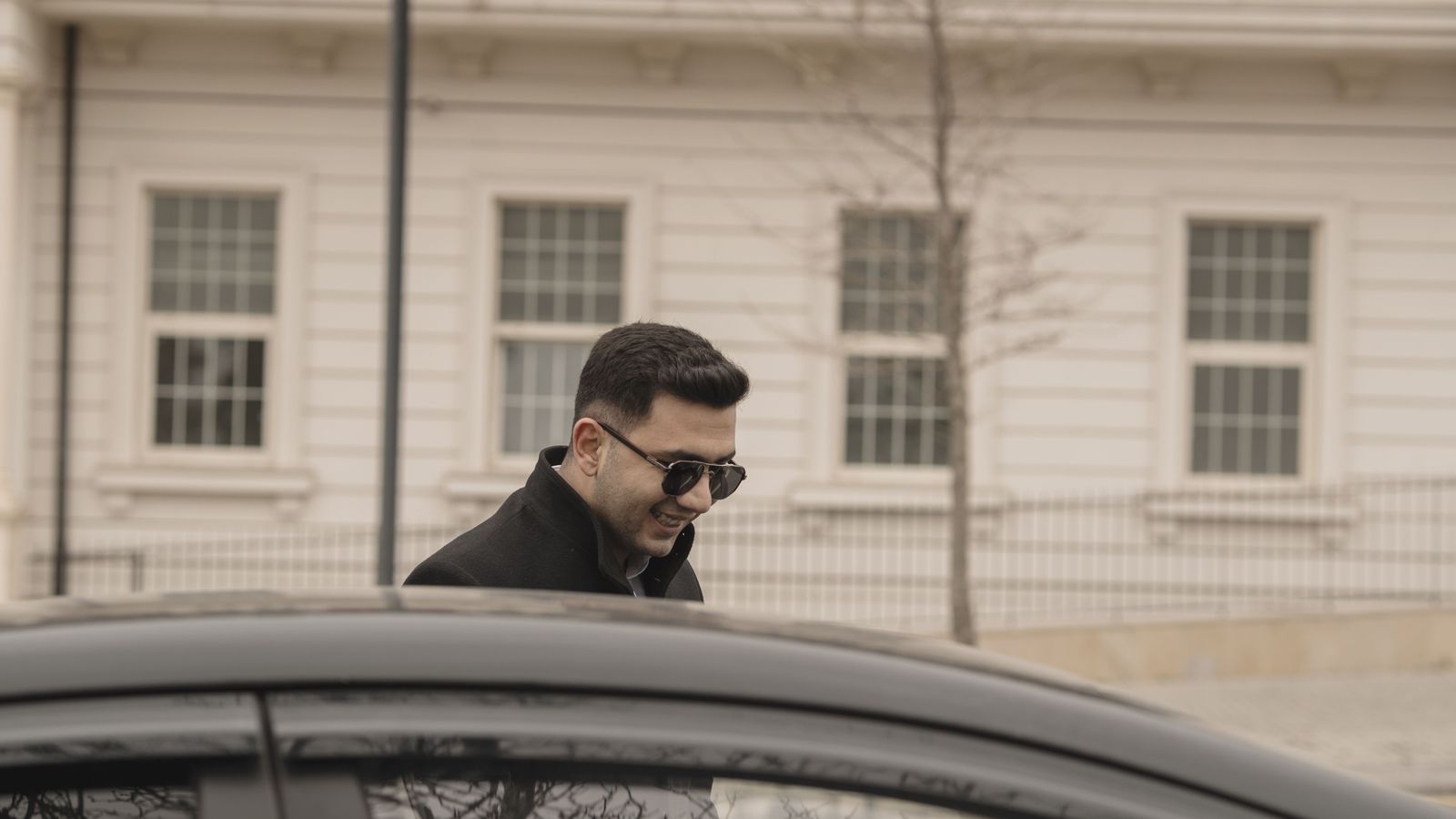
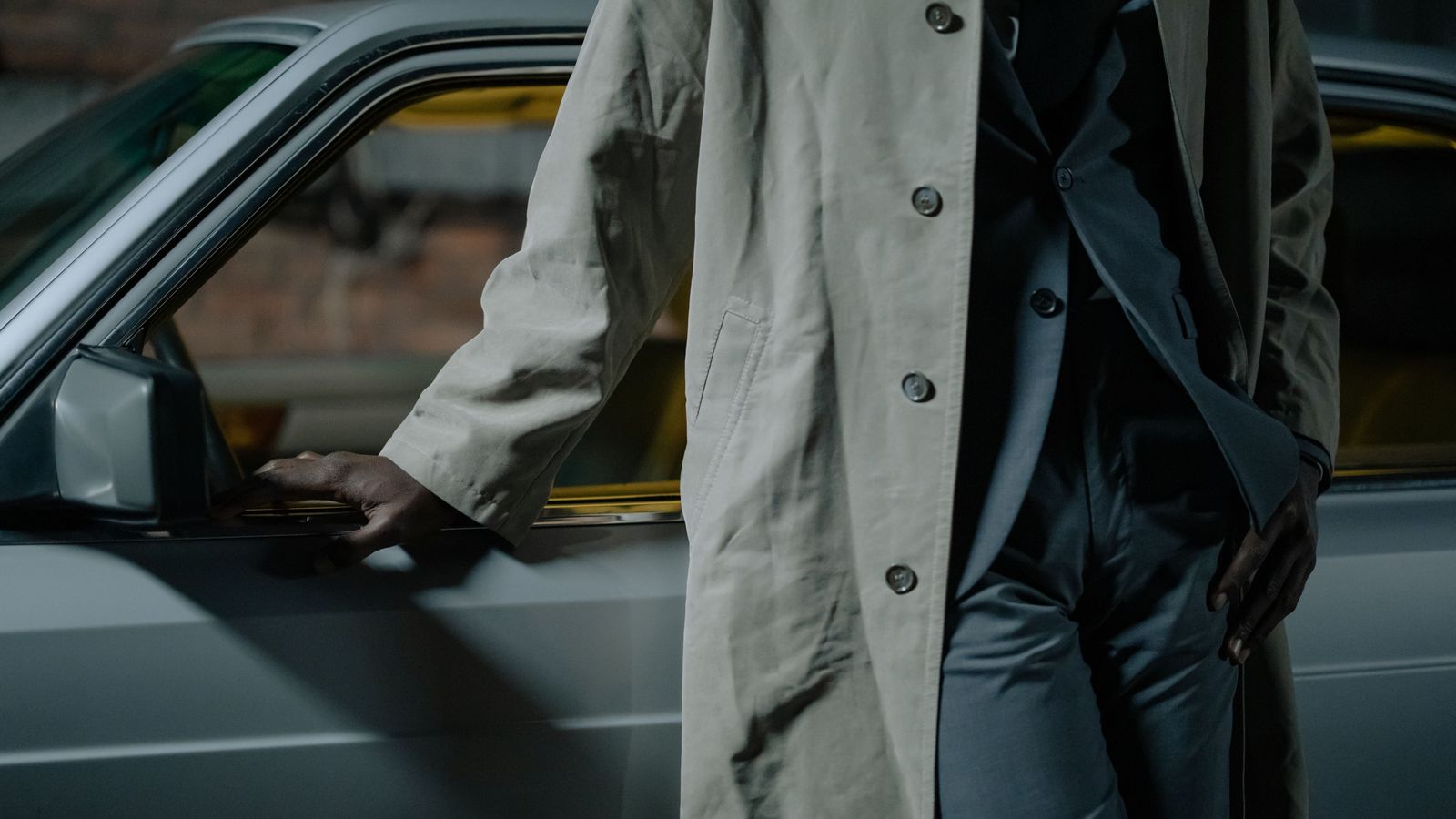
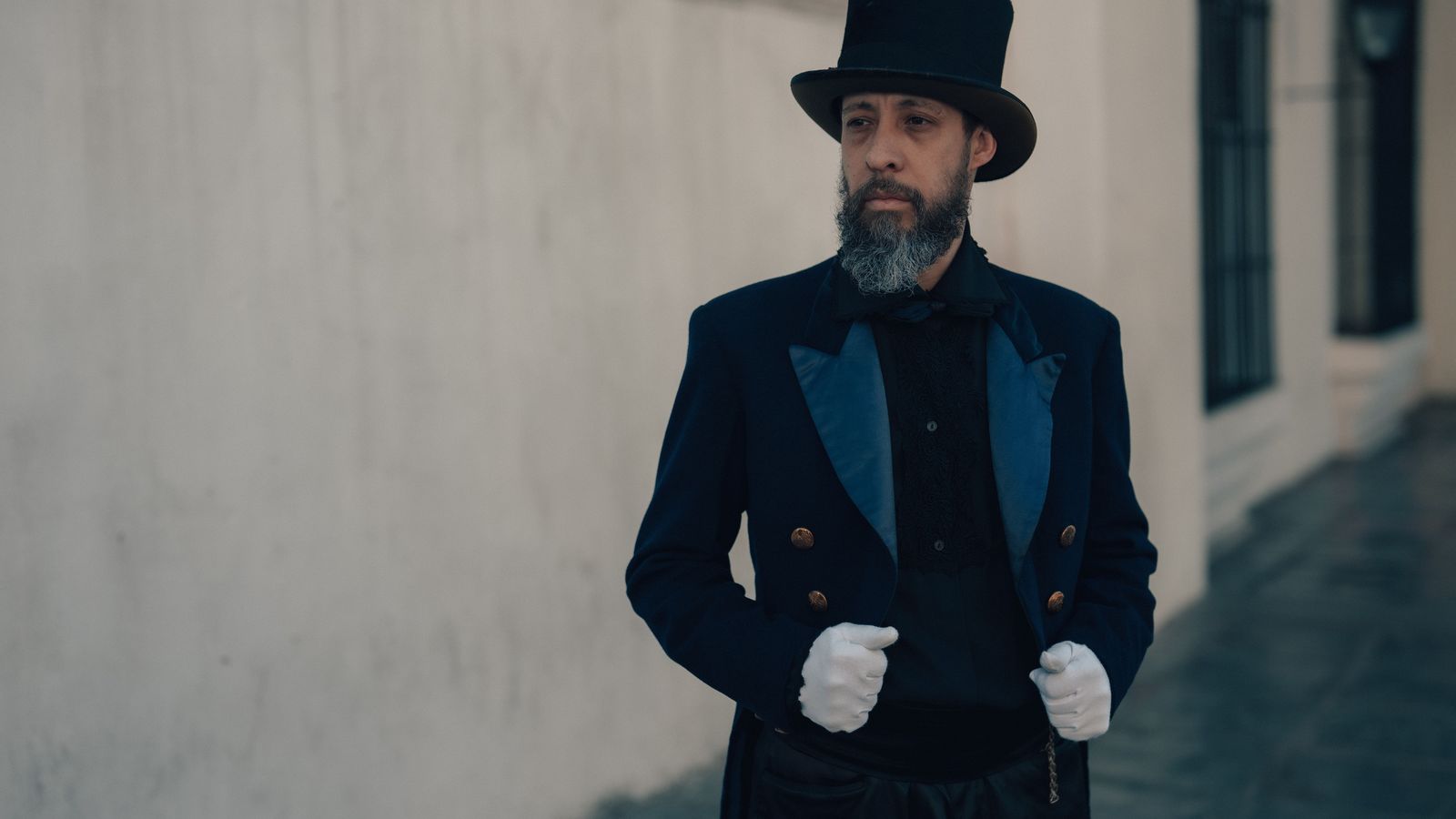
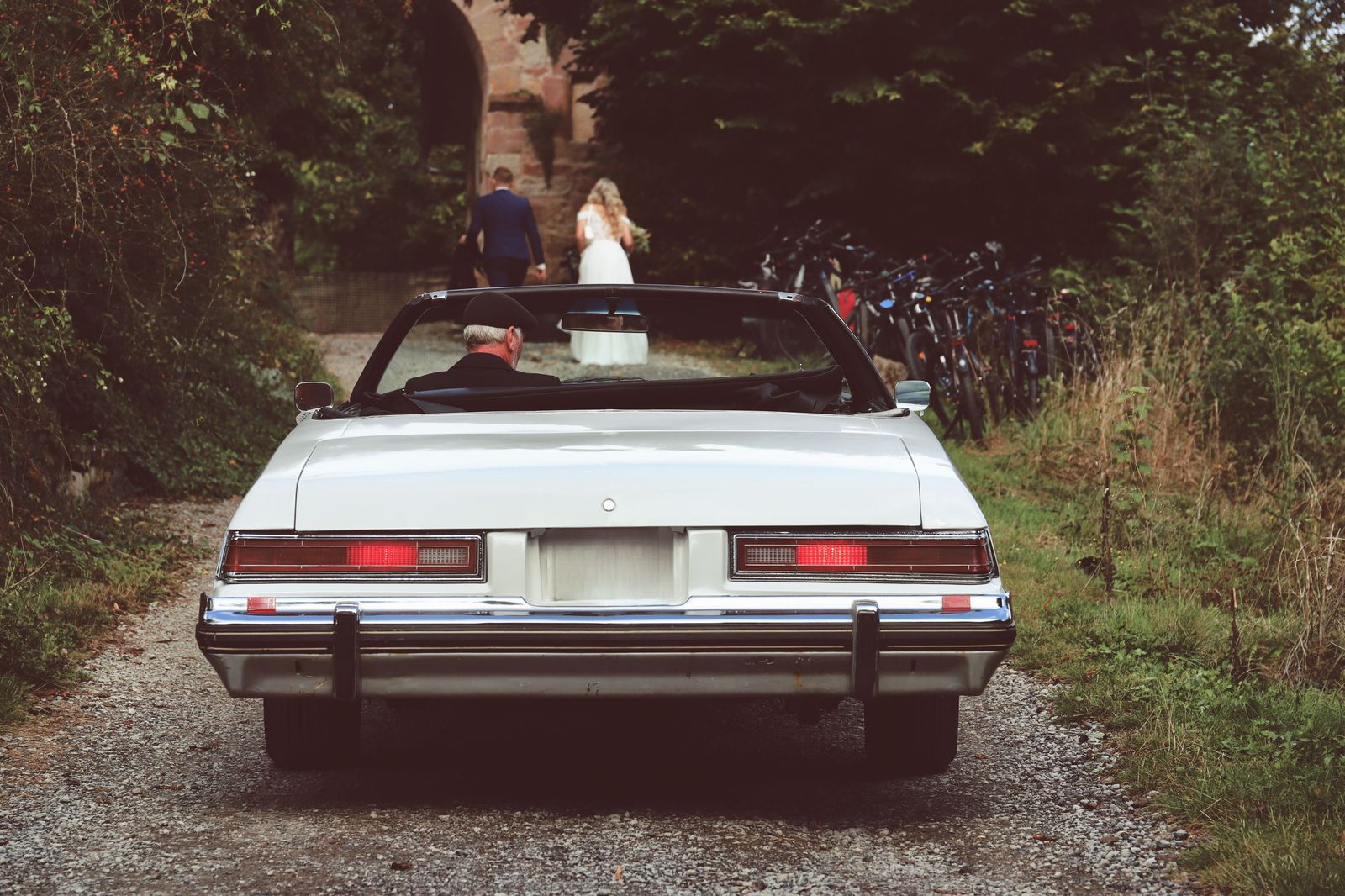
Chauffeurs wear a dark suit, a plain shirt and dark shoes, with a tie for executive and formal work. Winter adds a dark overcoat and gloves. The vehicle is part of presentation: clean inside and out before every trip, no personal items visible, water in the car. For meet and greet, the chauffeur holds a clean printed name board with the name exactly as booked, not a scrawled sheet, and does not display a company name unless the client asks. For weddings and formal events, the dress code can be adjusted on request, within reason.
Confidentiality
Chauffeurs overhear things: deal names, medical appointments, family arguments, the flight a celebrity is on. None of it leaves the car. Chauffeurs agree in writing not to disclose anything about passengers, their conversations or their movements, and not to photograph or post about passengers or their homes. Passenger details are visible to the chauffeur only for the trips they drive. For clients with particular sensitivities, such as protective details, legal teams during a transaction or high-profile guests, dispatch limits the information shared with anyone not directly involved. See VIP and executive protection for arrangements beyond a normal booking.
Punctuality and communication
On time means positioned before the passenger needs the car. For departures, the chauffeur arrives at the pickup a few minutes early and waits; for arrivals, the chauffeur is timed to the actual landing and in place when the passenger comes out. The passenger receives the chauffeur's name, mobile, vehicle and plate before the pickup, and the chauffeur messages when in position. If anything changes, the chauffeur tells dispatch and dispatch tells the passenger, so nobody is left guessing at the curb.
Child seats, accessibility and care
Installing a child seat correctly is a skill, not an assumption. Chauffeurs are trained to install infant, convertible and booster seats following the seat maker's instructions and Ontario's child car seat guidance, and to check the fit before driving. For passengers with reduced mobility, they are trained to offer an arm, fold and stow a wheelchair or walker and allow the time the passenger needs, following the spirit of Ontario's accessibility standards. They ask rather than assume, and they never rush.
How partner operators are held to the standard
Stretch limousines, Rolls-Royce and Maybach cars, party buses and coaches come from partner operators in the LimousineWorldwide.Directory network, and trips in other cities come from network affiliates. Before a partner drives for our clients, we check its municipal and provincial licensing, commercial passenger insurance, vehicle condition and the licences of its drivers, and it agrees in writing to the standard on this page: conduct, presentation, confidentiality, punctuality and communication. LimousineAssociation.International membership commits us and our affiliates to written standards on the same points. Partner chauffeurs report to our dispatch during the trip, and complaints about a partner trip are handled by us.
When something falls short
Chauffeurs are people, and occasionally one gets something wrong. If a chauffeur is late, drives badly, is rude or breaks confidentiality, tell dispatch or write to support with the booking reference. We review the trip record and speak to the chauffeur or the partner, and the outcome ranges from retraining to removal from our work. We tell you what we found and what we did about it, and where the service fell short of what you paid for, we put it right.
Booking a chauffeur for a specific job
Most bookings simply get the next suitable chauffeur. For recurring corporate travellers, weddings, hourly days and VIP guests, you can ask for continuity: the same chauffeur for a series of trips, or a senior chauffeur for an important arrival. Say so at booking or ask your account administrator to add it to a traveller profile. For all-day work, see hourly chauffeur service, and for company travel, see corporate accounts.
Knowing the terminals and the routes
A chauffeur who hesitates at the airport costs the passenger time. Ours know where each part of the job happens at Pearson Terminal 1 and Pearson Terminal 3, how the pickup rules and waiting areas work, and what to do when a flight lands at the other terminal from the one booked. The same applies to the drives themselves: the Pearson to downtown run via the 427 and Gardiner or the 401 and DVP, the QEW to Niagara, the 400 north to Barrie and Muskoka. Route knowledge is taught, tested on ride-alongs and kept current by dispatch notes on closures and construction.
Meet and greet, done properly
When a passenger books meet and greet, the chauffeur parks, walks into the arrivals hall and waits where arriving passengers exit, holding the name board. The chauffeur watches the flight status, not the clock, and messages the passenger on landing so they know where to look. If the passenger needs the washroom, a currency exchange or a coffee first, the chauffeur waits. Luggage is taken as soon as the passenger is ready, and the walk to the car is at the passenger's pace, which matters with children or after a long-haul flight.
Vehicle checks before every shift
The chauffeur is also the first inspector. Before each shift, chauffeurs walk round the vehicle: tires, lights, wipers, washer fluid, cleanliness, water and charging cables, child seats if booked. Anything wrong is reported to dispatch before the first pickup, not discovered at the curb.