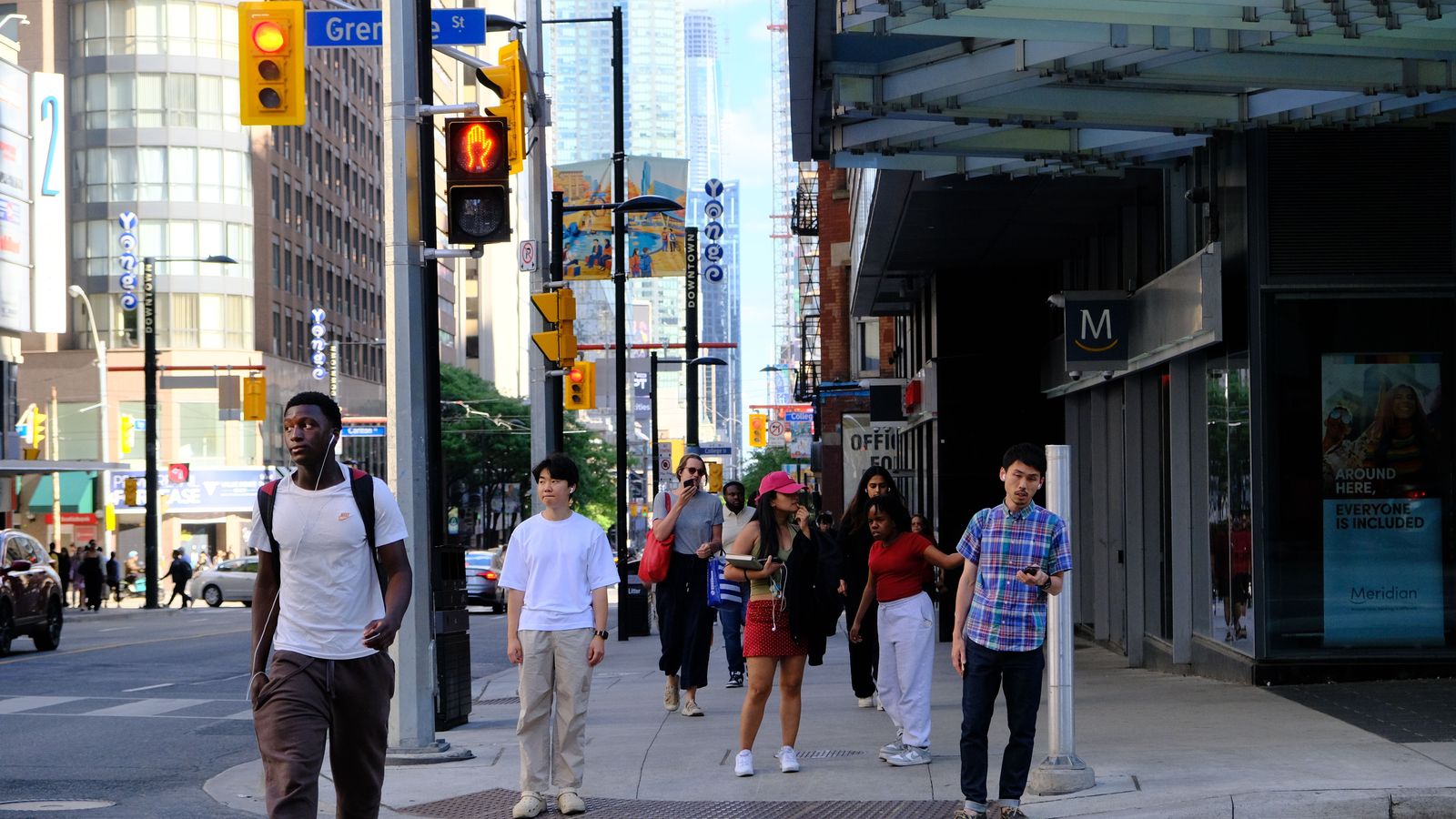














For a first visit to Toronto, stay downtown or in Yorkville, use the TTC subway and streetcars or walk for short trips, and plan around the season: humid summers, colourful autumns and snowy winters. Tip 15 to 20 % in restaurants, pay by card almost everywhere, and book a fixed-fare airport transfer so the first hour after landing is the easy part.
A first-time visitor's guide to Toronto: the essentials
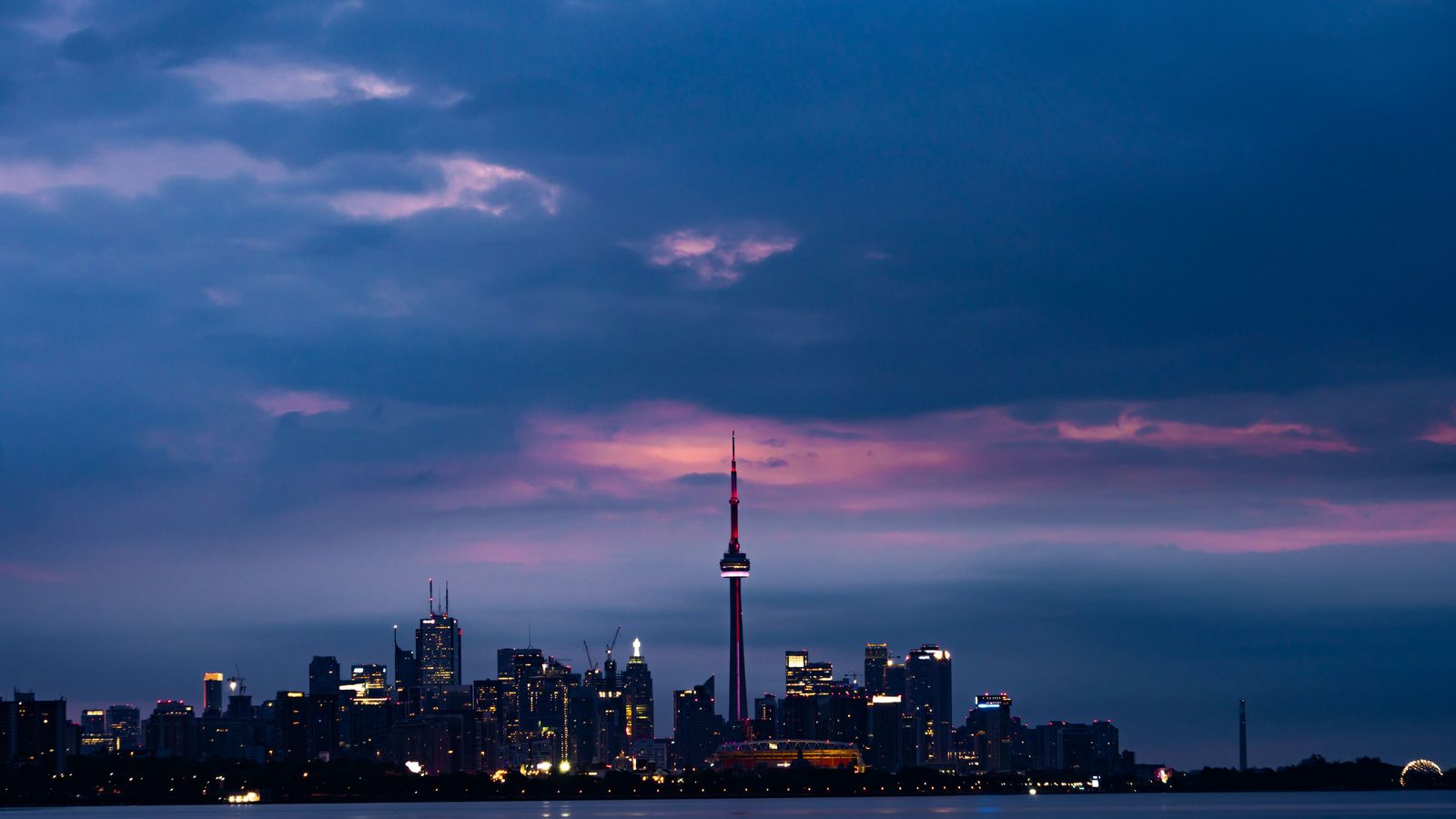
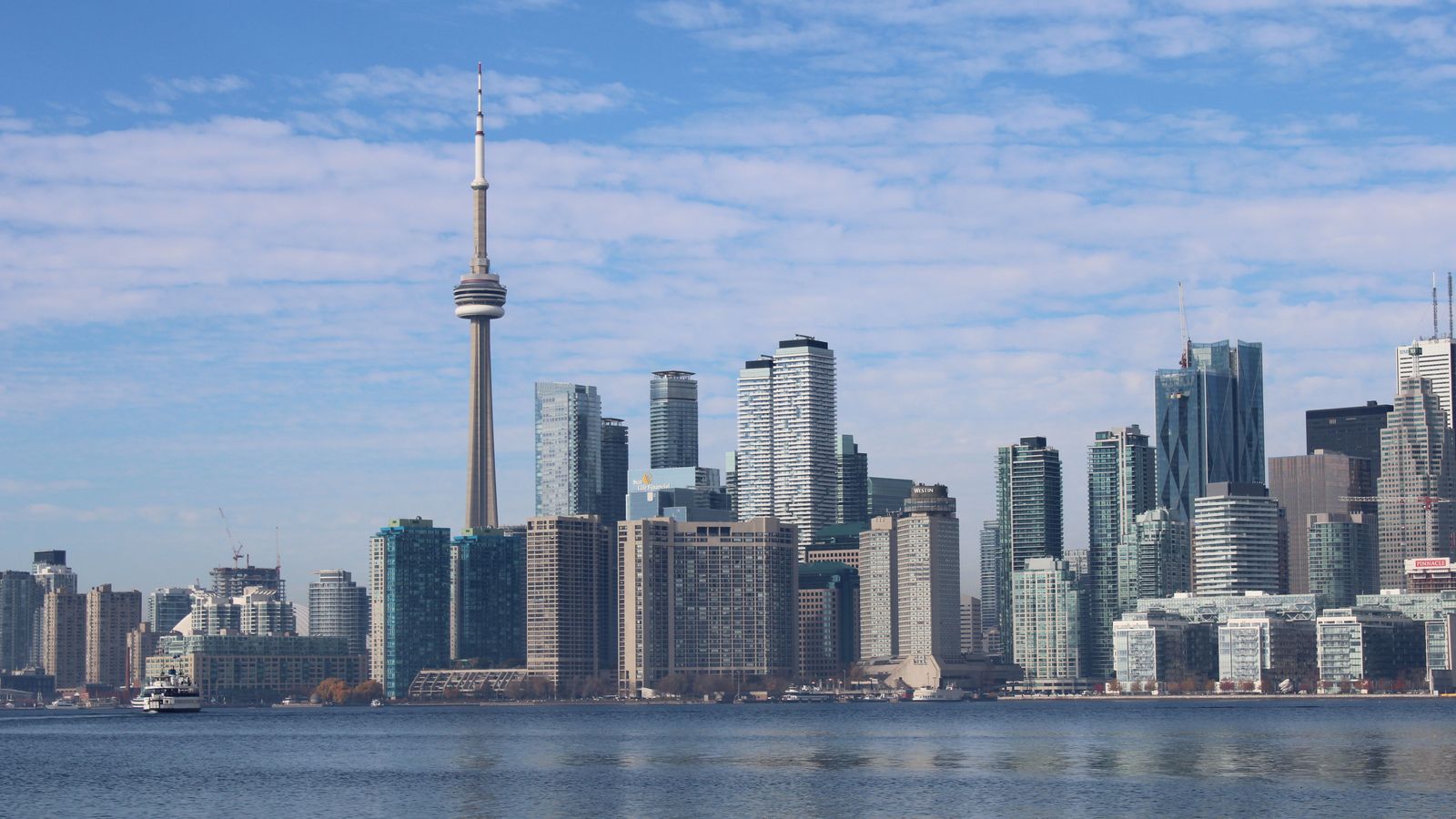
Toronto is Canada's largest city and one of the most diverse in the world, spread along the north shore of Lake Ontario. For a visitor, it breaks down into a compact, walkable downtown with most of the big sights, a ring of lively neighbourhoods reachable by subway and streetcar, and a wider region of suburbs that stretches to Mississauga, Vaughan, Markham and beyond. Toronto Pearson (YYZ) is in Mississauga, about 27 kilometres from downtown; Billy Bishop (YTZ), the island airport, is right on the downtown waterfront. The official tourism organisation, Destination Toronto, is a good place to check what is on during your dates. This guide covers what first-timers actually ask our chauffeurs.
Getting from the airport to your hotel
From Pearson, you have four honest choices. UP Express trains run from Terminal 1 to Union Station in about 25 minutes, roughly every 15 minutes, and suit light travellers staying near Union (UP Express). TTC buses, including the 900 Airport Express from Kipling station, are the cheapest option. Taxis and limos from the airport stands charge flat zone rates. A pre-booked chauffeur from TorontoAirportTransfer.services meets your flight, waits through customs and drives you to the hotel door for a fixed all-in fare; planning figure $130 to $160 to downtown in a business sedan, plus HST. Our Pearson to downtown Toronto route and limo vs Uber vs taxi vs UP Express guide compare them in detail.
Where to stay: downtown and the Entertainment District
For most first visits, stay downtown between Union Station and Queen Street. The Financial District around King and Bay is business-focused and quiet at weekends; the Entertainment District around King West and John Street puts you near theatres, the Rogers Centre, the CN Tower and dozens of restaurants. Hotels near Union Station make the UP Express and GO trains easy. The waterfront hotels near Harbourfront Centre are good in summer for lake views and the ferry to the islands. Traffic downtown is heavy at rush hour, so if you are being collected for an early flight, we suggest a pickup of about 3 hours before a domestic flight.
Neighbourhoods worth an afternoon
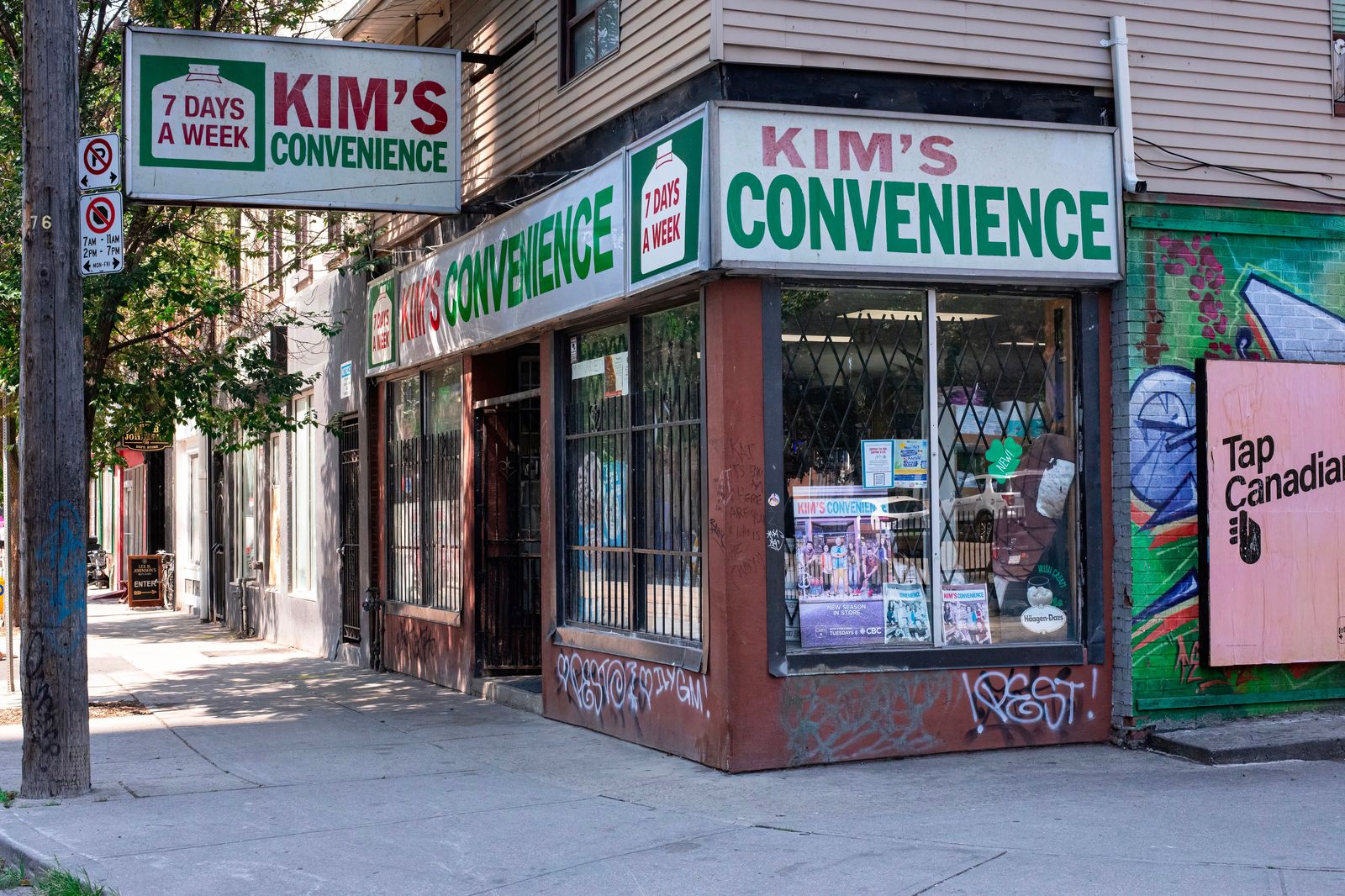
Yorkville is upscale shopping and galleries next to the Royal Ontario Museum. Kensington Market and Chinatown, just west of Spadina, are the most colourful blocks in the city, with vintage shops, cafés and cheap eats. Queen Street West runs through independent boutiques to Trinity Bellwoods Park. The Distillery District has restored Victorian industrial buildings, galleries and a famous winter market. Little Italy on College Street, Greektown on the Danforth and Leslieville in the east are neighbourhood strips locals actually use. In summer, the Beaches has a long boardwalk. Each is 10 to 25 minutes from downtown by streetcar or subway.
Toronto weather by season
Toronto has four distinct seasons. Winter (December to March) is cold, often around minus 5 to minus 10 degrees Celsius with wind chill making it feel colder, and snowfalls that can close lanes on the highways. Spring (April and May) is changeable, from cold rain to warm sunshine within a week. Summer (June to August) is warm to hot and often humid, with highs commonly in the high 20s and thunderstorms. Autumn (September to November) is many visitors' favourite, with crisp days and bright leaves in October. Check Environment Canada before packing. In winter, a warm coat, hat, gloves and waterproof boots are not optional.
Getting around the city
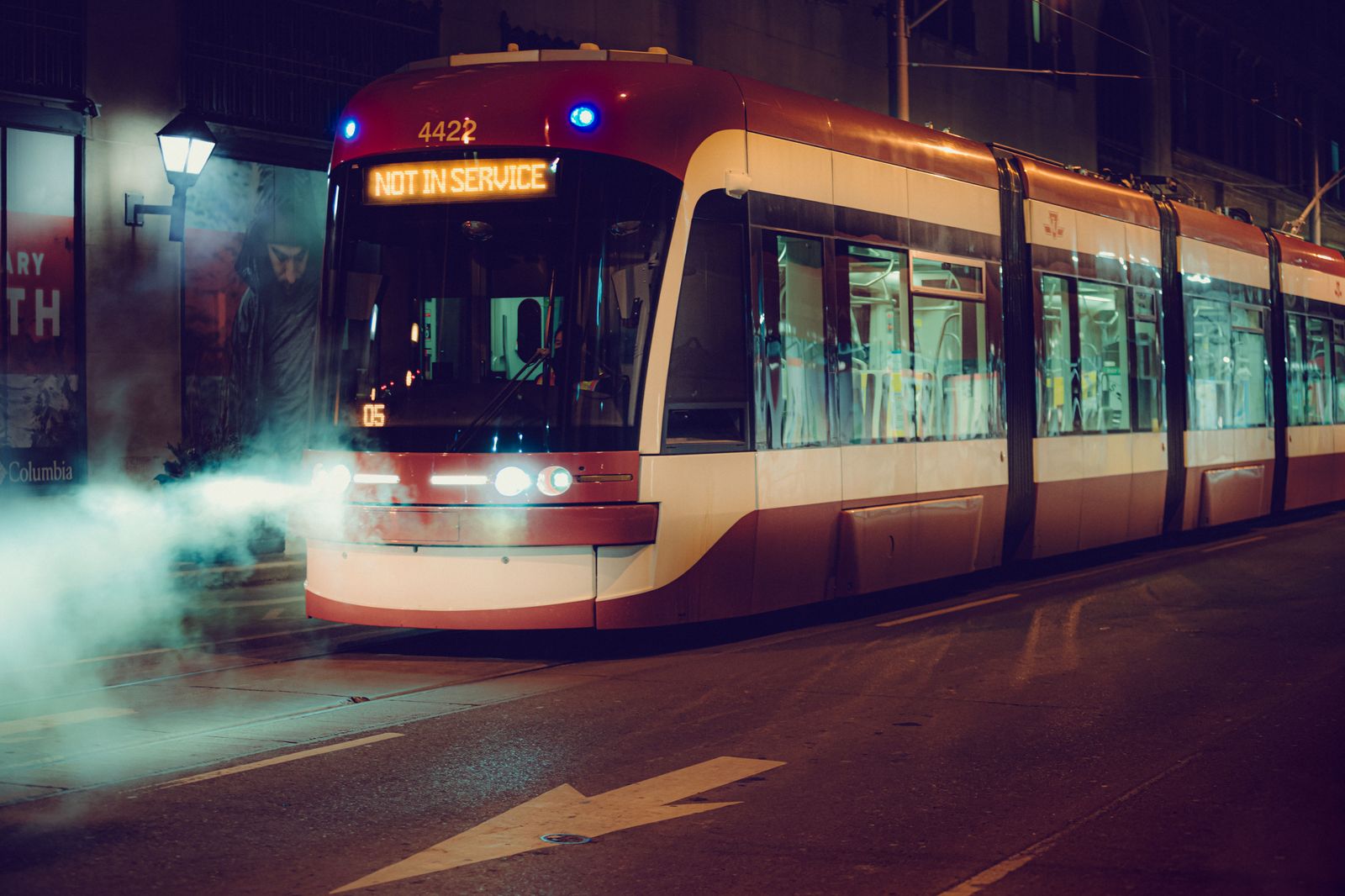
The TTC runs the subway, streetcars and buses. Line 1 (Yonge-University) forms a U through downtown to Union Station, and Line 2 (Bloor-Danforth) crosses the city east to west. Streetcars on King, Queen, College, Spadina and other routes reach most neighbourhoods. You can pay by tapping a credit or debit card or a PRESTO card at the fare readers; see the TTC website for current fares. Walking is often quicker than transit within the downtown core, and the PATH underground network links many downtown towers, shops and Union Station out of the winter weather. For day trips, GO trains run to Niagara Falls in summer and to many GTA towns year-round.
Safety for visitors
Toronto is generally a safe city for visitors, and the areas most tourists spend time in are busy late into the evening. Use normal big-city sense: keep phones and wallets secure on crowded streetcars and in the Eaton Centre, stay aware on quiet streets late at night, and use licensed transport. At the airport, never accept a ride from someone who approaches you inside the terminal offering a car; use the taxi stands, the rideshare zones or your pre-booked chauffeur. Emergency services are reached on 911. In winter, the biggest everyday risk is ice on sidewalks, so choose footwear with grip.
Money, prices and sales tax
Canada uses the Canadian dollar. Cards, including contactless, are accepted almost everywhere, from coffee shops to taxis, and many places are card-only. Keep a little cash for small market stalls. Shelf prices in Ontario do not include sales tax; the 13 % Harmonized Sales Tax (HST) is added at the till, which surprises many visitors. Our transfer fares work the same way: the fixed all-in fare is shown before you confirm, with HST displayed separately. Currency exchange at the airport is convenient but usually more expensive than withdrawing cash from a bank machine in the city.
Tipping in Toronto
Tipping is expected for table service in restaurants and bars, usually 15 to 20 % of the pre-tax bill; card machines suggest percentages, and some calculate on the total including tax, so check which you are selecting. Hotel porters commonly receive a few dollars per bag, housekeeping a few dollars per night, and hairdressers and spa staff 15 to 20 %. Taxi and rideshare drivers are often tipped around 10 to 15 %. With TorontoAirportTransfer.services, gratuity is already included in the fare, so there is nothing to calculate at the end of the ride. Our chauffeur tipping and etiquette guide covers the details.
Top sights for a first visit
- The CN Tower for the view from the observation levels; book a timed ticket on the official CN Tower site.
- Ripley's Aquarium of Canada, next door, popular with families.
- The Royal Ontario Museum for natural history and world cultures.
- The Art Gallery of Ontario for Canadian and international art.
- Casa Loma, a castle-style mansion on the hill above midtown.
- St. Lawrence Market for food stalls and peameal bacon sandwiches.
- The Toronto Islands by ferry for beaches and skyline views.
- The Hockey Hall of Fame for anyone who follows the sport.
Day trips beyond the city
The most popular day trip is Niagara Falls, about 90 minutes to two hours by road, often combined with Niagara-on-the-Lake and its wineries. Our Toronto to Niagara Falls guide compares train, bus, tour and private car. Canada's Wonderland in Vaughan is the big theme park in summer, Toronto Zoo is in the east end, and shoppers head to Toronto Premium Outlets in Halton Hills. In summer and autumn, Muskoka and Blue Mountain offer lakes and hills a few hours north.
Festivals, sport and events
Toronto's calendar is full. September brings TIFF, the Toronto International Film Festival; summer has Pride, the Toronto Caribbean Carnival, the CNE and the Honda Indy; and autumn and winter bring the Royal Agricultural Winter Fair, Nuit Blanche and the Canadian International AutoShow in early in the year. The Maple Leafs, Raptors, Blue Jays, TFC and Argonauts all play downtown. Dates move each year, so always check the organiser's official site. Our Toronto events calendar and pages such as TIFF explain what each event means for traffic and hotel pickups.
Food and drink for first-timers
Toronto's food scene reflects its population. Try dim sum in Chinatown or the northern suburbs, Caribbean roti, Portuguese custard tarts in Little Portugal, Korean barbecue on Bloor, and a peameal bacon sandwich at St. Lawrence Market. Reservations help for popular restaurants from Thursday to Saturday. Alcohol is sold in licensed restaurants and bars and in approved retail outlets; the legal drinking age in Ontario is 19. Summerlicious and Winterlicious offer prix-fixe menus at many restaurants and are worth planning around if your dates overlap.
Accessibility and families
Most TTC subway stations have elevators, and all streetcars and buses in service are low-floor or accessible, though elevator outages do happen, so check the TTC service alerts. Major attractions, museums and the PATH are largely accessible. For families, strollers are welcome on transit outside rush hour, and many attractions offer family tickets. If you need a car seat for the airport ride, add it at booking through our child car seat transfers; Ontario's car-seat rules exempt taxis and buses for hire, but we fit a proper seat for every child who needs one.
Booking your airport transfer
Book your arrival and your departure together and the second ride is already arranged when you are packing. The reservation engine shows a fixed all-in fare before you confirm: chauffeur, vehicle, fuel, airport fees, 407 tolls if used and gratuity included, HST shown separately. International arrivals from outside the US include 60 minutes of waiting from actual landing; flights from the US include 30. Browse the fleet and rates and, if you want a local to meet you inside the terminal, add meet and greet.
Useful practicalities
Canada uses North American plugs and sockets (types A and B) at 120 volts, so visitors from Europe, the UK, Asia and Australia need an adapter and should check that chargers accept 120 V. Tap water in Toronto is safe to drink. Free public Wi-Fi is available at both Pearson terminals, in many cafés and in the PATH; if you are staying more than a few days, a local eSIM or SIM card is usually cheaper than roaming. Emergency medical care is available at hospital emergency departments, but visitors should carry travel health insurance because treatment for non-residents is billed. Most shops open daily, with shorter hours on Sundays and some public holidays such as Christmas Day.
Getting around by car or with a chauffeur
Driving in downtown Toronto is slow, parking is expensive, and streetcar tracks and one-way streets confuse newcomers, so most visitors do not rent a car for the city itself. For a day in the city with several stops, an hourly chauffeur service or a private Toronto city tour lets you see more without worrying about parking. The planning figure for a sedan is $130 to $150 an hour with a three-hour minimum. For a day trip to the falls, our Niagara Falls tours from Toronto are fixed-price with a chauffeur who waits while you explore.