












From Toronto Pearson to downtown, UP Express is the fastest fixed-time option during its operating hours: about 25-28 minutes from Terminal 1 to Union Station. A car takes 25 minutes overnight and 45-70 minutes in weekday rush hour. For two or more travellers with luggage, or after the trains stop, a fixed-fare private car ($130-160 planning figure, sedan, plus HST) is usually the better buy.
Every guide to the Toronto Pearson to downtown trip lists the same five modes. What they rarely say is that the right answer depends on when you land. Our Pearson to downtown Toronto car service page covers fares, pickup points and vehicles; this post takes a different cut and walks through a real day, block by block, the way our dispatch desk plans it.
Toronto Pearson to downtown: the options on the table
There are five realistic ways to cover the roughly 27 km between the airport and the core:
- UP Express from Pearson Station (Terminal 1) to Union Station, with stops at Weston, Mount Dennis and Bloor. The operator advertises the full run at 28 minutes.
- TTC buses: the 900 Airport Express to Kipling Station on Line 2, then the subway; overnight, the 300A and 334A.
- Pearson's stand taxis and limos, charged at a flat zone rate from the curb.
- Rideshare, picked up at the designated zones at the terminal doors.
- A pre-booked chauffeur, like TorontoAirportTransfer.services, meeting you at the commercial pickup area at a fixed fare.
None of them is best all day. Below is the hour-by-hour view.
5 a.m. to 7 a.m.: the red-eye window
Overnight flights from Vancouver, Calgary and the Caribbean often land between 5 and 7 a.m. The highways are nearly empty and a car reaches a King Street hotel in about 25-30 minutes. UP Express starts running in the early morning, and the TTC 900 starts around 5:30 a.m. on weekdays, per the TTC's airport page.
If you are alone with a carry-on and your hotel is near Union, the train is hard to beat. If you have checked bags, a child asleep on your shoulder, or a hotel in Yorkville or Liberty Village, the car wins because nobody has to navigate Union Station's concourses half-awake. Many hotels will not let you check in before mid-afternoon anyway, so some red-eye passengers book a car to breakfast first and leave bags with the concierge.
7 a.m. to 9:30 a.m.: the inbound rush
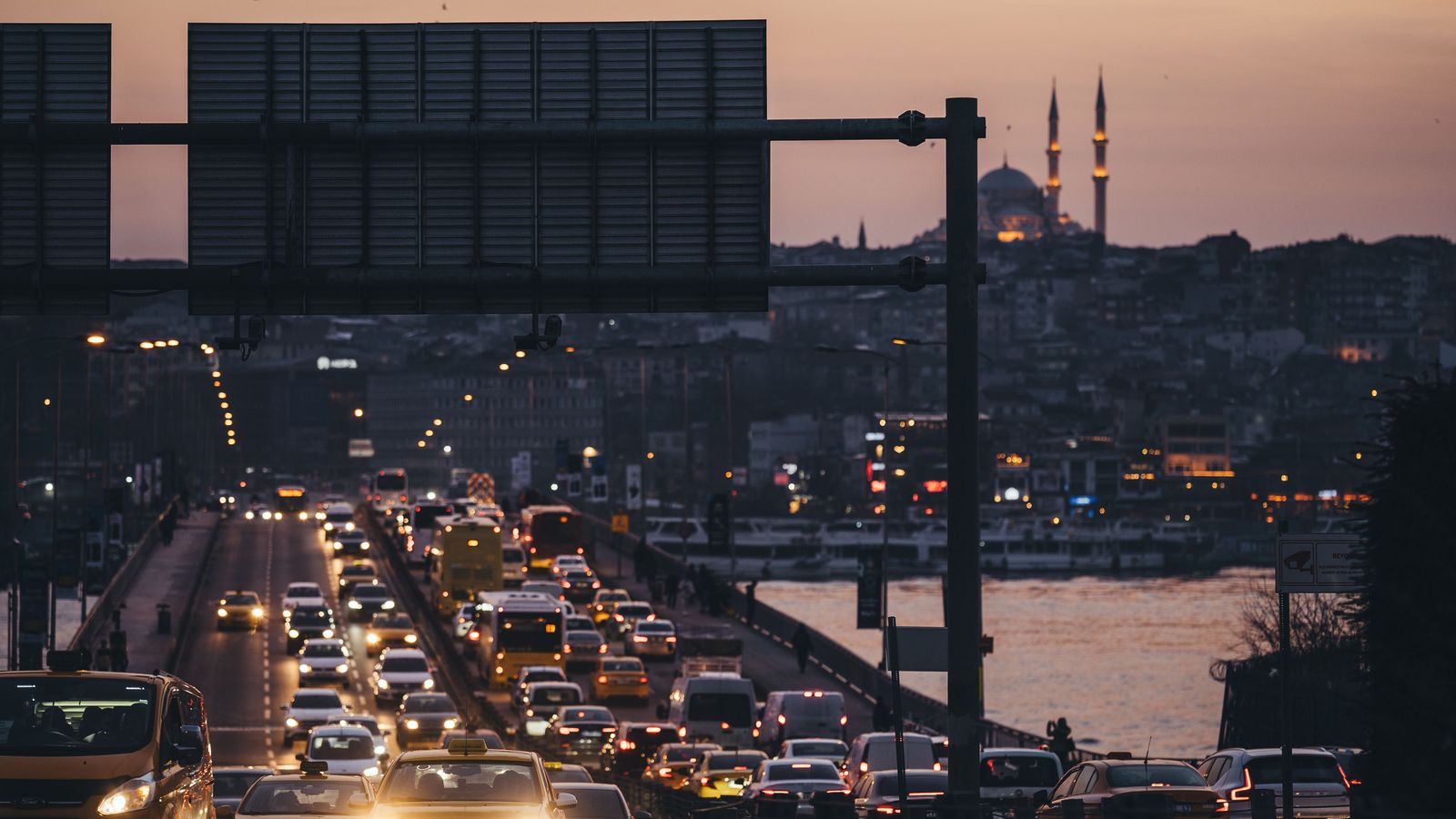
This is when the train earns its reputation. Traffic into the core builds on the 427 and the eastbound Gardiner, and a car that would take 25 minutes at 5 a.m. can take 50-70 minutes at 8:15. A rideshare fare usually rises with demand at the same time, while a stand taxi's zone rate and our fixed fare do not.
Our advice for a solo business traveller with a 9:30 meeting at King and Bay: take UP Express and walk from Union. For a team of four with sample cases, a van at a fixed fare still makes sense, because four train tickets plus a cab from Union to a Front Street hotel narrow the gap, and the group stays together.
9:30 a.m. to 3 p.m.: the midday sweet spot
Late morning is the easiest time to travel into the city by road. The drive typically runs 30-40 minutes, and the price gap between options is at its narrowest because rideshare pricing is usually calm. This is the window where a family visiting relatives in the Annex or a couple heading to a boutique hotel on Queen West should compare door-to-door time, not just the fare.
The train is 28 minutes Pearson to Union, but the true door-to-door time includes the walk to Pearson Station in Terminal 1 (or the Terminal Link ride from Terminal 3), the wait for the next departure, and the final leg from Union. For many downtown addresses that adds 20-30 minutes.
3 p.m. to 7 p.m.: the outbound crush and why it still matters inbound
Evening rush mostly slows traffic leaving downtown, but the approaches around the 427 and 401 interchanges clog in both directions and the Gardiner often backs up near the Jameson and Spadina ramps. Expect 45-70 minutes by car. The train timing does not change.
If you land at 5 p.m. with a 7 p.m. dinner reservation downtown, the train and a short walk is the safer bet. If you land at 5 p.m. and your plan is simply to reach your hotel and rest, the car's extra 20 minutes on the road matters less than not carrying bags through the PATH.
7 p.m. to midnight: the relaxed evening
Traffic clears after 7 p.m. and a car usually reaches the core in 30-35 minutes. Evening arrivals are when meet and greet is most appreciated by first-time visitors, because the arrivals hall is busy with transatlantic banks. With a booked car, flight tracking handles delays and your included waiting runs from the actual landing: 60 minutes for international arrivals and 30 for Canadian and US.
On nights with a Leafs or Raptors game, a concert at Scotiabank Arena or a big convention, the streets around Union and the Entertainment District slow down. Chauffeurs approach hotels on Front and Wellington from the west or north to avoid the worst of it.
After midnight: the thin hours
After midnight the transit picture changes. UP Express does not run through the small hours, and once the subway closes the TTC falls back to its overnight network (see our separate post on getting from Toronto airport to downtown late at night). The overnight 300A takes about an hour to reach the Bloor-Yonge area.
For most people landing after midnight, the realistic choice is a stand taxi, a rideshare, or a booked car. The drive is at its fastest, often 25 minutes to downtown, and the question becomes which pricing model you prefer.
The comparison table
| Time you land | UP Express | TTC | Taxi / rideshare | Booked private car |
|---|---|---|---|---|
| 5-7 a.m. | Good if light | 900 from about 5:30 | Fast, calm prices | 25-30 min, fixed fare |
| 7-9:30 a.m. | Best for solo travellers | Slow with bags | Rideshare often surges | 50-70 min, same fare |
| 9:30 a.m.-3 p.m. | Good | Workable | Cheapest window | 30-40 min |
| 3-7 p.m. | Best for a deadline | Slow | Meter or surge risk | 45-70 min |
| 7 p.m.-midnight | Good | Workable | Calm | 30-35 min |
| After midnight | Not running | Overnight buses only | Stand or app | 25 min, fixed fare |
Times are typical car times to a downtown hotel, not guarantees. For the train, check the UP Express timetable on your travel date.
How winter and long weekends shift the picture
Snow changes the order of the table. On a storm day the train keeps close to its advertised time while the Gardiner and the 427 can double their normal drive times, so a solo traveller should lean even harder towards UP Express. Families still tend to prefer a car in winter, because dragging suitcases through slush from Union to a hotel is miserable, but they should expect a slower ride and pack patience. Chauffeurs check Ontario 511 before leaving the airport and pick between the 427-Gardiner route and the 401-DVP route based on live closures. On the Friday of a long weekend, outbound traffic is heavy from about 2 p.m., which matters more for your return trip to Pearson than for the ride in.
What does each option cost to downtown?
For the train, check the official fare page on the day you travel. Pearson's stand taxis charge a flat zone rate with taxes included; the airport publishes current zones on its ground transportation pages. Rideshare prices are set when you request. A TorontoAirportTransfer.services business sedan to or from downtown is a $130-160 planning figure, all-in (chauffeur, fuel, airport fees, 407 tolls if used and gratuity), plus HST; an executive SUV runs about 25-30 % more. The reservation engine quotes the exact address, date and vehicle before you confirm, and our taxi fare guide lays the pricing systems side by side.
Four travellers, four right answers
- Solo consultant, carry-on only, lands 8 a.m. on a Tuesday: UP Express, then walk. Fastest and cheapest.
- Family of five with six suitcases and a toddler, lands 2 p.m.: a booked executive SUV with a car seat fitted in advance. Two stand taxis would cost more and split the family.
- Elderly parent flying in alone from Delhi, lands 9 p.m.: a booked car with meet and greet so someone is waiting inside the arrivals hall with a name board.
- Student with one big bag, lands 12:45 a.m.: a stand taxi or rideshare is the sensible budget choice.
Mistakes we see every week
- Timing the train from the wrong terminal. UP Express leaves from Terminal 1. From Terminal 3 you ride the free Terminal Link first. Check your terminal with our terminal finder.
- Forgetting Union is huge. Union Station to a hotel on Bloor or in the Distillery District is not a short walk with suitcases.
- Booking a car for the scheduled landing time. Always give the flight number, so the pickup moves with the real landing.
- Comparing a tip-free fare with a tip-included one. Our fares include gratuity; most others do not.
When a private car is simply the better tool
A car is worth it when the value is in the door-to-door experience rather than the kilometres: late arrivals, three or more passengers, children who need seats, mobility needs, heavy luggage, meetings where you need to take calls in the back seat, or an onward trip to a second stop. It is also the right tool when the airport itself is disrupted, because a chauffeur tracking your flight adapts to a gate change or a two-hour delay without you rebooking anything.
When none of that applies, take the train and save the money. We would rather you trust the advice and book us when it makes sense.
How to book the car if you decide on one
Enter the flight number, the downtown address and the passenger and bag count on the reservation page. The fare shown is the fare you pay. Choose curbside pickup (included) or add meet and greet. Changes are free more than 72 hours out; the sitewide cancellation terms apply after that.