












You cannot travel from Toronto to Niagara Falls by boat on a scheduled service today. There is no passenger ferry across Lake Ontario; the last regular steamer, the Cayuga, stopped sailing in 1957. The realistic options are a private yacht or boat charter to Niagara-on-the-Lake, then a 25-minute drive to the Falls, or driving there and taking the boat tours into the mist.
Across the lake, Niagara is only about 50 km from Toronto's harbour, so the question is a fair one. The honest answer is that the water route now exists only as a private charter or as the boats you board once you arrive. If your aim is a day in Niagara-on-the-Lake and wine country, the road does the heavy lifting; below is how the water can still play a part.
Toronto to Niagara Falls by boat: the short answer
There is no ferry, hydrofoil or water taxi from Toronto to Niagara on a timetable. There is no car ferry either, which is why the road goes all the way round the lake through Hamilton. What you can do:
- Charter a private boat from a Toronto marina to Niagara-on-the-Lake, weather permitting.
- Sail your own boat to the Niagara River mouth if you are an experienced lake sailor.
- Drive or take the train, then ride the boats at the Falls and on the lower Niagara River.
- Take a Toronto harbour cruise for the lake views and do Niagara by road on another day.
The history: when steamers sailed to Niagara
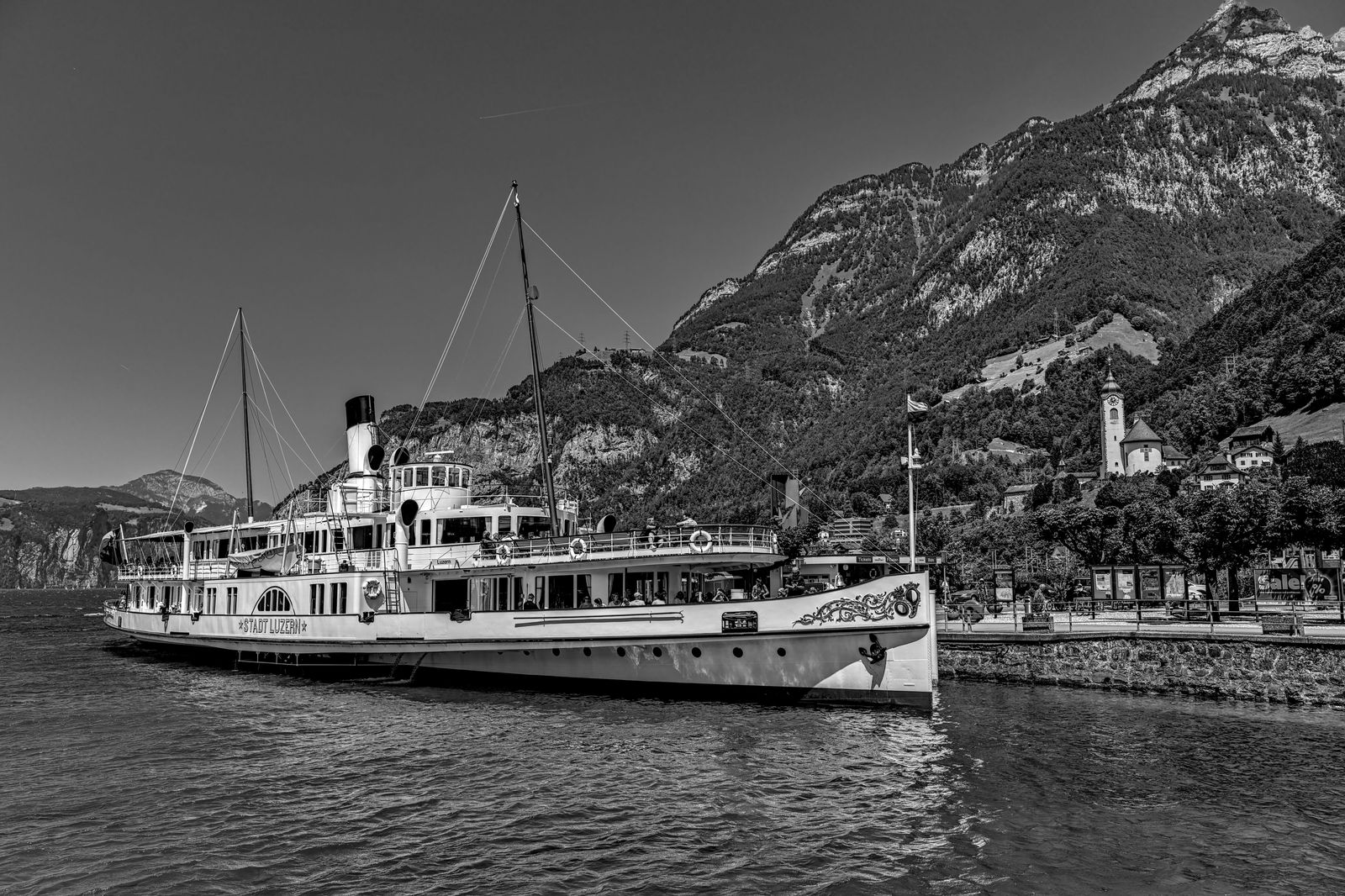
For more than half a century, the lake crossing was how Torontonians got to Niagara. Steamships left the foot of York Street for Niagara-on-the-Lake, Queenston and Lewiston, New York, where passengers connected with electric railways up the gorge to the Falls. The best remembered, the Cayuga, was launched in 1906, could carry about 2,500 passengers, and made her last sailing on 3 September 1957. Highways, cars and the new QEW made the long trip round the lake faster and cheaper, and the steamer era ended. The Niagara-on-the-Lake Museum keeps the story alive with photographs of the docks at Queenston and the old town.
Why there is no ferry today
A lake ferry has to beat the car on time and price, and fight the weather. Lake Ontario is big water: summer afternoons often bring a chop that makes a small fast boat uncomfortable, and from late autumn to spring the crossing is rough and cold. Any service needs docks, terminals and, for passengers heading to the United States, border facilities. Ideas for a fast passenger ferry to Niagara have come up over the years, but none operates today. The nearest precedent, a high-speed ferry between Toronto and Rochester, New York, ran for only two seasons in the mid-2000s before it was withdrawn.
A private charter to Niagara-on-the-Lake: how it works
Several Toronto charter operators and private captains will take a group across the lake in summer. The usual plan: board at a downtown or Etobicoke marina, cross to the mouth of the Niagara River, and tie up at a marina in Niagara-on-the-Lake. From there, a car takes you the last 20 to 25 minutes along the Niagara Parkway to the Falls, or straight to a winery. The charter operator sets the price, route, capacity and weather rules; you are booking a boat, not a ferry seat, so the whole vessel is yours for the day.
How long does a boat take across Lake Ontario?
It depends entirely on the boat and the conditions:
| Vessel | Typical cruising speed | Approx. crossing time, Toronto to Niagara River mouth |
|---|---|---|
| Fast powerboat or sport yacht | 20-30 knots | 1-1.5 hours in calm water |
| Motor cruiser | 12-18 knots | 1.5-2.5 hours |
| Sailboat | 5-7 knots | 4-6 hours, wind permitting |
| Large chartered cruise vessel | 8-12 knots | 2.5-3.5 hours |
These are planning ranges for a crossing of roughly 50 km. Rough water slows every boat, and a captain may turn back or not leave at all.
Weather: the reason charters get cancelled
Lake Ontario's weather changes quickly. Westerly winds can build waves across the open lake by early afternoon, and fog occasionally sits on the water in spring and early summer. A responsible captain checks the marine forecast, and cancellations for weather are normal, not a failure. Build a backup plan: if the boat cannot go, the same day works by road, about 90 minutes to Niagara-on-the-Lake. The Environment Canada weather service publishes marine forecasts for the lake that are worth reading the night before.
Borders on the water
The Canada-US border runs through Lake Ontario, and the eastern bank of the Niagara River at its mouth is New York State. A charter to a Canadian marina at Niagara-on-the-Lake is a domestic trip, but if the boat lands on the American side, or passengers want to visit Lewiston or Youngstown, border reporting rules apply to everyone on board. Captains handle this routinely; tell them your plans in advance. The Canada Border Services Agency publishes the rules for private boaters.
Pairing a charter with a car
Because the boat lands in Niagara-on-the-Lake, not at the Falls, every water trip needs a road leg. A chauffeured car can meet the boat at the marina, carry bags, and run the Niagara Parkway to Table Rock, a winery or a hotel. The most popular pattern is boat out, car home: a morning crossing in calm water and a relaxed evening drive back to Toronto, about 90 minutes once the rush has passed. Book the car for the marina address with a flexible time; the chauffeur tracks the boat's arrival by phone with the group.
The boats at the Falls
Once you are there, Niagara has several boat experiences, all reached by road:
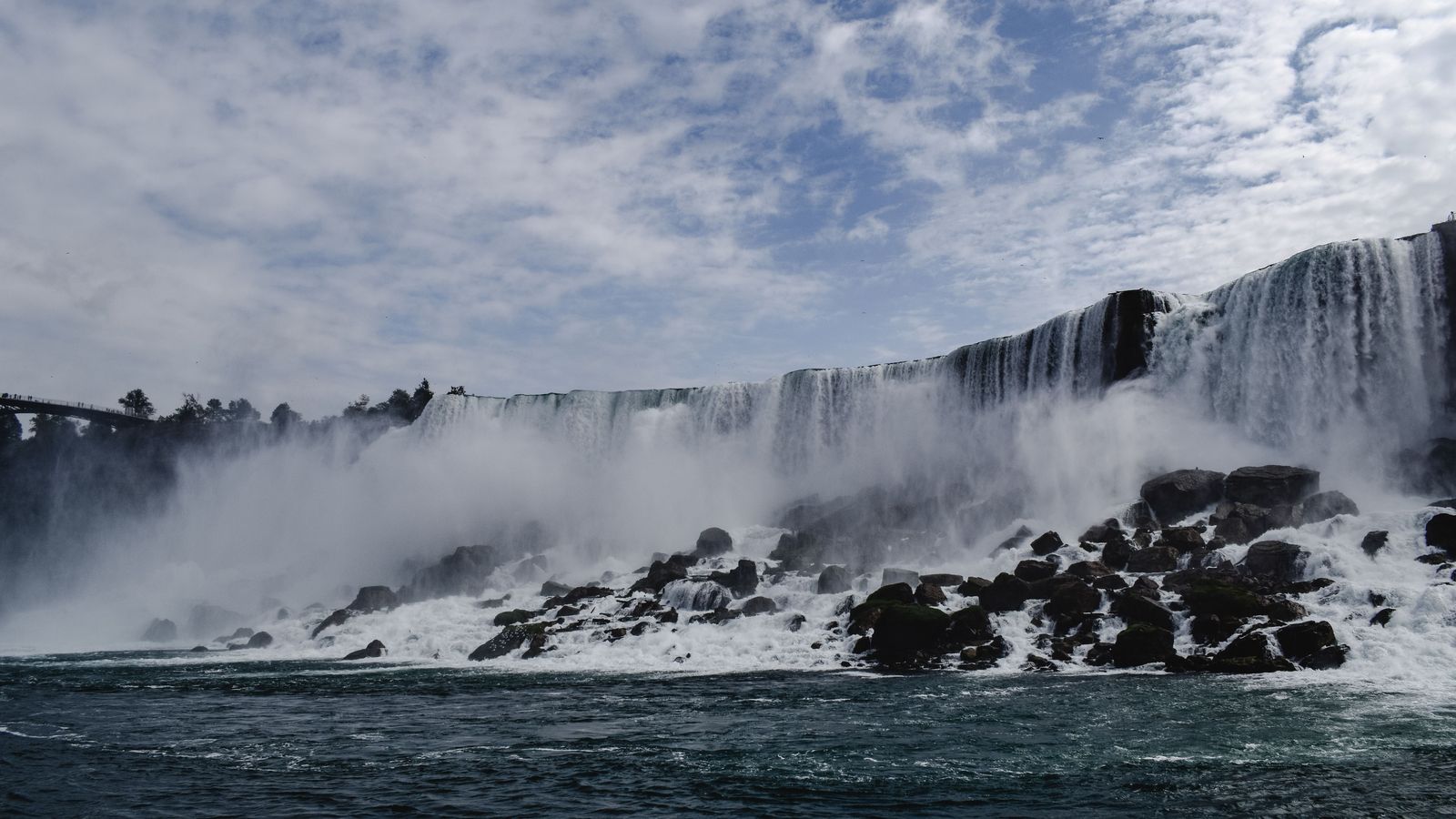
- The Horseshoe Falls boat tour from the Canadian side, run by Niagara City Cruises, goes into the mist below the falls in the warmer months.
- Maid of the Mist runs the equivalent tour from the American side, inside Niagara Falls State Park.
- Jet-boat tours run on the lower Niagara River below the gorge in season, a wet, fast ride through the rapids.
These are the boat rides most people actually mean when they imagine Niagara by water.
Watching ships on the Welland Canal
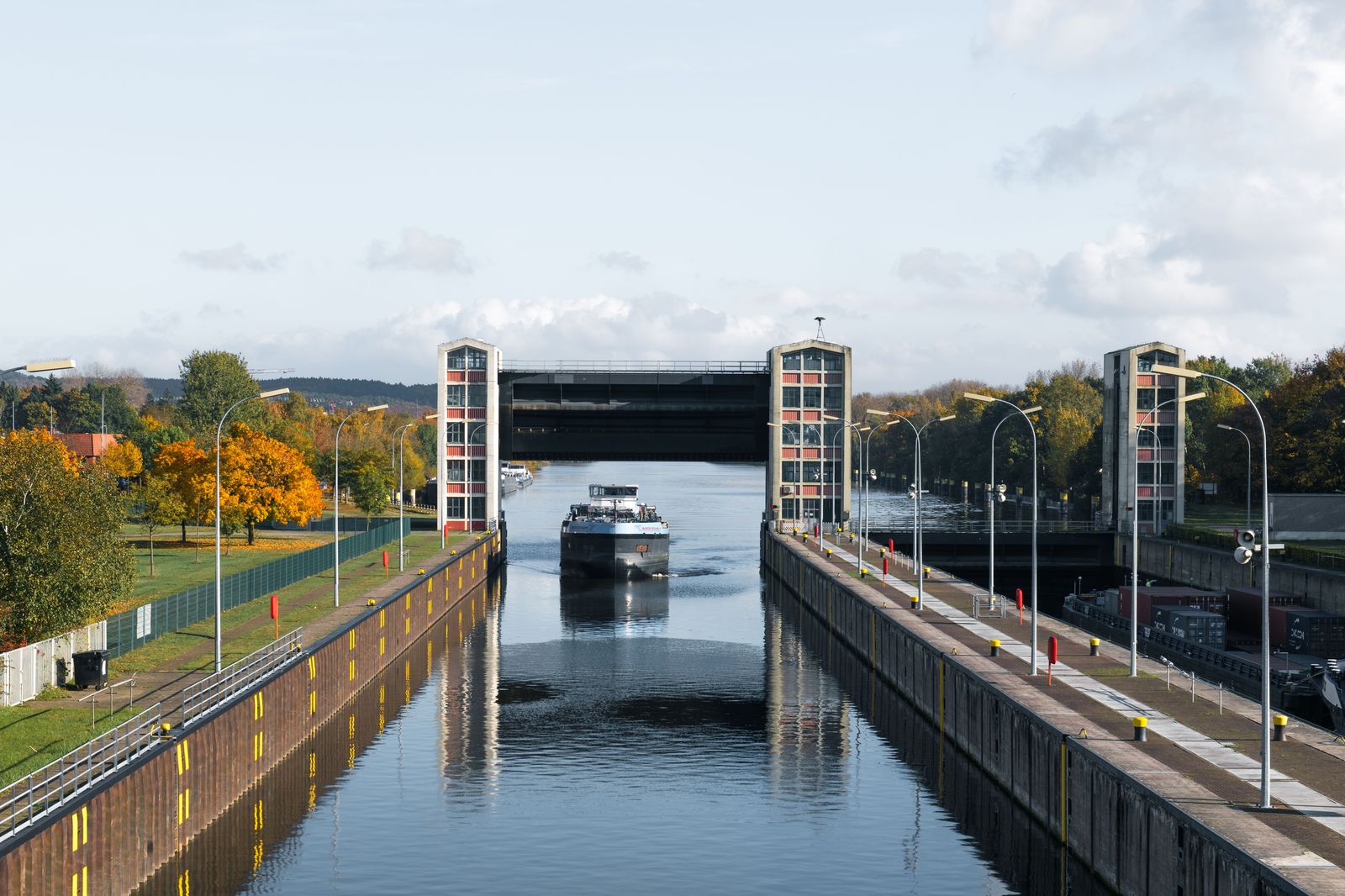
A lesser-known water attraction sits right on the route. The Welland Canal carries ocean-going ships between Lake Ontario and Lake Erie, lifting them around the Falls through a series of locks. The Welland Canals Centre at Lock 3 in St. Catharines has a viewing platform where you can watch a freighter rise or fall, a few minutes off the QEW. The St. Lawrence Seaway publishes information about the canal and its traffic. It makes an unusual stop on a road trip, especially for children.
Harbour cruises in Toronto
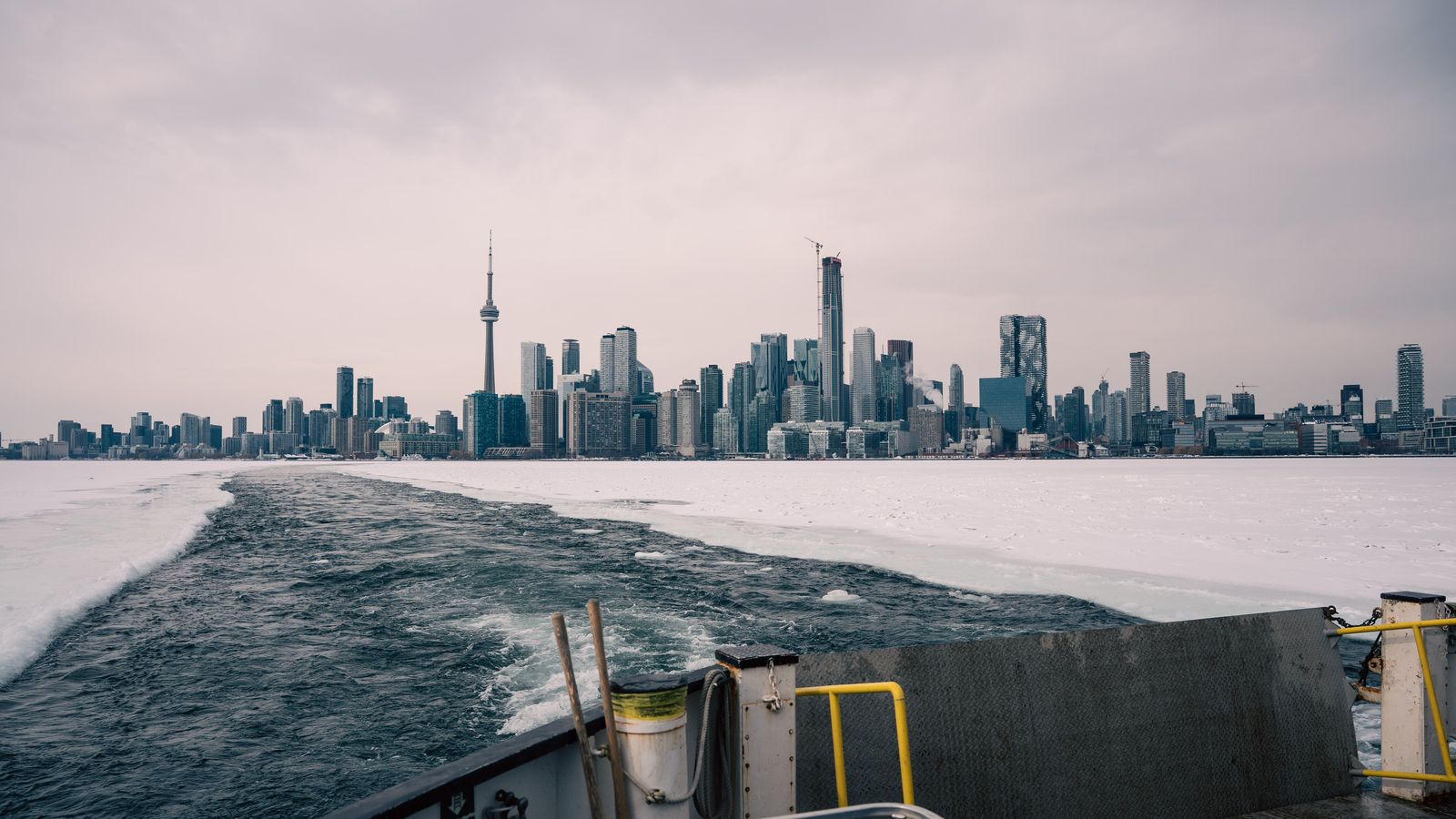
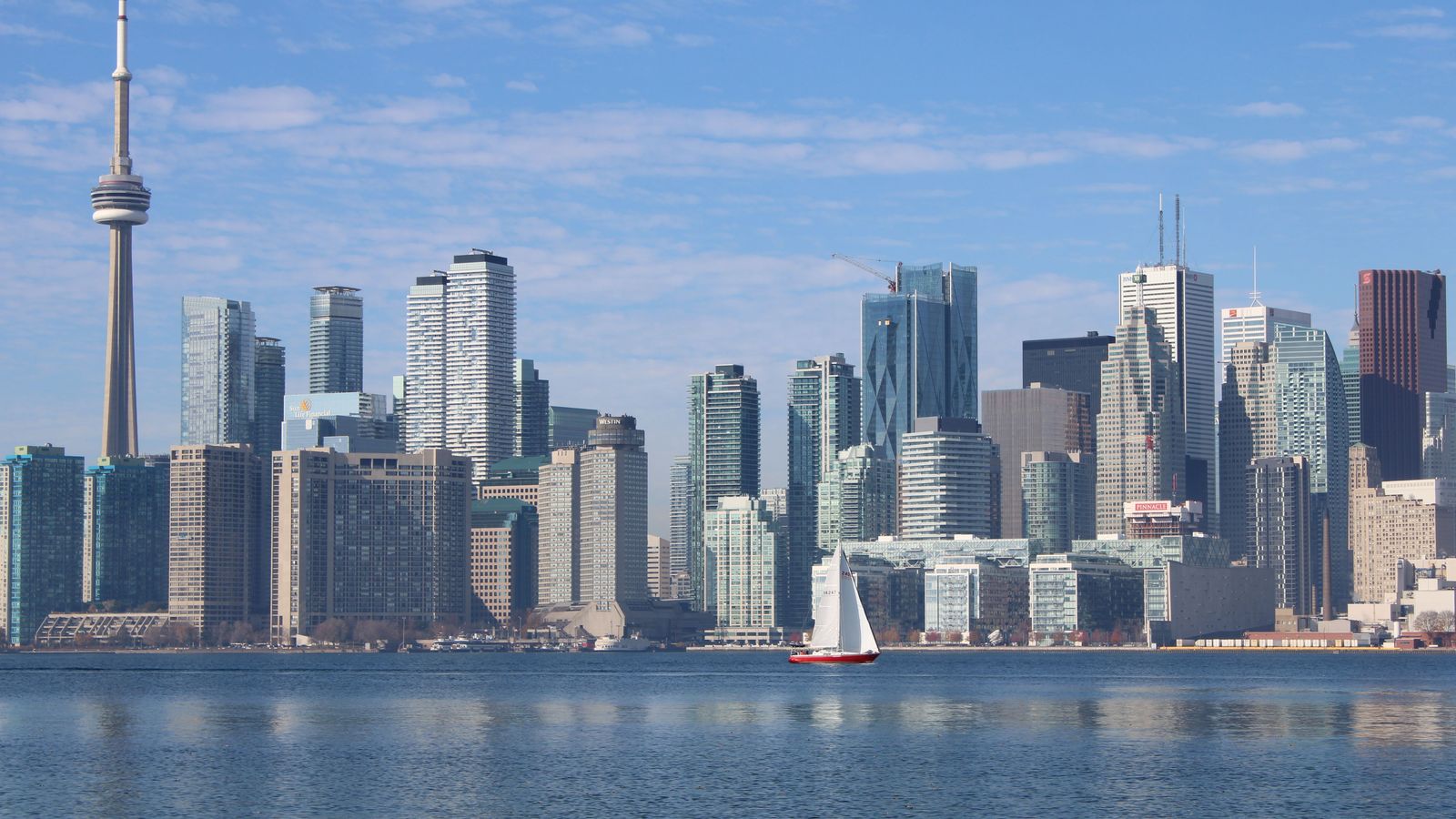
If you want Lake Ontario from the water without a full-day crossing, Toronto's harbour cruises and the Toronto Island ferries give you the lake, the skyline and the islands in an hour or two. Many visitors do a harbour cruise one day and Niagara by road the next. Our guide to how to get to Toronto Island from Union Station covers the ferries, and Toronto Islands covers the islands themselves.
Cruise ships that include Niagara
A few Great Lakes cruise itineraries call at Toronto and pass through the Welland Canal or visit the Niagara region, with excursions to the Falls by coach. These are multi-day cruises, not transport, and itineraries change each season, but if you arrive in Toronto on one, the Falls excursion is usually offered on board. Independent passengers who want their own schedule can book a car from the cruise terminal; tell dispatch the ship and berth.
A realistic water-and-road Niagara day
- 8:30 a.m. Board a chartered boat at a Toronto marina, forecast permitting.
- 10:30 a.m. Tie up in Niagara-on-the-Lake; the chauffeur meets you at the marina.
- 11:00 a.m. Queen Street and a winery tasting.
- 1:30 p.m. Niagara Parkway south to the Falls; boat tour into the mist.
- 5:00 p.m. Dinner at the Falls.
- 7:30 p.m. Drive home on the QEW, about 90 minutes.
For the road-only version, see our Toronto day trip to Niagara Falls itinerary.
What a road trip costs instead
Without a boat, the whole trip is a car ride. The planning figure for a business sedan from Pearson to Niagara Falls is $345-420 one way, all-in with chauffeur, fuel, 407 tolls if used and gratuity, plus HST; downtown pickups are quoted in the reservation engine. A chauffeured day by the hour runs $130-150 an hour in a sedan and $160-190 in an SUV, three-hour minimum. For a group of eight to fourteen, a Sprinter at about 2.2 times the sedan fare is the equivalent of chartering the boat, on wheels. See Niagara Falls tours from Toronto for the full-day option.
Proposals and celebrations on the water
Couples sometimes plan a proposal on a chartered crossing, with the ring produced as the Niagara shore comes into view, followed by dinner in wine country and a car home. It can be memorable, but only if the lake cooperates, so have a dry-land version ready: a sunset at Queenston Heights or a quiet corner of a winery terrace works just as well. Our date night and proposals page explains how a chauffeur keeps the timing discreet, including holding the car out of sight until the moment has passed.
Who should consider a charter at all
A charter makes sense for a celebration on a calm summer day: a milestone birthday, a corporate outing, a proposal, or a group of confident sailors who treat the crossing as the main event. It is less suited to families with small children prone to seasickness, anyone on a fixed schedule, or travellers who need to be sure of arriving. For everyone else, the drive is faster, cheaper and certain, and the best boat of the day is the one under the falls.