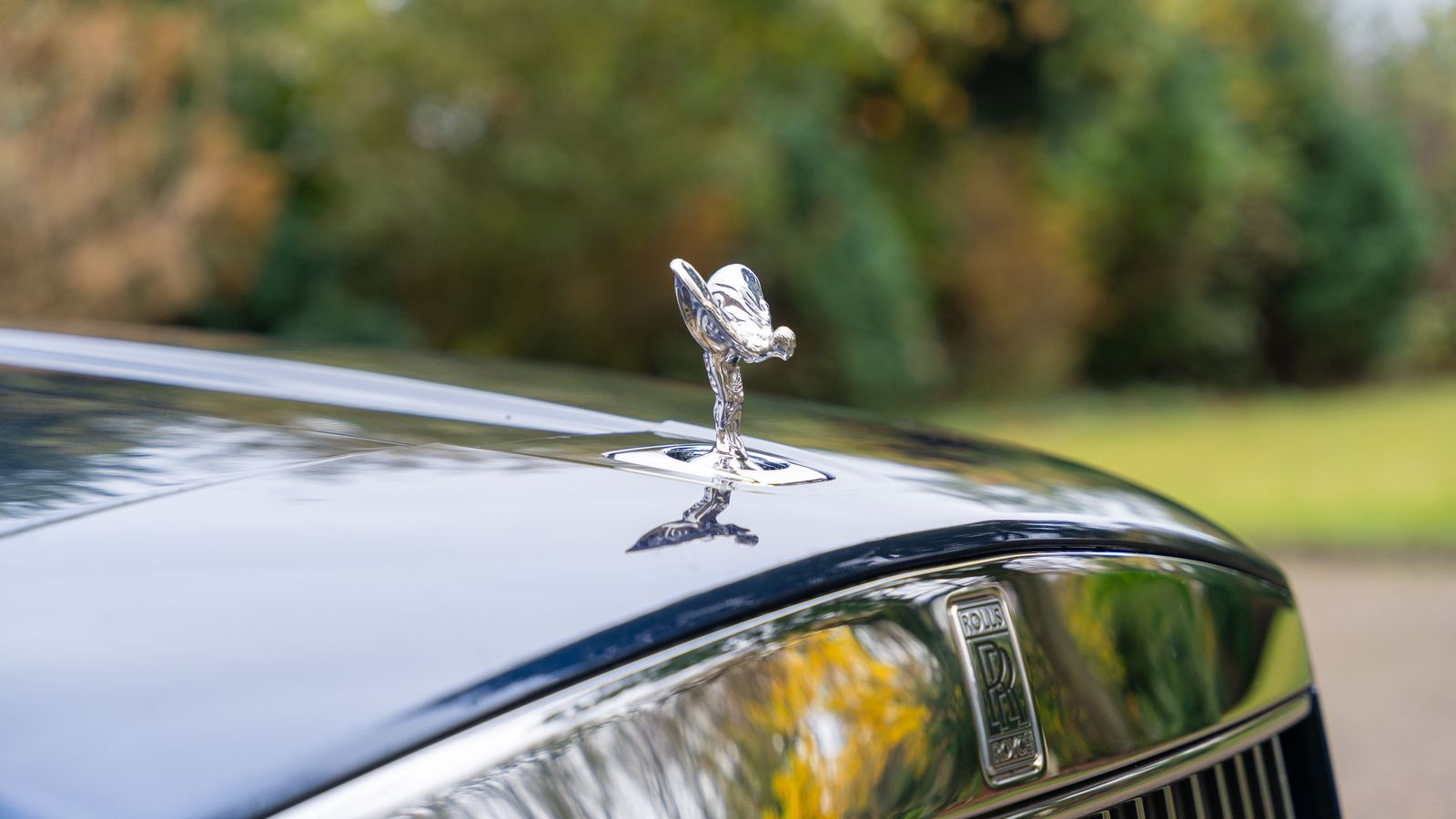













Delegation transportation in Toronto is planned as a convoy: matched executive SUVs at $160–190 an hour and sedans at $130–150 (3-hour minimum, plus HST), with first-class sedans for principals at about 50 % above sedan rates. A coordinator works to the consulate's or mission's programme, and licensed close-protection partners are added on request and priced in writing.
Delegation transportation in Toronto: what the work involves
Consulates, trade commissions, provincial and municipal hosts, universities and companies all receive visiting delegations: a minister and officials, a trade mission of business leaders, a mayor's delegation, a visiting board. The programme is usually dense, the order of cars matters, and the host's reputation rides on every arrival being on time.
TorontoAirportTransfer.services supplies the vehicles, chauffeurs and a coordinator who works to the host's protocol officer or programme lead. We are a transport provider, not a government agency: official protocol, accreditation and any police involvement are arranged by the relevant government, and we fit our plan around theirs. Where the host wants close protection, we bring in licensed security partners through our VIP and executive protection service.
Planning figures for delegations
Planning figures; each programme is priced in writing because convoys depend on the number of vehicles, hours and days.
| Vehicle | Seats | Planning figure | Typical role in a convoy |
|---|---|---|---|
| First-class sedan | 3 | sedan rate +50 % | Principal (minister, CEO, head of mission) |
| Executive SUV | 6 | $160–190/h, 3 h min | Principal, staff car, security partner car |
| Business sedan | 3 | $130–150/h, 3 h min | Officials, interpreters, advance staff |
| Sprinter | 14 | $225–270/h, 3 h min | Trade-mission members, media |
| Coach (partner) | 24–56 | priced in writing | Large trade missions and site tours |
Airport meet-and-greet is added per passenger group at a $25–35 planning figure. Pearson to downtown is $130–160 one way in a sedan for any vehicle that runs separately from the convoy.
Protocol: order, precedence and timing
A delegation convoy follows the host's order of precedence. The principal's car is positioned so its rear door lands at the red carpet or entrance; staff and officials follow in the order the protocol officer sets; interpreters and advance staff are placed where they can reach the principal quickly. Our chauffeurs are briefed on the order and the seating plan before the first movement.
Timing is to the minute. The convoy reaches each venue at the time on the programme, not early and not late, which usually means holding briefly at a staging point a few blocks away. If a meeting overruns, the coordinator agrees the revised timings with the protocol officer and cascades them to every chauffeur.
Consulates, Queen's Park and the downtown government district
Most of Toronto's consulates general are in the downtown and midtown core, along Bloor Street, University Avenue and the King Street towers, with a few further north. Many sit in shared office buildings rather than standalone missions, so arrivals happen at ordinary lobby entrances, often with limited stopping space; we reconnoitre each address before the first visit.
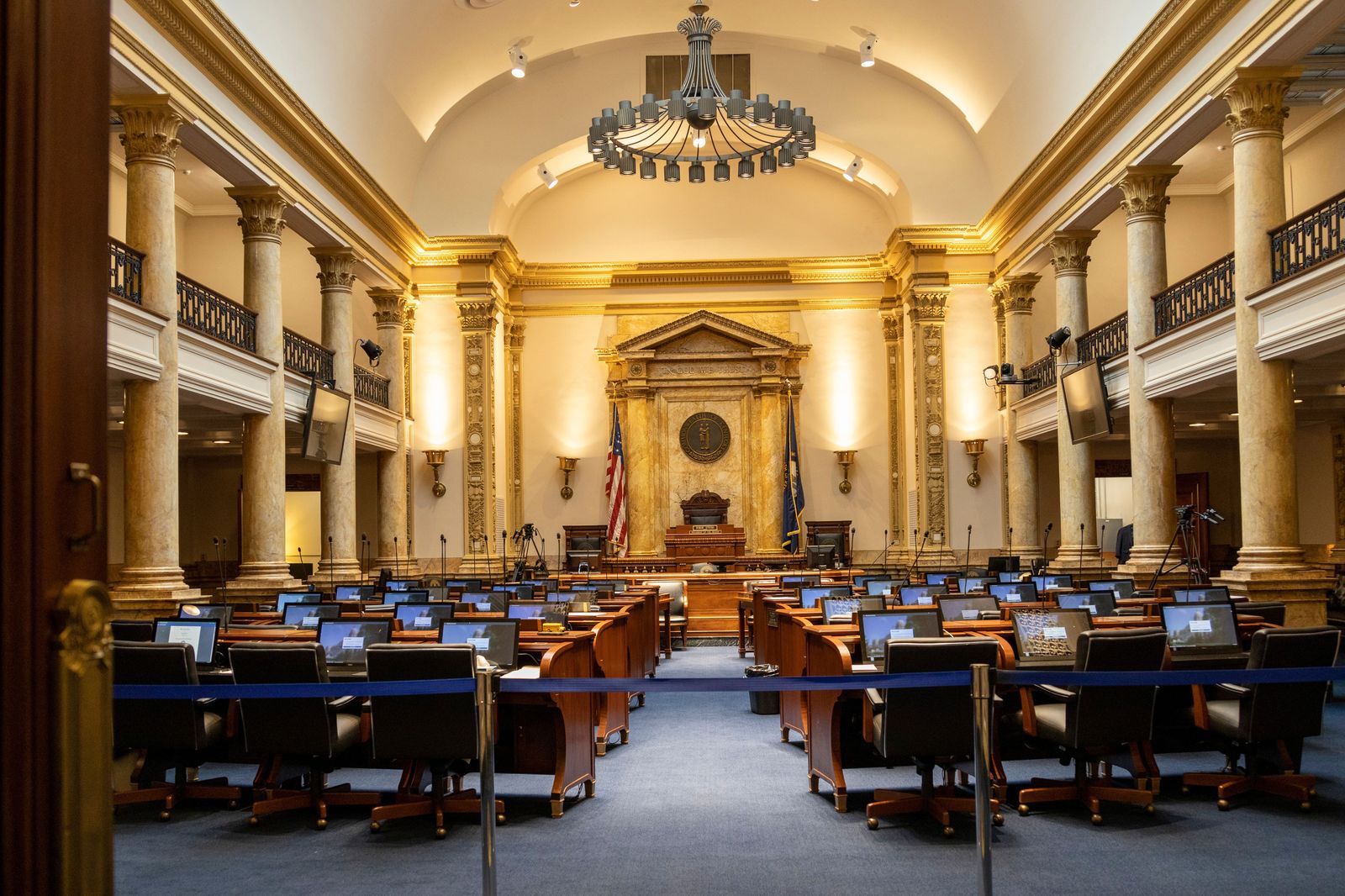
At the north end of University Avenue, Queen's Park houses the Legislative Assembly of Ontario, a frequent stop for visiting delegations meeting provincial ministers. City Hall on Queen Street West is another. Both have their own security and visitor procedures, which the host arranges; our chauffeurs follow the instructions of the building's security staff at the drop point. For federal protocol matters, including the diplomatic community in Canada, the Office of Protocol of Canada is the official reference.
Security partners on request
Some delegations need close protection; most need discreet professionalism and nothing more. Where a host asks for protection, we arrange licensed security partners who plan with the host's own security lead, and who may ride in the principal's car, travel in a following vehicle or advance the venues. We say plainly that these are partner professionals, not our chauffeurs, and they are quoted in writing.
Our chauffeurs support any security plan: they keep vehicles locked and attended, keep the principal's car ready for an immediate departure at every stop, and take route instructions from the security lead. Police escorts or road closures are matters for the relevant government and police service, not something a private operator provides.
Arrivals at Pearson and Billy Bishop
Delegations often arrive on a scheduled flight. Every pickup is flight-tracked with 60 minutes of included waiting for international arrivals and 30 for Canadian and US, measured from actual landing. The standard fare covers curbside pickup at the commercial pickup area; for delegations we nearly always add meet and greet so an agent with a name board meets the group in the arrivals hall and walks them to the convoy.
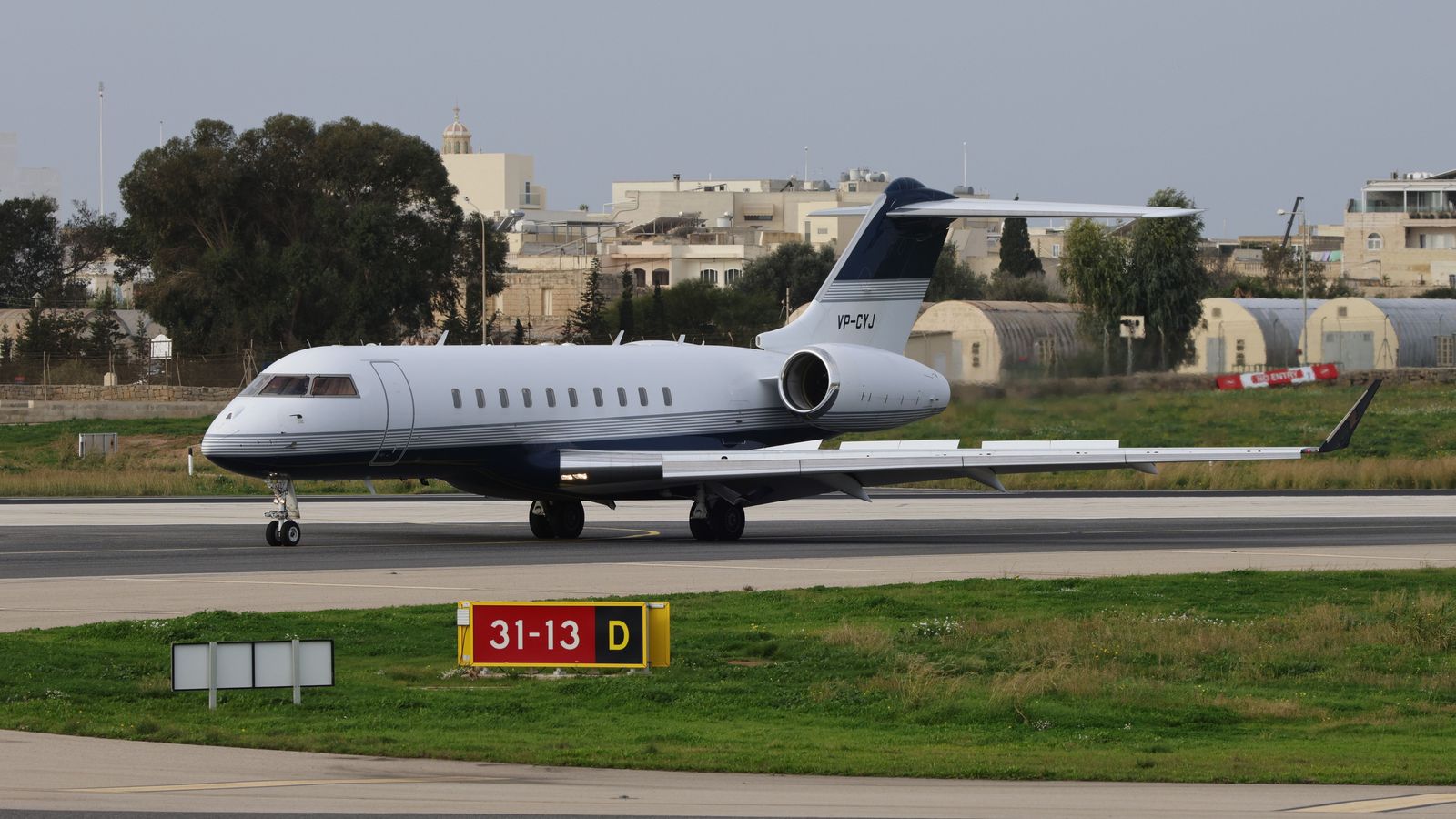
Where the host has arranged special arrival handling with Toronto Pearson or the government, we follow those instructions. Delegations arriving on private aircraft are met at the relevant FBO; see private jet and FBO transfers. Short hops from Ottawa or Montreal often land at Billy Bishop, close to the core.
Matched vehicles and presentation
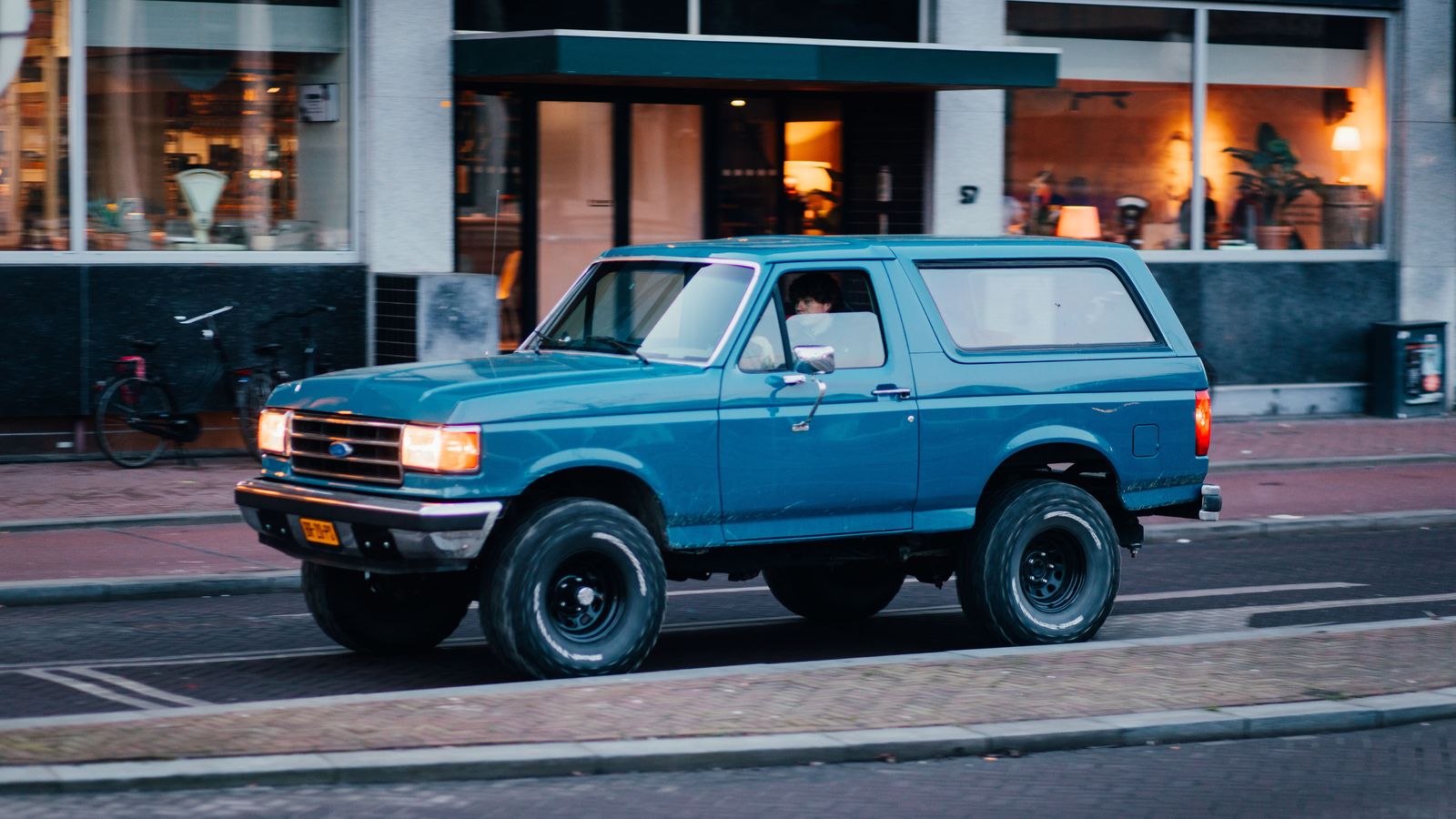
A convoy looks right when the vehicles match: black executive SUVs of the same model, or first-class sedans followed by SUVs of one colour. We plan vehicle matching from the start and tell the host exactly which models will run. Chauffeurs wear dark suits, the vehicles are detailed before the first movement, and placards or flags are used only if the host supplies them and asks for them.
If the programme includes a moment for photographs, for example arrival at Queen's Park or at a company headquarters, tell the coordinator and the lead car will stop with the principal's door aligned to the photographer's position.
Interpreters, staff and the working car
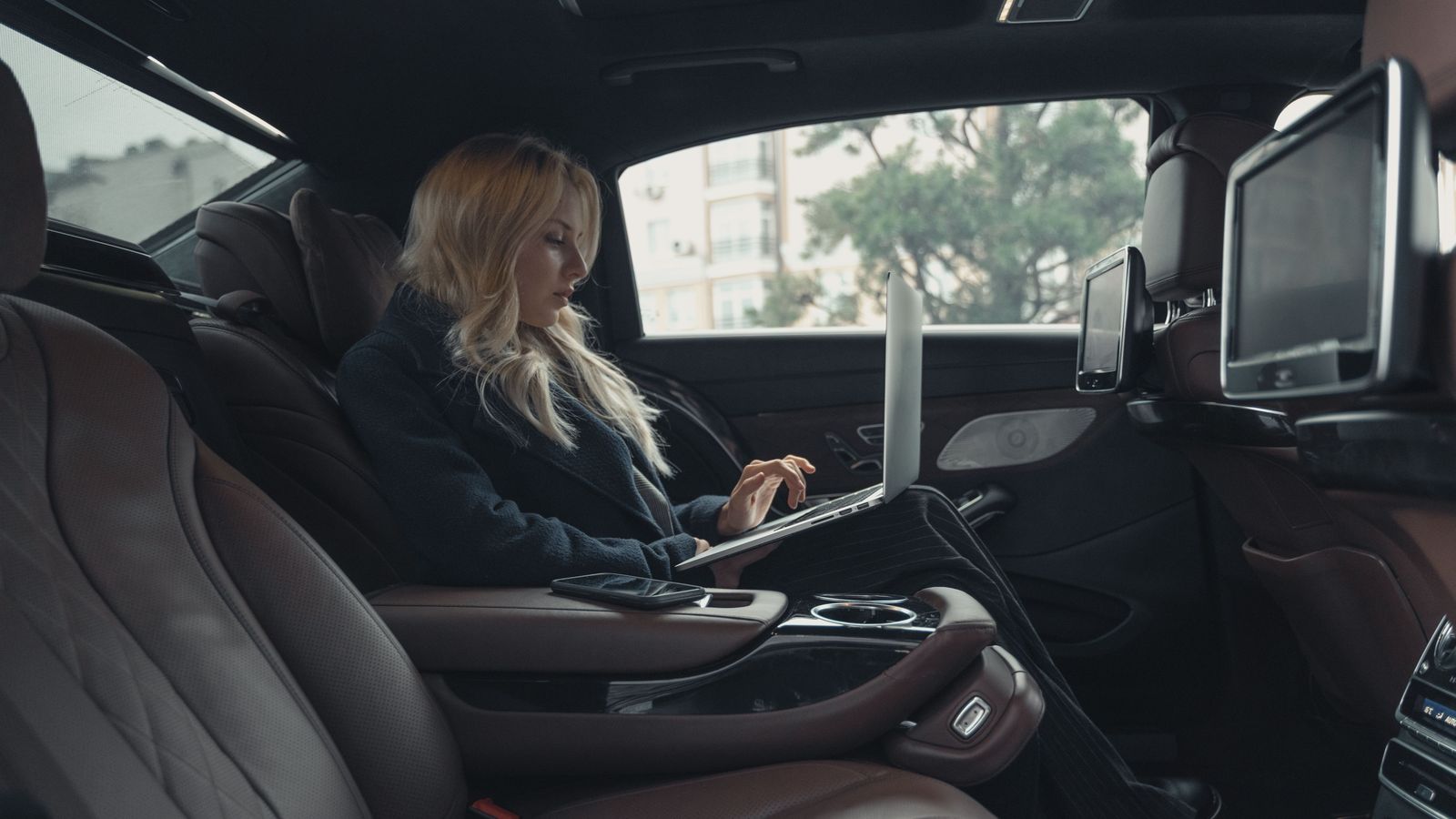
Delegations travel with advisers, interpreters and note-takers who need to work between stops. A staff car, usually an SUV, follows the principal's vehicle with room for laptops and documents, and the chauffeur keeps power available for devices. Interpreters who need to brief the principal before arrival can be seated in the principal's car if the protocol officer prefers.
Chauffeurs on delegation work do not speak about the visit, do not photograph passengers or venues, and do not post anything. If documents are left in a vehicle, they are returned only to the named staff contact.
Trade missions and site visits beyond Toronto
Trade missions tend to leave the core: a plant in Vaughan or Brampton, a research campus in Waterloo, a port in Hamilton, an innovation centre in Markham. For a mission of fifteen to forty people we usually combine a coach from a partner operator for the members with SUVs for the principal and host. Longer road legs, for example to Kitchener-Waterloo or Ottawa, can be added to the programme; our long-distance car service covers those.
For missions crossing to the United States by road, the host must confirm entry requirements for every member; we plan crossings at the Peace Bridge or Lewiston-Queenston and keep the schedule flexible for inspection times.
Language and cultural considerations
Delegations bring their own expectations. Some prefer chauffeurs to open doors, others find it excessive; some principals like conversation, most prefer silence. We brief chauffeurs on the host's guidance about greeting, dietary or religious observances affecting timing, and whether passengers may pray or need a stop during the day. We never assume; we ask the protocol officer.
Invoicing for consulates and public bodies
Consulates, public agencies and universities have procurement rules. We can quote against a formal request, invoice in the name of the mission or ministry, reference a purchase order and separate the costs of each day or each convoy vehicle. HST is shown on its own line; where a body has a tax exemption, its finance team will advise us of the correct treatment. A corporate account suits hosts who receive several delegations a year.
Contingency planning
Every delegation programme includes a contingency: a spare vehicle on standby for larger convoys, alternative routes for each movement, and a plan if the principal leaves a venue earlier than scheduled. Dispatch tracks every vehicle in the convoy and the coordinator stays on the phone with the protocol officer throughout.
Winter visits add weather margin, and major city events such as TIFF or large conventions add traffic margin; we check the calendar for road closures before finalising routes.
How to book a delegation
Send the coordinator the draft programme with times and addresses, the delegation list with precedence and any seating requirements, arrival and departure flights, security arrangements already in place, and the name of the protocol officer or programme lead. We return a vehicle plan, a movement sheet and a written price, usually within two business days, earlier if the visit is imminent. Single-vehicle bookings can go through the reservation engine.
Advance work before the visit
For larger delegations, the coordinator does a route and venue run before the visit, ideally with the host's advance or security staff. That settles the drop and pickup doors at each venue, the staging points for waiting vehicles, the route between stops at the time of day the convoy will run, and the alternative if a road is closed. It is priced in writing as part of the programme.
Advance work also catches small problems: a hotel porte-cochere too low for a Sprinter, a building whose lobby entrance is closed after 6 p.m., a street where parking enforcement tickets any car that stops. Better to find those on a Tuesday afternoon than with a minister in the back seat.
Hotels and accommodation
Most delegations stay at one of the downtown hotels near Union Station, on University Avenue or in Yorkville. The convoy stages at the hotel entrance each morning at the agreed time, and the lead chauffeur checks in with the hotel's front-of-house team the evening before. Where security partners are involved, they coordinate separately with hotel security. For airport-hotel stays near Pearson, the morning timings change because the first leg into the core crosses rush hour on the 427 and Gardiner; see Pearson to downtown Toronto for typical drive times.
Media and public appearances
Delegations sometimes include a press event, a school visit or a walkabout. Tell the coordinator where media will be positioned. The chauffeur sets the principal's door away from the scrum if the host prefers, keeps the engine running for a quick exit, and does not speak to journalists. If media travel with the delegation, a separate Sprinter keeps them together and off the principal's schedule.
Dietary, prayer and rest stops on long days
A full programme can run twelve hours. We build short breaks into the movement sheet at the host's request: time at the hotel between the afternoon meetings and the evening reception, a prayer stop, or a quiet lunch. Chauffeurs keep bottled water in every car and know where the nearest suitable stop is on each route.
Cancellation and programme changes
Visits change or are postponed. The sitewide rule applies per vehicle from scheduled pickup: more than 72 hours out is free; 72 hours or less is 10 %; 48 hours or less is 50 %; 24 hours or less or a no-show is 100 %. Changes to timings within a confirmed day are absorbed into the hourly booking.