












Cab fare from Toronto airport to downtown is a flat zone rate from the Pearson taxi stand, taxes included. Independent listings typically put the downtown zones in the $60s to high $70s; Pearson's own estimator gives today's figure. Add $15 for five or more passengers, $15 for four or more checked bags or oversize items, and a tip. A booked sedan is a $130-160 all-in planning figure plus HST.
Most people look at a single headline number for a cab from Pearson and then get surprised by the receipt. This post takes the receipt apart line by line. For the broader picture of how every pricing system works, our Toronto airport taxi fare guide is the reference page; here we stick to the arithmetic, with worked examples you can adapt to your own trip.
Cab fare Toronto airport to downtown: the receipt, line by line
A cab ride from the Pearson taxi stand to a downtown hotel produces a receipt with up to six parts. Not every line applies to every trip:
- The zone fare for your destination.
- Taxes, which Pearson states are included in its flat rates.
- A passenger surcharge, if there are five or more of you.
- A luggage surcharge, if you have four or more checked bags or an oversize item.
- The tip, which you add yourself.
- Anything else you agree to, such as a stop on the way.
Each line is explained below, then we add them up for four real-world parties.
Line 1: the zone fare
Pearson's licensed taxis and limos do not run the meter for trips from the airport stands to Toronto destinations. Instead, the airport sets a flat fare for each destination zone. Downtown is split into more than one zone, so a hotel near Union Station and a condo in the Beaches are not priced the same. The airport publishes the zone map and a fare estimator on its ground transportation pages. Independent listings of the tariff typically show the downtown zones somewhere between the low $60s and the high $70s for a taxi; use the official estimator for the figure on your travel date, because tariffs are revised.
The zone fare does not change with traffic. Sitting on the Gardiner for 40 minutes at 5 p.m. costs the same as flying down it at midnight, which is the main advantage of the flat-rate system over a meter.
Line 2: taxes
Pearson states that taxes are included in its flat rates, so there is no separate HST line on a stand taxi receipt. This matters when you compare quotes. A pre-booked car usually shows HST separately: in Ontario that is 13 %. A private fare that looks like $145 becomes about $164 once HST is added. A stand fare that looks like $70 is already the total before the tip.
Line 3: the passenger surcharge
According to Pearson's published taxi and limo information, a $15 surcharge applies when there are five or more passengers. Most stand taxis are ordinary sedans or minivans, so a party of five needs a larger vehicle anyway; the surcharge reflects that. Children count as passengers.
Line 4: the luggage surcharge
A second $15 surcharge applies for four or more checked bags or any oversize item, again per the airport's published rules. Golf bags, ski bags, bike boxes and large hockey bags are the usual oversize items. A couple returning from a month abroad with four suitcases will trigger it; so will a single traveller with a surfboard.
Line 5: the tip
The zone fare does not include a gratuity. In Toronto most riders tip taxi drivers, commonly in the 10-20 % range depending on service and help with bags. On a $70 fare that is roughly $7-14. Our chauffeur tipping and etiquette guide covers the norms in more detail, including when a tip is already built in.
Line 6: stops, detours and tolls
A stop on the way (to pick up keys or a second passenger) is something to agree with the driver before you set off. The normal downtown route uses the 427 and the Gardiner or the 401, none of which is tolled, so tolls rarely appear on a Pearson to downtown receipt. Highway 407 is tolled, but it is only worth using for destinations north and east of the city.
Four worked examples
The figures below use an illustrative zone fare of $70 for a downtown hotel. Replace it with Pearson's current figure for your zone.
| Party | Zone fare | Surcharges | Tip (about 15 %) | Approximate total |
|---|---|---|---|---|
| Solo traveller, one bag | $70 | none | $10.50 | about $80 |
| Couple, three checked bags | $70 | none | $10.50 | about $80 |
| Couple, four checked bags | $70 | $15 luggage | $12.75 | about $98 |
| Family of five, six bags | $70 | $15 + $15 | $15 | about $115 |
Now compare a booked TorontoAirportTransfer.services car for the same trips. A business sedan to downtown is a $130-160 planning figure that already includes the gratuity, airport fees and 407 tolls if used; add 13 % HST. The family of five would need an executive SUV or a luxury van, about 25-30 % more than the sedan, with no per-bag or per-head surcharges and child seats fitted on request.
What the numbers tell you
For a solo traveller or a couple with normal luggage, the stand cab is usually cheaper than a booked car, and we are happy to say so. The gap narrows for a family of five with lots of bags, where two stand surcharges plus a tip add up, and it narrows further if the family would otherwise need two taxis. Where the booked car earns its price is in the things that are not on either receipt: waiting included after a delayed flight, a chauffeur tracking the landing, a car seat fitted before you arrive and a guaranteed vehicle when the stand queue is long.
Stand limo vs stand taxi on the receipt
Pearson's stand also offers limos, which are black cars. The airport says they cost roughly 10 % more than its taxis for the same zone. The receipt structure is identical: zone fare with taxes included, the same surcharges, and a tip on top. If you want a black car but did not pre-book, the stand limo is the honest middle option.
Going the other way: a metered cab to Pearson
The flat zone fare only applies to rides from the Pearson stand. A Toronto taxi you hail downtown to go to the airport runs on the City meter, which starts at $4.25 and rises with distance and time, according to the City's taxis and limousines page. The same page notes that brokerages may offer discounted rates when you book by phone or app, and that app-booked fares can include surge pricing, which must be agreed before the trip starts and comes with a detailed receipt. Our post on Toronto taxi rates and prices explains the meter in more depth.

Getting a receipt you can expense
If your company reimburses travel, ask the stand taxi driver for a printed or emailed receipt showing the date, time, fare and taxi number before you leave the car. Receipts for zone fares show one total because taxes are included; some finance teams want tax broken out, which a booked car's invoice does. Companies that move staff through Pearson regularly often set up a corporate account so that every ride is on one monthly statement with passenger names and flight numbers.
The airport fee you never see
Every commercial vehicle picking up at Pearson pays the airport for access in one form or another, and the cost ends up in the fare. On a stand taxi it is simply part of the zone tariff, so it never appears as its own line. On a pre-booked car it is also built in: our fixed fares include airport fees, which is one reason the headline number is higher than a zone fare. If a private quote looks unusually cheap, ask whether airport fees, tolls and gratuity are included, because some operators add them at the end.
Paying as a visitor: cards, cash and currency
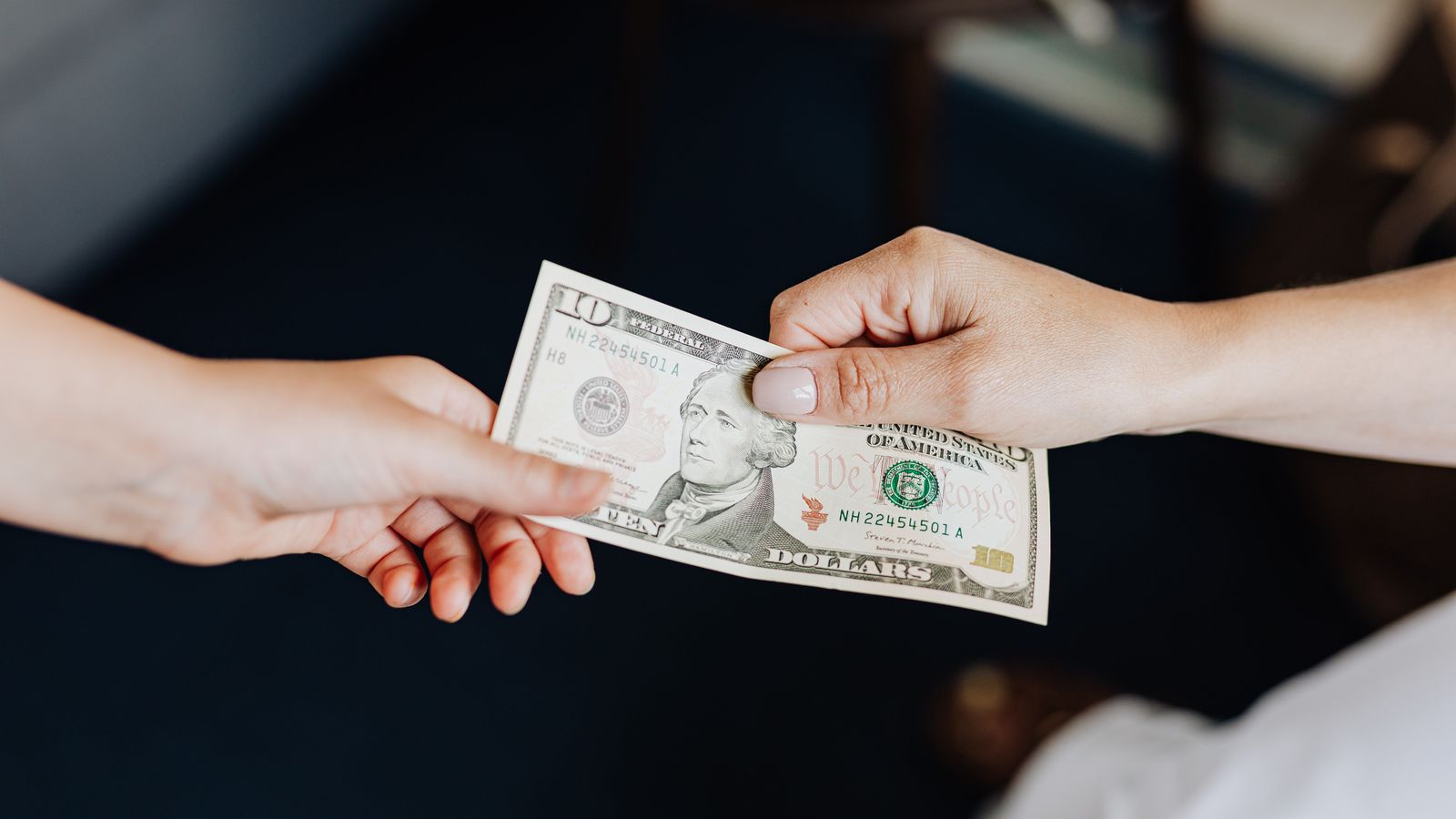
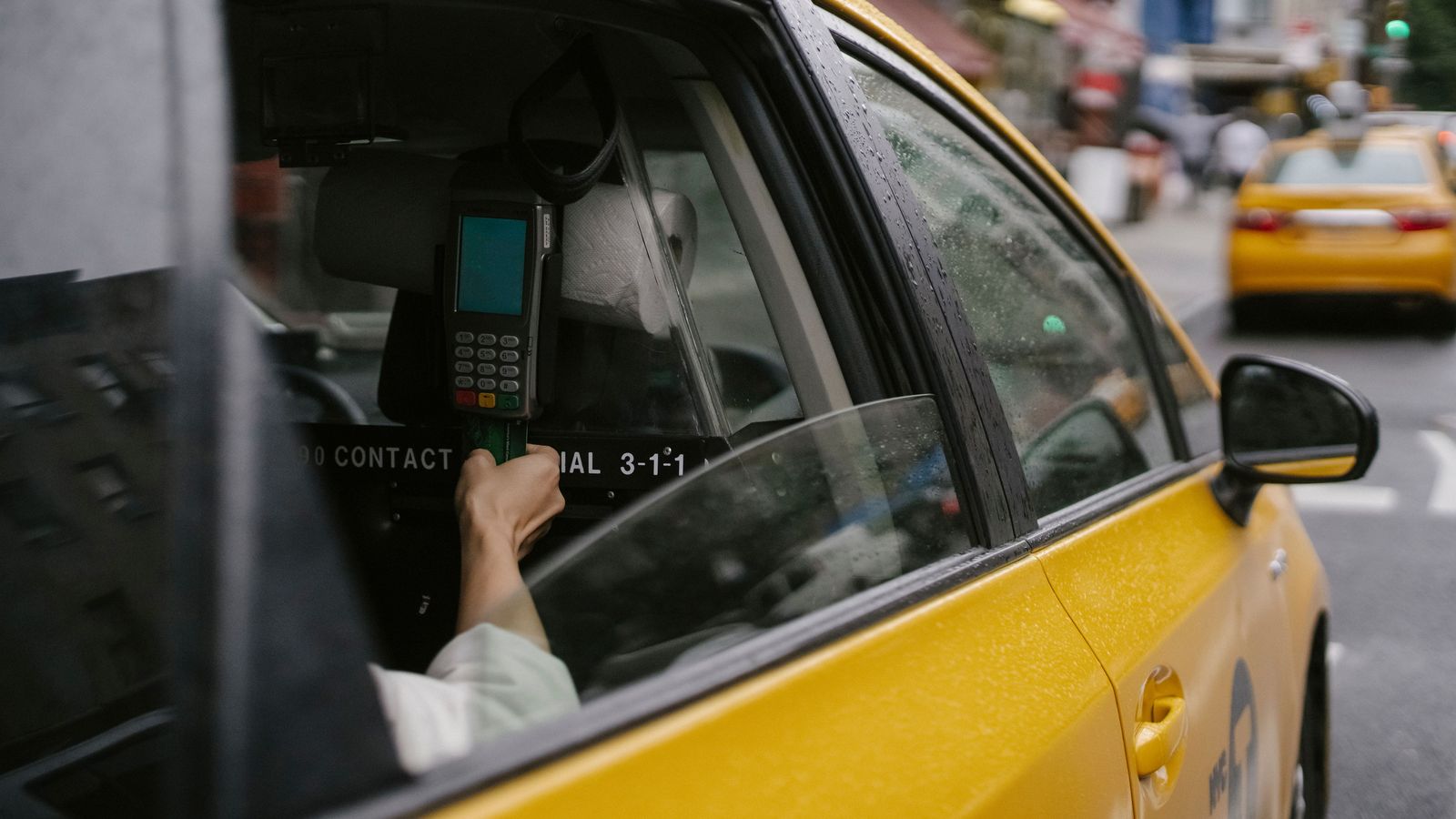
Fares in Toronto are charged in Canadian dollars. Pearson states that its licensed taxis and limos accept major credit cards, so visitors rarely need cash on arrival. If your card is issued abroad, your bank may add a foreign transaction fee on top of the fare, which is worth knowing when you compare prices. Tipping on the card terminal is normal; the screen usually offers percentage buttons, and you can enter a custom amount instead. If you prefer to tip in cash, a few Canadian bills from the currency exchange in the arrivals hall will do.
The same trip on a Friday at 5 p.m. and at midnight
The zone fare is identical at both times, which is exactly the point of a flat tariff. What changes is everything around it: at 5 p.m. on a Friday the stand queue can be long when several flights land together, and the drive downtown may take over an hour; at midnight the queue is short and the drive takes about 25 minutes. Your receipt is the same either way. For a booked car the fare is also fixed, but the chauffeur is already waiting when you walk out, which is what you are paying the difference for on a busy Friday.
If the fare looks wrong
Write down the taxi number before you get out; it is on the vehicle and the receipt. Pearson's licensed fleet is overseen by the airport, so a disputed zone fare is raised with Toronto Pearson through its official website. A fare dispute in a City of Toronto cab is reported to 311 with the plate number, per the City's taxi page. With a booked car, the price was agreed when you confirmed, so there is nothing to dispute at the curb.
Common receipt mistakes
- Forgetting the tip in your comparison. A zone fare plus tip is the real number.
- Comparing a tax-included fare with a pre-tax one. Add 13 % HST to any private quote that shows it separately.
- Counting bags in the wrong way. Carry-ons do not count towards the checked-bag surcharge; checked suitcases do.
- Assuming the zone covers your address. Midtown, North York and the east end are different zones.
- Paying the zone fare for a trip that is not zoned. Destinations outside the zone list are priced differently; ask before you leave the curb.
Which option should you book?
If you are travelling light, the queue is short and nobody needs a car seat, take the stand cab and enjoy the known price. If you land late, travel as a family, carry lots of luggage or need a receipt with the flight number on it, compare with a fixed fare on our flat-rate airport taxi alternative or run your address through the fare calculator. All fixed fares by zone and vehicle are on the rates page.