








At Osaka Kansai a pre-booked chauffeur meets you in the Terminal 1 arrivals hall after customs, with a name board, and walks you to the car. Namba is 45–60 minutes away by road, Umeda 50–70, Kobe 60–80 and Kyoto 90–120. The Nankai Rapi:t and JR Haruka trains are quick to Namba, Tennōji and Kyoto Station; a car suits families, heavy bags and ryokan or hotels away from the stations.
Kansai International was built on an artificial island in Osaka Bay, linked to the mainland at Rinku Town by a long road and rail bridge. It is the main international gateway for Osaka, Kyoto, Kobe and Nara, which means the first question a dispatcher asks is not which terminal but which city. A ride to Namba and a ride to a ryokan in Kyoto's Higashiyama hills are very different trips, and for some of them the train simply does the job better.
Osaka, Kyoto, Kobe or Nara: where are you heading?
From the bridge, cars join the Hanshin Expressway's Bayshore route and the Kinki Expressway system. The coastal run north to Osaka is usually steady; the last stretch into Kyoto is where time disappears. In normal traffic, allow:
- Rinku Town hotels and outlet mall: 10–15 minutes.
- Namba, Shinsaibashi and Dōtonbori: 45–60 minutes.
- Tennōji and Abeno: 45–60 minutes.
- Umeda, Osaka Station and Nakanoshima: 50–70 minutes.
- Universal Studios Japan and the Osaka Bay area: 40–55 minutes.
- Kobe Sannomiya and Harborland: 60–80 minutes.
- Nara Park and the old town: 70–90 minutes.
- Kyoto Station: 90–110 minutes; Higashiyama, Gion or Arashiyama 100–130 minutes.
Expressway tolls are built into the all-in fare the reservation engine shows.
Haruka, Rapi:t, limousine bus or car?
Kansai has strong rail links, and for a traveller with a carry-on heading to a big station they are hard to beat. The private Nankai line's Rapi:t express runs to Namba; JR's Haruka limited express runs to Tennōji, Shin-Ōsaka and Kyoto Station. Limousine buses serve Umeda, Kyoto, Kobe and Nara hotels and stations, and a high-speed boat crosses the bay to Kobe Airport. Times below are typical; check current timetables with the operators and on Japan's national tourism site.
| Destination | Rail or boat | Private car |
|---|---|---|
| Namba | Nankai Rapi:t, about 35–40 minutes | 45–60 minutes |
| Tennōji | JR Haruka, about 30–35 minutes | 45–60 minutes |
| Shin-Ōsaka | JR Haruka, about 50 minutes | 50–70 minutes |
| Kyoto Station | JR Haruka, about 75–85 minutes | 90–110 minutes |
| Kobe | Bay shuttle boat to Kobe Airport, about 30 minutes, then a short connection | 60–80 minutes |
| Nara | Limousine bus, about 80–100 minutes | 70–90 minutes |
The car rarely wins on time to a main station. It wins on everything after the station: the taxi queue, the stairs, the walk down a narrow lane with two cases.
Terminal 1, Terminal 2 and meeting your chauffeur
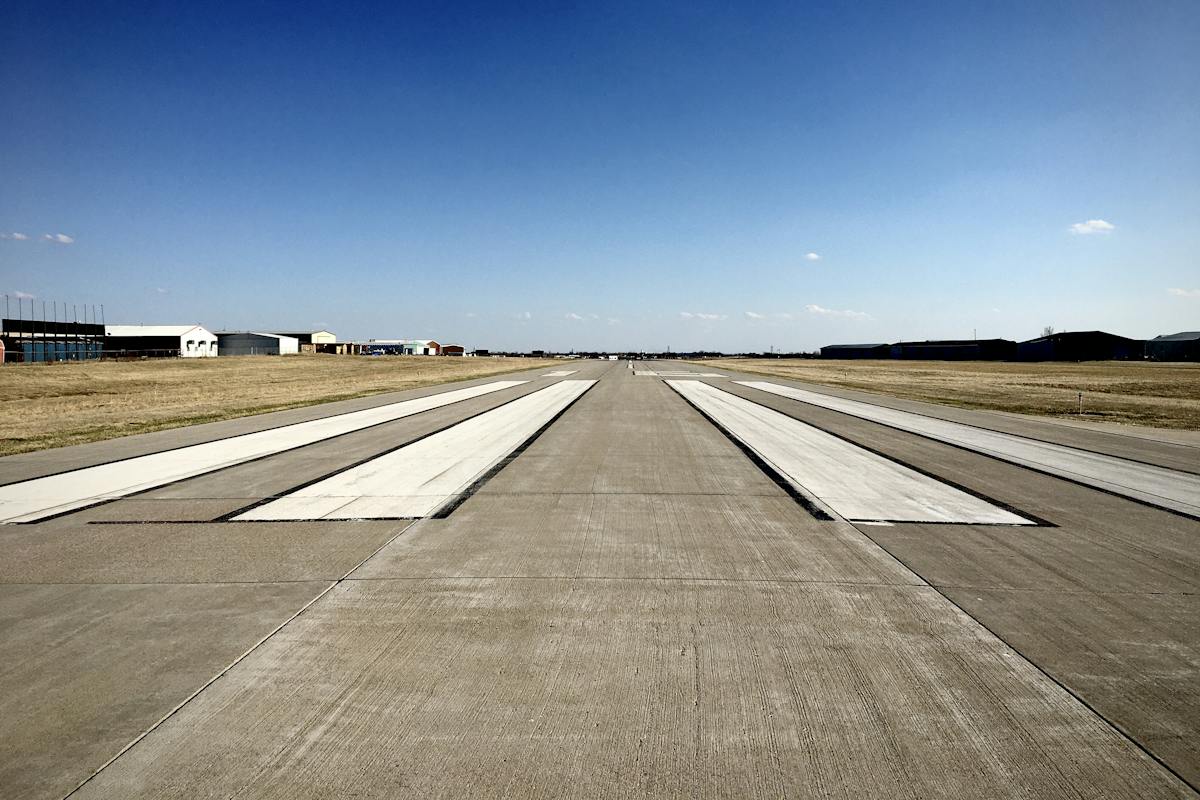
Most international and domestic flights use Terminal 1, a long single building with arrivals on the ground floor. Terminal 2 is a separate, simpler building used by low-cost carriers, linked by a free shuttle bus. After immigration, baggage reclaim and customs, your chauffeur waits in the arrivals hall with a name board and walks you to the car in the car park or the pickup area outside. If you land at Terminal 2, read your confirmation: the meeting point may be set there or at Terminal 1. Our meet and greet page explains how name-board service works and how it is priced at booking.
Kyoto by car: is it worth it?
Kyoto is the trip where travellers most often debate the Haruka against a car. The train is faster to Kyoto Station, but most visitors are not staying at the station. Ryokan in Gion, Higashiyama, Arashiyama or north of the Imperial Palace sit on narrow lanes, and in cherry-blossom and autumn-leaf seasons the taxi queues at Kyoto Station can be very long. A car from the airport costs time on the expressway and saves it at the other end. Many lanes in the historic districts are too narrow for a larger vehicle, so the chauffeur stops at the nearest point and helps carry bags to the door.
What should you tell dispatch?
- Your flight number and terminal.
- The hotel or ryokan name and its address in Japanese if you have it; ryokan often share names across cities.
- Check-in time. Many ryokan expect arrival by early evening for dinner, which may decide whether you take the train or the car.
- Every bag, plus strollers and child seats by age.
- Whether you plan to use luggage forwarding from the airport, which can shrink the vehicle you need.
A worked example: an autumn week in Kyoto
A retired couple from Etobicoke fly from Pearson through Vancouver and land at Kansai at 5:10 p.m. in mid-November, the height of the autumn-leaf season. Their ryokan near Nanzen-ji expects them for dinner at 8 p.m. The Haruka would get them to Kyoto Station by about 7 p.m., followed by a taxi queue of unknown length. They book a business sedan instead. The chauffeur meets them in the Terminal 1 arrivals hall, the drive takes about 1 hour 45 minutes, and the car stops at the top of the ryokan's lane at 7:25. A week later they take the Haruka back to the airport with light bags, having forwarded their cases. Using the train one way and the car the other is a perfectly sensible plan.
Flights between Toronto and Kansai
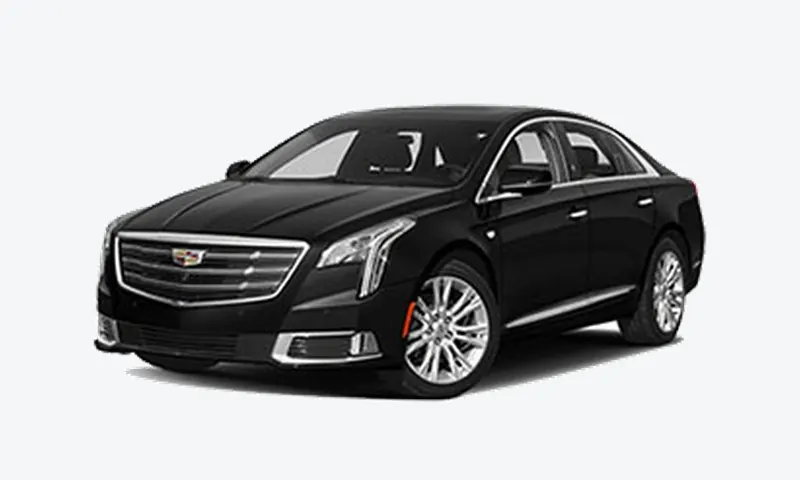
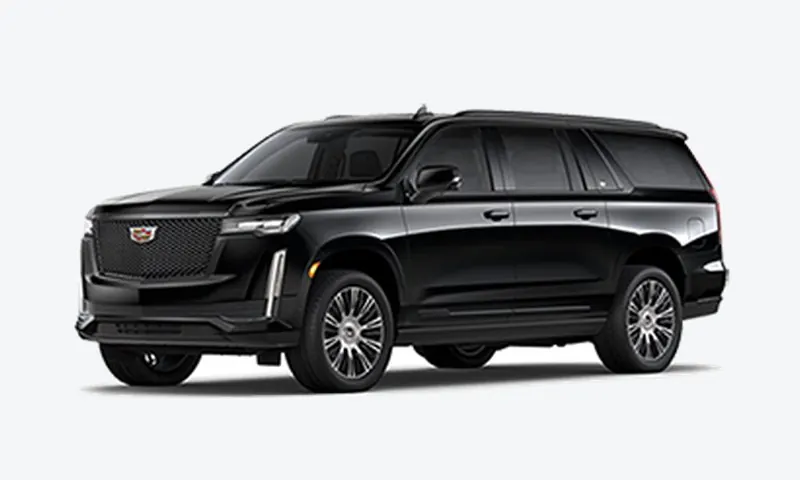
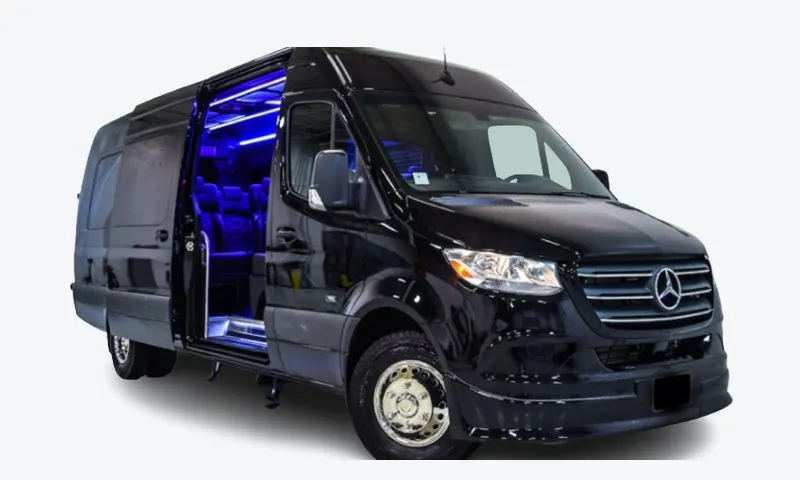
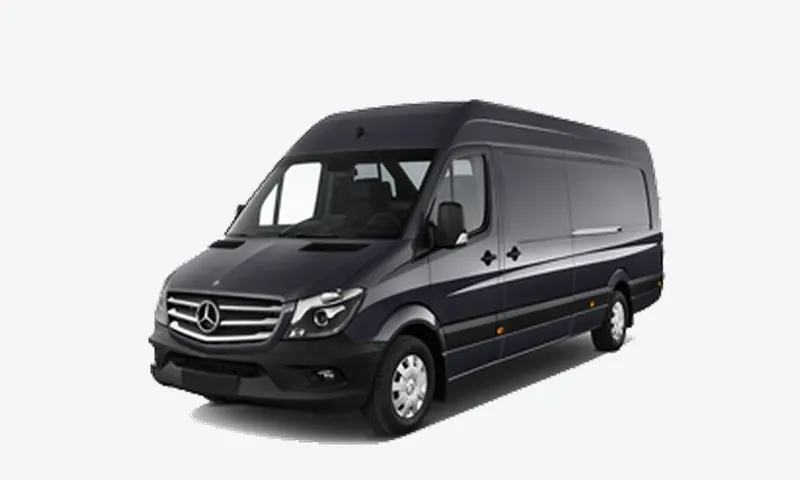
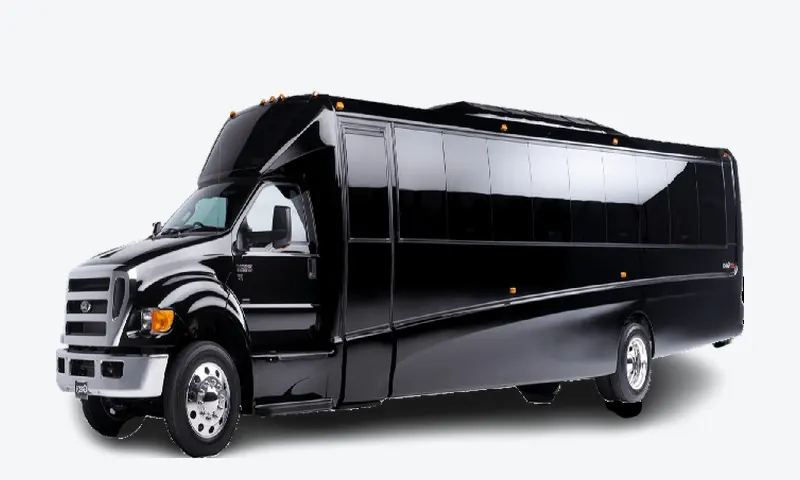
There is no nonstop service between Toronto Pearson and Kansai. Travellers usually connect through Vancouver, Tokyo or Seoul Incheon. If you route through Tokyo, see our pages on Haneda and Narita; the bullet train from Tokyo to Shin-Ōsaka is an alternative to a domestic flight. Kansai also has short flights to Seoul Gimpo and Okinawa. Coming home, our Tokyo arrivals page covers a Japan connection into Pearson, where flights from outside the US include 60 minutes of waiting from actual landing. Our sedan, SUV or Sprinter guide helps size the car for either end.
Booking your Kansai transfer
Enter Kansai International, the address, the date, your flight and every passenger and bag in the reservation engine. It shows a fixed all-in fare and the vehicle before you confirm, and the confirmation sets out the meeting point, included waiting time and cancellation terms for the Kansai region. A vetted local operator from our network drives the trip to our published standard. For flights and hotels, use our travel desk or BookingWorldwide.net. Dispatch in Toronto is available 24/7 on (877) 860-3388, on WhatsApp and at [email protected].