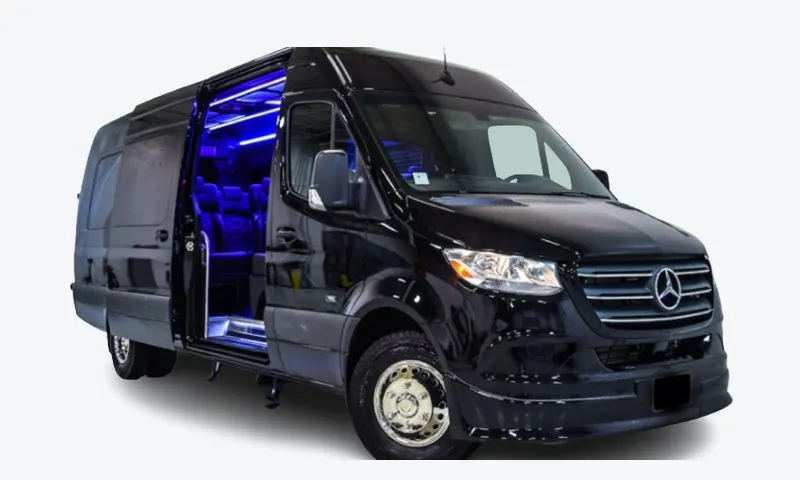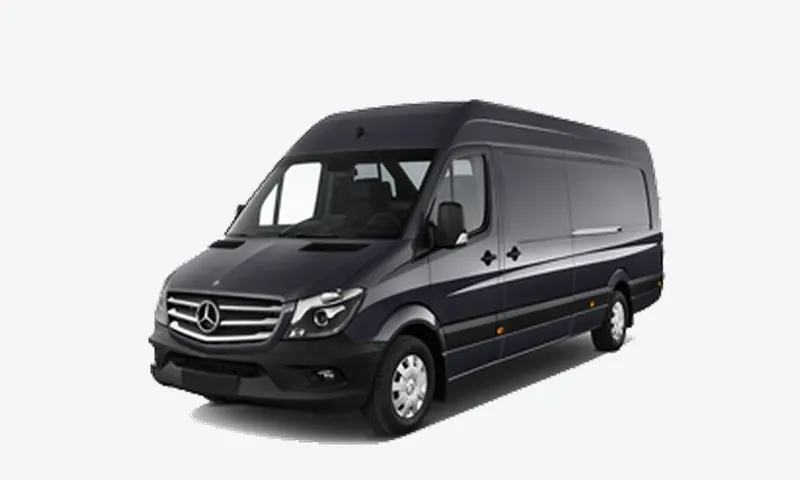









Choose by whichever is larger, people or large bags. A business or first-class sedan takes 3 passengers and 3 large cases; an executive SUV or luxury minivan takes 6 and 6; an executive Sprinter takes 14 and 14. Count strollers, ski bags and car seats as large items. From Pearson to downtown, planning fares are $130–160 by sedan, $165–205 by SUV and $285–350 by Sprinter, before HST.
Most airport pickups that go wrong do so before the car leaves the depot. Someone books a sedan for "two people and a few bags", and at the curb the few bags turn out to be four suitcases, a stroller and a golf bag. The chauffeur cannot close the trunk, a second car is 40 minutes away, and the flight is not going to wait. Picking the right vehicle is the cheapest insurance against that morning.
This guide from the dispatch desk explains what each vehicle class in our fleet actually holds, how to count luggage honestly, what each costs, and when it makes sense to step up or down a size.
What each vehicle holds
The capacities below are what we plan to, with adults seated comfortably and the luggage carried safely inside the vehicle. Fares are planning figures from Pearson to downtown Toronto, one way, before HST; the rates page lists other areas and the reservation engine quotes your exact trip.
| Vehicle | Passengers | Large cases | Pearson to downtown | Hourly (minimum) |
|---|---|---|---|---|
| Business sedan | 3 | 3 | $130–160 | $130–150/h (3 h) |
| First-class sedan | 3 | 3 | $295–360 | quoted by the reservation engine |
| Executive SUV or luxury minivan | 6 | 6 | $165–205 | $160–190/h (3 h) |
| Executive Sprinter | 14 | 14 | $285–350 | $225–270/h (3 h) |
Every fare is fixed and all-in: chauffeur, vehicle, fuel, 407 tolls if used, airport fees and parking, flight tracking and gratuity, with HST at 13 % shown separately. Our breakdown of what a flat-rate airport fare includes goes line by line.
How to count luggage honestly
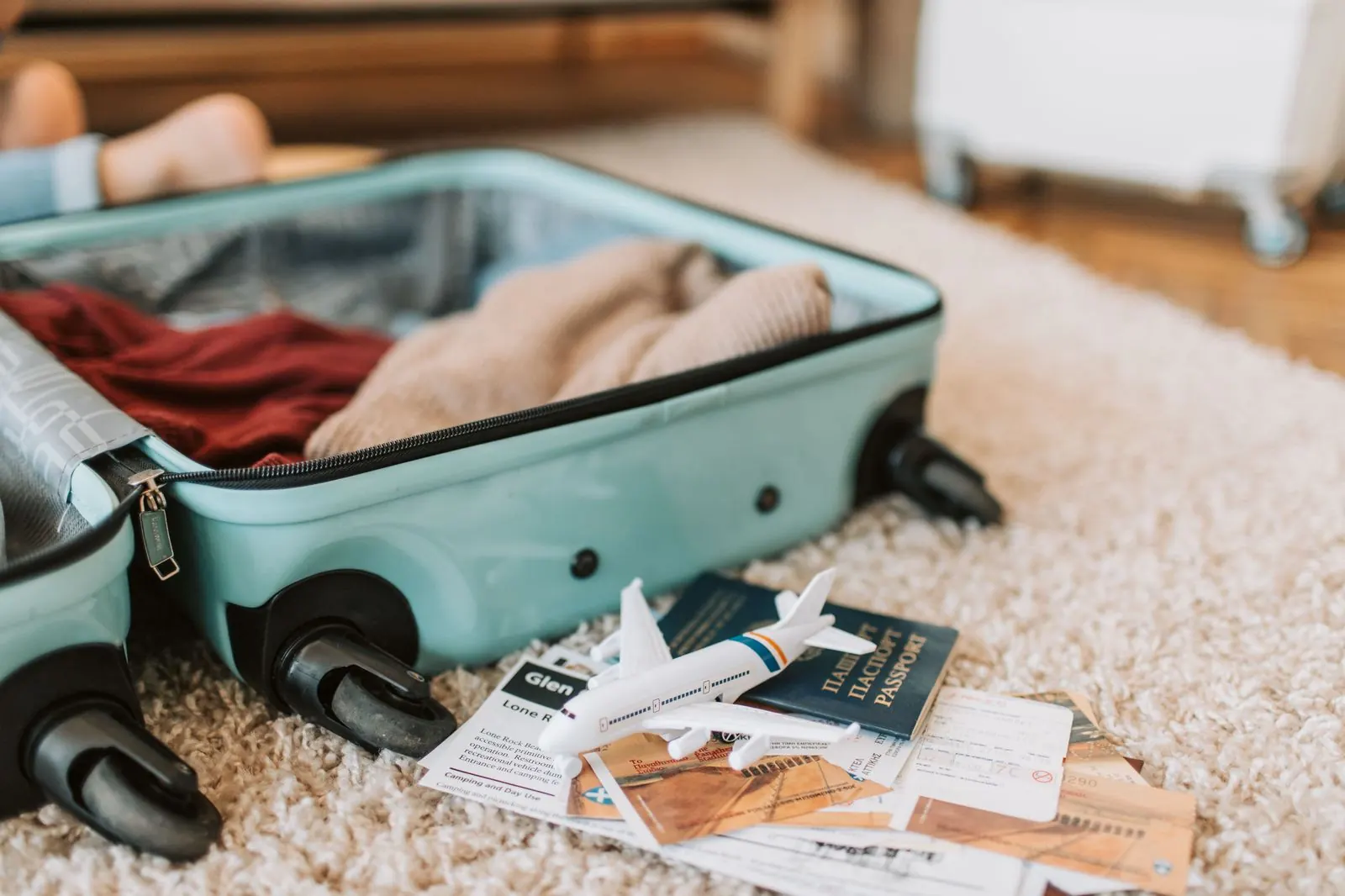
A large case means a checked suitcase, roughly the size an airline weighs at the counter. Carry-on wheelies and backpacks usually fit around them, but not without limit. The items people forget are the ones that decide the vehicle: strollers, car seats travelling as luggage, hockey bags, ski and snowboard bags, golf bags, guitar cases, folding wheelchairs and pet crates. Count each of those as a large item. Then apply one simple rule: the vehicle must cover whichever number is bigger, passengers or large items. Four people with two cases need an SUV; two people with five cases need one too.
When a sedan is the right call
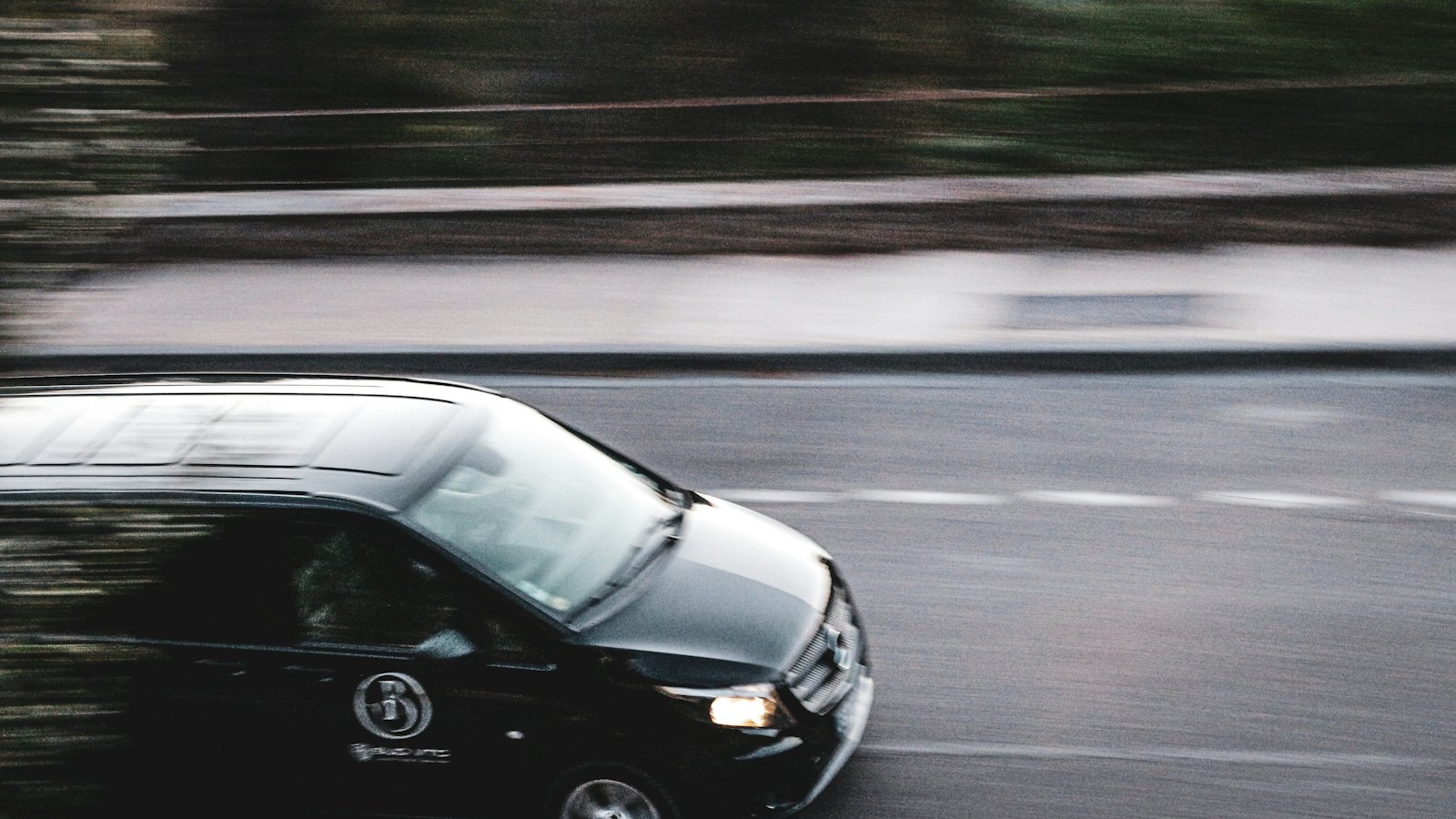
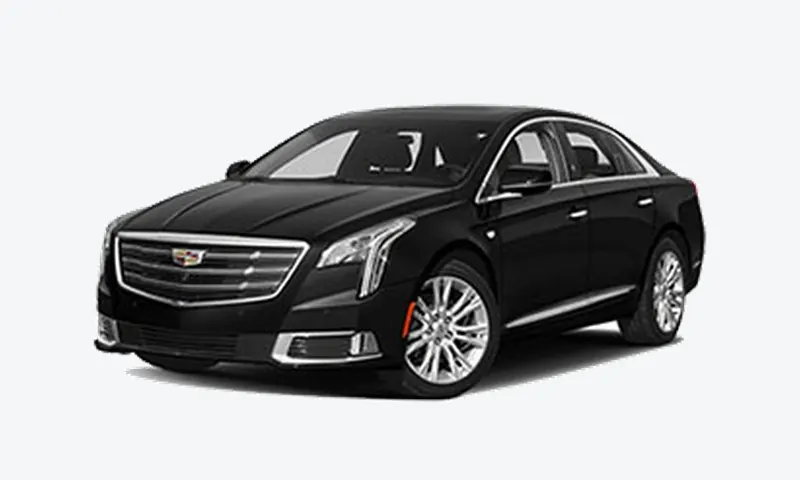
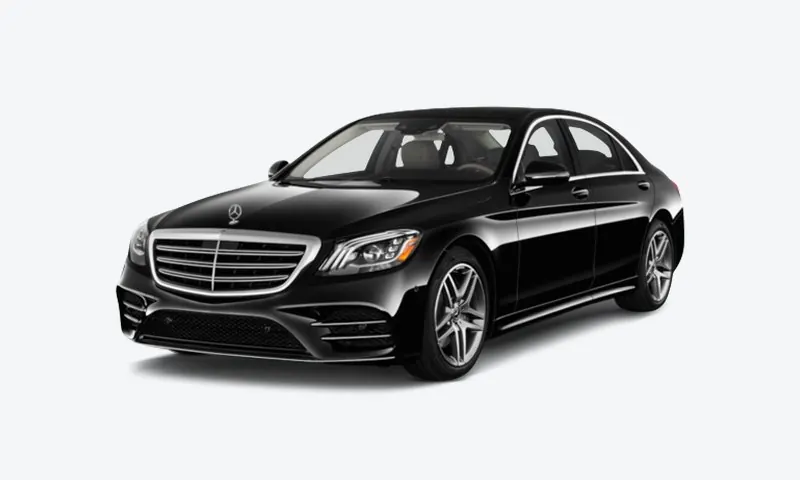
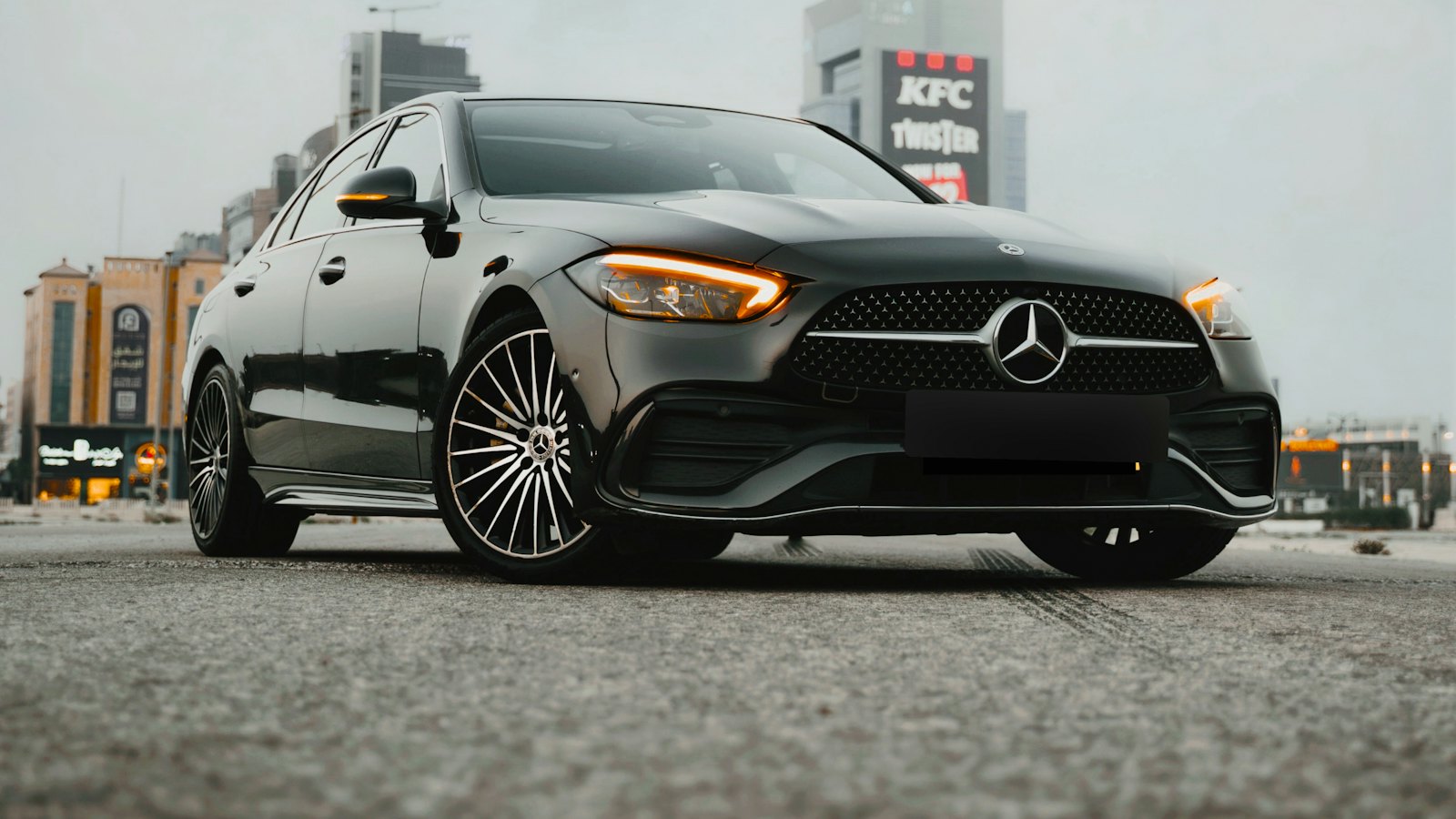
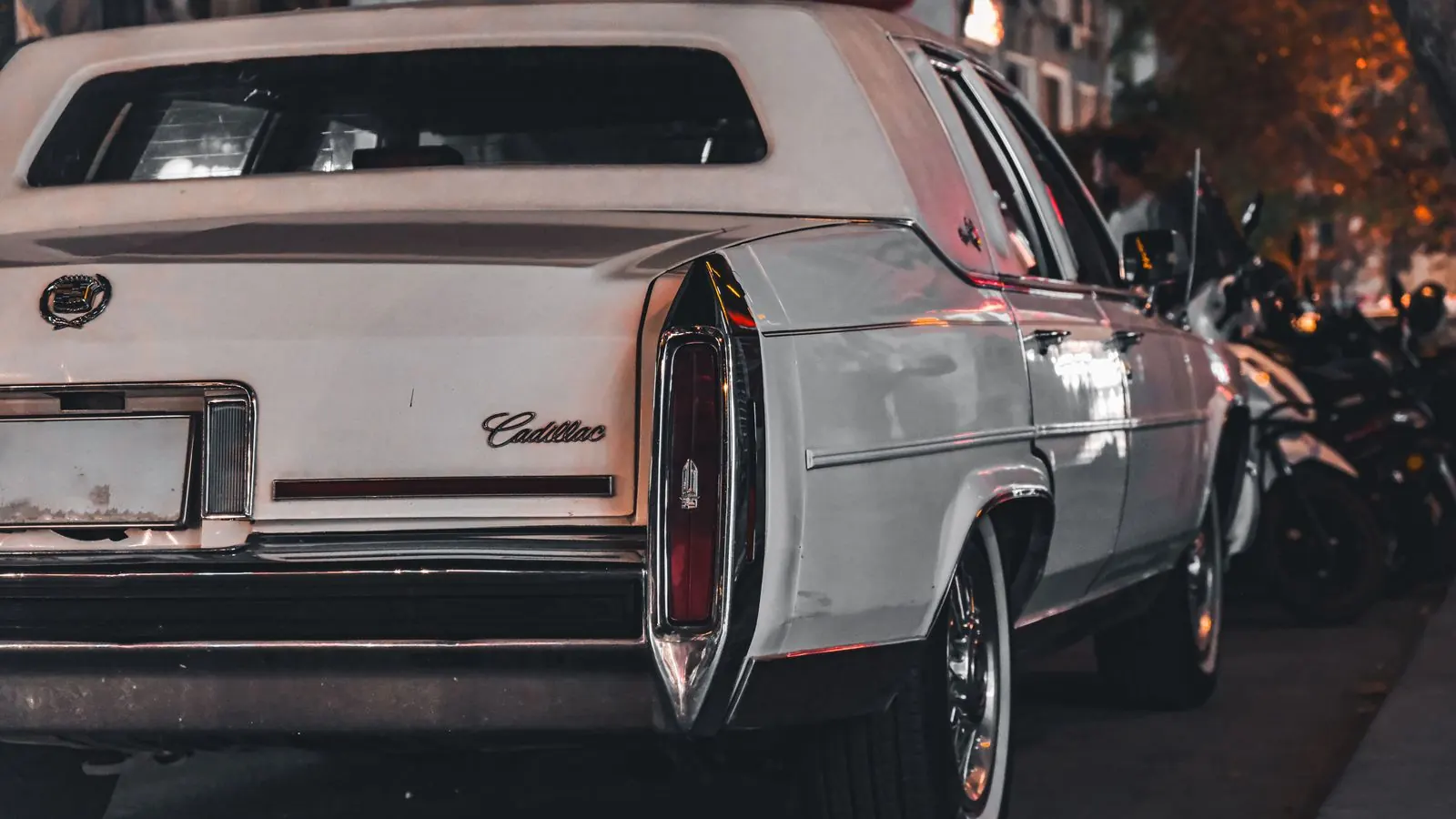
A business sedan suits one to three passengers with up to three checked cases: the solo business traveller, a couple going on holiday, a parent and student heading to campus. It is the quietest and cheapest option and the one most of our airport trips use. Choose the first-class sedan when the passenger is the point of the trip, such as a visiting executive, a client you are hosting or a milestone occasion; it offers more rear legroom and a more refined cabin for the same three-and-three capacity. Our black car service page shows both. The limit to remember is the third passenger: three adults with three large cases is a full sedan, and a booster seat counts as one of the three seats.
SUV or minivan for families and small groups
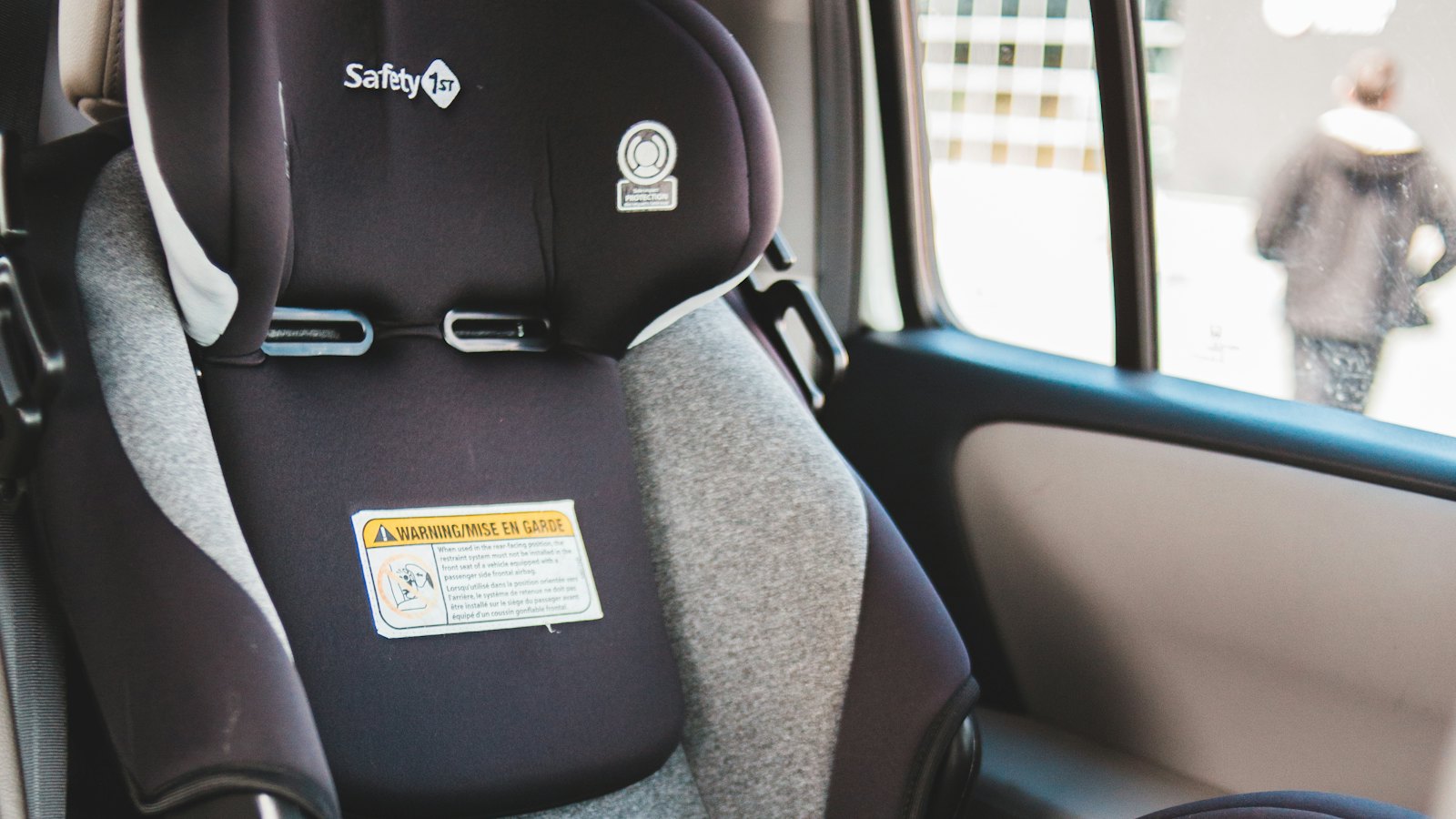
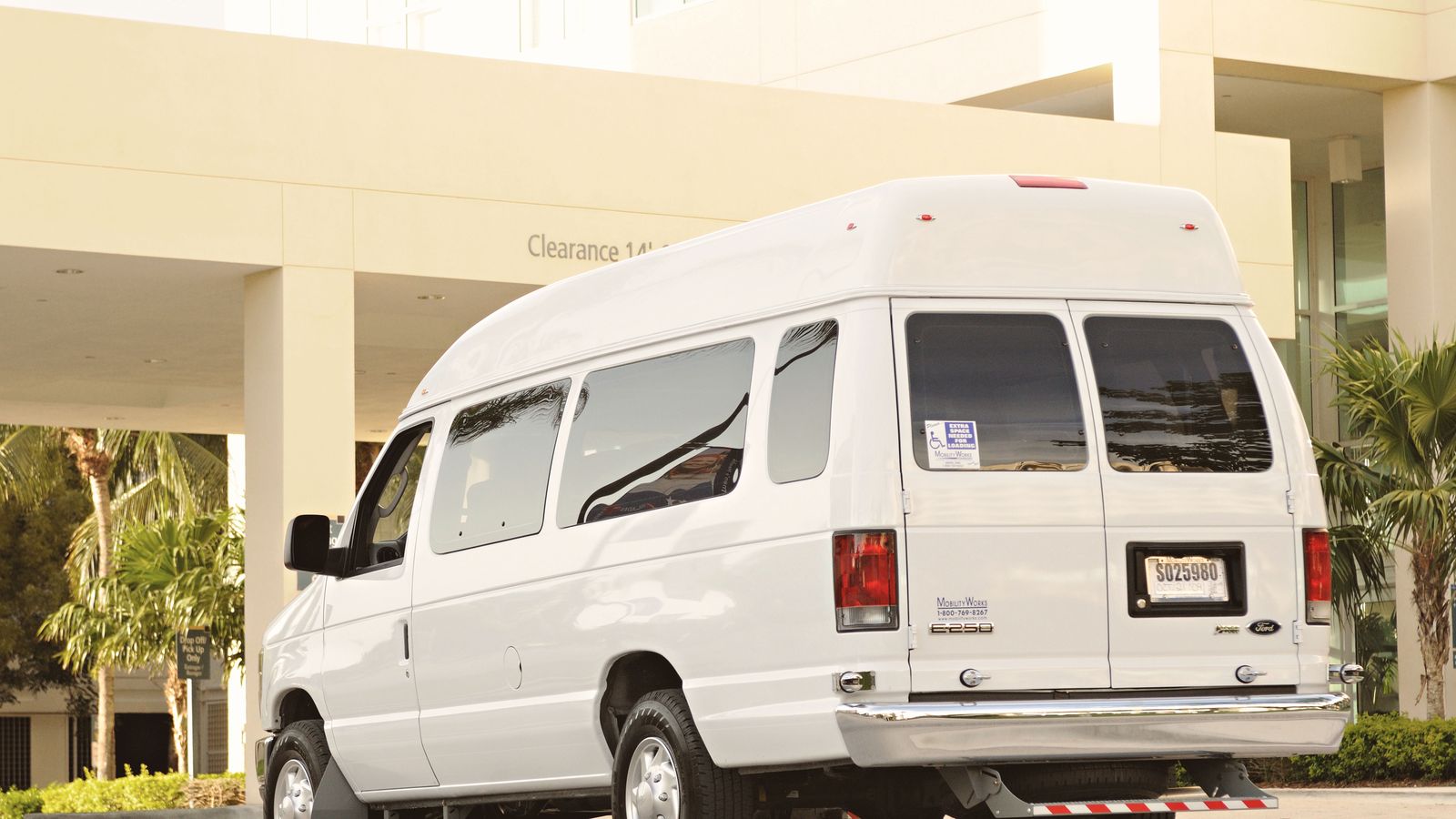
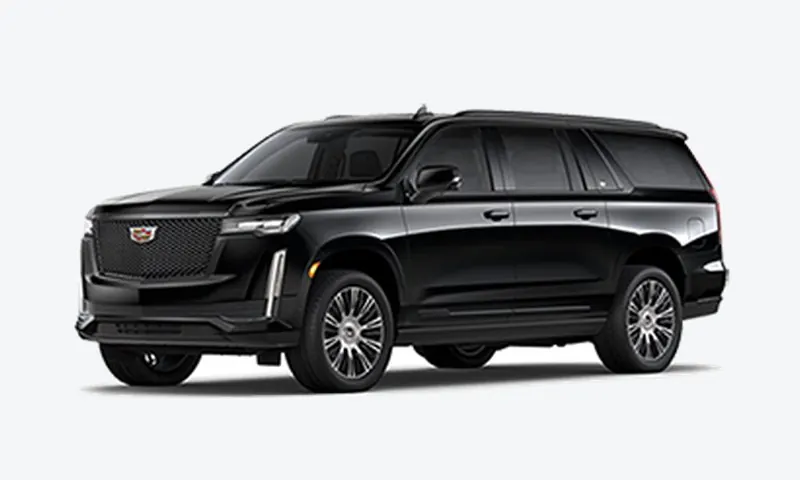
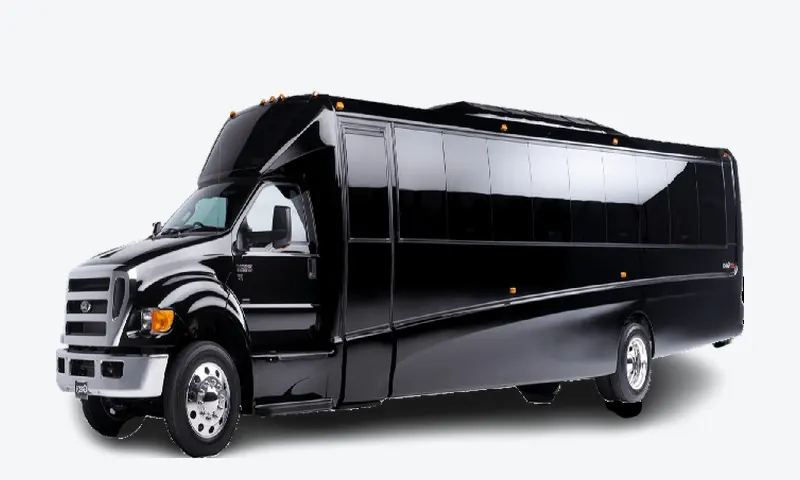
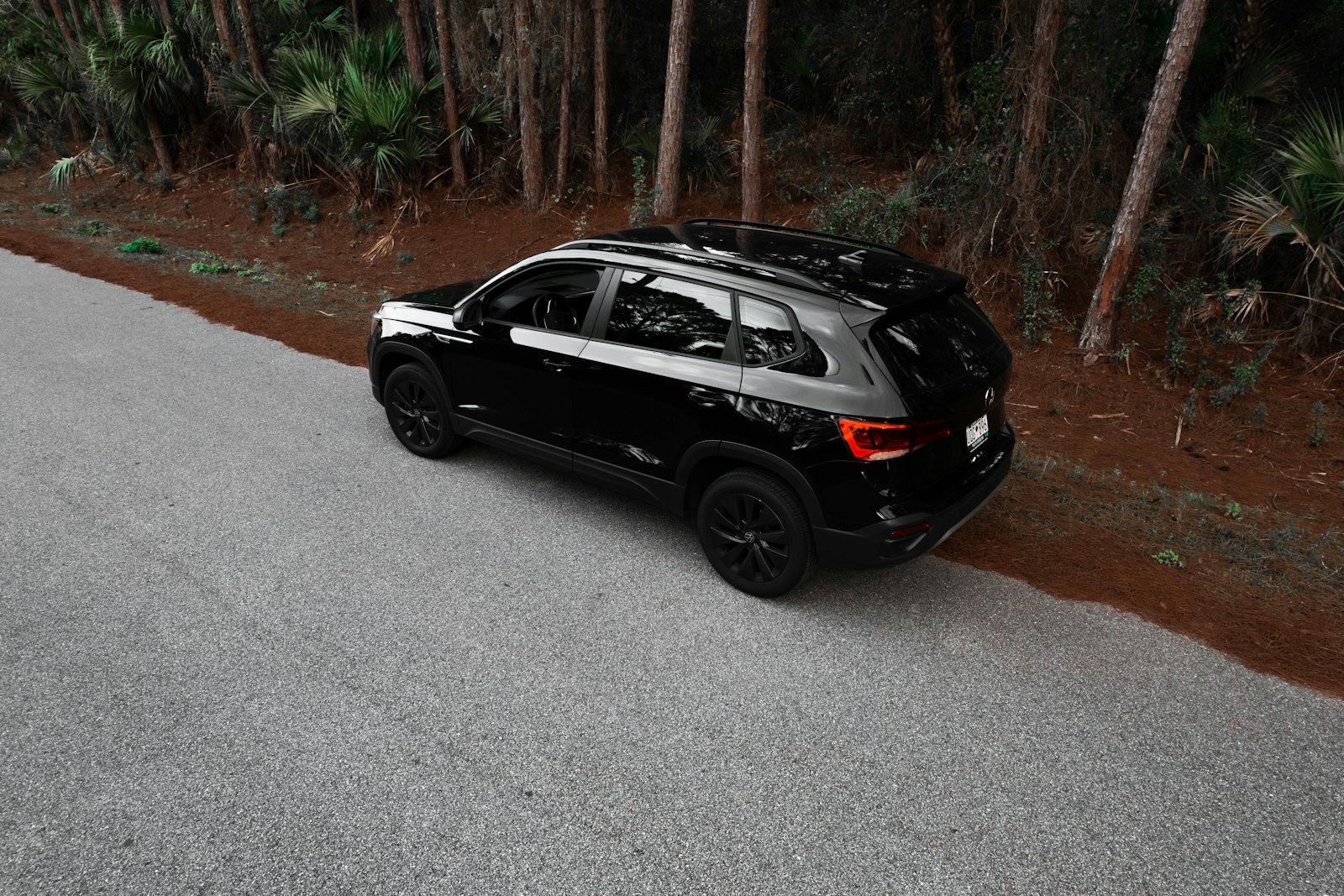
The executive SUV and the luxury minivan share a class: six passengers and six large cases. Which one dispatch sends can be requested. The SUV sits higher, handles deep snow on side streets well and is the usual choice for executives travelling in a group. The minivan has sliding doors and a lower step, which makes it easier for elderly parents, small children and anyone with a cast or a walker. If mobility is a factor, say so at booking, and read travelling through Pearson with a wheelchair for the airport side. Child seats are $25 each and are fitted before pickup; our post on car seats on airport rides in Ontario explains which seat each age needs. The luxury SUV service page has the details.
When the Sprinter earns its place
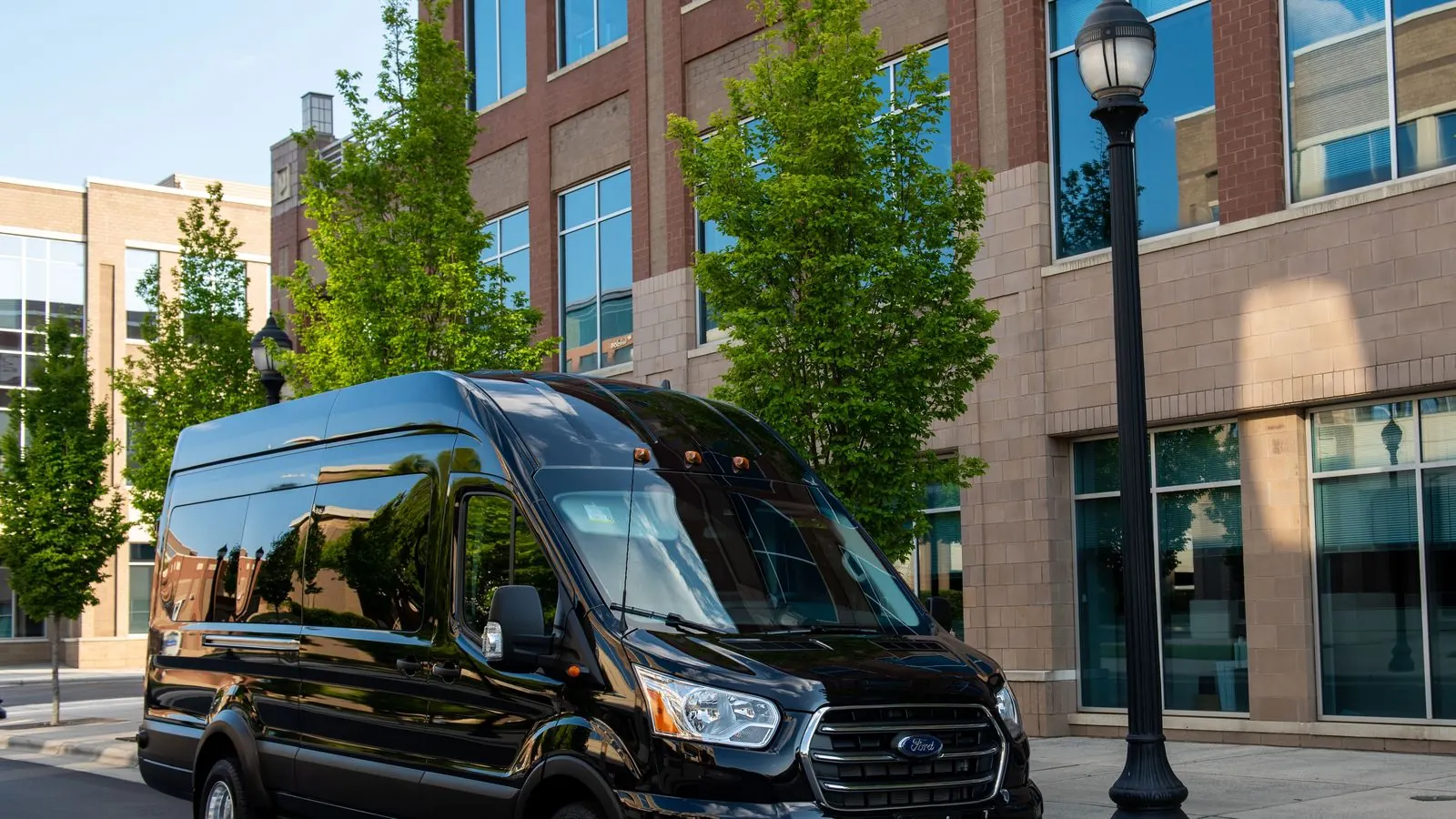
The executive Sprinter takes up to 14 passengers and 14 large cases, with standing headroom and a separate luggage area at the back. It is the vehicle for wedding parties, sports teams, corporate groups and two or three families flying together. From seven passengers up, one Sprinter is usually simpler and cheaper than two SUVs, and it keeps the group together through traffic. Our post on group airport transfer cost per person works through the arithmetic, and the Sprinter group transportation page shows the vehicle.
Two SUVs still make sense when the group splits at the airport, for example half to a downtown hotel and half to Mississauga, or when two families want their own space after a long-haul flight.
Bigger groups and special vehicles
Above 14 passengers, or for occasions where the vehicle is part of the event, stretch limousines, limo buses, party buses, Rolls-Royce or Maybach cars and coaches come from vetted partner fleets, planned by a coordinator who confirms in writing. A stretch limousine looks wonderful at a wedding but is a poor airport vehicle, because its trunk is small for its length; see the stretch limo rental page before choosing one for a flight. For airport groups of 16 or more, our existing post on the airport limo bus for groups explains the options.
Real trips and the right vehicle
Here is how dispatch would book four real-world airport trips, from the simplest to the one that catches people out.
| Trip | People and gear | Vehicle | Why |
|---|---|---|---|
| Consultant, Pearson to a King Street hotel | 1 passenger, 1 case, 1 laptop bag | Business sedan | Well inside sedan capacity; quiet place to take a call |
| Family home from Florida to Oakville | 2 adults, 2 children, 5 cases, a stroller and a booster | Executive SUV or minivan | Six large items and a child seat exceed a sedan |
| Wedding party to a Muskoka resort | 11 guests, 12 cases, 2 garment bags | Executive Sprinter | One vehicle for everyone and every bag |
| Ski group to Mont-Tremblant | 5 skiers, 5 cases, 5 ski bags | Executive Sprinter | Ten large items exceed an SUV |
The ski example surprises people. Five passengers would fit an SUV, but five cases plus five ski bags make ten large items. Our post on the Mont-Tremblant ski transfer covers that trip in full.
Pets, instruments and awkward items
A pet crate for a medium or large dog takes the space of two cases and should travel in an SUV or minivan, with the crate secured. Mention it at booking so the right vehicle is sent; the airport side, including the paperwork for animals entering Canada set by the Canadian Food Inspection Agency, is covered in our post on flying with a pet through Pearson. Cellos, bike boxes and surfboards are best described with rough dimensions in the booking notes. Airline baggage rules are not ours to set, so check your airline and Toronto Pearson's site for oversized-baggage counters before you travel.
Does a bigger vehicle change anything else?
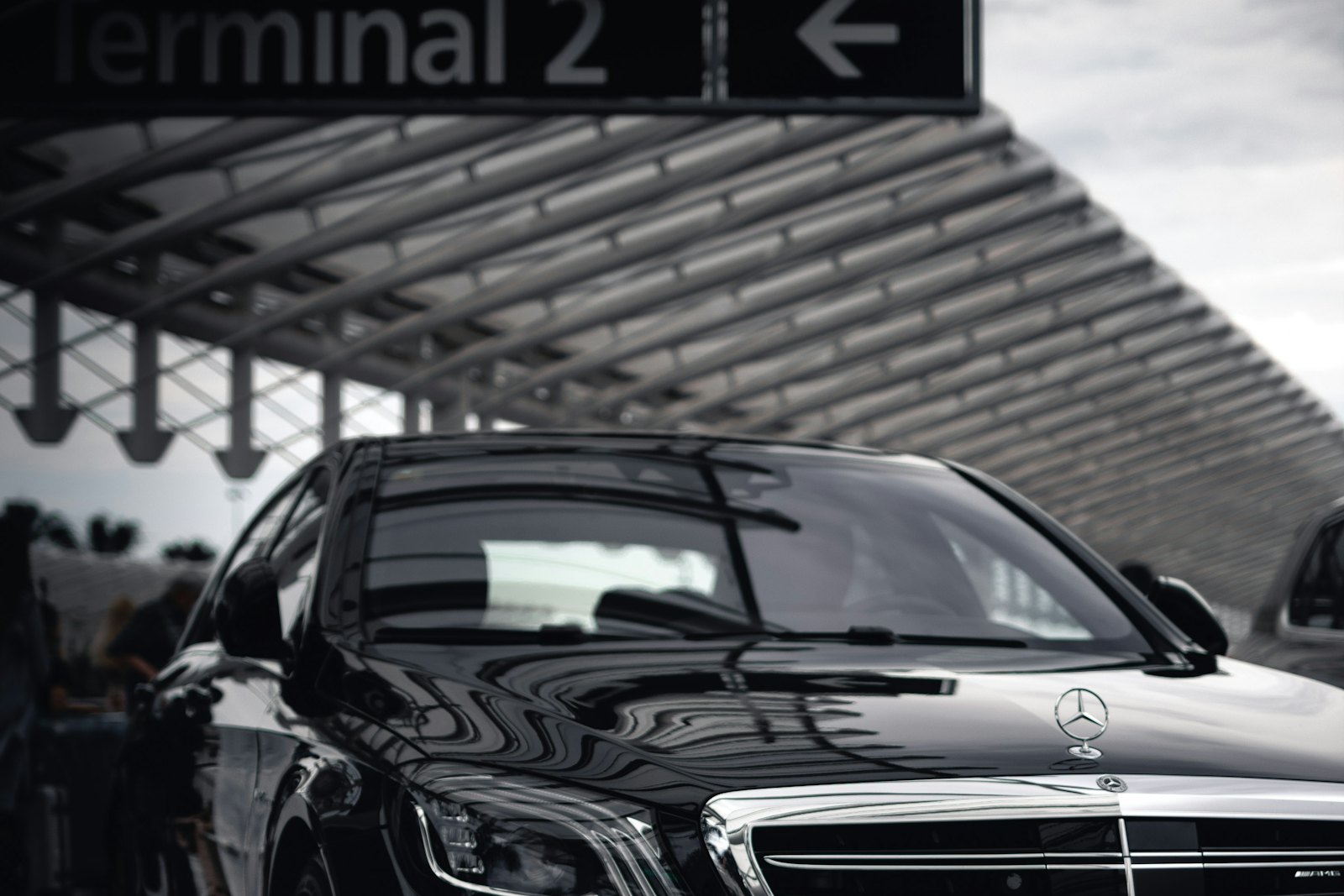
Very little beyond space and price. The included waiting is the same in every class: 60 minutes from actual landing on international arrivals from outside the US, 30 minutes on Canadian domestic and US flights, and 15 minutes on non-airport pickups. Every vehicle meets you at the terminal's pre-arranged commercial pickup area, and the chauffeur loads the bags in each case. With a large group, the slow part is usually gathering everyone after customs rather than the drive, which is why many group organisers add meet and greet inside the arrivals hall, planning figure $150: the chauffeur gathers the whole party at a name board and walks everyone out together.
What if you book the wrong size?
Changes to the vehicle are free when they can be accommodated, and the fare changes only to reflect the new vehicle. Tell dispatch as soon as the plan changes, ideally the day before, because a larger vehicle on short notice may not be available at 4 a.m. If you arrive at the curb with more than the booked vehicle can carry safely, the chauffeur will not overload it; dispatch will look for a second car, which costs time. Booking one size up when you are unsure is usually the cheaper mistake.
Choosing and booking your vehicle
In the reservation engine, enter the number of passengers and large items honestly, and it will offer the vehicles that fit, each with its fixed fare. The fleet page shows each class, and for hourly bookings, such as a day of meetings after landing, see the hourly chauffeur service. If you are unsure, call dispatch on (877) 860-3388 and describe the bags; we would rather spend two minutes on the phone than two hours fixing a curbside problem.