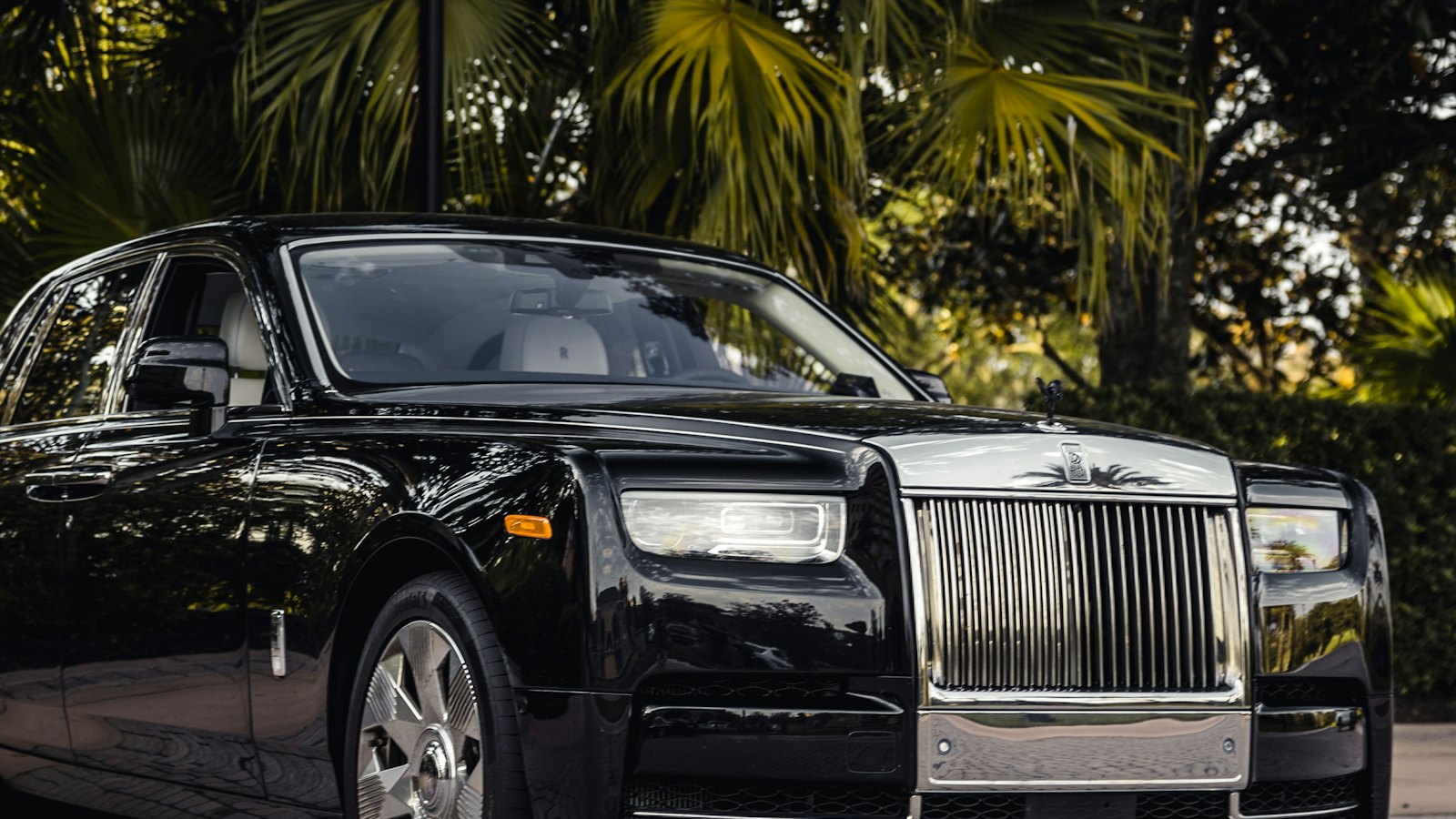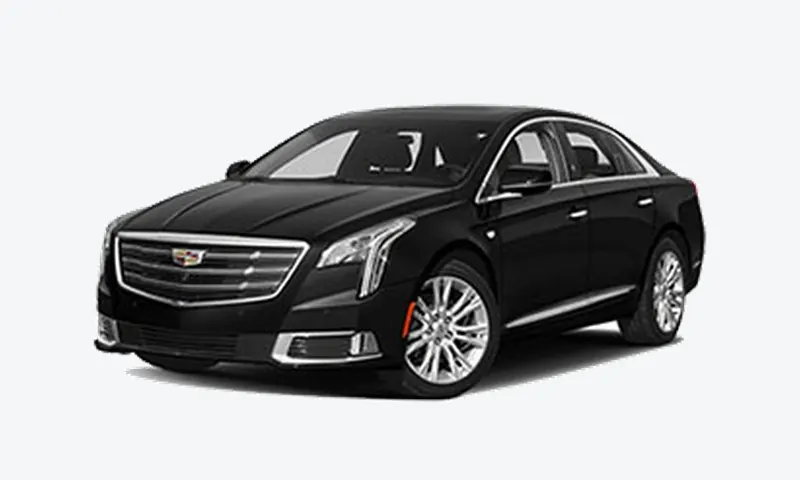











For a week away, compare the posted daily parking rate multiplied by the number of calendar days, plus fuel, any 407 tolls and the shuttle time, against two fixed one-way fares from your area. Parking usually wins for short solo trips from nearby suburbs. A chauffeur usually wins for families, longer trips, far suburbs, late-night returns and winter, when the car waiting for you is under snow.
Every few weeks someone calls dispatch, hears a fare for a round trip to the airport, and says they will drive and park instead. Sometimes that is the right decision. But it is often made by comparing a fare with a daily parking rate, which is not a fair comparison: the parking rate is multiplied by every day you are away, and it leaves out fuel, tolls, the shuttle and the drive home at the end of a long flight.
This post sets out a fair way to compare the two, with our planning fares on one side and a simple formula for parking on the other. It is honest about when parking wins, because it often does.
What a week of parking really includes
Airport parking prices change with the season and the type of lot, so check the current rates for the garage or lot you would use on Toronto Pearson's site or the operator's own site rather than relying on memory. Whatever the rate, the total for a trip is built from the same parts.
- Calendar days, not nights. A Saturday-to-Saturday holiday usually means eight days of parking, because the day you leave and the day you return both count.
- Fuel for two drives, to the airport and back.
- Tolls if you take the 407; the 407 ETR site has its rate calculator.
- The shuttle or the walk from an economy lot to the terminal, and back again with bags.
- Wear and risk: a battery that will not start in January, a car under snow, a door ding in a busy garage.
What two chauffeured rides cost
Our fares are fixed and all-in: chauffeur, vehicle, fuel, 407 tolls if used, airport fees and parking, flight tracking and gratuity are included, with HST shown separately. A round trip is simply two one-way fares. The figures below are planning ranges for a business sedan before HST; the reservation engine and the fare calculator give the exact number, and the rates page lists every city.
| From | One way, business sedan | There and back |
|---|---|---|
| Mississauga or Etobicoke | $90–120 | $180–240 |
| Downtown Toronto | $130–160 | $260–320 |
| Vaughan | $115–145 | $230–290 |
| Oakville | $120–150 | $240–300 |
| Markham | $145–180 | $290–360 |
| Hamilton | $195–240 | $390–480 |
| Whitby or Oshawa | $220–265 | $440–530 |
| Barrie | $265–315 | $530–630 |
Our post on what a flat-rate airport fare includes breaks the fare down line by line.
A simple way to compare
Write down two numbers. The first is parking: the daily rate times the calendar days, plus fuel for about twice your one-way distance, plus any tolls. The second is the round-trip fare for your vehicle size, plus 13 % HST. If the first number is bigger, the chauffeur costs less as well as saving the drive. If the second is bigger, the difference is what you are paying for not driving, and you can decide whether that is worth it to you. That is the whole calculation; anything else is a matter of time and comfort.
Off-airport lots and park-and-fly packages
Private lots near the airport and hotels that bundle a night’s stay with a week of parking often advertise lower daily rates than the terminal garages. They can be good value, but count the whole package: how often the shuttle runs at the hour you land, whether it waits for late flights, and how long the loop to the terminal takes with stops at other hotels. A cheaper lot with a 30-minute shuttle wait at midnight is not always cheaper in the way that matters. If you are weighing a hotel night before an early departure anyway, our post on sleeping at an airport hotel and the comparison of hotel shuttles and private transfers are worth reading first.
When driving and parking wins
Be honest with yourself about these cases, because a chauffeur is not always the sensible choice.
- A one- or two-night trip, where parking days are few.
- A solo traveller from Mississauga or Etobicoke, where the drive is short and simple.
- A trip with an uncertain return date, where you want to leave when you choose.
- A traveller who enjoys driving and lands at a civilised hour.
When a chauffeur wins
- Trips of a week or more, where parking days pile up.
- Families with children, car seats and several bags, where a single vehicle replaces a shuttle juggle.
- Far suburbs and regions such as Barrie, Durham or Niagara, where the drive home after a long flight is the hardest part of the trip.
- Late-night and red-eye returns; our post on red-eye arrivals explains why tired drivers and the 401 at 1 a.m. do not mix.
- Winter, when the car in the economy lot is under a foot of snow and the battery has been cold for nine days.
- Business travel, where the fare goes on a receipt with HST shown separately; see our post on HST on airport fares.
The costs nobody writes down
The numbers above leave out time, and time is real. Finding a space in a busy garage at 5 a.m., waiting for an economy lot shuttle, and wheeling bags through a car park add 20 to 40 minutes to the start of a trip. At the end, after customs and a long flight, you are the one driving the 427 or the 401 home, often at night and sometimes in weather. Compare that with walking out of the terminal to a warm car, with the luggage handled and a fixed fare that does not change for a delay or a storm; our post on surge pricing and fixed fares explains why the price holds.
Business trips and company policy
For work travel the question is often who pays rather than what it costs. Many employers reimburse mileage and parking, others prefer a car service on account, and some cap one or the other. A fixed fare is easy to approve in advance, and the receipt shows the fare, any add-ons and HST separately, which saves an argument with the expense system later. Companies with regular travellers can open an account that is invoiced monthly after approval; our post on corporate accounts and monthly billing and the corporate accounts page explain how it works.
Taxis, rideshare and the train
Parking and a chauffeur are not the only two choices. If you live near Union Station and travel light, the UP Express is hard to beat on price for a solo traveller. Taxis and rideshare work for a single trip, but rideshare prices rise at busy times and a taxi from the airport can vary by route. Our comparison of limo, Uber, taxi and UP Express and the post on the cheapest taxi vs a flat-rate car set out the trade-offs for each.
Mixing and matching: one way each
You do not have to choose one approach for both legs. Many families have a friend drop them off on a Saturday morning and book a car for the late return, when nobody wants to ask a favour at midnight. Others drive to the airport for an early flight and book a ride home because the return lands in a snowstorm. If someone is collecting you, our post on the cell phone lot or a booked pickup helps them decide how to do it.
A worked example: a family of four from Oakville
The Moreaus, two adults and two children with four suitcases and a booster seat, are flying to Florida for a Saturday-to-Saturday week. Four passengers rule out a sedan, so the fair comparison is an executive SUV: $155–190 each way before HST from the Oakville page, or $310–380 for both legs, plus $25 for the booster seat on each trip and 13 % HST. Against that they set eight days of parking at the lot they would use, fuel for two round trips on the QEW and the 427, and the economy shuttle with two tired children at 11 p.m. on the way home. If eight days of parking plus fuel comes to more than the fares, the choice is easy. If it comes to less, the difference is the price of not driving home after midnight, and for this family it was worth paying. Our luxury SUV page describes the vehicle.
Booking a round trip
Book both legs together so the return is tracked against your flight. A delayed or cancelled flight is not a no-show; the pickup is simply moved, as our post on delayed flights explains. Cancellation is free more than 72 hours before pickup, then 10 % at 72 hours or less, 50 % at 48 hours or less and 100 % at 24 hours or less. The booking page shows the fixed fare for each leg before you confirm.