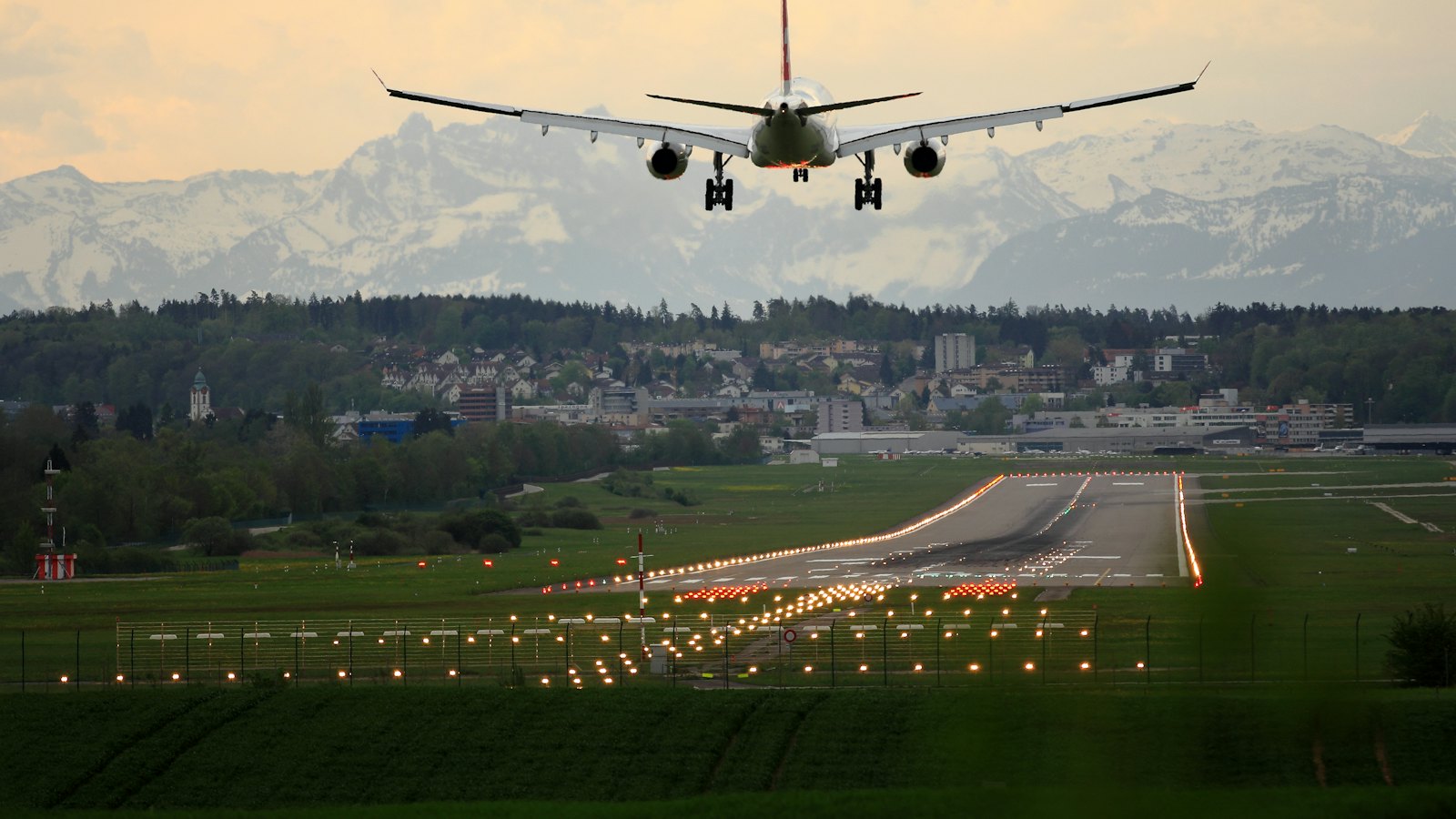











A red-eye into Toronto Pearson usually lands between about 5 and 7:30 a.m. Domestic and US passengers can often be at the curb within 30 minutes; international passengers may meet a busy customs hall when several overnight flights land together. A pre-booked car tracks the flight and waits, and the drive downtown takes 25 to 35 minutes before 6:30 a.m., longer once the rush builds.
Red-eye flights are a trade: you save a hotel night or a working day, and you pay for it with a short, broken sleep in a seat. The arrival is where that trade either works or falls apart. Land at 5:40 a.m. with a clear plan and you are showered and at your desk, or asleep in your own bed, by 8. Land without one and you can spend two hours in the terminal waiting for a hotel room, a colleague or the courage to drive.
This post is about the hours between touchdown and the city properly waking up: what the airport is like at that time, how the roads behave, and how to use a booked car so the morning starts gently.
Who lands at Pearson before sunrise?
The classic red-eye is the overnight hop from the West Coast. Flights leaving Vancouver, Calgary or Los Angeles late in the evening cross three time zones and arrive in Toronto in the early morning. Some long-haul flights from South America follow the same pattern, along with connections that reach Pearson after an overnight leg somewhere else. Schedules change by season, so treat any arrival time as the airline's to confirm, and check live status on Toronto Pearson's site the night before. What matters for planning is the type of flight: a domestic or US red-eye is quick to leave the building, while an international one involves the customs hall.
The first hour after a red-eye
Early mornings are not always quiet inside the terminal. Several overnight international flights can land within the same hour, and the customs hall feels it. Our guide to arriving in Canada at Pearson covers the kiosks and the questions; on a red-eye the practical advice is to fill in any advance declaration the airline or the airport app offers before you land, so the process starts while you are still taxiing. Domestic passengers walk straight to the belts. Use the washroom, buy a coffee, and then text your chauffeur once your bags are on the trolley. For international flights from outside the US, 60 minutes of waiting are included from actual landing; for domestic and US flights, 30 minutes.
| You reach the curb at | Road picture | Pearson to downtown by car |
|---|---|---|
| 5:00–6:00 a.m. | Quiet; trucks and early shift workers only | 25–35 minutes |
| 6:00–7:00 a.m. | Inbound volume building on the 427 and Gardiner | 30–45 minutes |
| 7:00–8:00 a.m. | Morning rush under way | 40–60 minutes |
| 8:00–9:30 a.m. | Peak; the Gardiner slows near the core | 45–75 minutes |
Why a dawn landing is a traffic gift
The one thing a red-eye gives you for free is an empty highway. At 5:45 a.m. the 427 south and the Gardiner east run at the speed limit, and the 401 is still free-flowing across the top of the city. Every half hour after that costs you minutes, which is why the chauffeur will not dawdle once you are in the car. Heading north or east the effect is the same: Markham, Richmond Hill and Vaughan are quick before 6:30 a.m. and slow by 7:30. If your flight lands late and you meet the full rush, the fare does not change; it is fixed when you book, with no time-of-day surcharge. Our post on how chauffeurs track your flight explains how the car is in position for an early landing as easily as a late one.
Your hotel room is not ready: now what?
The most common red-eye problem is not the flight but the hotel. Standard check-in is usually in the afternoon, and walking into a downtown lobby at 6:30 a.m. with two suitcases rarely gets you a room. There are three good answers. First, book the room from the previous night, so it is genuinely yours when you arrive; for a 6 a.m. landing this is often worth the cost. Second, ask the hotel for early check-in in writing and accept that it is a request, not a promise. Third, leave your bags with the front desk and go to breakfast. If you have a busy morning, a chauffeur by the hour can bridge the gap: our hourly chauffeur service starts at $130–150 an hour for a business sedan, three hours minimum, and the bags stay in the car while you eat and make your first meeting.
Going straight to a meeting
Plenty of business travellers book a red-eye precisely so they can walk into a 9 a.m. meeting. It works, with a little planning. Pack a fresh shirt and a toothbrush in the cabin bag, freshen up in the arrivals area, and tell dispatch at booking that the destination is an office rather than a hotel. A Bay Street address before 7 a.m. is quick to reach; the chauffeur can drop you at a café near the building so you have an hour to read and wake up. Many office towers have a concierge desk that will hold a suitcase for a visitor. If your company books you regularly, put a cost centre in the notes so the receipt goes straight into the expense system.
The ride home when you have not slept
If the red-eye is bringing you home rather than away, the temptation is to drive yourself and leave the car in an airport lot. Think twice. A night in an economy seat is poor sleep, and the stretch of the 401 or 400 between Pearson and your exit is not the place to find out how tired you are. Our comparison of Pearson parking against a chauffeur sets out the money for a week away; for a red-eye home, the safety argument alone often settles it. In the back of a sedan you can close your eyes for 40 minutes and walk in the door rested enough to function.
Red-eye arrivals in winter
From December to February the sun does not rise in Toronto until well after 7 a.m., so a red-eye in winter is an arrival in full darkness, often in cold that bites the moment the terminal doors open. A car that has been running and cleared of snow is a real comfort. Overnight snowfall also slows the early runs, because ploughs and salt trucks are still working when you land; dispatch checks Environment Canada's forecast the evening before and positions the car early. Our post on what chauffeurs do in a snowstorm describes the routine. Keep a warm layer in your cabin bag, not in the checked case, if you are coming from Vancouver or Los Angeles in a light jacket.
Is UP Express or a taxi better at dawn?
Sometimes, yes. A solo traveller with one carry-on, heading to a hotel next to Union Station, can do very well on the train once it starts running for the day; check the first departure on the UP Express site, because a landing before the first train leaves you waiting. Taxis and rideshare are available at Pearson at that hour too. The booked car earns its place when you have checked bags, children, a destination away from the downtown core, or simply no wish to stand in any queue after a sleepless night. Our comparison of limo, Uber, taxi and UP Express lays the choices side by side.
A worked example: Sao Paulo to Mississauga
A family of four is coming home on an overnight flight from Sao Paulo, scheduled to land at 6:20 a.m., with five large cases and two backpacks. They book an executive SUV to their house in Mississauga, which seats six with six cases. The flight lands at 6:12 a.m. Customs is busy because two other long-haul flights arrived within the hour, and they reach the belts at 6:55 a.m. The last case appears at 7:05 a.m.; they text the chauffeur and are loaded and moving by 7:15 a.m., inside the 60 minutes included for an international arrival. The 401 west is already busy, but Mississauga is close, and they are home before 7:45 a.m. The planning fare for an executive SUV to Mississauga is $115–155 plus HST, the same at dawn as at noon. Our Sao Paulo arrival guide has more on that flight.
Booking a red-eye pickup
Book with the flight number, so the car follows the actual landing rather than the scheduled one. Give a mobile number that will work on Canadian networks, or WhatsApp if your SIM will be off; our note on currency and SIM cards after landing helps visitors. If you want someone waiting inside the hall with a name board, that is the meet and greet add-on; otherwise follow our guide on where to meet your chauffeur at Pearson arrivals. Choose the vehicle on the fleet page by passengers and bags, check planning fares on the rates page, and confirm the fixed fare on the reservation page before you fly.