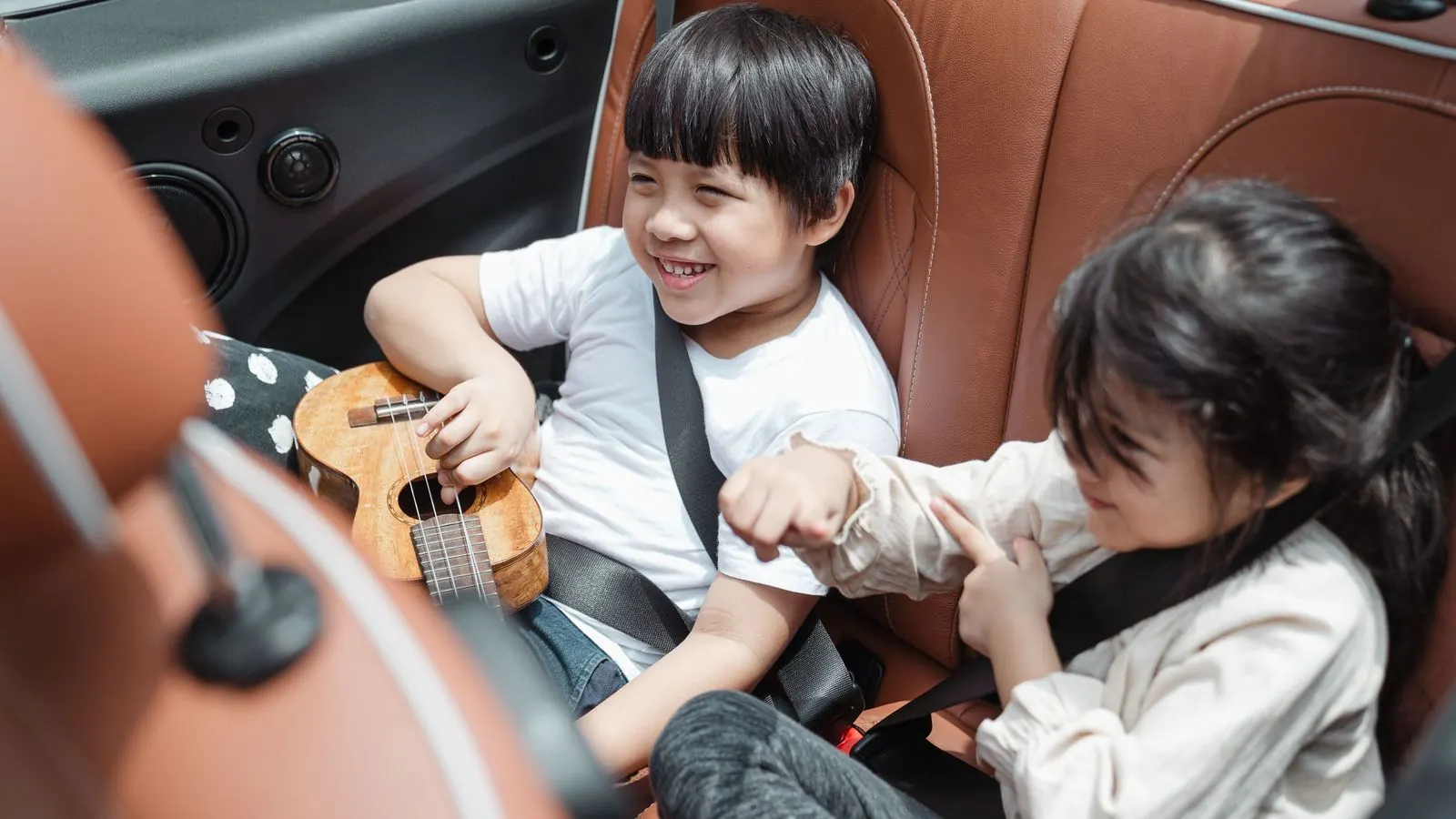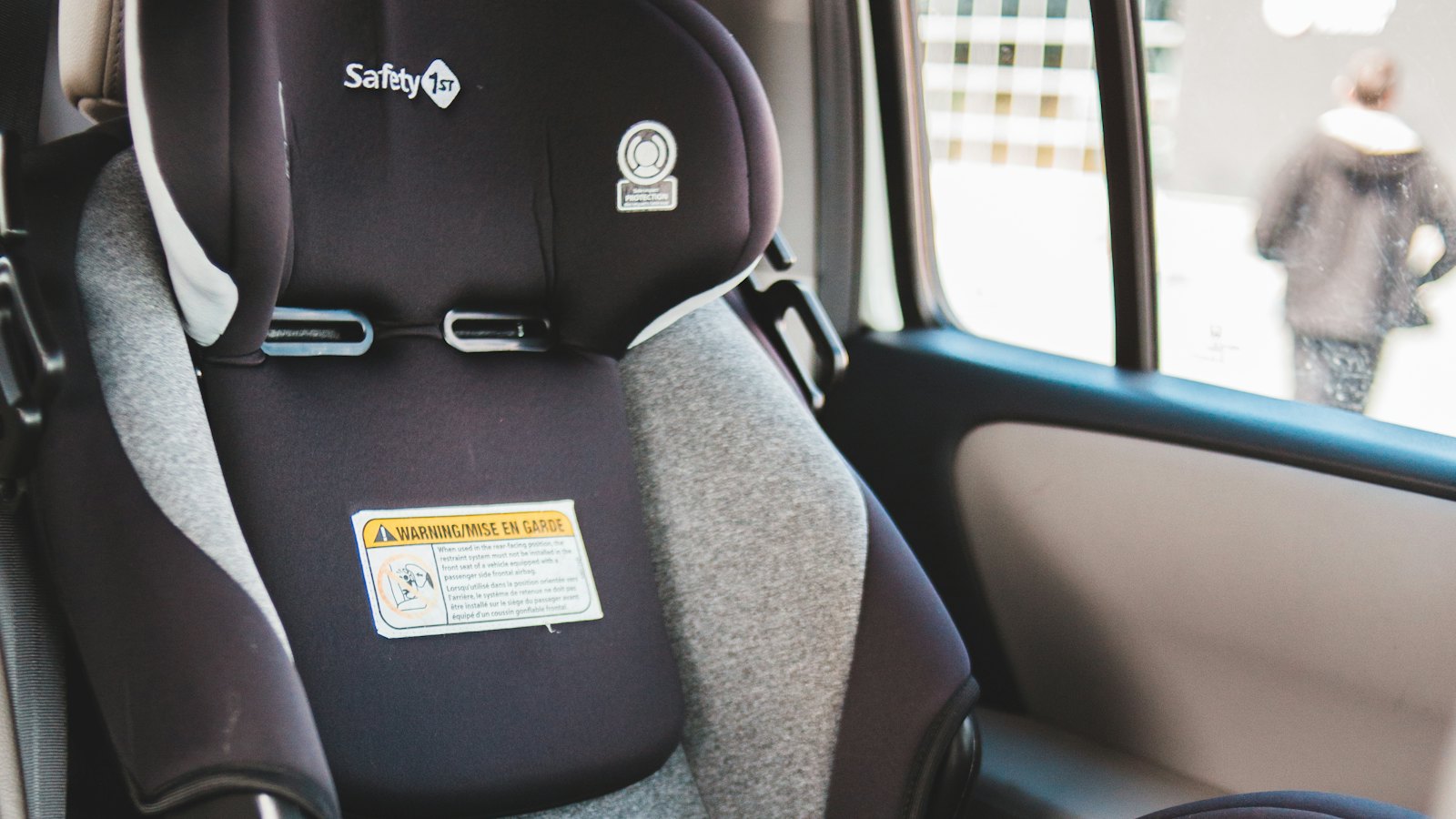











Ontario expects children to ride in a seat suited to their weight, height and age: rear-facing for babies, a forward-facing harness seat for toddlers and a booster until a child outgrows it. On our airport rides you can add an infant, convertible or booster seat for $25 each, fitted before pickup, or bring your own. Each seat takes a passenger place, so count it when choosing the vehicle.
Parents arriving at Pearson after a long flight have one question before any other: is there a proper seat for my child in the car? It is a fair question. A taxi from the stand or a rideshare that happens to be nearby cannot be relied on to carry the right seat, and a tired toddler on a parent's lap on the 401 is not an option anyone should accept. This post sets out what Ontario's rules ask for, what we fit, and how seats affect the rest of the booking.
None of this is complicated once it is planned. The trouble only starts when the seat is an afterthought at the curb.
What Ontario asks of children in cars
Ontario's guidance, published on ontario.ca, moves children through stages by weight, height and age. Babies ride rear-facing, and the province's long-standing threshold is that they stay rear-facing until at least 9 kg (20 lb); safety advocates suggest staying rear-facing for as long as the seat allows. Toddlers of roughly 9 to 18 kg use a forward-facing seat with a harness. Children of about 18 to 36 kg who are under 145 cm tall and under eight years old use a booster, which lifts them so the adult belt sits across the shoulder and hips rather than the neck and stomach. After that, the seat belt alone. Check the provincial page for the current wording before you travel; whatever exemptions exist for some for-hire vehicles, we treat these stages as the rule on every booking.
| Stage | Typical child | Seat we fit | Cost |
|---|---|---|---|
| Rear-facing | Newborns and babies, at least to 9 kg | Infant seat or rear-facing convertible | $25 |
| Forward-facing harness | Toddlers of about 9 to 18 kg | Convertible seat | $25 |
| Booster | About 18 to 36 kg, under 145 cm, under age 8 | Booster seat | $25 |
| Seat belt | Children who have outgrown the booster | None needed | No charge |
Which seat should you ask for?
At booking, give each child's age, approximate weight and height in the notes, and choose infant, convertible or booster for each. If you are unsure, those three numbers let dispatch suggest the right one. A convertible seat is the flexible choice for a child near the boundary, because it can be installed rear-facing or forward-facing. A booster is light and quick but only suits a child who can sit properly for the whole drive, which matters on a long run such as Pearson to Kitchener or Barrie. Do not size up to save money or time: a five-year-old who is small for their age is usually safer in a harness seat than in a booster. Our child car seat transfers page lists the seats we carry.
Bringing your own seat
Many families fly with their own seat, either checked or used on board where the airline approves it. Your own seat has advantages: your child knows it, you know its history and you know it is within its expiry date. If you bring one, tell dispatch at booking so the vehicle has the space and the chauffeur expects to help. The chauffeur will assist with fitting, but the parent should make the final check of the base, the tether and the harness, because you know your seat's instructions better than anyone. There is no seat charge when you bring your own. Airline rules on checking car seats and strollers vary, so confirm with your carrier before you pack.
How seats change the vehicle you need
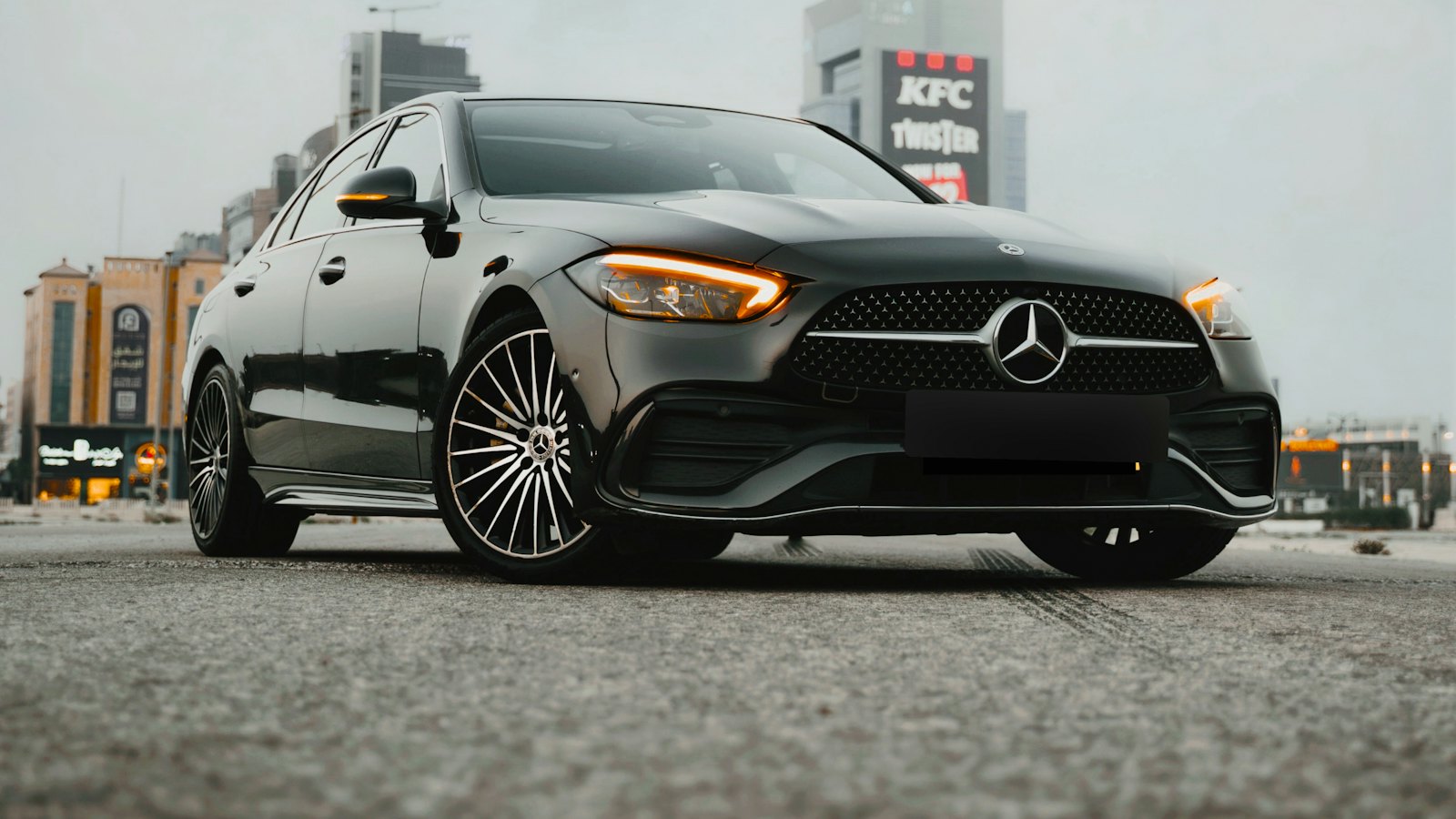
A child seat occupies a passenger place, and a rear-facing seat can use more space than its size suggests because the front seat may need to move forward. A business sedan carries three passengers and three large cases, so two adults and one child in a seat fit well. Two adults and two children are four passengers, which means an executive SUV or luxury minivan, rated at six passengers and six large cases. Strollers, travel cots and booster backpacks count as luggage, so add them to the bag count. Our guide to choosing a sedan, SUV or Sprinter goes through the arithmetic, and the fleet page shows each vehicle's limits. Booking a vehicle that is too small is the commonest family mistake, and it is far easier to fix at booking than at the curb.
Fitted before pickup: what that means
When we say seats are fitted before pickup, we mean the chauffeur installs them before leaving for your address or the airport, not while your family stands on a cold curb. When the car pulls into the commercial pickup area at Pearson, the seats are already in place and secured. Your part takes a minute: put the child in, adjust the harness or position the belt, and check the buckle yourself. On departures from home the same applies; the car arrives with the seats in, and the chauffeur loads the bags while you settle the children. If a seat does not suit your child when you see it, say so before the car moves.
Getting from the gate to the car with small children
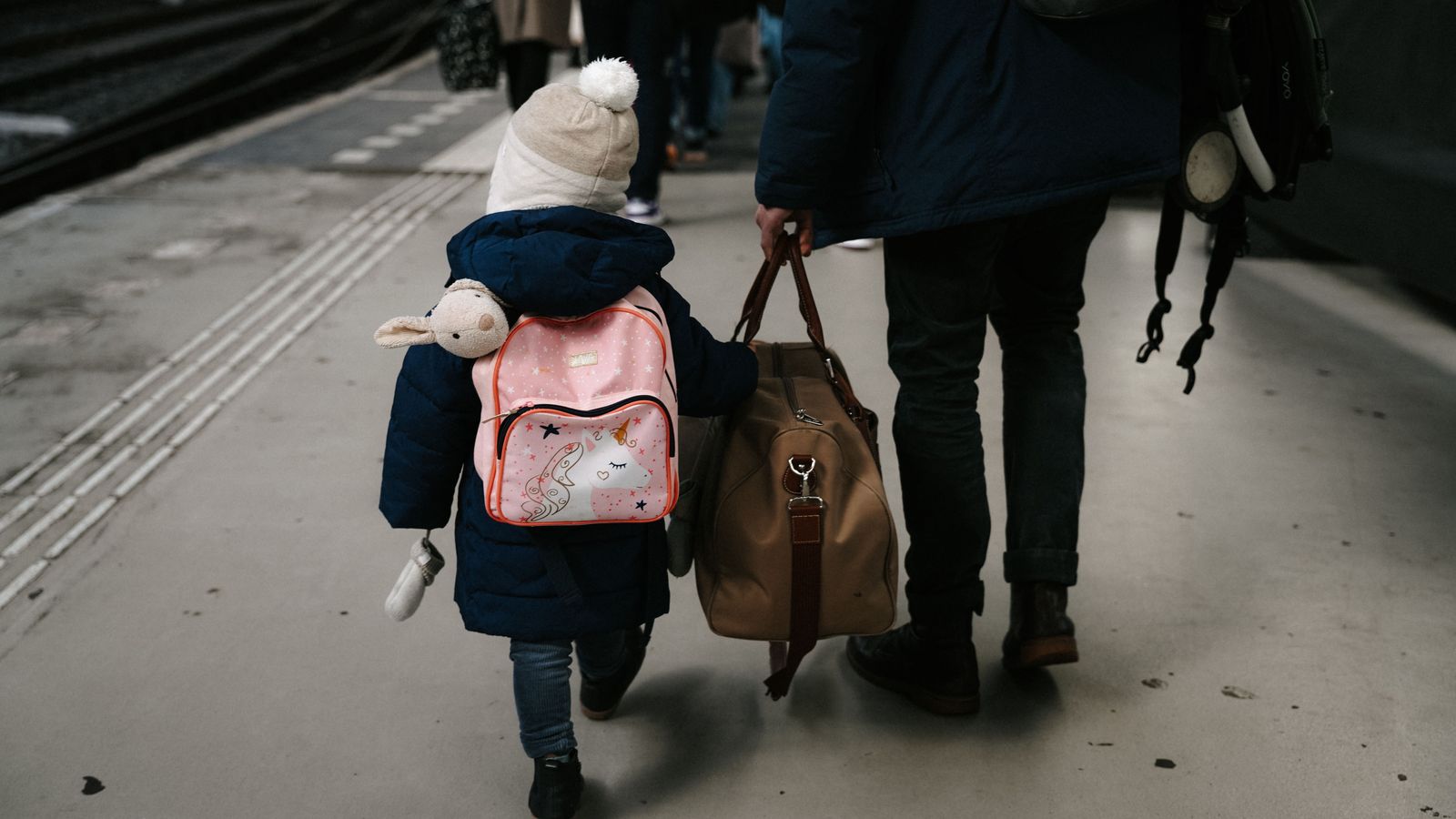
The walk from an international gate to the curb can be long with a baby, a carry-on and a toddler who wants to be carried. Gate-checked strollers usually come back at the aircraft door or at the belt, depending on the airline. On an international arrival from outside the US, 60 minutes of waiting are included from actual landing; on domestic and US flights, 30 minutes, which is normally enough for a family to clear the belts. If one parent is travelling alone with the children, carry a consent letter from the other parent; the Government of Canada recommends one and explains it on canada.ca. For the hall itself, meet and greet is an add-on, planning figure $150, and a second pair of hands with the trolley is worth a lot after a long-haul flight.
Taxis, rideshare and the train with children
Honestly compared, the alternatives each have a place. A taxi from the stand at Pearson is quick, but you cannot count on a suitable seat being in it. Rideshare is the same: whether a seat is available depends on the driver who accepts. The UP Express to Union Station needs no car seat at all, which is a real advantage for a family with a stroller heading to a downtown hotel, though you still need a ride from Union with seats for the last stretch. Driving yourself means your own seats are already fitted, at the price of parking fees for the length of the trip. For most families with luggage going to the suburbs, a pre-booked car with the seats in is the calmest option. Our guide to family travel between Brampton and Pearson looks at the same choice from one city.
A worked example: Dublin to Brampton
Two parents are flying home from Dublin with a 14-month-old and a five-year-old, four large cases and a stroller. At booking they choose an executive SUV, one convertible seat rear-facing for the baby and one booster for the five-year-old, and they put both children's weights in the notes. The flight lands at 2:10 p.m.; customs and the belts take 45 minutes, well inside the 60 minutes included for an international arrival. They text the chauffeur, who pulls into the pickup area with both seats already installed. The parents check the harness and the booster belt, the chauffeur loads five pieces, and they are on the 427 to the 407 and 410 within ten minutes. The planning fare for an executive SUV to Brampton is $130–165, plus $50 for the two seats, plus HST. Our Dublin arrival guide covers that flight in more detail.
Booking seats for an airport ride
Add seats in the reservation engine when you book, with each child's age and weight in the notes, and include strollers in the bag count. Seats are $25 each, shown on the quote alongside the fixed fare, with HST separate; our explanation of what a flat-rate fare includes shows how add-ons appear on the receipt. If an older child is flying alone, our guide to unaccompanied minors at Pearson explains the handover, and for a family day out after you land, see Niagara Falls with kids. Check fares on the rates page and confirm the booking on the reservation page.