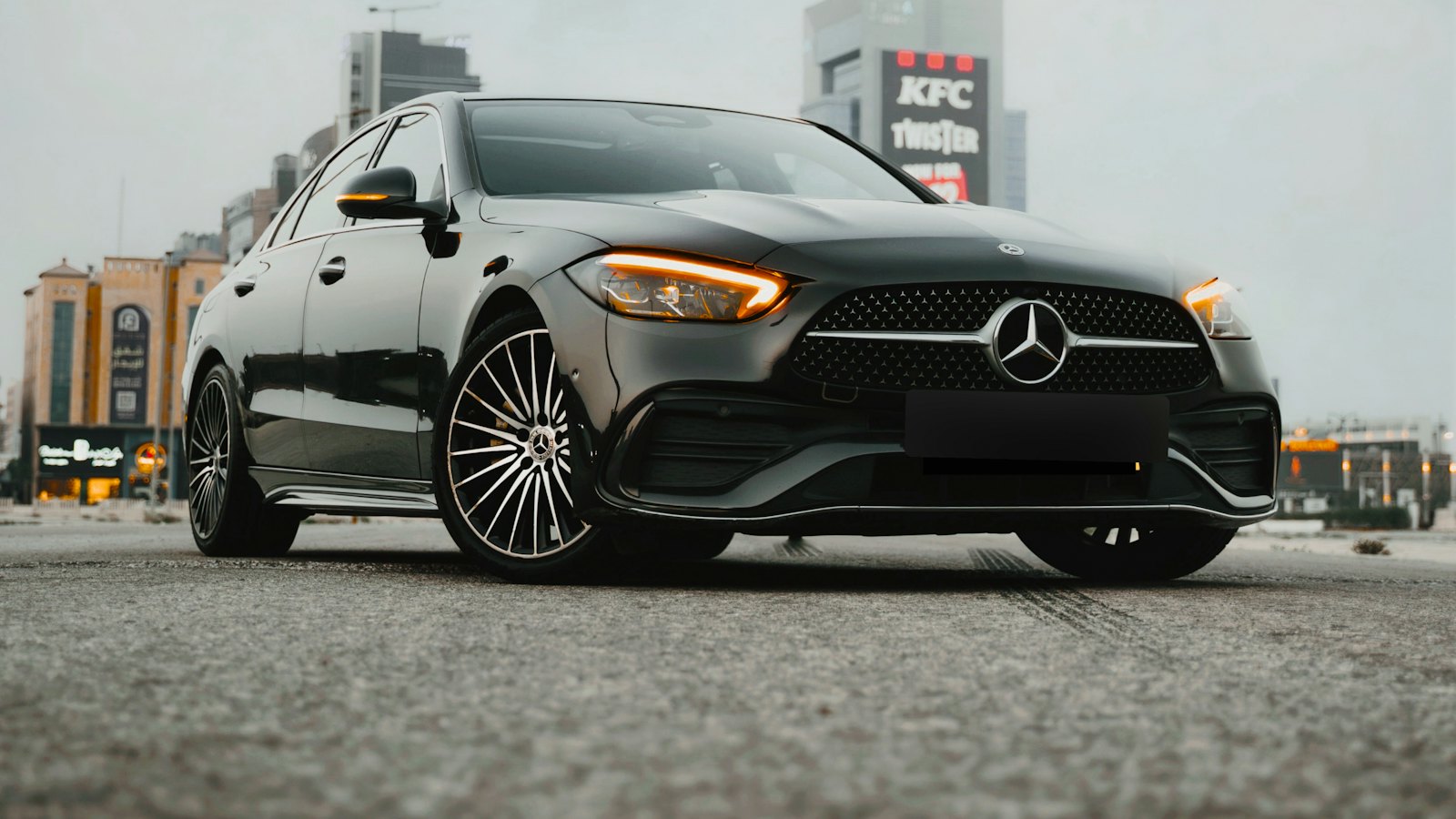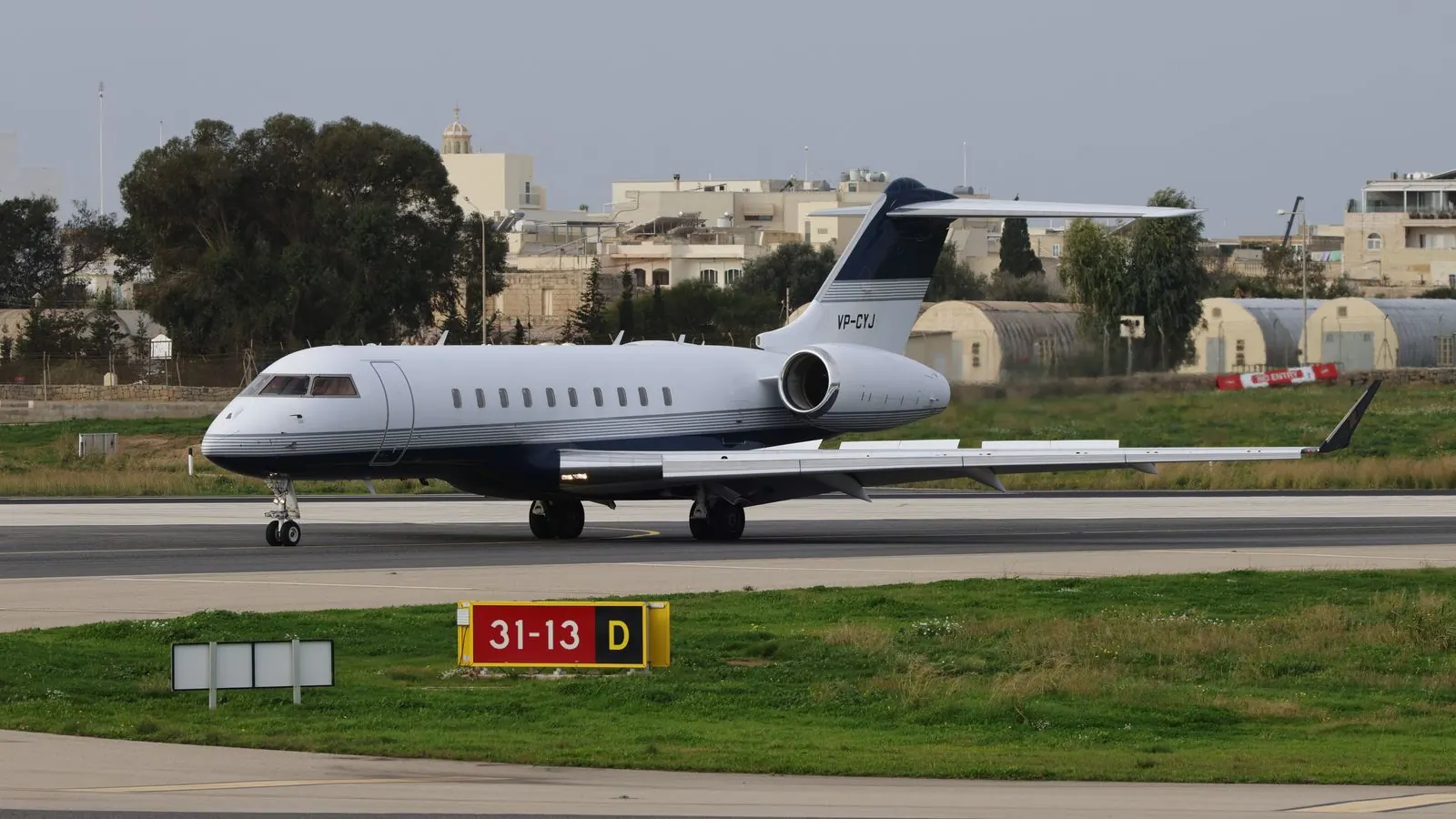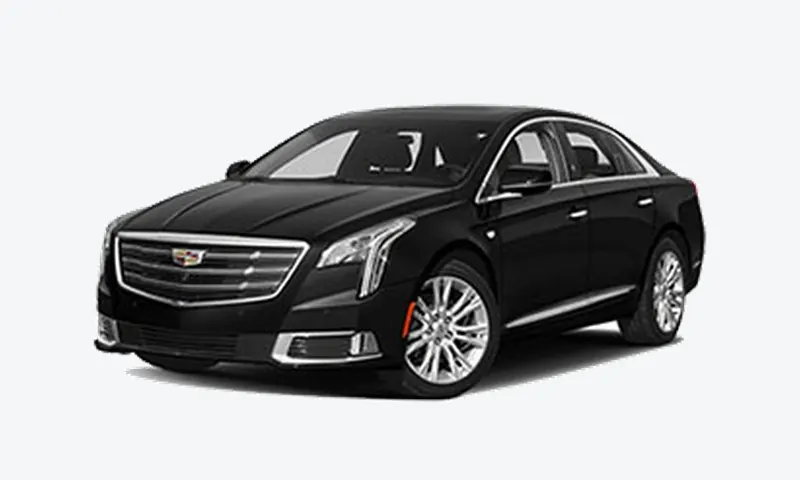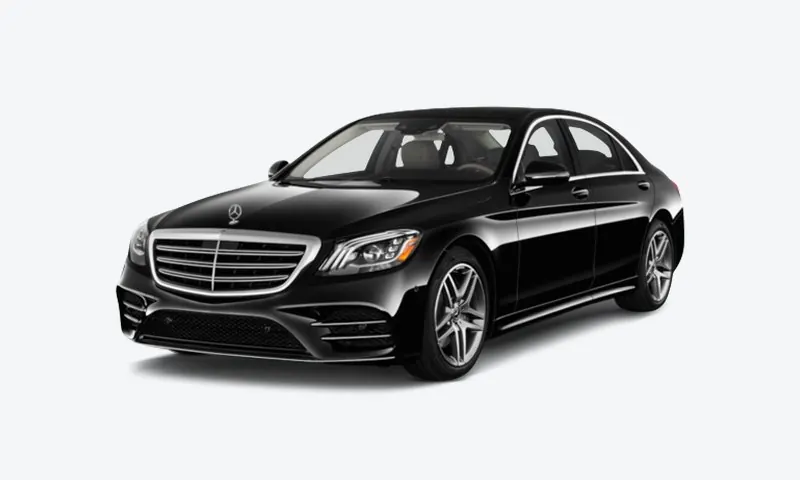






A private-jet transfer in New Orleans starts at the FBO at Louis Armstrong International (MSY) in Kenner or at Lakefront Airport by Lake Pontchartrain. The chauffeur tracks the tail number and meets you in the lounge or at the aircraft where allowed. From MSY the French Quarter is usually 25–40 minutes by I-10. The reservation engine shows a fixed fare before you confirm.
New Orleans gives private flyers a real choice of airport. Louis Armstrong International sits in Kenner, west of the city along I-10, with long runways and customs for international arrivals. Lakefront Airport, on a strip of land pushed out into Lake Pontchartrain, is much closer to the French Quarter and Gentilly and is popular with turboprops and light jets. Both work well; the trick in this city is not the airport but the last kilometre, because the streets you want to reach are old, narrow and often closed for a parade.
Two airports, one city
Your operator chooses the field based on the aircraft, the runway and whether the flight needs customs. As a rule, larger jets and anyone arriving from outside the United States use MSY, where US Customs and Border Protection can inspect the flight once the operator has arranged it. Domestic light aircraft often prefer Lakefront for the short drive downtown. Lakefront's terminal is a restored 1930s building worth a look on the way through. Tell dispatch which airport and which FBO is in the flight plan, since the two are on opposite sides of the city and a chauffeur at the wrong one is a 30-minute mistake.
Meeting the aircraft
Dispatch follows the jet by tail number, so an early wheels-up or a hold over the Gulf moves the chauffeur's arrival without a phone call. The chauffeur checks in at the FBO desk before the revised arrival time and waits in the lounge. If the FBO allows an escorted vehicle on the ramp, the car can meet the aircraft directly; if not, line staff bring bags to the door. In summer the car is cooled before you reach it, which sounds minor until you step out of a cabin into Louisiana humidity in August. The confirmation names the meeting point and the included waiting time for New Orleans.
How long to the Quarter, the CBD and Uptown?
Typical ranges from the MSY FBO, light traffic to a weekday peak or a festival weekend:
- Metairie and Kenner hotels: 10–20 minutes.
- Central Business District and Warehouse District: 20–35 minutes.
- Convention Center area: 20–35 minutes.
- French Quarter: 25–40 minutes.
- Garden District and Uptown: 25–40 minutes.
- Cruise terminals on the riverfront: 25–40 minutes.
- River Road plantations such as Oak Alley: 45–60 minutes.
- Baton Rouge: 60–80 minutes.
From Lakefront, the French Quarter and Marigny are often 15–25 minutes away. The I-10 corridor through the city is the usual bottleneck, along with the Pontchartrain Expressway at rush hour.
Getting a car into the French Quarter
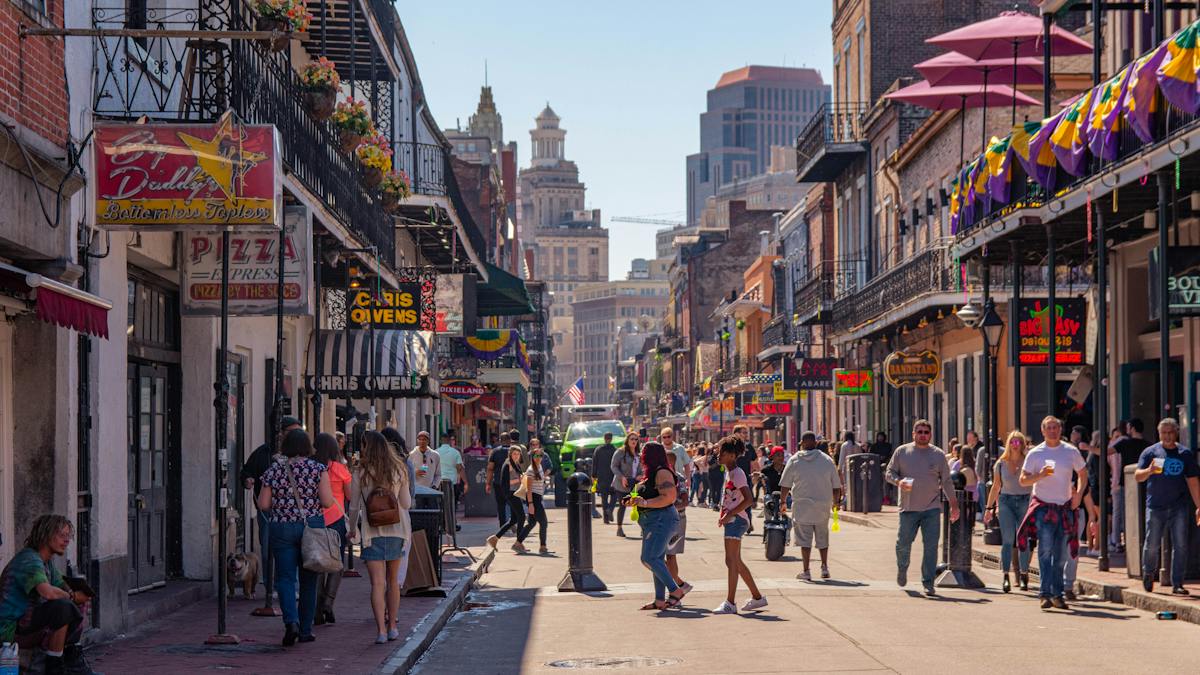
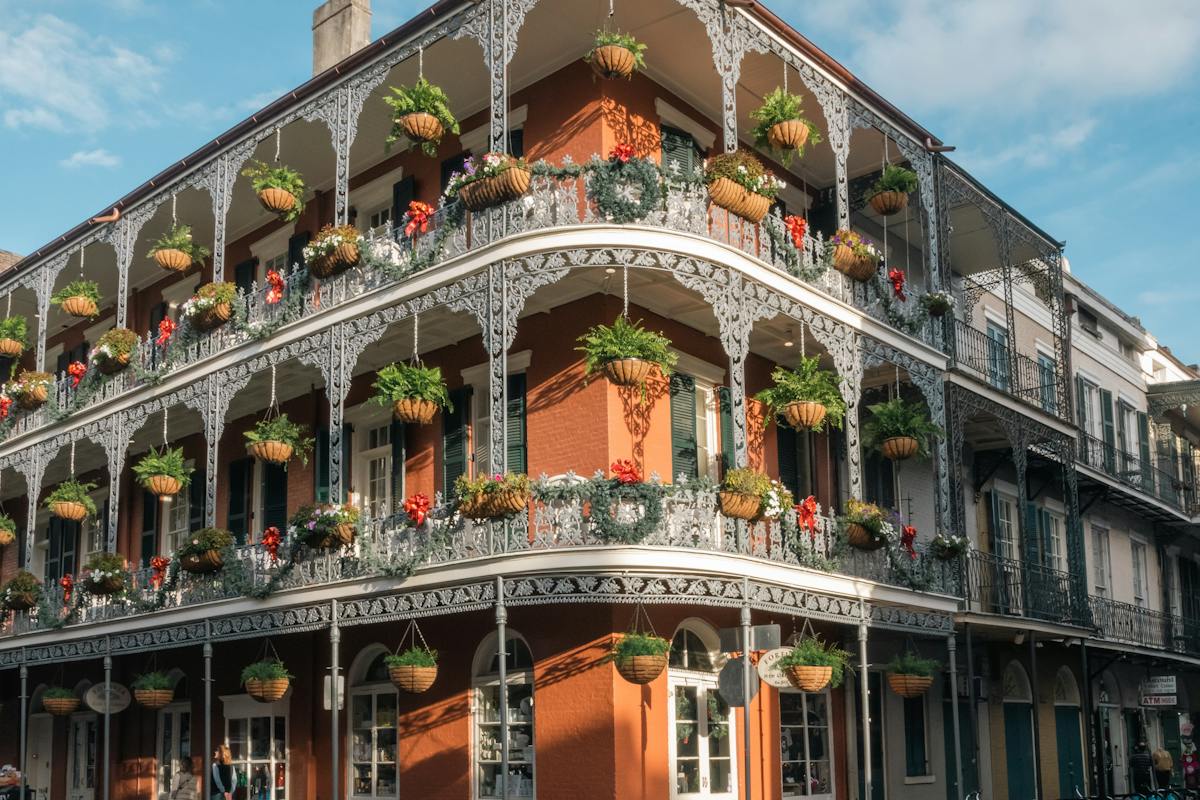
The Quarter was laid out long before cars, and it shows. Streets are one-way, many hotels have little or no curb space, and parts of Bourbon Street close to vehicles in the evening. Chauffeurs plan the approach street by street and will stop where it is legal and safe, which is sometimes the corner rather than the door. If your hotel has a porte-cochère, a garage or a side entrance, tell dispatch; it makes the drop quicker and more private. For dinners and second lines, booking a car by the hour avoids looking for a ride at midnight on Decatur Street.
Mardi Gras, Jazz Fest and the big weekends
Carnival season changes the city's map. Parade routes along St. Charles Avenue and Canal Street close for hours, and once a parade is rolling, a car cannot cross it. Jazz Fest fills the streets around the Fair Grounds, and the Sugar Bowl and other Superdome events tie up the CBD. On these dates, land earlier than you think you need to, choose a hotel on the right side of the route, and accept a short walk to a meeting point. Dispatch watches the published schedules and plans around them, but no chauffeur can drive through a parade. The official New Orleans visitor site posts the calendars.

Jet in, cruise out: a sample day
New Orleans is also a cruise port, and some travellers fly privately to the city the day before sailing. A typical plan looks like this:
| When | What happens |
|---|---|
| Day before, afternoon | Jet lands at MSY; chauffeur meets the group at the FBO |
| Day before, evening | Drop at a CBD or Quarter hotel; dinner by hourly car if wanted |
| Sailing day, morning | Bags packed with cruise-line tags attached before the car arrives |
| Sailing day, check-in window | Short drive to the riverfront terminal; porters take tagged bags at the curb |
| Return day | Pickup at the terminal after disembarkation, then straight to the FBO |
Our Port of New Orleans cruise transfer guide covers terminal drop-off and disembarkation in detail, and the Galveston page helps if your ship leaves from Texas instead.
Worked example: a wedding weekend from Toronto
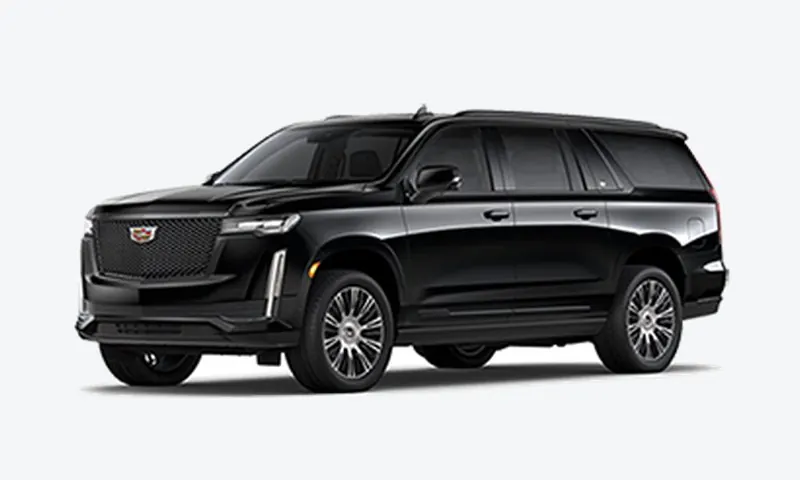
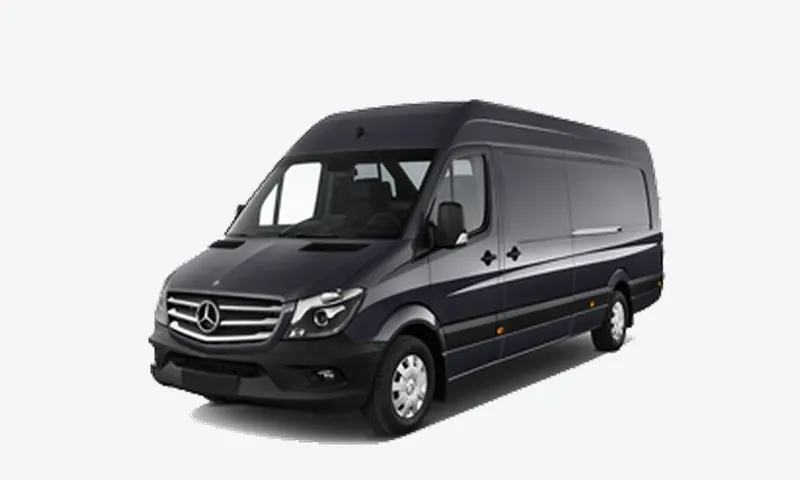
A bride's family charters a midsize jet from the Pearson FBO for a Saturday wedding in the Garden District. Eight people, eleven suitcases and two garment bags for the dresses: that is two executive SUVs, not one. The jet clears customs at MSY on Thursday afternoon, both cars go to an Uptown hotel, and on Saturday an executive Sprinter is booked by the hour to move the wedding party between the hotel, the church and the reception. Sunday brunch, then the cars return everyone to the FBO. For the vehicle maths, see sedan, SUV or Sprinter, and for what a fixed fare covers, read what a flat-rate fare includes.
Storms, heat and hurricane season
From June to November the Gulf can send storms that close airports and roads at short notice. Summer afternoons bring heavy thunderstorms that flood low streets for an hour or two. Dispatch watches forecasts and will call if a pickup time needs to move, and chauffeurs avoid underpasses that flood. If a hurricane threatens, follow official advice first and rebook the car once the airport and your operator confirm the new plan.
When a taxi or the airport bus is enough
For a solo crew member heading to a CBD hotel, a taxi or ride-hail car from the main terminal is simple, and a public airport bus runs to downtown for those watching costs. None of them start at the FBO, though, and festival weekends make waiting unpredictable. Check current options on the Louis Armstrong airport site. Scheduled-flight passengers should read our MSY airport transfer guide instead.
Booking your New Orleans FBO transfer
Enter MSY or Lakefront, the FBO, the tail number, the date and the passengers and bags in the reservation engine. It shows a fixed all-in fare and the vehicle before you confirm, and the confirmation sets out the meeting point, waiting time and cancellation terms for New Orleans. A vetted local operator from the LimousineWorldwide.Directory network drives to our standard. Search hotels and flights on our travel desk or at BookingWorldwide.net. Heading on to Texas or Tennessee? See the Houston Hobby FBO page and the Nashville FBO page, or browse the private aviation hub and private jet transfer service. Dispatch answers 24/7 at (877) 860-3388.