







A Niagara-on-the-Lake wine tour from Toronto with a private driver is usually booked by the hour: about 1 h 15 min to 2 h each way on the QEW, three or four wineries, lunch and an hour in the Old Town, so plan eight to ten hours. Hourly rates start at $130–150 for a business sedan and $160–190 for an SUV or luxury minivan, before HST.
Niagara-on-the-Lake is the easiest wine region to reach from Toronto, and the hardest to enjoy properly if somebody has to drive. Tasting rooms pour generously, the wineries are spread along the Niagara Parkway and the concession roads between Highway 55 and the escarpment, and the best afternoons end with a box of bottles that nobody wants to carry onto a train.
A private driver solves all of that. This guide covers the drive, the booking type, a realistic schedule, what it costs by vehicle, and when a bus tour or the train is the better choice.
How far is Niagara-on-the-Lake from Toronto?
From downtown it is roughly 130 km. The usual route is the Gardiner Expressway onto the QEW, over the Burlington Skyway and along the lakeshore past Grimsby and St. Catharines, then off at Highway 55 towards the Old Town. With clear roads that is about 1 h 15 min to 1 h 30 min. On a summer Saturday morning or a Friday afternoon heading back, allow up to two hours, because the QEW through Oakville and Burlington slows badly. From north of the city, chauffeurs often take the 407 to the 403 and rejoin the QEW at Burlington. Our post on the Toronto to Niagara drive and its timings has the full breakdown by hour.
Transfer or hourly: which booking fits a wine day?
If you are staying overnight at an inn in the Old Town and only need to get there, a one-way transfer is simplest; the planning fare from Pearson to St. Catharines or Niagara-on-the-Lake is $300–370 in a business sedan and $385–475 in an executive SUV, before HST, as shown on the St. Catharines and Niagara-on-the-Lake page. For a day of tastings, the car needs to stay with you, so an hourly booking is the right fit.
| Vehicle | Seats and cases | Hourly, before HST | Minimum |
|---|---|---|---|
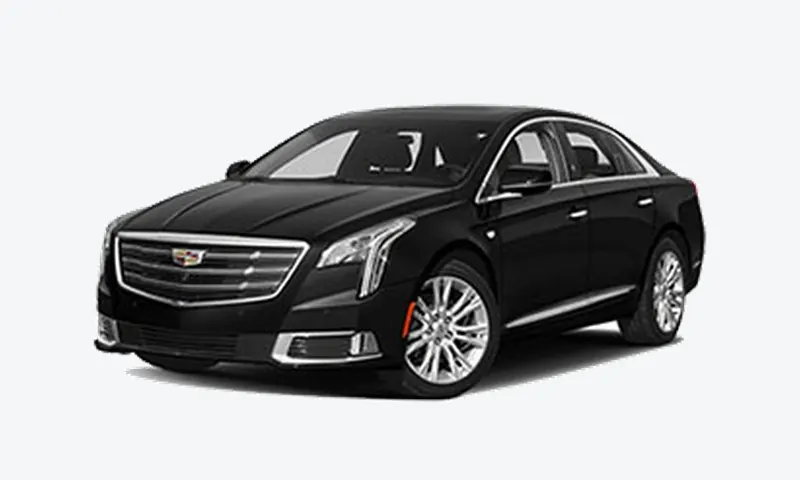
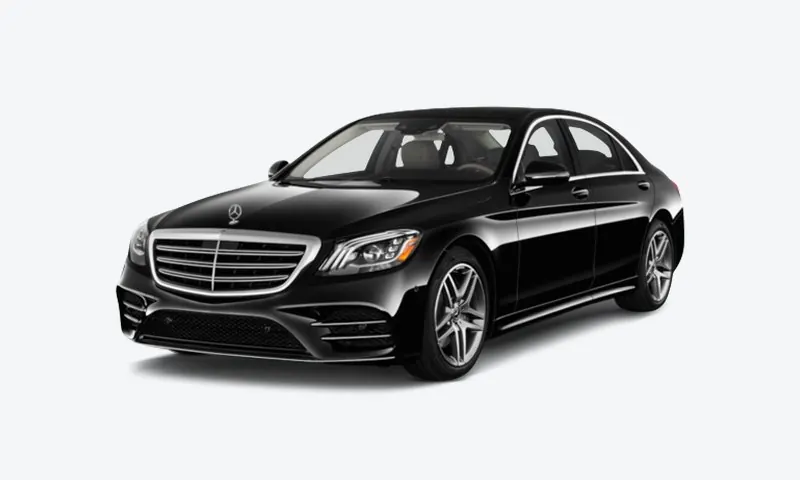
| Business sedan | 3 passengers, 3 large cases | $130–150 | 3 hours |
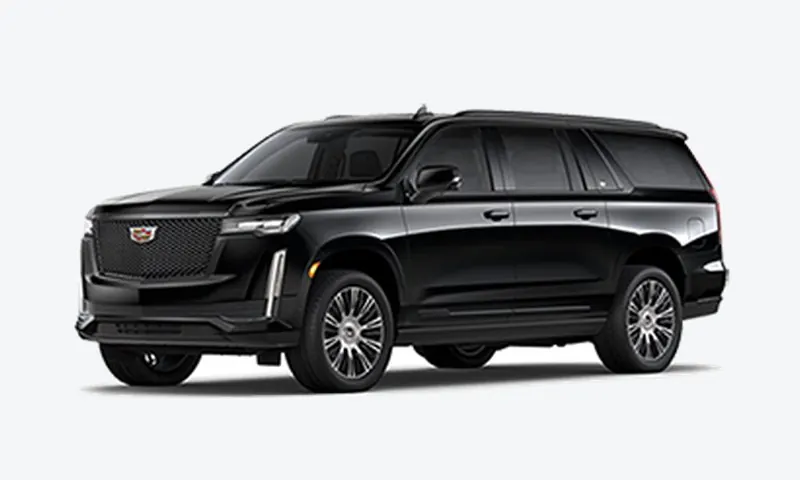
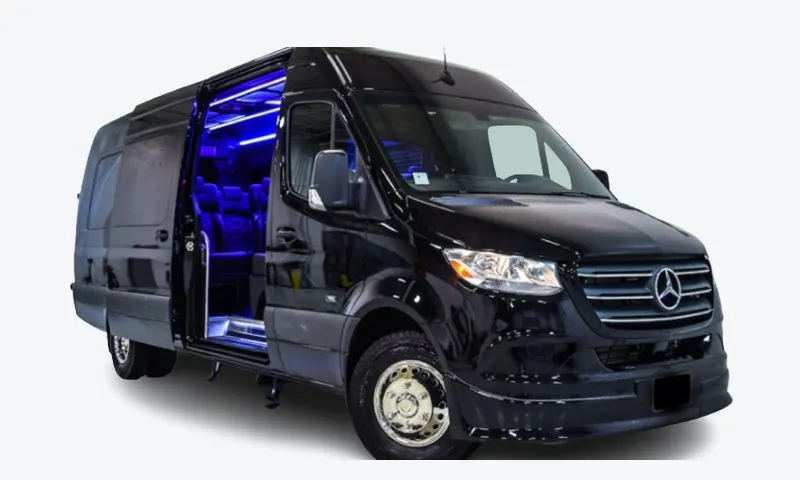
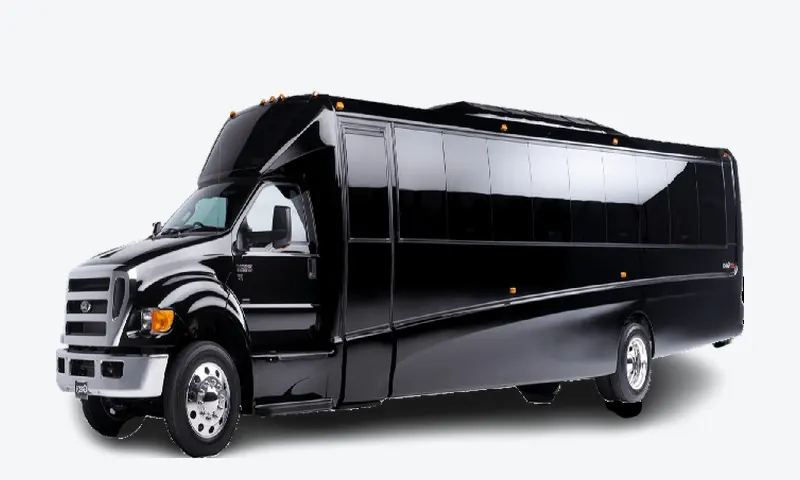
| Executive SUV or luxury minivan | 6 passengers, 6 large cases | $160–190 | 3 hours |
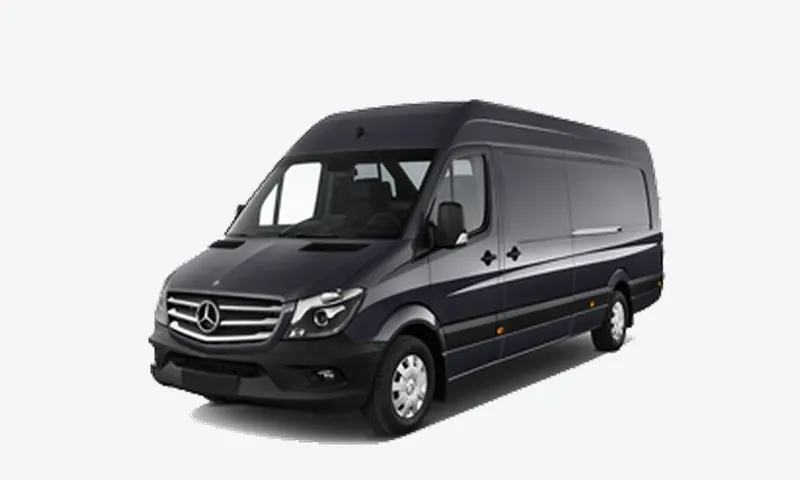
| Executive Sprinter | 14 passengers, 14 large cases | $225–270 | 3 hours |
| Stretch limousine (partner fleet) | Group seating | $225–330 | 4 hours |
| Limo or party bus (partner fleet) | Larger groups | $330–525 | 4–5 hours |
Our Niagara wine tours page describes the service, and hourly chauffeur service explains how the clock runs. Stretch limousines and buses come from vetted partner fleets, planned by a coordinator who confirms in writing.
A realistic day plan
| Time | What happens |
|---|---|
| 9:30 a.m. | Pickup at home or hotel in Toronto; water in the car |
| 11:00 a.m. | First tasting, ideally a sparkling or white-focused winery |
| 12:15 p.m. | Second winery, ten minutes down the road |
| 1:15 p.m. | Lunch at a winery restaurant or in the Old Town |
| 3:00 p.m. | Third tasting, reds or a barrel cellar visit |
| 4:15 p.m. | An hour on Queen Street in the Old Town |
| 5:15 p.m. | Depart via the QEW |
| about 7:00 p.m. | Home, with the cases carried to the door |
That is roughly nine and a half hours, which is a typical wine day. Fewer stops or an earlier finish brings it closer to eight.
How many wineries fit in a day?
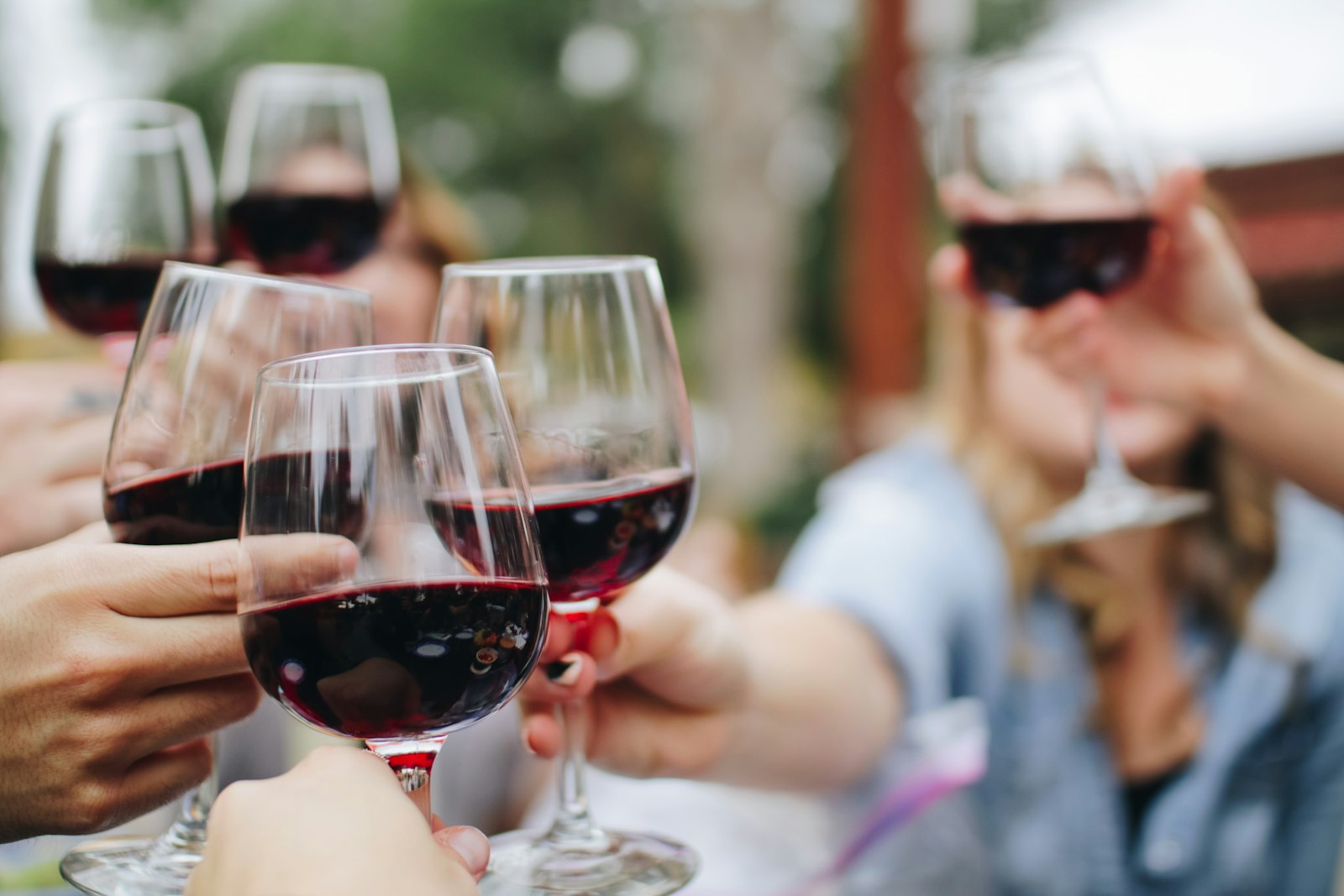
Three is comfortable, four is the practical maximum. Each tasting takes 45 minutes to an hour once you have parked, been seated, tasted a flight and bought a few bottles. More than four turns the afternoon into a blur and the last stop into a waste of money. A good pattern is lighter wines first, a long lunch, then reds and something sweet at the end, perhaps an icewine tasting. Your chauffeur knows how long the short hops take along Line 3, Niagara Stone Road and the Parkway, and will tell you honestly if a fifth stop means rushing.
Booking tastings and lunch ahead
Many wineries now prefer or require reservations for seated tastings, especially on weekends from May to October, and group tastings for eight or more almost always need one. Lunch tables at winery restaurants book out on summer Saturdays. Make the reservations first, then send the times to dispatch so the chauffeur can plan the order of stops. Wine Country Ontario lists the region's wineries with links to each one's own booking page, and the Niagara-on-the-Lake guide covers the Old Town and drop-off points.
Visitors flying in sometimes go straight from the airport to wine country. That works well on a morning arrival: the chauffeur meets you at Pearson, the hourly clock starts at pickup, and luggage rides in the trunk while you taste. Leave a margin for customs on an international flight before the first reservation, and choose an SUV if you have more than three large cases, because suitcases and wine boxes compete for the same space. If you are staying in Niagara afterwards, the chauffeur drops you at the hotel at the end of the day, and the trip home becomes a separate transfer on another date.
Bottles, glasses and the designated driver
The whole point of a driver is that nobody in your group has to keep count. That comes with a few house rules. Bottles you buy travel sealed in the trunk, and the chauffeur loads and unloads the cases. There is no drinking in the car between wineries; enjoy the wine at the winery. No smoking or vaping in the vehicle. Water is on board, and a snack between tastings helps more than people expect. If someone in the group is feeling the afternoon, tell the chauffeur and skip a stop; nobody minds.
Choosing the vehicle for your group
A business sedan takes three passengers, so a couple or a trio fits easily. Four adults need an executive SUV or luxury minivan, which also leaves room for several cases of wine. Groups of seven to fourteen fit an executive Sprinter, which is the most popular choice for birthdays and corporate outings. Bigger celebrations sometimes want a stretch limousine, though on narrow winery driveways a Sprinter is often more practical. Our guide to choosing a sedan, SUV or Sprinter compares them, and bachelorette party limos covers the house rules for celebration groups.
A worked example: two couples from Leaside
Two couples in Leaside want a Saturday in late September, during harvest. Four adults rule out a sedan, so they book an executive SUV by the hour. They reserve tastings at 11:00 a.m., 12:15 p.m. and 3:00 p.m., and a 1:30 p.m. lunch table, and send the times to dispatch. Pickup is at 9:30 a.m.; the QEW is busy through Oakville and they reach the first winery at 11:05 a.m.
They leave the Old Town at 5:20 p.m. with six cases between them and are home by 7:10 p.m. Nine and a half hours at $160–190 an hour comes to roughly $1,520–1,805 before HST, about half that per couple, with the reservation engine confirming the exact figure. Tolls, fuel, parking and gratuity are included. Nobody drove, and nobody carried a case.
When a bus tour or the train makes more sense
For a solo traveller or a couple on a budget, a scheduled wine bus tour from Toronto costs far less per person, at the price of a fixed itinerary and a large group. GO Transit runs seasonal train service towards Niagara, and from the station you would need a local tour or taxis between wineries; check GO Transit for the current schedule. Our comparison of bus tours and private tours to Niagara sets out the trade-offs honestly. A private driver wins on choice of wineries, timing and getting the bottles home.
Seasons: harvest, icewine and quiet winter weekdays
Late summer and harvest, roughly August to October, are the busiest and most beautiful. January brings the icewine season and its festival weekends; our post on getting to the Niagara Icewine Festival covers the logistics. Winter weekdays are quiet, tasting rooms are unhurried, and roads are the main variable. If you want to combine wine with the Falls, a honeymoon or a shopping stop, see Niagara honeymoon transport and an outlet shopping day in Niagara. For a different wine region, our Prince Edward County wine weekend post is the eastern alternative.
Booking your wine country day
Reserve the tastings and lunch first, then book the car with the pickup address, number of guests and the stop times in the notes. Hourly and transfer planning fares are on the rates page; the reservation engine confirms the exact figure before you pay, with HST separate. Plans can still change at no cost up to 72 hours before the car is due. When the plan is set, book your wine tour driver.