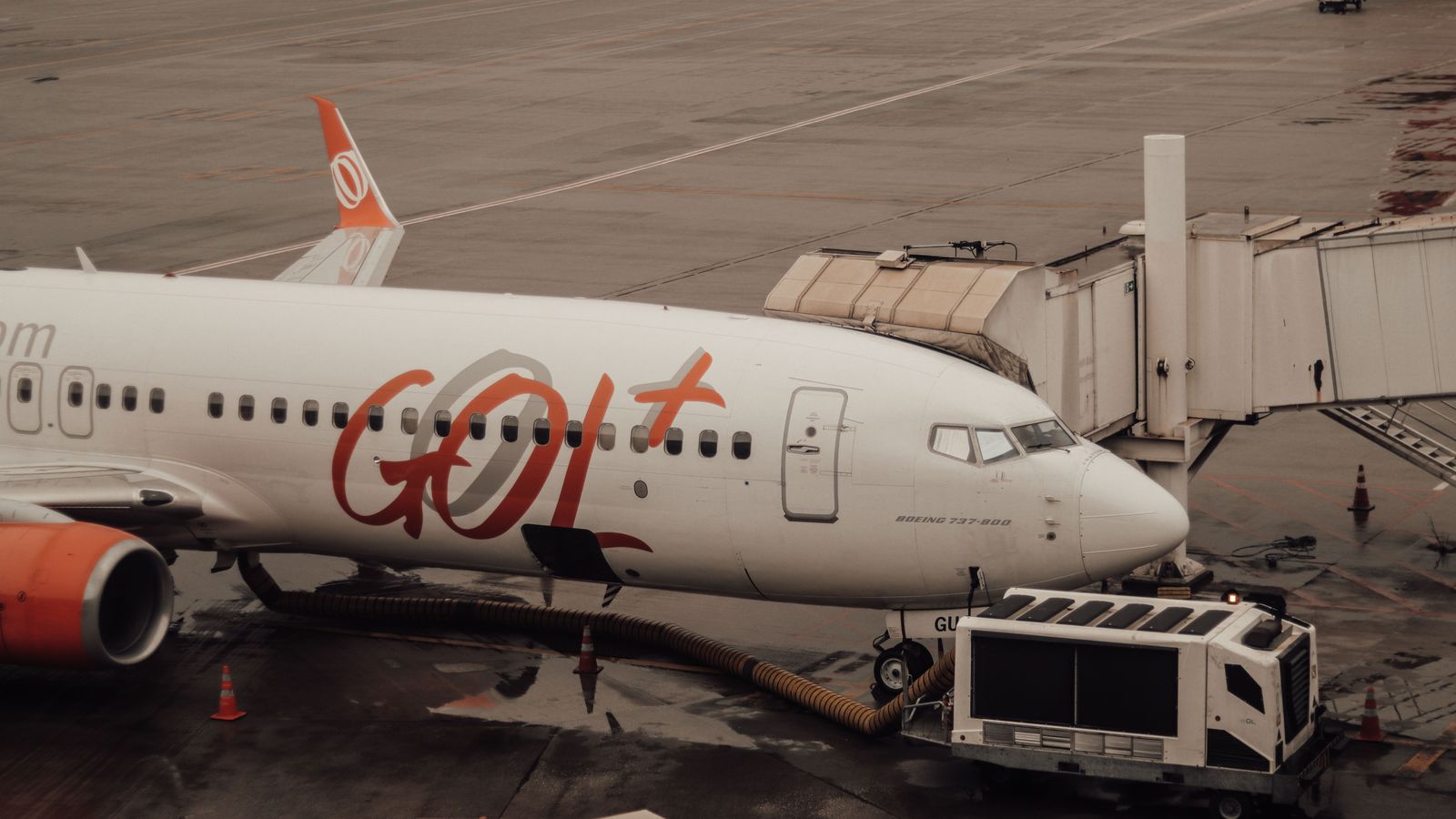














From Toronto Pearson airport to New York, flying is fastest: about 1.5 hours in the air and 5-6 hours door to door once you add the drive to Pearson, US preclearance and the ride into Manhattan. A private car takes 8.5-10 hours door to door (sedan planning figure $2,175-2,550). Amtrak's daily Maple Leaf takes about 12.5-13 hours; coaches take about 11.
Most people searching this route are flying, and for one traveller in a hurry that is the right call. This post compares all four ways honestly and shows when the car makes sense. If you have already decided to be driven the whole way, the fares and route are on our Toronto to New York City car service page; if you are flying, we will get you to Pearson.
Toronto Pearson airport to New York: the four options side by side
| Mode | Door to door (downtown Toronto to Midtown) | Where it starts | Where it ends | Best for |
|---|---|---|---|---|
| Flight from Pearson | 5-6 h | Pearson T1 or T3 | JFK, LaGuardia or Newark | Solo travellers, day trips, tight schedules |
| Private car | 8.5-10 h | Your door | Your door | Families, groups, heavy luggage, pets, fear of flying |
| Amtrak Maple Leaf | about 12.5-13 h on the train | Union Station | Penn Station | Scenery, rail fans, no rush |
| Intercity coach | about 11 h plus local transfers | 81 Bay Street | Near Port Authority, Midtown | Lowest fare |
Times are typical and change with weather, border queues and New York traffic. The rest of this post takes each one apart.
How long is the flight from Pearson to New York?
Around an hour and a half in the air, depending on the airport and the wind. The time that matters is everything around it:
- Home to Pearson: 25-60 minutes from downtown, more from the suburbs.
- At Pearson before departure: airlines ask for more time on US flights because of preclearance; our guide on how early to arrive at Pearson has the detail.
- Flight: about 1 h 30 min, plus taxi-out and holding.
- Landing to curb: quick, because you cleared US entry in Toronto.
- Airport to Manhattan: 30 minutes to well over an hour.
Add it up and a 5-6 hour door-to-door day is realistic.
US preclearance at Pearson: why it matters
At Pearson, passengers flying to the United States clear US Customs and Border Protection before boarding. You land in New York as a domestic arrival: no immigration hall, straight to baggage claim and out. The rules, documents and admissibility questions are those of US CBP. The trade-off is time on the Toronto side, which is why the departure needs a bigger buffer. For a Billy Bishop flight, confirm with the airline how US entry works on that route; our sibling post on Billy Bishop to New York covers the island airport option.
JFK, LaGuardia or Newark: which airport from Pearson?
- LaGuardia (LGA) is the closest to Manhattan and usually the quickest into Midtown by taxi outside rush hour. See LaGuardia.
- JFK is further out in Queens; useful for onward international flights, with the AirTrain linking to the subway and Long Island Rail Road. See JFK.
- Newark (EWR) is in New Jersey; good for the west side of Manhattan and New Jersey addresses, with AirTrain and rail connections. See Newark.
All three are run by the Port Authority of New York and New Jersey. Choose by where you are going, not only by fare. Our page on New York arrivals at Pearson covers the return trip.
Driving: the private car option
A chauffeured car leaves from your door and ends at your New York address. The drive is about 800 km. Dispatch chooses between the Niagara crossings and the Thousand Islands route depending on queues and weather, then runs the New York State Thruway and the Southern Tier to New Jersey and the Hudson crossings. Door to door, including two or three stops, allow 8.5-10 hours.
| Vehicle | Passengers / bags | One way, all-in (planning figure) |
|---|---|---|
| Business sedan | 3 / 3 | $2,175-2,550 |
| Executive SUV or luxury van | 6 / 6 | about $2,725-3,315 |
| Sprinter | 14 / 14 | about $4,785-5,610 |
HST is shown separately; tolls, fuel and gratuity are included. The reservation engine quotes your exact addresses.
Cost by party size: flight vs car
Airfares change daily, so we will not print one. Instead, do this sum for your trip: (airfare × people) + checked-bag fees + ground transport at both ends + time. For one person, the flight almost always wins. For a family of four with six bags, four fares, bag fees, a car to Pearson and a large taxi in New York can approach the price of an SUV that does the whole trip door to door. For six colleagues heading to a trade show with equipment cases, a Sprinter is often the simplest answer.
Amtrak's Maple Leaf: the scenic option
The Maple Leaf is a daily train operated jointly by Amtrak and VIA Rail between Toronto Union Station and New York Penn Station, via Niagara Falls, Buffalo, Rochester, Syracuse, Albany and the Hudson Valley. The published schedule is about 12.5-13 hours, and the border inspection takes place at the Niagara crossing. It is a beautiful ride along the Hudson, and it arrives in the middle of Manhattan. Check schedules and fares on Amtrak. If you are starting outside downtown, our Union Station page covers getting to the train.
The coach: cheapest, slowest
Coaches from the Union Station Bus Terminal run to Midtown Manhattan in about 11 hours, with the border inspection on the way, where passengers usually take their bags through. It is the lowest fare by far. The coach does not go to JFK, LaGuardia or Newark; you connect from Midtown. The terminal is described in our Union Station Bus Terminal guide.
Five travellers, five answers
A lawyer with a 2 p.m. meeting in Midtown, back the same night. Fly. A car to Pearson at 7 a.m., a morning flight to LaGuardia, a taxi in. Book our Pearson airport limo for both ends.
A family of five moving a student into a New York dorm. Drive. Boxes, a bike and a mini-fridge do not fly well. An SUV or van, door to door.
A retired couple who dislike airports. The Maple Leaf, with a car to Union Station in Toronto and a taxi from Penn Station in New York.
A graduate student on a budget. The coach, overnight if the schedule suits.
A band with instruments. A Sprinter, which carries people and gear together and stops where they need to.
Documents for any route
Everyone crossing into the United States needs acceptable travel documents: a passport for most travellers, and a visa or ESTA where their nationality requires one. Canadian permanent residents who are not citizens should check their own requirements. NEXUS members can use NEXUS lanes on land crossings only if everyone in the vehicle is a member. Our cross-border limo page explains how we handle the border by car.
Arriving back at Pearson from New York
Preclearance works in one direction only. Coming home, a flight from JFK, LaGuardia or Newark lands at Pearson as an international arrival, and you clear the Canada Border Services Agency in Toronto before collecting bags. That usually takes longer than the New York end of the outbound trip. Our chauffeurs track the flight and include 60 minutes of waiting from actual landing on international arrivals, then 15-minute blocks. The pickup is at the terminal's pre-arranged commercial pickup area; meet and greet inside the arrivals hall with a name board is an optional add-on, planning figure $25-35.
The same-day business round trip
A Toronto-New York day trip is only practical by air. A typical plan: pickup at 5:30 a.m., a 7:30-8 a.m. flight, Midtown by about 11, meetings until 4, an evening flight back and home before midnight. It is long but routine for consultants and bankers. The car makes no sense for a day trip; it is an overnight-at-minimum choice. For the Toronto ends, the corporate car service page covers accounts and billing.
Pets, medical equipment and fear of flying
Some travellers choose the car for reasons that have nothing to do with price. A dog too large for the cabin, a mobility scooter, oxygen equipment or a real fear of flying all make an eight-hour drive the better day. Tell dispatch in advance about pets and equipment so the right vehicle is sent, and plan stops every two to three hours. Check US entry rules for pets and medical supplies with US CBP before you leave.
Winter: when the car's advantage shrinks
From December to March, lake-effect snow around Buffalo and the Tug Hill region can slow the Thruway sharply, and the Southern Tier gets its own storms. Dispatch will reroute or suggest a different day. Flights have winter delays too, but they are usually shorter than a closed interstate. In mid-winter, if timing is critical, fly.
One-way car, return flight: a common mix
Many families drive down with the luggage and fly home light, or the reverse. That works well: the car takes the bulky part of the trip, and the return is a short flight into Pearson, where a chauffeur meets the landing. Book each leg separately; the return pickup is timed to the actual landing, with 30 minutes of included waiting; a flight from New York passes through Canadian customs at Pearson, so add extra waiting at booking if you are checking bags.
Toronto to New York for a long stay or a move
Students starting a semester, families relocating for work and snowbirds heading to Florida via New York often have more luggage than any airline will take cheaply. A one-way car with the boxes in the back can be the simplest move, and the chauffeur helps unload at the building door. For a full household move you need a mover, not a chauffeur; for a dorm room or a furnished apartment, a van works. Ask dispatch for the luxury van or Sprinter if you have more than six large pieces.
Mistakes to avoid
- Comparing the 90-minute flight with the 9-hour drive instead of door to door.
- Booking Newark for a hotel in Queens, or JFK for one in Jersey City.
- Arriving at Pearson with a domestic-flight buffer for a US flight.
- Expecting the coach to reach JFK.
- Leaving Toronto at 10 a.m. by car and meeting the New Jersey evening rush.
Booking your trip
Flying: book a car to Pearson for the outbound and a pickup for the return. Driving: book the Toronto to New York car with both addresses. Either way, the fare is fixed before you confirm, and cancellation is free more than 72 hours before pickup.