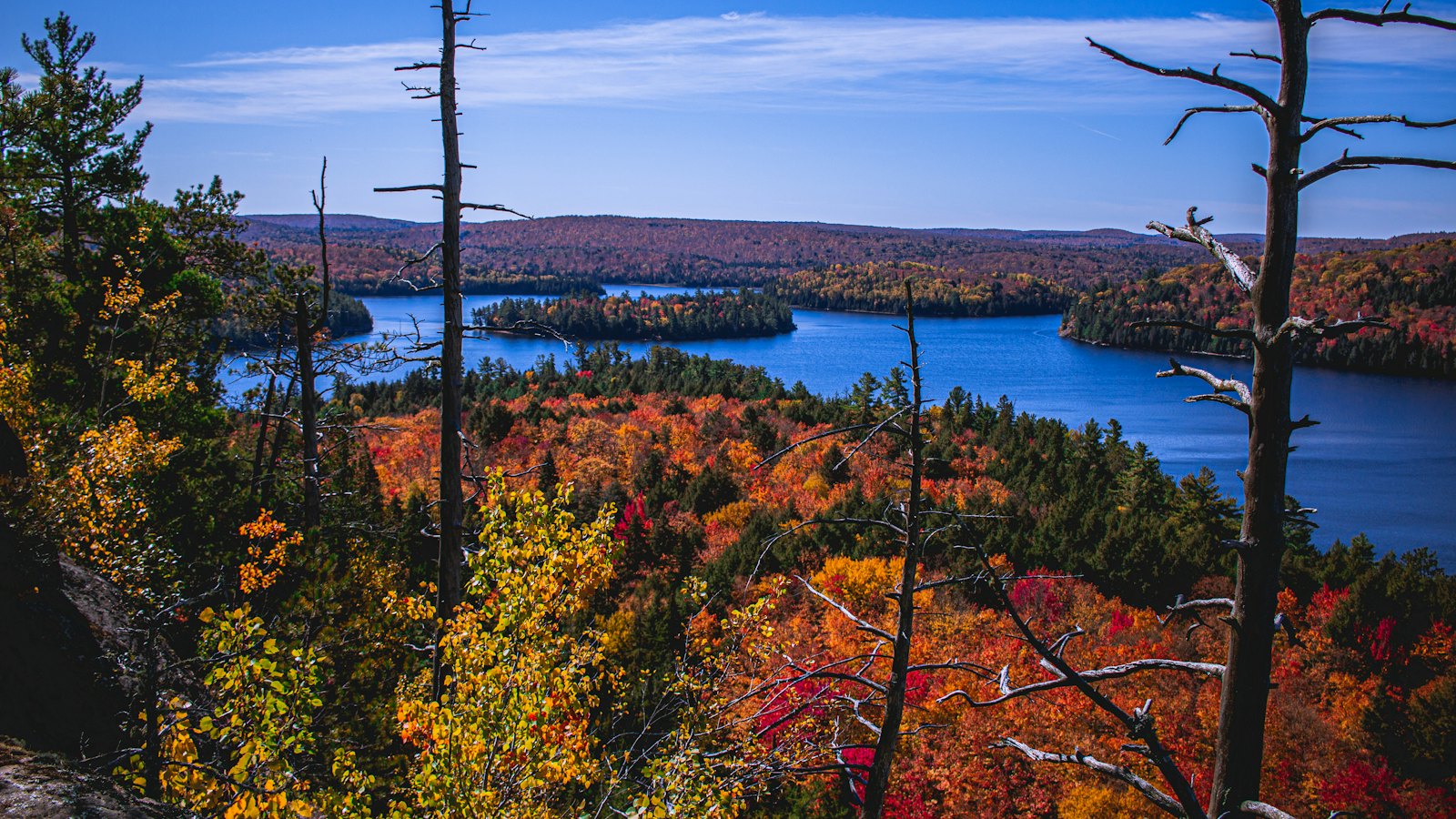











Algonquin Park's West Gate is about 3 to 3 hours 30 minutes from Toronto by private car, via Highway 400, Highway 11 to Huntsville and Highway 60 east. Lodges and canoe launches along the Highway 60 corridor add 15 to 60 minutes. Book an SUV for packs, agree the return pickup time and place before you leave, and let the reservation engine quote the fixed fare.
Algonquin Park is close enough to Toronto that people underestimate it. It is one of the largest parks in Ontario, the drive ends on a two-lane highway through forest, and once you leave Highway 60 there is very little phone signal. Getting there is easy. Getting collected again, on time, at the right access point, after three days on the water, takes a little planning.
This guide is for people heading to a lodge on the Highway 60 corridor or to a canoe launch for an interior trip, and who would rather not leave a car at an access point for a week. It covers routes, timing, gear and the part most people forget: arranging the return when nobody can call anyone.
How far is Algonquin Park from Toronto?
The West Gate is roughly 260 kilometres from downtown Toronto. Times below are from a central Toronto address at quiet times; Friday afternoons in summer and the fall colour weekends add 30 to 60 minutes.
| Destination | Typical drive from Toronto | Notes |
|---|---|---|
| Huntsville | 2 hours 30 minutes to 3 hours | Last large town for supplies and fuel |
| West Gate | 3 hours to 3 hours 30 minutes | Permits and park information |
| Canoe Lake access, around km 14 | 3 hours 15 minutes to 3 hours 45 minutes | Busy put-in with an outfitter on site |
| Visitor Centre and Opeongo Lake road, around km 43 to 46 | 3 hours 45 minutes to 4 hours 15 minutes | Opeongo is a popular start for longer trips |
| East Gate | 4 hours to 4 hours 30 minutes | Toward Whitney and the Ottawa Valley |
Kilometre markers on Highway 60 are measured from the West Gate, and most lodges and access points describe their location that way. Give the chauffeur the exact name and kilometre if you have it.
Which route does the car take?
The standard route is Highway 400 north to Barrie, Highway 11 north past Gravenhurst and Bracebridge to Huntsville, then Highway 60 east through Dwight to the West Gate. It is the most direct and best maintained, with fuel and food all the way to Huntsville. Its weak point is the 400 on summer Fridays, when it carries the cottage traffic; our post on Highway 400 timing from Barrie describes the patterns.
From the eastern GTA, Highway 35 through Lindsay, Minden and Dorset joins Highway 60 near Dwight and can be quicker from Scarborough, Pickering or Ajax. It is a two-lane road for much of the way, beautiful in October and slower in snow. Dispatch checks Ontario 511 and the weather before choosing.
Getting to a lodge
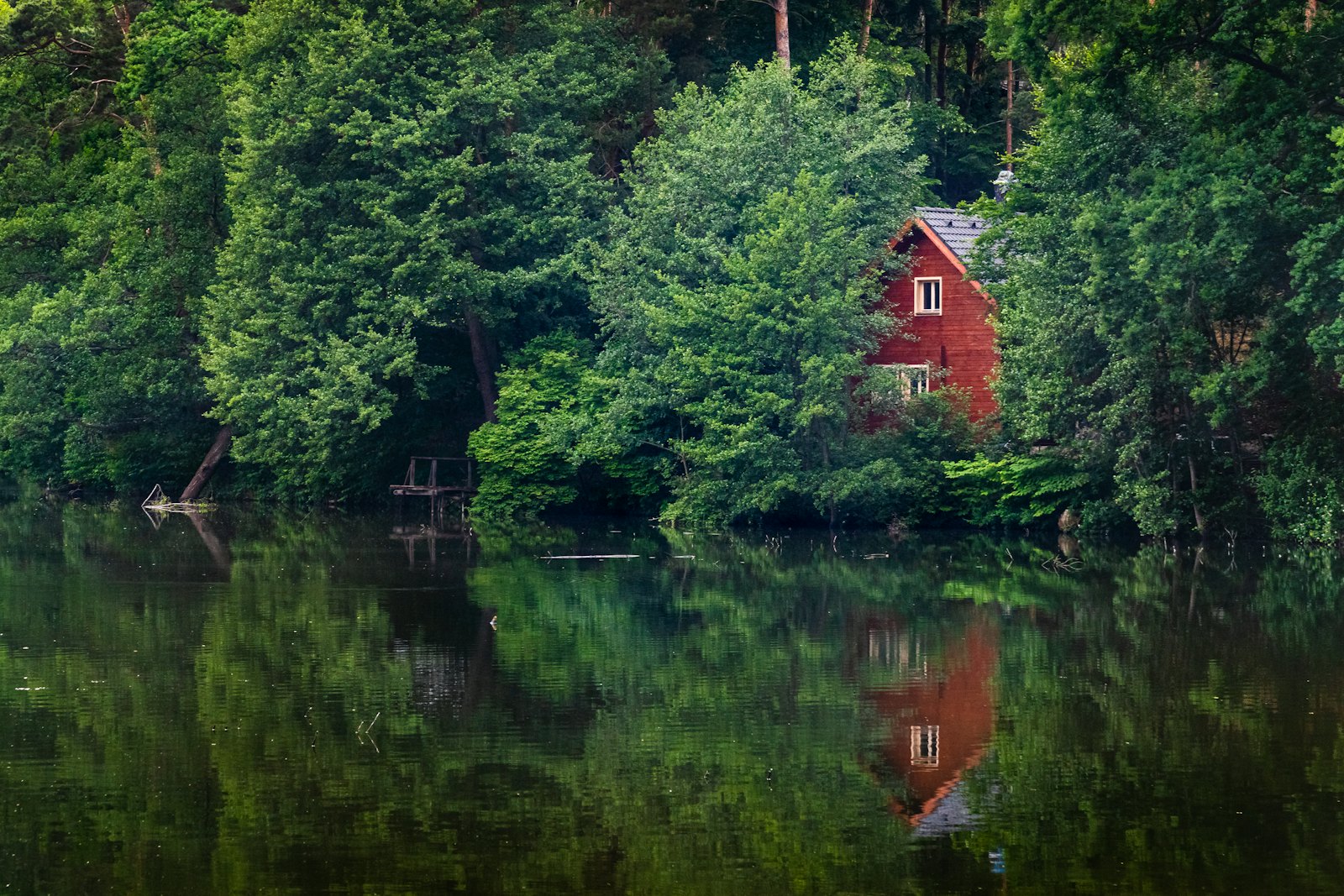
The lodges inside the park sit along or just off the Highway 60 corridor, and a couple are reached by a short boat ride from a parking area rather than by road. Check with your lodge how arrivals work: what time check-in opens, where cars are allowed to stop, and whether someone meets guests at the dock. Share those details at booking so the chauffeur goes straight to the right place rather than the nearest sign.
For lodge stays, two one-way transfers are the usual pattern: up on the day you arrive, back on the day you leave. Lodges outside the park near Dwight, Oxtongue Lake and Huntsville work the same way, and our Toronto to Muskoka route page covers resorts on the way.
Getting to a canoe launch
For an interior trip, the aim is to be on the water early, before the afternoon wind builds on the big lakes. That usually means leaving Toronto very early, between 5:00 and 6:00 a.m., to reach the access point by about 9:00. Interior campsites need a permit booked in advance through the park's reservation system, and day-use permits apply at the gates; check current rules on the Algonquin Park site before you go.
Most paddlers coming by car rent canoes from the outfitters along Highway 60 or at the busier access points, which means the car carries packs, food barrels and paddles rather than a boat. If you plan to bring your own canoe, raise it with dispatch before booking rather than assuming it can be carried.
Planning the pickup when there is no signal
This is the most important part of an Algonquin booking. Cell coverage is limited along Highway 60 and absent in most of the interior, so the return has to be agreed before you leave: the access point, the exact spot in the parking area, and a time. Fifteen minutes of waiting are included on non-airport pickups. Beyond that, waiting is charged in 15-minute blocks and dispatch tells you before it starts, though in a no-signal parking lot that message may only reach you when you walk out of the woods. Our explainer on waiting time charges covers how it works.
Be realistic about the last day. A headwind on Canoe Lake or a slow final portage can cost an hour. Set the pickup with margin, and if you finish early, there is usually a picnic table and a lake to look at.
What fits in the car?
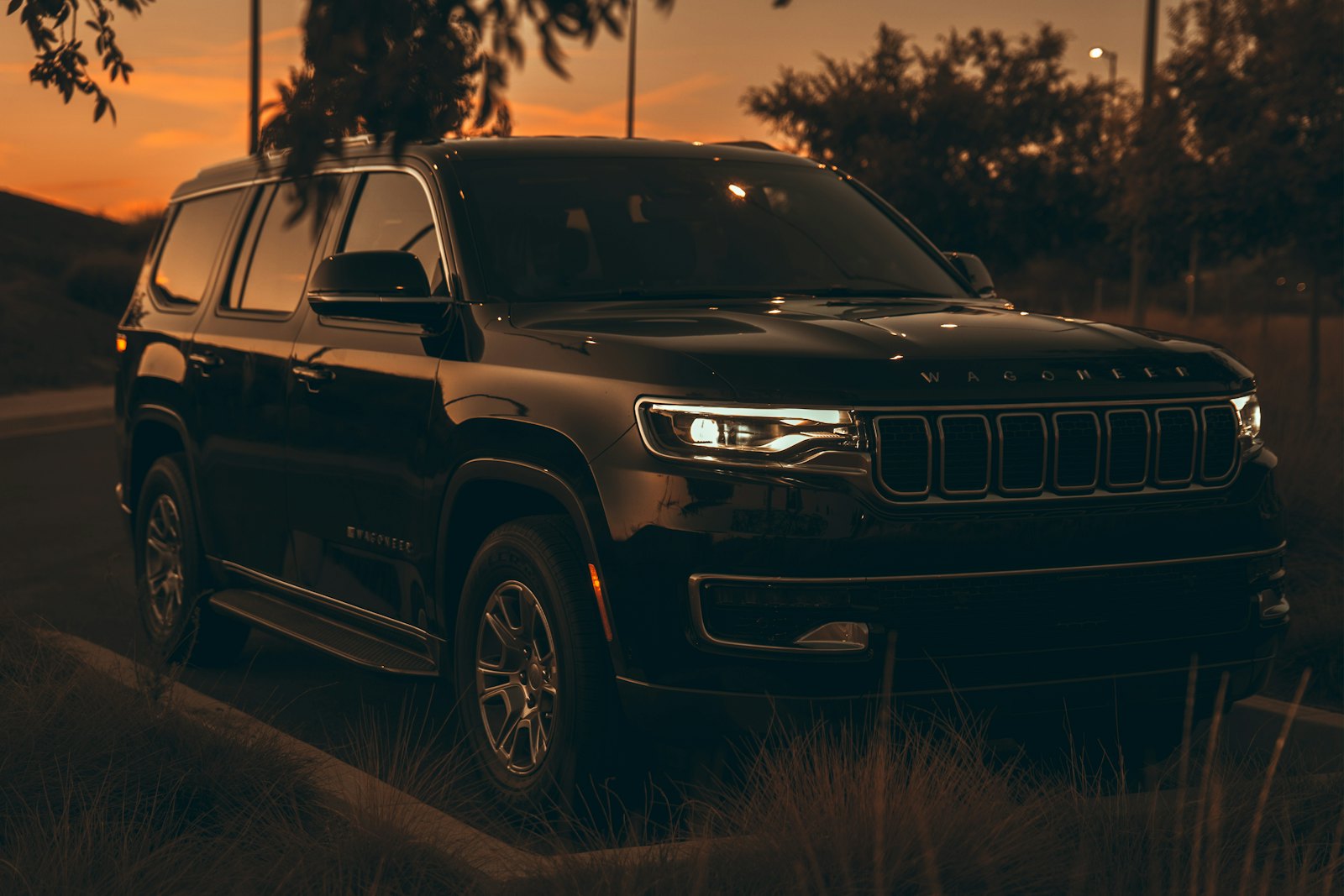
Canoe packs are bulky and food barrels are awkward, so count them as large cases. A business sedan carries three passengers and three large cases, enough for a couple going to a lodge. An executive SUV or luxury minivan carries six and six, the right choice for two to four paddlers with packs, barrels and paddles. Groups of up to fourteen, such as a youth group or a company retreat, can use an executive Sprinter; see Sprinter group transportation and our guide to choosing the right vehicle. Bring a bag for wet gear on the way home.
A worked example: two paddlers on a long weekend
Two friends in downtown Toronto are starting a three-night trip from the Canoe Lake access point on a Friday in August, renting a canoe from the outfitter there. They book an executive SUV for 5:30 a.m. with two packs, a food barrel and paddles. The chauffeur takes the 400 and Highway 11 before the cottage traffic builds, stops briefly in Huntsville, and reaches Canoe Lake at about 9:00 a.m.
The return is booked at the same time: Monday at 3:00 p.m., in the access point parking area by the outfitter. On Monday the wind is up, they come in at 2:40 p.m., and the car is there. They are back downtown by about 7:00 p.m., with the holiday Monday traffic on the 400 the only slow part of the trip.
Fall colours, wildlife and the seasons
Late September and early October bring the park's famous fall colours and its busiest weekends; Highway 60 can be slow with parked cars at lookouts and trailheads, so build in extra time. Moose are often seen near the highway, especially at dawn and dusk in late spring, which is one more reason to let someone else drive the corridor in the dark. Highway 60 stays open in winter for skiers and snowshoers, and dispatch checks Environment Canada's forecast before winter trips; our post on what a chauffeur does in a snowstorm explains the routine.
What does it cost?
Algonquin Park lodges and access points are quoted by the reservation engine as a fixed fare for the exact location, including the chauffeur, vehicle, fuel, 407 ETR tolls if used and gratuity, with HST shown separately. For scale, Huntsville, the last town before the park, plans at $495–630 in a business sedan and $635–805 in an executive SUV from Pearson. Each fare includes the chauffeur's drive home, so a one-way booking is normal. See our rates page for other planning fares.
Driving yourself or a bus?
Many paddlers drive themselves and leave the car at the access point, which works if you are comfortable with the drive and the parking. Seasonal park buses have run from Toronto in some summers and suit solo hikers with light packs; check what is operating. A private car makes sense when you would rather not leave a car in a lot for a week, when the group has no driver who wants to do six hours of highway in a weekend, or when the trip starts at Pearson. Travellers heading to resorts on the way can also read our Muskoka airport limo guide, and for a shorter trip north, see Collingwood and Wasaga Beach.
Booking a car to Algonquin Park
Enter the pickup address and the lodge or access point, with its kilometre marker, the number of passengers and every pack and barrel. Book the return at the same time and put the meeting spot in the notes. Our long-distance car service page covers trips beyond the GTA, and cancellation is free more than 72 hours before pickup. Once the return is agreed, book the Algonquin car.