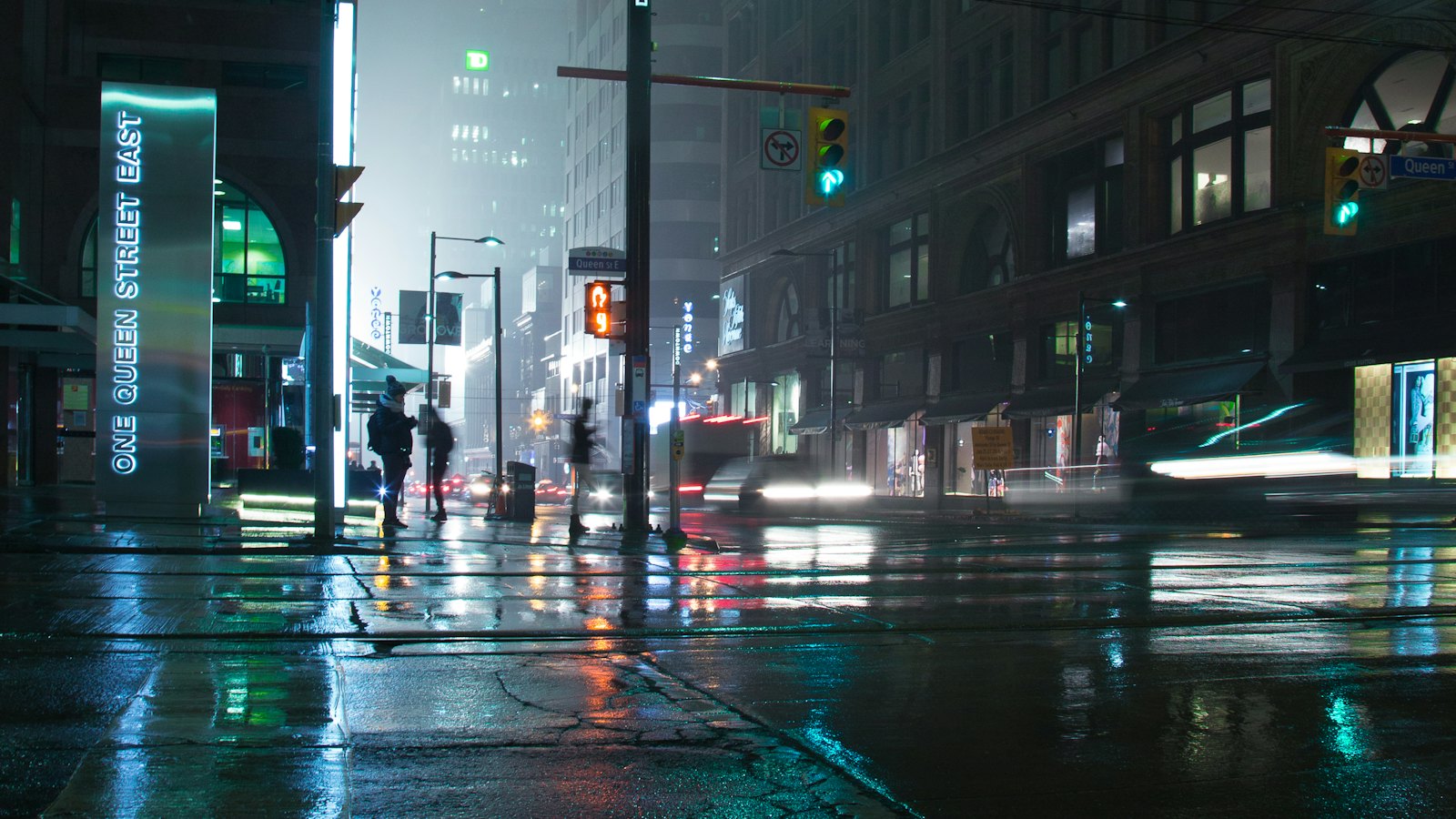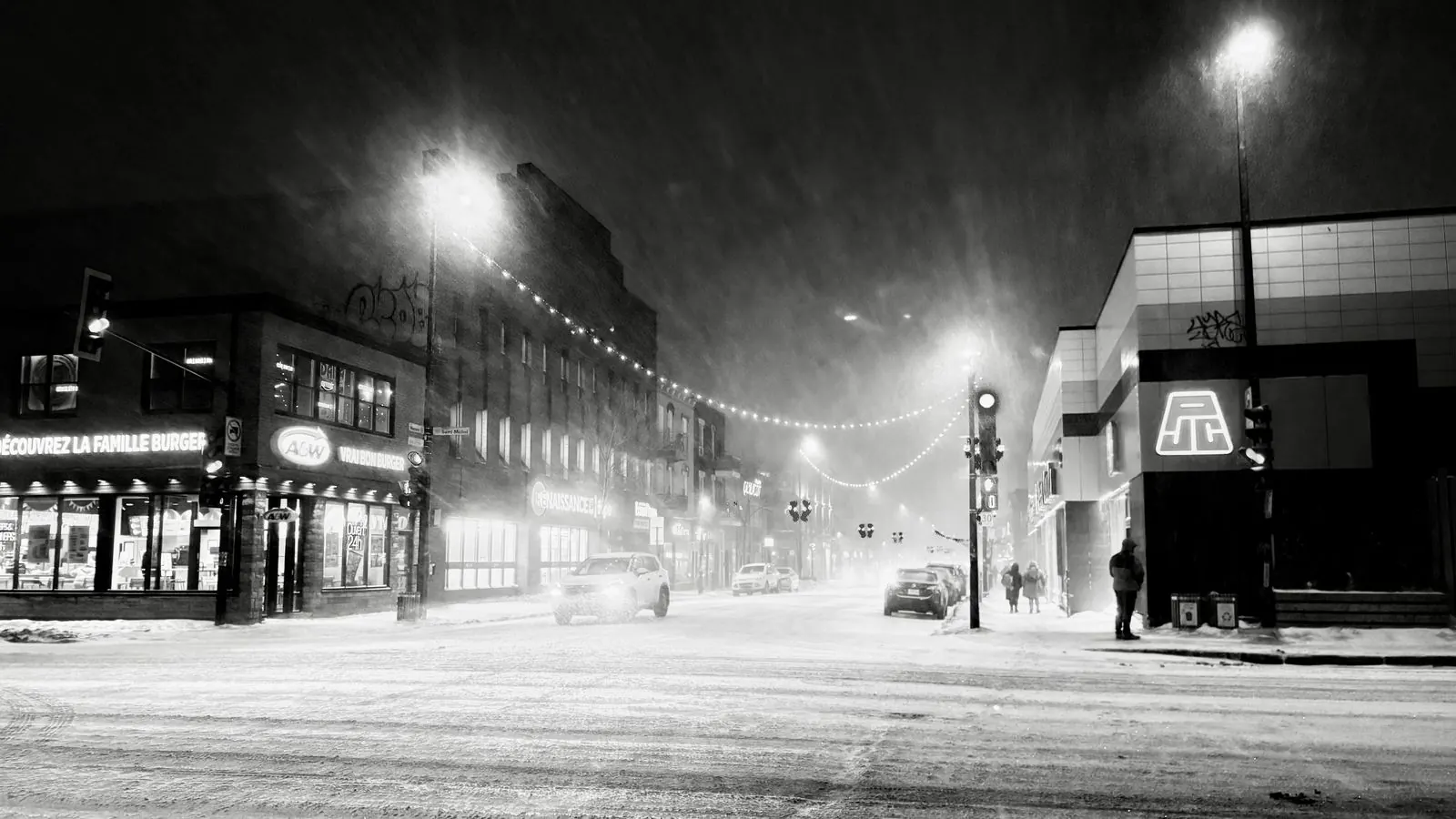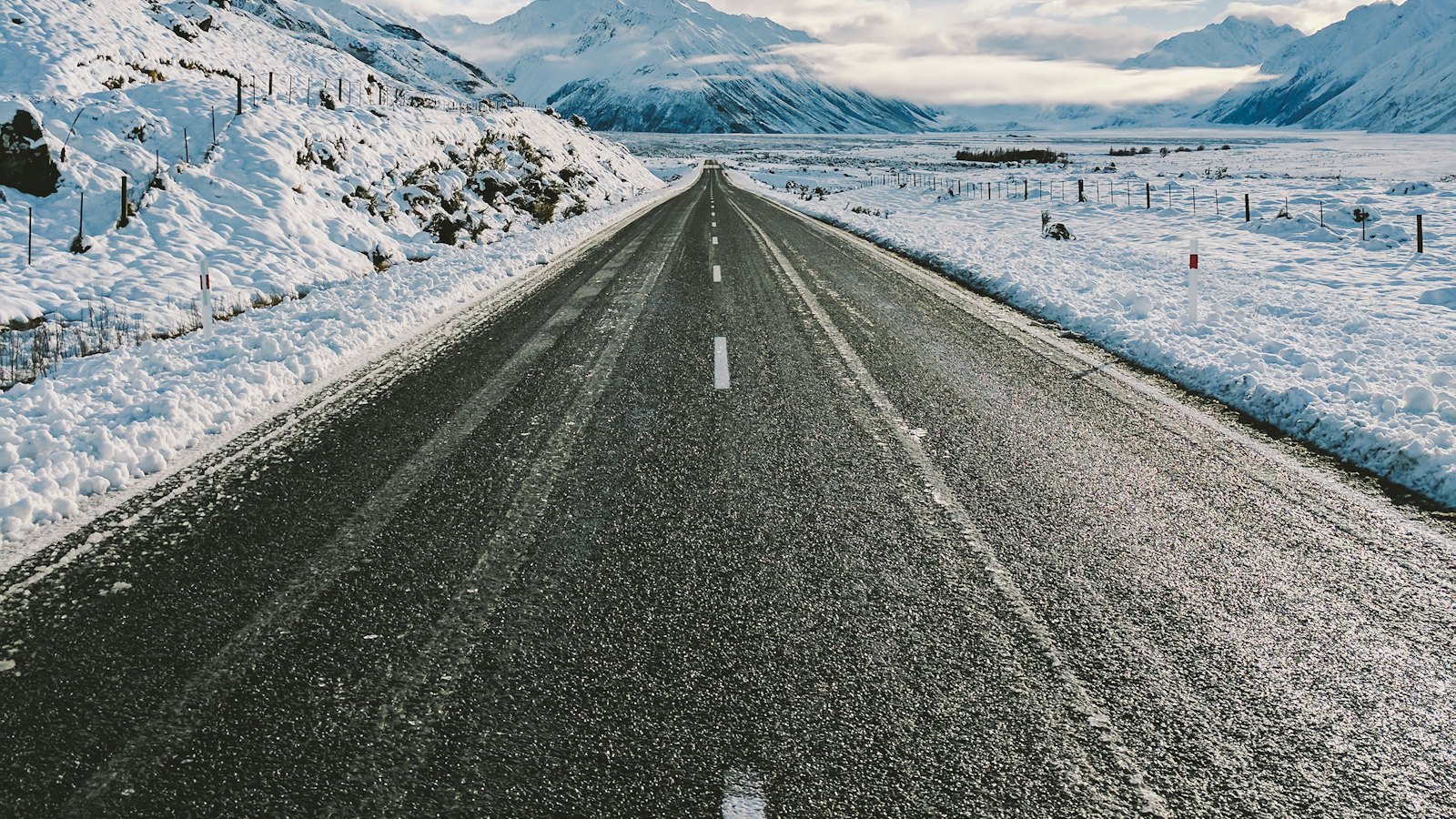











In a snowstorm, a chauffeur's work starts the night before: reading Environment Canada warnings and Ontario 511, calling you to move the pickup earlier if needed, and preparing the car. On the day they clear the car completely, pick the safest route rather than the fastest, drive to conditions and never speed to recover time. The flat fare does not change for weather, and there is no surge.
Toronto does not get the deepest snow in Canada, but it gets plenty of awkward snow: a squall that turns the 401 white in ten minutes, freezing rain on a December evening, 20 centimetres overnight before a 6 a.m. flight. On those days the difference between a car that arrives on time and one that does not is almost never the driving. It is the planning that happened twelve hours earlier.
This is what a chauffeur and the dispatch desk actually do on a snow day, in the order it happens, and what you can do to make it easier.
The evening before: reading the forecast
Every evening in winter, dispatch reads the public forecasts and warnings on weather.gc.ca for every area with a pickup the next morning, from Oshawa to Hamilton and up to Barrie. A snowfall warning, a freezing rain warning or a squall watch on Highway 400 changes the plan. The overnight shift also follows road conditions and closures on Ontario 511, because a plough schedule or a collision on the 427 at 3 a.m. matters more than the snowfall total. Chauffeurs on early jobs look at the same information and set their own alarm earlier, so the car is ready before the extra margin is needed.
The phone call about an earlier pickup
If the forecast is bad, dispatch calls or messages you the evening before to suggest moving the pickup earlier, usually by 15 to 45 minutes depending on distance and the warning. Please accept that call. Changes to the pickup time are free when they can be accommodated, and an earlier start costs nothing but sleep. The table shows typical planning ranges we use; they are guides, not promises, and the real drive depends on the storm.
| To Pearson from | Normal early morning | Planning in heavy snow |
|---|---|---|
| Downtown Toronto | 25–45 minutes | 45–80 minutes |
| Mississauga or Etobicoke | 15–30 minutes | 30–55 minutes |
| Markham or Richmond Hill | 30–45 minutes | 50–90 minutes |
| Burlington or Oakville | 30–50 minutes | 55–95 minutes |
| Whitby or Oshawa | 50–70 minutes | 80–130 minutes |
| Barrie | 60–80 minutes | 90–150 minutes, more in squalls |
Those margins sit on top of the airport advice in our guide to how early to arrive at Pearson, because check-in lines and de-icing do not shrink on a snow day either.
Preparing the car before the pickup
The chauffeur starts the car early enough to clear it completely: roof, hood, lights, mirrors and every window, not a porthole in the windshield. Snow left on a roof slides onto the windshield at the first brake, or onto the car behind. Wipers, washer fluid and tires are checked, the fuel tank is full in case of a long crawl, and a brush, scraper and spare washer fluid ride in the trunk. The cabin is warm before you get in. For long winter trips, dispatch also thinks about the vehicle itself; our post on electric and hybrid chauffeur cars explains why deep cold changes which car goes where.
At your door: driveways, steps and boots
The chauffeur parks where it is legal and safe, which on a snowy street may be a few metres from where it would normally stop, clear of the plough's path. Passengers can help a great deal. Clear a path from the door to the street the night before if you can, leave the porch light on, and wear boots to the car; dress shoes can go in a bag. The chauffeur carries the luggage across ice so you can hold the railing. If you have an elderly parent travelling, say so, and the chauffeur will walk with them to the car. Our post on rides to Pearson for early flights has more on the 4 a.m. routine.
Choosing the route: 401, 407 or local roads
In snow the chauffeur chooses the safest road with the most predictable timing, which is not always the shortest. Highway 407 ETR often carries less traffic than the 401 and can be the steadier choice in a storm; when it is used, the toll is already in your flat fare, as our post on 407 tolls on airport rides explains. The Gardiner and the QEW near the Burlington Skyway can be slowed by wind and lake-effect bursts. North of the city, Highway 400 around Barrie is known for squalls that close lanes with little warning; our Barrie to Pearson post covers that road season by season. When a highway is closed, the chauffeur takes main roads such as Dixon or Eglinton rather than waiting in a queue that is not moving.
Driving in it: no heroics
A chauffeur drives to the conditions: lower speed, longer following distance, gentle braking and no lane changes through slush ridges. They will not speed to recover lost time, even if you ask, and they will not pass a plough on the shoulder. If conditions become dangerous, they slow down or stop somewhere safe and call dispatch, who will call you. This is why the earlier pickup matters: the margin is built in before the drive, so nobody is tempted to use the right foot to make it up.
At the airport, departing or arriving
At the departures curb, the chauffeur stops as close to your airline's doors as the snow and traffic allow and puts the bags on the cleared sidewalk. Check your flight on Toronto Pearson's site before you leave home, because de-icing and ground stops can delay departures for hours. For arrivals, the chauffeur tracks the flight and adjusts to the actual landing time, as our post on how chauffeurs track your flight explains. Included waiting runs from landing: 60 minutes on international arrivals from outside the US, 30 minutes on Canadian and US flights. If the flight is diverted or cancelled, that is not a no-show; the pickup is moved, and our post on what happens when a flight is delayed goes through the details.
What a storm does to the fare
Nothing. Every fare is a fixed, all-in flat rate confirmed before you book, with HST shown separately. Nothing is metered and there is no surge for weather, events or delays, so a two-hour crawl from Oshawa costs the same as a clear 55-minute run. The fare changes only if the trip changes: waiting beyond the included time, an added stop, a new address or a different vehicle, and dispatch tells you before any extra waiting starts. Our post on surge pricing versus fixed fares compares that with app pricing on a storm night, and every planning figure is on our rates page.
When the road is the wrong answer
Occasionally the honest advice is not to drive. In freezing rain with highways closed, a traveller downtown may reach Pearson more reliably on the UP Express from Union Station, because the train is not stuck in traffic; our comparison of the UP Express and a car sets out when that holds. For a dawn flight with a major storm forecast, a night at an airport hotel can be the calmer plan, as our post on an airport hotel the night before discusses. Dispatch will say so plainly rather than sell you a ride that is likely to go wrong.
A worked example: a snowfall warning in Burlington
A family of four in Burlington has an 8:00 a.m. flight to Cancun and an executive SUV booked for 4:15 a.m., planning fare $190–245 before HST from the Burlington page. At 7 p.m. the night before, a snowfall warning calls for 15 to 25 centimetres overnight. Dispatch calls and suggests 3:30 a.m.; the parents agree. The chauffeur arrives at 3:20, clears the SUV, loads four cases and a car seat, and takes the QEW and 403, then the 401, at a steady pace behind the ploughs. The drive takes 90 minutes instead of 40. The family still reaches the terminal at 5:00, three hours before departure, and the fare is unchanged.
Booking a winter airport ride
Book as usual through our booking page with the flight number, so the chauffeur can follow it, and an accurate bag count, including boots and ski bags. Make sure dispatch has a mobile number that will be on overnight. If a storm is forecast and you are unsure about timing, call (877) 860-3388 and ask; an executive SUV from our luxury SUV service is a popular winter choice for families with gear.