












From Toronto Union Station to Niagara Falls you can take a GO train (direct on some trips, train plus bus via Burlington on others), VIA-Amtrak's once-daily Maple Leaf, an intercity coach from the Union Station Bus Terminal at 81 Bay Street, or a car from the Front Street curb. Trains and buses take about two hours to Niagara's north-end station; a car takes 80 to 150 minutes, door to door.
Union Station is where most of Toronto's transport meets, so it is a natural starting point for Niagara. If you would rather step out of the station into a waiting car, a Union Station pickup is booked in the same reservation engine as every other ride. Below is what each option looks like from inside the building.
Toronto Union Station to Niagara Falls: the four options side by side
| Option | Departs from | Frequency | Time to Niagara | Arrives at | Luggage |
|---|---|---|---|---|---|
| GO train | GO train platforms, via the GO concourses | Several a day, more in summer and on weekends | About 2 h direct | Niagara Falls station, Bridge St | Carry yourself |
| GO train + bus | GO platforms, change at Burlington | Fills gaps between direct trains | 2-2.5 h | Niagara Falls station or bus stops | Carry yourself, two changes |
| VIA-Amtrak Maple Leaf | VIA side of the station | Once a day each way | About 2 h | Niagara Falls station, Bridge St | Racks in the car |
| Intercity coach | Union Station Bus Terminal, 81 Bay St | Several a day, varies by operator | About 2 h, traffic dependent | Niagara Falls bus stop | Under-floor hold |
| Private car | Front Street curb | Whenever you book | 80-150 min | Your hotel door | Chauffeur loads |
Frequencies change with the season and track work; always check the operator's own timetable for your date.
Taking the GO train from Union to Niagara Falls
GO Transit's Lakeshore West line runs west from Union along the lake, and some trains continue all the way to Niagara Falls. When there is no through train, GO schedules a connection: train to Burlington, then a GO bus onward. The trip planner shows which is which. GO is the value option, especially for families, because children 12 and under travel free. Pay with PRESTO, a credit or debit card tapped on the reader, or a ticket. Current Niagara service, seasonal extras and any combined offers with local transit are on the GO Transit Niagara page.
Finding the GO platforms inside Union Station
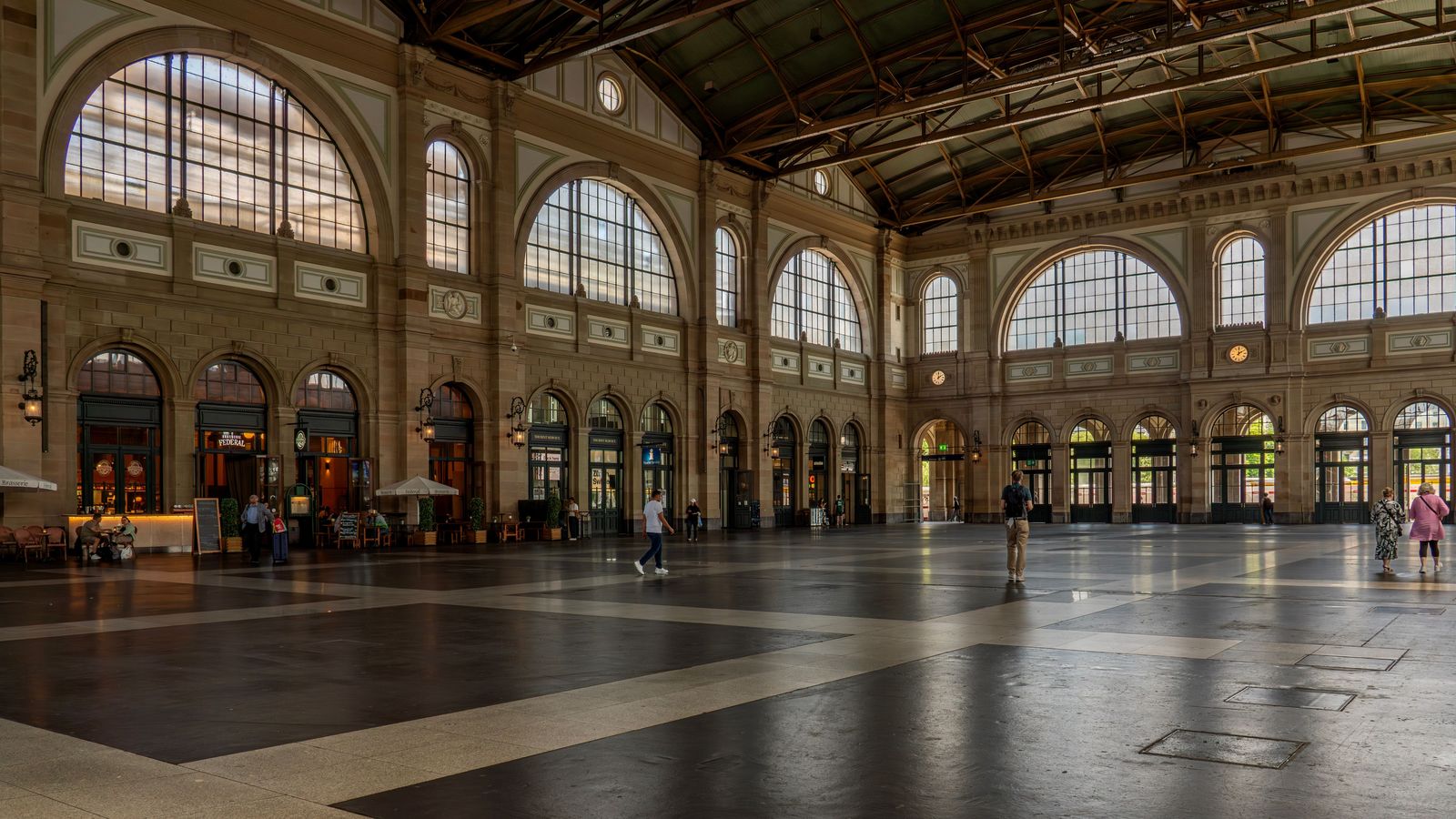
The GO train platforms are reached from the GO concourses beneath the tracks. Departure boards show the track only shortly before the train leaves, which leads to a brisk crowd moving up the stairs and escalators when it appears. Wait near the board for your line rather than on a random platform. With suitcases, use the elevators, and allow extra minutes at rush hour when commuters pour through. Union's official site at torontounion.ca has maps of the concourses.
Taking VIA Rail and the Maple Leaf from Union
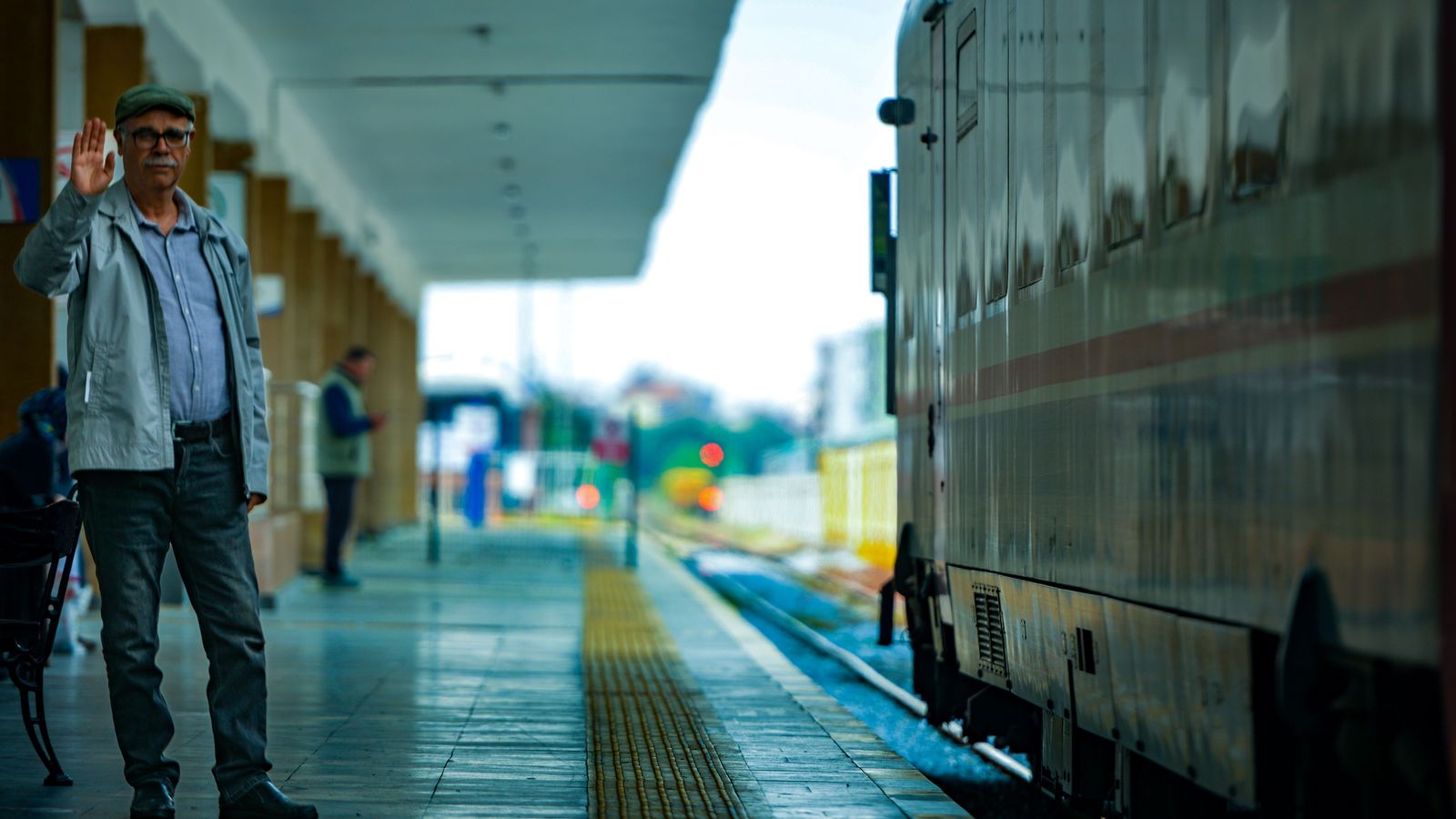
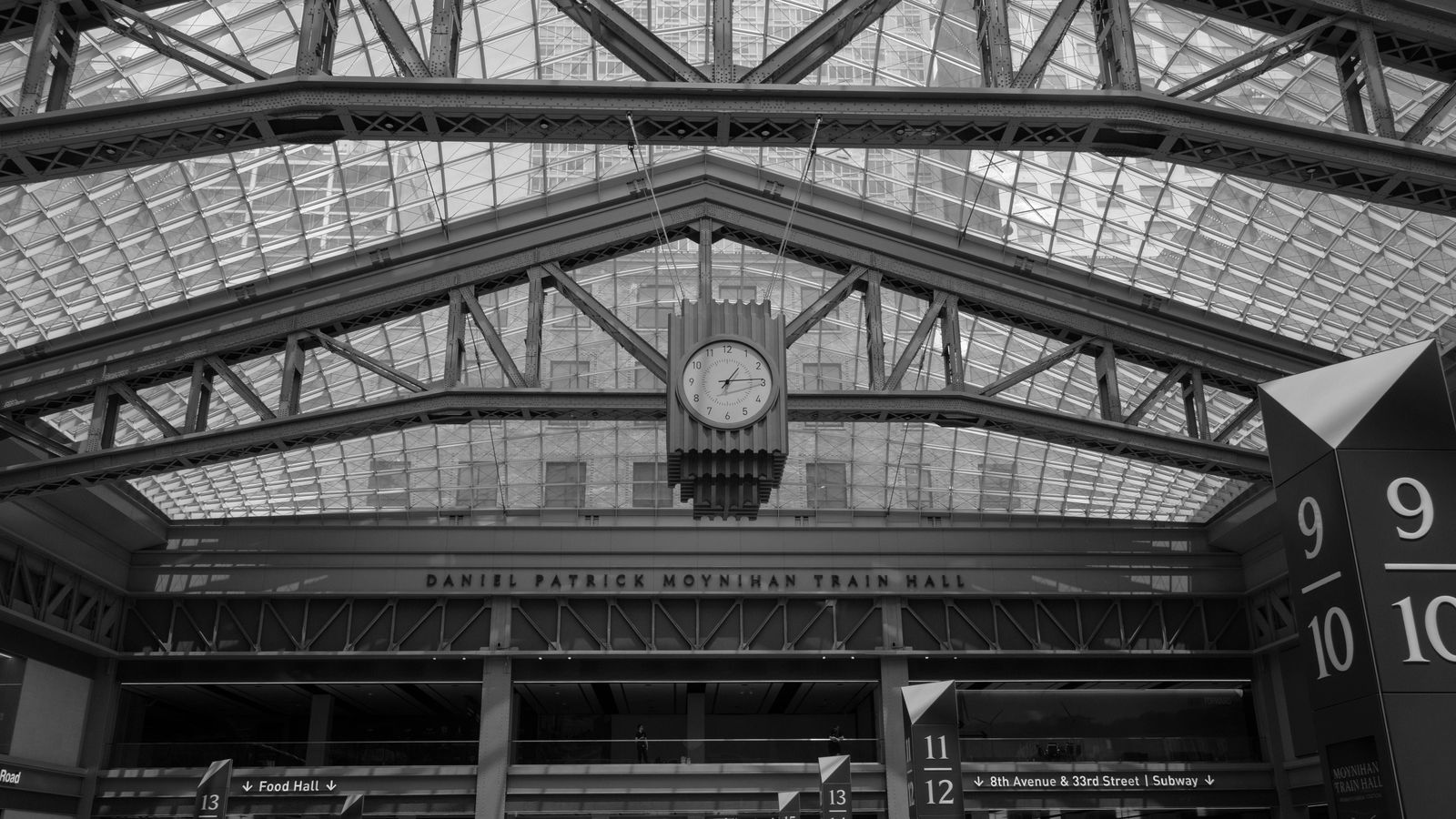
The Maple Leaf leaves from the VIA side of the station, where passengers check in and wait in the VIA concourse before boarding is called. It runs once a day in each direction, reaches Niagara Falls in about two hours, and continues to New York. It suits travellers who want a reserved seat or who are already connecting from another VIA train. Everything about the service, including its stops and who it suits, is in our separate guide to VIA Rail from Toronto to Niagara Falls; timetables are on VIA Rail.
Taking a bus from the Union Station Bus Terminal
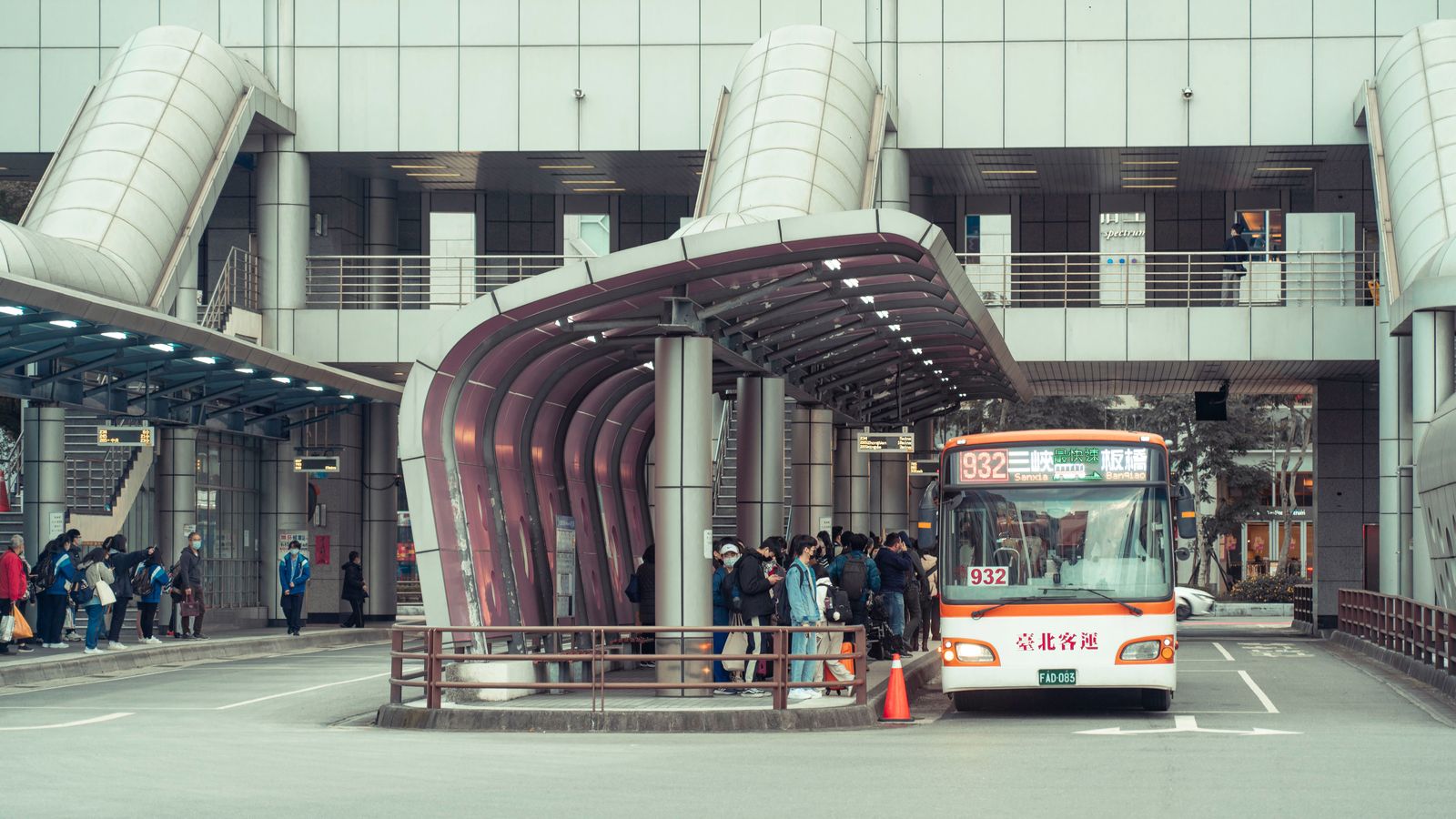
Intercity coaches to Niagara Falls leave from the Union Station Bus Terminal at 81 Bay Street, a short walk east of the main station across Bay Street, in the CIBC Square complex. Fares can be low when booked early. The ride is about two hours, but coaches share the QEW with everyone else, so a Friday-afternoon departure can run well over. Drop-off points in Niagara vary by operator; check whether yours stops near the tourist area or only at a transit stop. Our Union Station Bus Terminal guide explains the building, and routes are listed by operators such as FlixBus and Megabus.
Taking a car from Union Station
A car is the only option that starts at the curb and ends at your hotel door. The usual meeting point is on Front Street outside the main entrance, where the chauffeur waits in a legal pickup spot; with meet and greet, an optional add-on, the chauffeur meets you inside with a name board and helps with bags. From Union the car takes the Gardiner west to the QEW and runs straight to Fallsview, Clifton Hill or Niagara-on-the-Lake, with no transfer at the other end. Our planning figures and the drive times by hour are in Toronto to Niagara Falls distance and drive time.
How long does it take, door to door, from Union?
Everything from Union takes about two hours on paper. The real difference is at the Niagara end. Trains and most buses arrive at or near the Bridge Street station in the north end of the city, around 4 to 5 km from Fallsview. Allow 20 to 40 minutes more for a WEGO bus or taxi to your hotel, or longer if you wait for the bus with luggage. A car arrives at the door, so the two-hour train and the two-hour car are not equal once you count the last mile.
Scenario: arriving at Union from Montreal or Ottawa
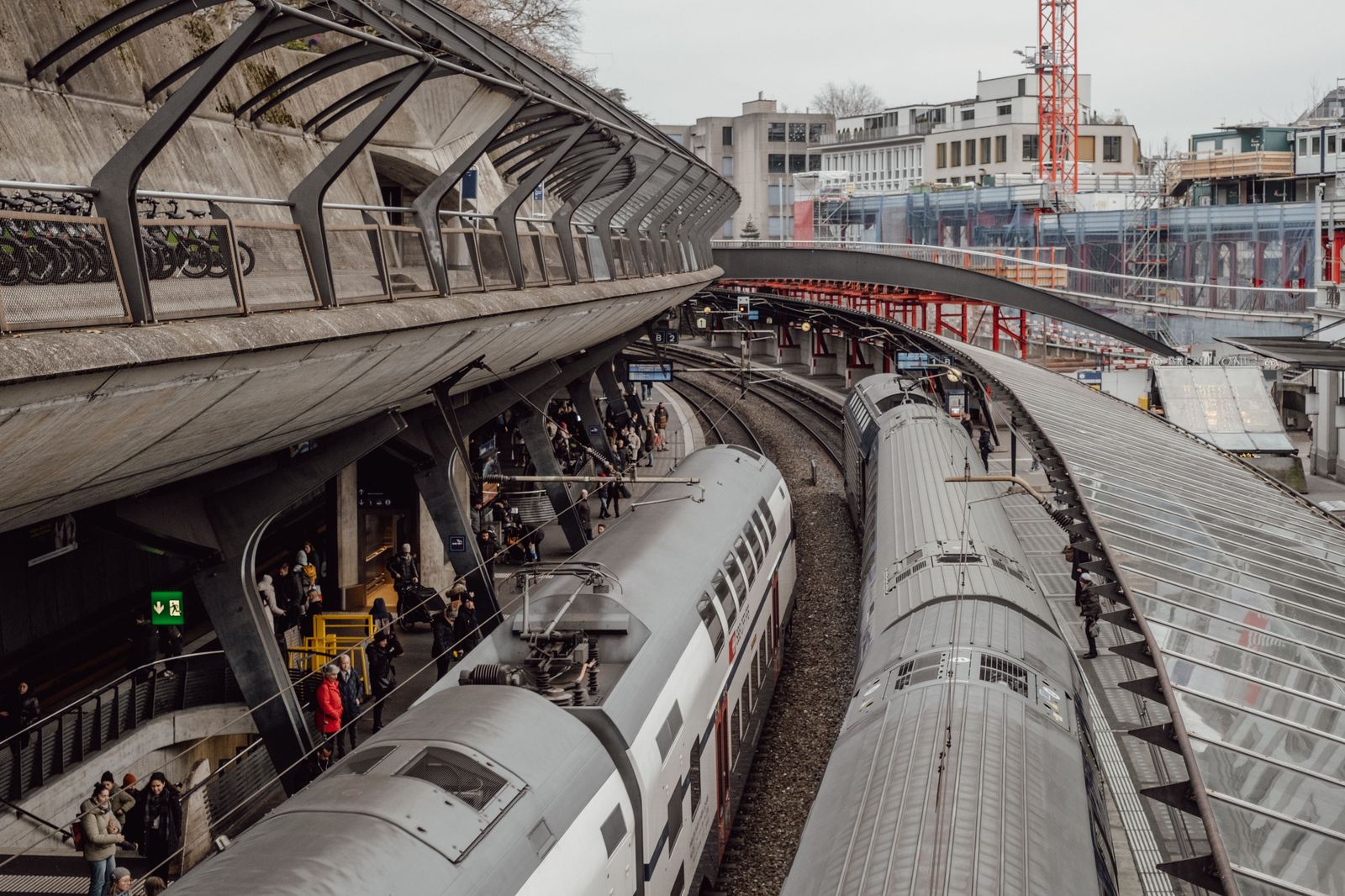
VIA Corridor trains from Montreal and Ottawa arrive at Union, and many visitors are continuing straight to Niagara. If your arrival lines up with the Maple Leaf, you can stay in the VIA world. More often it does not, and the choice is a GO train or a car. After four or five hours on a train, a car from the Front Street curb straight to the hotel is the calm option; with a single small bag and time to spare, GO is fine.
Scenario: a family of five with luggage
Two adults, three children, two large suitcases and a stroller. On GO, the children under 13 ride free, which is a real saving, but the family carries everything up to the platform, sits wherever there is space and then needs a taxi big enough for five plus bags in Niagara. In an executive SUV or luxury van, which holds six passengers with bags, the chauffeur loads the car on Front Street, child seats are fitted in advance on request, and the next stop is the hotel lobby.
Scenario: a solo traveller on a budget
A single traveller with a backpack should take the GO train or a coach. It is inexpensive, reliable and the transfer at the other end is easy with light luggage. Buy or load your fare before you reach the platform, and check the WEGO connection at the Niagara end. For the full money-saving picture, including combined tickets and when driving yourself beats both, read the cheapest way to get to Niagara Falls from Toronto.
Scenario: a group of eight to fourteen
Groups change the maths completely. Eight train tickets plus two taxis at the other end rarely beat one 14-seat Sprinter, which carries everyone and their bags from Union to the hotel as a single booking. The Sprinter planning figure is about 2.2 times the sedan fare, and it is priced per vehicle, not per head. For weddings, stags and corporate groups, see our Sprinter group transportation page.
Timing a departure from Union to Niagara
Friday afternoons are the worst time to leave Union for Niagara by road, because the QEW westbound is clogged with commuters and weekenders at once. Trains are unaffected, so if you must leave between 3 and 7 p.m. on a Friday, rail has a genuine edge. Early on a Saturday or Sunday morning, a car is fastest, often around 80 minutes to Fallsview. Late in the evening, road wins easily, and trains become less frequent.
Coming back: Niagara Falls to Union Station
The return has the same choices in reverse. The last trains and buses of the day fill up on summer Sundays, so check return times before you set off in the morning. If your return depends on catching a connection at Union, such as a VIA train or a UP Express to the airport, a car booked for a fixed pickup time from your Niagara hotel removes the risk of missing a single daily train. Heading straight to the airport instead, our Pearson to Niagara Falls route explains when to leave.
Accessibility and help with bags at Union
Union Station has elevators to the GO and VIA platforms, and both rail operators can arrange assistance for passengers with reduced mobility when it is requested ahead of travel. The harder part is usually the Niagara end, where an older station and a local bus make the last few kilometres the difficult ones. If someone in your party uses a wheelchair or a walker, compare the full journey, not just the train. Our wheelchair-accessible transfers page explains which vehicles we supply directly and which come through vetted partners, and a chauffeur with meet and greet can collect you from inside the station rather than at the curb.
Which option should you choose?
Take GO if you are travelling light, on a budget or with children under 13 and do not mind a transfer. Take the Maple Leaf if you want a reserved seat and its single daily time suits you. Take a coach if it is cheaper for your date and your drop-off stop is convenient. Take a car if you have luggage, a group, a tight schedule, or want to go straight to a hotel, winery or restaurant. Seasonal event information for the Falls end is on Niagara Falls Tourism.