












VIA Rail Toronto to Niagara Falls service is the Maple Leaf, a train run jointly with Amtrak between Toronto and New York City. It leaves Union Station once a day, stops at Oakville, Aldershot, Grimsby and St. Catharines, and reaches Niagara Falls, Ontario in about two hours. For more departures, GO Transit trains serve the same station; either way you still need a ride from Bridge Street to the Falls.
The train ends at the historic station on Bridge Street, not beside the Falls. If you are arriving by rail and want a car waiting, our Niagara Falls station transfer covers the pickup; this post is about the train itself and when it is, or is not, the right choice.
VIA Rail Toronto to Niagara Falls: how the Maple Leaf works
The Maple Leaf is one of the few international passenger trains in North America. It runs between Toronto Union Station and New York's Penn Station, a journey of around 12 hours including the border inspection. On the Canadian side it behaves like a regional train: it picks up and drops off passengers at a handful of Ontario stations, and Niagara Falls, Ontario is its last Canadian stop before the Whirlpool Rapids Bridge into the United States. For a traveller going only from Toronto to Niagara, the international part is irrelevant; you step off before the border.
How many trains a day, and when?
There is one Maple Leaf in each direction per day. The southbound train typically leaves Toronto in the morning, and the train coming back from New York typically reaches Niagara Falls and Toronto in the evening, which makes a same-day return possible in principle but inflexible in practice. Times are adjusted seasonally and around track work, so treat any schedule you read secondhand as a guide only. The current timetable and fares are on VIA Rail and Amtrak; tickets for the Canadian segment can be booked through either.
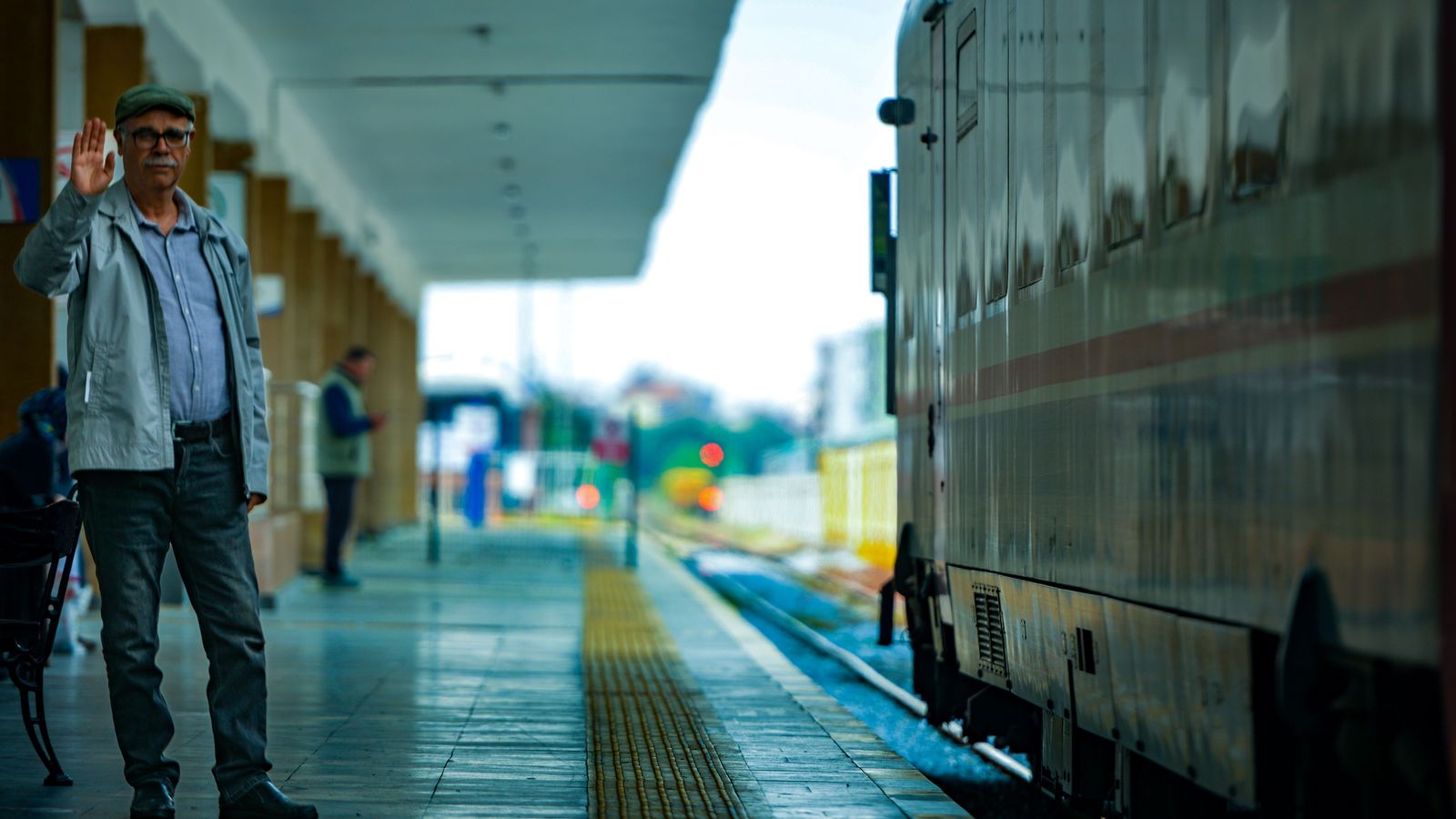
The stops between Toronto and Niagara Falls
The Maple Leaf calls at these Ontario stations after Union Station:
| Station | Where it is | Useful for |
|---|---|---|
| Oakville | Near Trafalgar Road and the QEW | West-end Toronto and Halton travellers |
| Aldershot | Burlington, near the 403 | Burlington, Hamilton, Dundas |
| Grimsby | Off the QEW in west Niagara | Twenty Valley wineries |
| St. Catharines | West of downtown St. Catharines | St. Catharines, Port Dalhousie, Brock University |
| Niagara Falls | 4267 Bridge Street | The Falls, Niagara-on-the-Lake, the US crossing |
The ride is about two hours end to end. Grimsby and St. Catharines stations are small and quiet; plan your onward ride before you arrive.
Maple Leaf vs GO Transit: which train should you take?
GO Transit trains on the Lakeshore West line also run from Union to Niagara Falls, and on many days they are the better rail choice simply because there are more of them. GO runs direct trains on some trips and a train-plus-GO-bus connection via Burlington on others, with more direct service in summer and on weekends. Children 12 and under ride GO free. The Maple Leaf offers reserved seating, a quieter coach and, in business class, more legroom and complimentary drinks. Check GO's Niagara service on the GO Transit Niagara page before choosing. If you are leaving from Union and still weighing trains against buses and cars, Union Station to Niagara Falls: train, bus or car lays out all three.
Luggage on the Maple Leaf
Rail is generous with carry-on luggage compared with a plane, but you carry it yourself: onto the platform at Union, up the steps into the car, and off again at Bridge Street. Large suitcases go in the racks at the end of the car. Baggage rules are set by the operators and differ between the domestic and international portions, so check the allowance on your ticket if you are travelling with big bags, golf clubs or a bicycle. Families with a stroller, two suitcases and a car seat often find this is where the train stops feeling easy.
Where the train arrives: Bridge Street, not the Falls
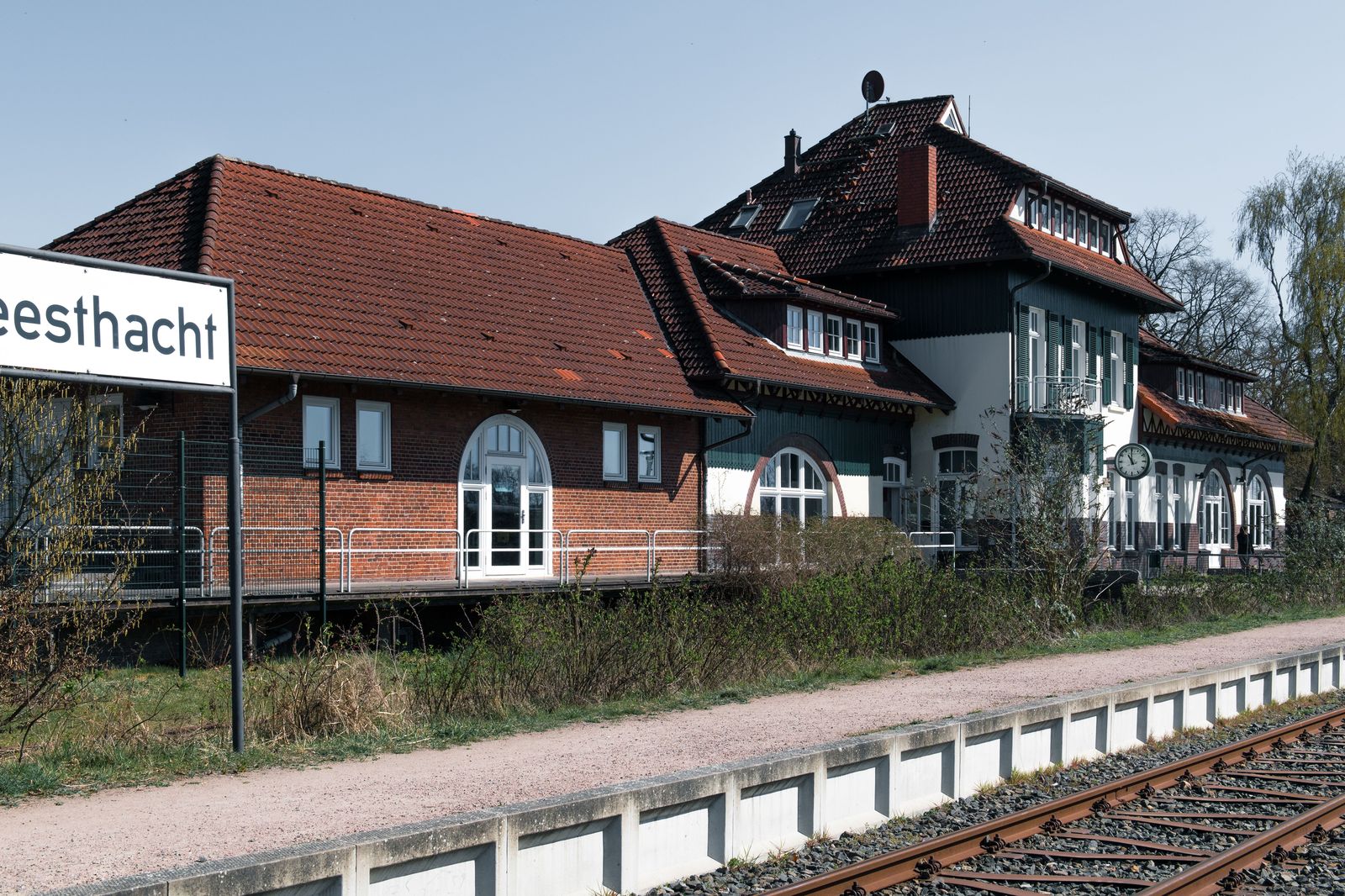
Niagara Falls station sits in the older north end of the city, beside the Whirlpool Rapids Bridge, about 4 to 5 km from Clifton Hill and the Fallsview hotels. The building dates from the late 1800s and is now owned by the Niagara Region, which is developing it as a transit hub. There is no attraction within an easy walk with luggage, so plan the last leg before you travel: a local WEGO bus, a taxi from the stand, or a pre-booked car at the curb.
The last mile: from the station to your hotel
From Bridge Street, a car takes about 10 minutes to Clifton Hill and 12 to 15 minutes to Fallsview Boulevard, and about 20 to 25 minutes to Niagara-on-the-Lake. The WEGO system links the area with the tourist zones, though with bags and a transfer it can take much longer. A pre-booked car from us meets the train, tracks any delay and takes you straight to the door; point-to-point pickups include 15 minutes of waiting. This matters most in the evening, when the Maple Leaf from New York can run late after the border stop.
How long is VIA Rail from Toronto to Niagara Falls compared with driving?
The train's two hours are steady: no Burlington Skyway jam, no Friday-afternoon crawl. But door to door the numbers shift. Add the trip to Union Station at the start, 20 to 30 minutes to be on the platform in good time, and the local transfer at the end, and a downtown-to-Fallsview journey by train takes roughly three hours. By car it is 80 to 95 minutes off-peak and up to two and a half hours in the worst rush. Our post on Toronto to Niagara Falls distance and drive time has the hour-by-hour driving figures.
Who the Maple Leaf is right for
- Solo travellers and couples with light bags staying near a WEGO stop.
- Rail enthusiasts who want the ride along the lake and through the fruit belt.
- Travellers heading on to Buffalo or New York who want to stay on the same train.
- Visitors arriving at Union by VIA from Montreal or Ottawa whose timing happens to connect.
- Anyone who dislikes highway driving, especially in winter.
If the one daily departure fits your plans, it is a comfortable, civilised way to go.
Who should skip the train
- Families with small children: the platform, the transfers and the car seat are hard work.
- Groups of four or more: per-person tickets plus taxis at both ends approach or exceed a per-vehicle fare.
- Anyone landing at Pearson: reaching Union first means the UP Express, then a wait for the one train.
- Day-trippers who want Niagara-on-the-Lake too: the station is the wrong end of the day.
- Anyone on a fixed evening deadline: an inbound Maple Leaf running late after the border stop can derail dinner plans.
Continuing to the US side by train
If your trip continues to Niagara Falls, New York, Buffalo or beyond, the Maple Leaf crosses the Niagara River on the Whirlpool Rapids Bridge and stops for US border inspection at the Niagara Falls, New York station, which adds a long pause. Every passenger needs documents acceptable to US Customs and Border Protection; check the rules on CBP before booking. For a shorter hop to the American Falls, many visitors find a car or even walking the Rainbow Bridge simpler; see our guide to Niagara Falls, New York from Toronto.
Taking the train one way and a car the other
A popular compromise: ride the morning train down, spend the day at the Falls and in wine country, and have a car bring you home in the evening, or the reverse for travellers with an evening flight from Pearson. The car can pick up at a winery or restaurant rather than the station, and the drive home after 7 p.m. is fast. Book the car leg in the reservation engine with the pickup address and time; the fare is fixed, including tolls and gratuity, plus HST.
Accessibility on the train and at the station
Both VIA and Amtrak provide accessibility assistance when it is requested in advance, and wheelchair-accessible seating is available on the train. At the Niagara end, the station is older and the onward connection is where most difficulties arise. If anyone in your party uses a wheelchair or has limited mobility, arrange the final leg ahead; our wheelchair-accessible transfers page explains what we can supply directly and what comes through partners.
Buying tickets: what to check before you pay
Fares on the Maple Leaf vary by date, class and how early you book, so compare the price for your exact day rather than relying on a figure you read elsewhere. Before you pay, check four things: that the ticket is for Niagara Falls, Ontario and not Niagara Falls, New York; the baggage allowance for your fare type; the change and refund rules; and the arrival time against any tour or dinner booking. Visitors on their first trip to the city will find more practical tips in our first-time visitor's guide to Toronto, including how to reach Union Station from the airport and the hotels.
A realistic VIA Rail day to Niagara Falls
Take the morning Maple Leaf from Union, having arrived half an hour early. Reach Bridge Street around two hours later, take a car or WEGO to Table Rock and do Journey Behind the Falls or the boat. Walk the Parkway to Clifton Hill for lunch. Spend the afternoon in Niagara-on-the-Lake. Then, rather than waiting for the evening train, take a GO train or a booked car home in the early evening. Mixing modes like this is how rail travellers get the best of the day.