













From Union Station to Toronto General Hospital (200 Elizabeth Street) is about 2 km. The quickest cheap way is TTC Line 1 north four stops to Queen's Park station, a 7-10 minute ride plus a short walk. Walking up University Avenue takes 25-30 minutes. A taxi or booked car takes 5-15 minutes depending on traffic and goes to the hospital's entrance.
Patients from across Ontario arrive at Union by VIA and GO for appointments on University Avenue. This post covers the trip from the platform to the hospital door and back. For regular appointments, waiting by the hour and help at the door, see our medical appointment car service, which is the service page for these trips.
How do you get from Union Station to Toronto General Hospital?
There are four options:
| Option | Time from Union | Cost | Best for |
|---|---|---|---|
| TTC Line 1 to Queen's Park | 7-10 min ride + 5 min walk | One TTC fare | Mobile adults with light bags |
| Walk up University Avenue | 25-30 min | Free | Fit visitors, good weather |
| Taxi from Front Street | 5-15 min | Metered | Short notice, no booking |
| Pre-booked car | 5-15 min | Fixed fare quoted at booking | Patients, older travellers, early appointments |
The subway is the main choice for most visitors; the car is for anyone who should not be managing stairs, crowds or luggage before an appointment.
Where are the hospitals on University Avenue?
The corridor north of Queen Street is the city's densest cluster of teaching hospitals. The main addresses:
- Toronto General Hospital, 200 Elizabeth Street, near College Street; part of University Health Network.
- Princess Margaret Cancer Centre, 610 University Avenue, also UHN.
- Mount Sinai Hospital, 600 University Avenue; see Mount Sinai.
- The Hospital for Sick Children (SickKids), 555 University Avenue; see SickKids.
Each building has several entrances serving different clinics. Your appointment letter usually names the building, floor and entrance; bring it, and check it again before you set off.
By subway: step by step
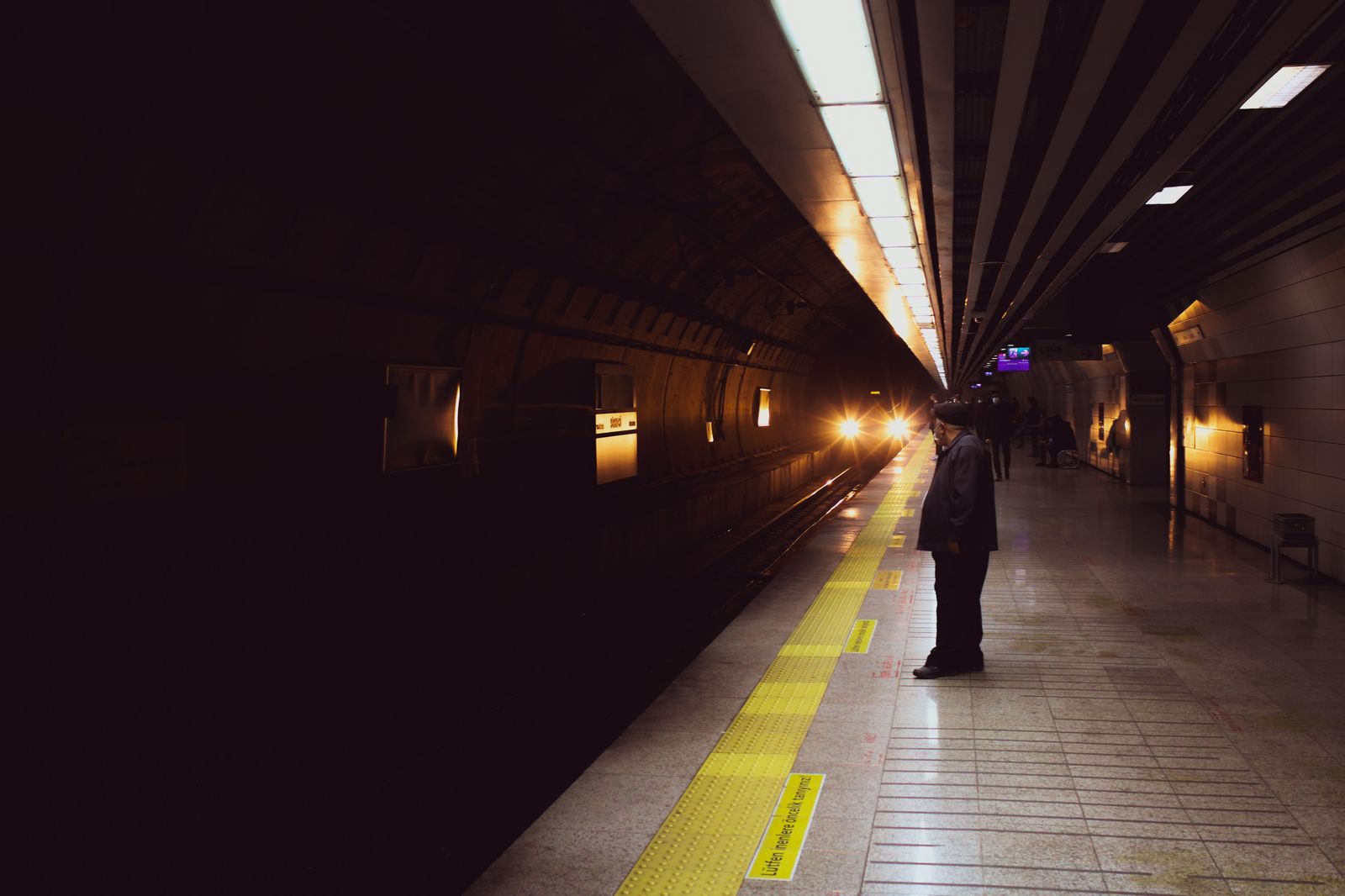
- At Union, follow signs to the TTC subway on the lower level.
- Take Line 1 northbound toward Vaughan (the University side of the loop). Do not take the Yonge-side train, which goes north on the other side of downtown.
- Ride four stops: St Andrew, Osgoode, St Patrick, Queen's Park.
- Exit at Queen's Park for Toronto General and the north end of the corridor; St Patrick, one stop earlier, is closer for buildings nearer Dundas Street.
- Walk to your entrance following the hospital signs.
Check elevator status on the TTC site if you cannot use stairs; stations along the line have elevators, but they are occasionally out of service.
Walking up University Avenue
The walk is simple: north from Union along University Avenue, a wide boulevard with a planted median, past Osgoode Hall and the US Consulate, to College Street. It is about 2 km and takes 25-30 minutes. It is a pleasant walk on a spring morning and a poor idea before a fasting blood test in February. If you are walking, allow extra time and carry water.
By car: drop-off and pick-up at the hospital
Hospitals on University Avenue have patient drop-off areas, but the details vary by building and change with construction, so follow the instructions in your appointment letter or the hospital's website. A chauffeur can wait briefly at the door while the patient gets out, then either park nearby for a short appointment or leave and return at a set time. University Avenue itself is busy, and stopping in the live lane is not allowed, so a pre-agreed door saves stress. Planning figures and waiting rules are on our medical appointments page.
Timing a train to a morning appointment
Out-of-town patients often book the first train and hope. Work backwards instead:
- Appointment time, minus 30 minutes to find the clinic and register.
- Minus 15-20 minutes from Union to the hospital door.
- Minus 15 minutes to leave the train and cross Union.
- Minus a delay buffer: 30 minutes for VIA, 15 for GO.
For a 10 a.m. appointment, you want a train that arrives at Union by about 8:30. Check VIA Rail and GO Transit timetables; if nothing fits, book a car from home or stay the night before.
Patients coming from outside the GTA
For a patient from Kingston, London, Niagara or Barrie, the train plus subway is the budget route, but it involves stairs, crowds and several changes, often on a day with a procedure or bad news. Many families instead book a car door to door from home to the hospital. For scale, our planning figures for the Pearson run, a similar distance, are Kingston $675-780, London $445-520 and Niagara Falls $345-420 one way by business sedan; a hospital address is quoted by the reservation engine for the exact trip. See our Kingston and London pages for those routes.
After a procedure: going home
If you will have sedation or anaesthetic, the hospital will tell you that you must be discharged into the care of a responsible adult. A driver alone does not count. Bring a family member or friend to ride home with you, whether by train or by car; our chauffeurs drive but are not care-givers. Book the return with some flexibility, because discharge times move. Our medical appointments page explains how we handle flexible return times.
Travelling with a wheelchair or walker
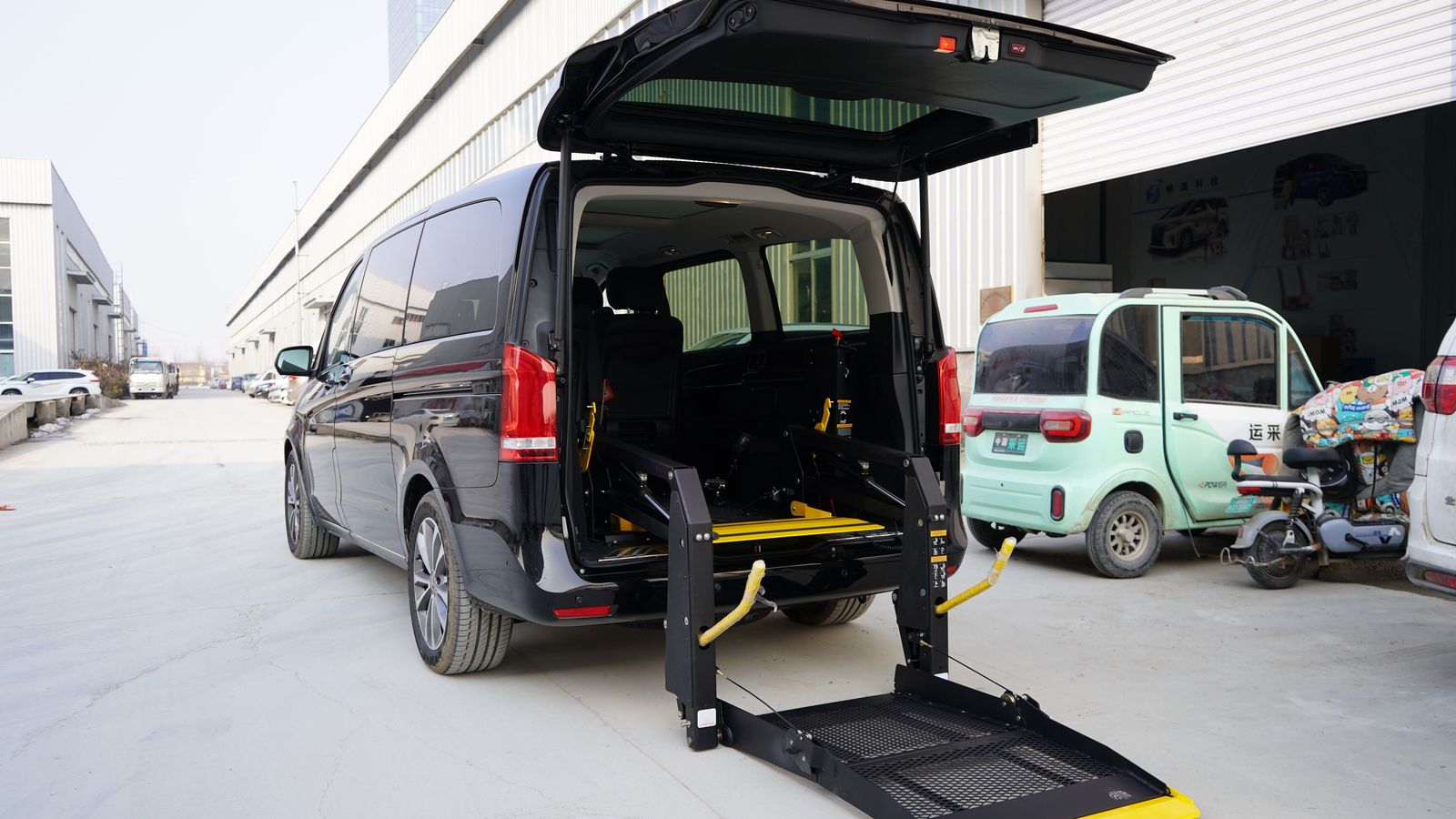
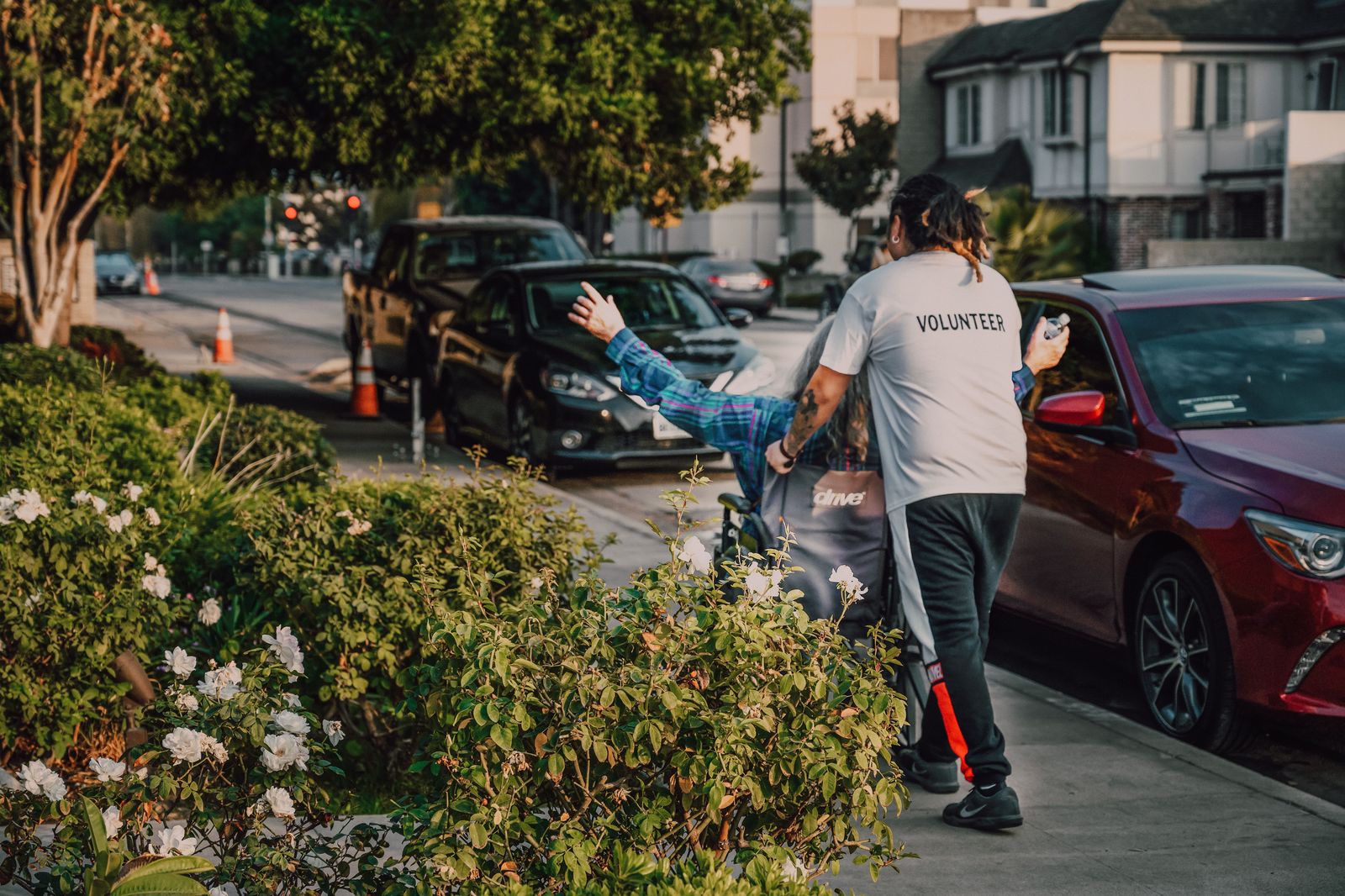
Union Station has elevators and ramps on its main routes, and Line 1 has elevator access at many stations, but the combination of crowds, elevator queues and distances makes the subway hard work with a wheelchair. A private vehicle from Front Street to the hospital door is often worth it. Tell us about the chair when booking; our wheelchair-accessible transfers page explains which vehicles suit folding and non-folding chairs.
Children's appointments at SickKids
Families arriving by train with a sick child have enough to manage. If the child needs a car seat for the last kilometre, a taxi will not have one; request one when booking our car and it will be fitted. SickKids is on University Avenue a little south of Toronto General, and St Patrick or Queen's Park stations are both a short walk. Keep the appointment letter handy for the entrance instructions.
Staying overnight near the hospitals
Multi-day treatment often means a hotel nearby. Hotels around University Avenue, Dundas and College are walkable to the hospitals. If you are arriving at Union with a week of luggage, take a car to the hotel first rather than the subway, check in, and walk to the appointment. Some hospitals list nearby accommodation for patients and families on their own sites; check UHN or SickKids.
What to bring for a hospital day in the city
A day trip for an appointment in Toronto is long, and the station and hospital are both large buildings with a lot of walking. Pack the appointment letter or email, your health card, a list of medications, any referral paperwork, a phone charger and a snack for the train home. If you are fasting, carry something to eat afterwards. Wear shoes you can walk a kilometre in. If you are bringing a companion, agree in advance who carries the paperwork and who watches the time for the return train. Out-of-province patients should also carry insurance documents, since billing rules differ.
Regular treatments: train or car each time?
Some patients travel to University Avenue several times a week for weeks: chemotherapy, radiation or dialysis schedules. The first trip is often by train, and it becomes clear quickly whether the subway leg and the station walk are manageable when tired. For a series, it is worth comparing the total: the train fare plus subway each visit, against a booked car at a fixed fare, with the same chauffeur where our schedule allows. For patients living in Mississauga, Oakville or Markham, the car is a planning figure within the GTA fare bands; a longer-distance series is priced by dispatch. Ask about a repeat booking when you make the first one.
Family members flying in to support a patient
Relatives often fly in from abroad to be with someone in hospital. From Pearson, the simplest route to University Avenue is UP Express to Union, then Line 1 to Queen's Park, or a car direct from the terminal to the hospital or a nearby hotel. If the visitor is tired and does not know the city, the direct car avoids the station and subway entirely. Our Pearson to downtown Toronto route has fares and timings.
Rush hour, weather and protests
University Avenue sees heavy rush-hour traffic from 7:30 to 9:30 a.m. and 4 to 6:30 p.m., and it is also a route for marches to Queen's Park, which can close it at short notice. In those conditions the subway is usually faster than a car. In winter storms, both slow down; leave earlier. Our dispatchers check closures on the City of Toronto site before an appointment run.
Common mistakes on the way to the hospital
- Taking the Yonge-side train. From Union, Line 1 runs north on both sides of the loop; the University side is the one you want.
- Heading to "Toronto General" when the clinic is at Princess Margaret or Mount Sinai. Check the building on your letter.
- Underestimating the station. Crossing Union from a VIA platform to the subway can take 10 minutes.
- Booking the last possible train. One late VIA train and the appointment is missed; take the one before.
- Arriving at the right building but the wrong entrance. Large hospitals have several doors; the letter usually names one.
The return trip to Union
After an appointment, the simplest route back is Line 1 southbound from Queen's Park to Union, then your train. If you are tired or have been given medication, a car from the hospital door to Front Street is worth the fare. If your train is later, sit in the hospital's public areas rather than the busy station.
Booking a hospital run from Union
Enter your train's arrival at Union as the pickup, the hospital and entrance as the drop-off, and add the appointment time in the notes. The fare is fixed before you confirm, and a return can be booked at the same time or left open.