












Arriving in Canada at Pearson means clearing CBSA before you reach the arrivals hall. You walk to the customs hall, confirm your identity and declaration at a primary inspection kiosk or eGate (you can submit an optional Advance Declaration in ArriveCAN up to 72 hours ahead), see a border services officer, collect bags and exit. Most visitors need an eTA or visa before boarding.
Arriving in Canada at Pearson: the whole process in one view
For an international arrival at Terminal 1 or Terminal 3, the sequence is always the same: disembark, walk to the Canada Border Services Agency hall, complete your declaration at a kiosk or eGate, speak with a border services officer, collect checked bags, pass the exit control and walk out into the public arrivals hall. On a quiet afternoon it can take 25 minutes from the gate to the curb. When several wide-body aircraft land together in the early morning or late afternoon, 60 to 90 minutes is common. That is why our chauffeurs include 60 minutes of waiting from actual landing on international arrivals from outside the US (30 on flights from the US), and why this guide sits alongside our Pearson pickup rules.
Before you fly: eTA, visa or neither
Your documents are checked before you even board. Most visa-exempt foreign nationals flying to Canada need an Electronic Travel Authorization, applied for online on the official Government of Canada eTA page. It costs CAN$7 and is usually valid for up to five years or until the passport expires, whichever comes first. US citizens do not need an eTA, although they must carry proper identification such as a passport. Citizens of visa-required countries need a visitor visa instead of an eTA, and Canadian citizens and permanent residents need neither. Apply only through the official site; unofficial agents charge extra for the same form. Airlines will refuse boarding without the correct authorization.
Advance Declaration in ArriveCAN (optional)
At Pearson you can save time by completing your customs and immigration declaration up to 72 hours before landing using the Advance Declaration feature in ArriveCAN. It is entirely optional; the same questions can be answered at the kiosk. The CBSA says the advance option cuts the time spent at a kiosk by roughly a third. Each family can include travellers who live at the same address. You can still edit the answers at the kiosk if plans change, for example if you buy something at the duty-free shop on the way.
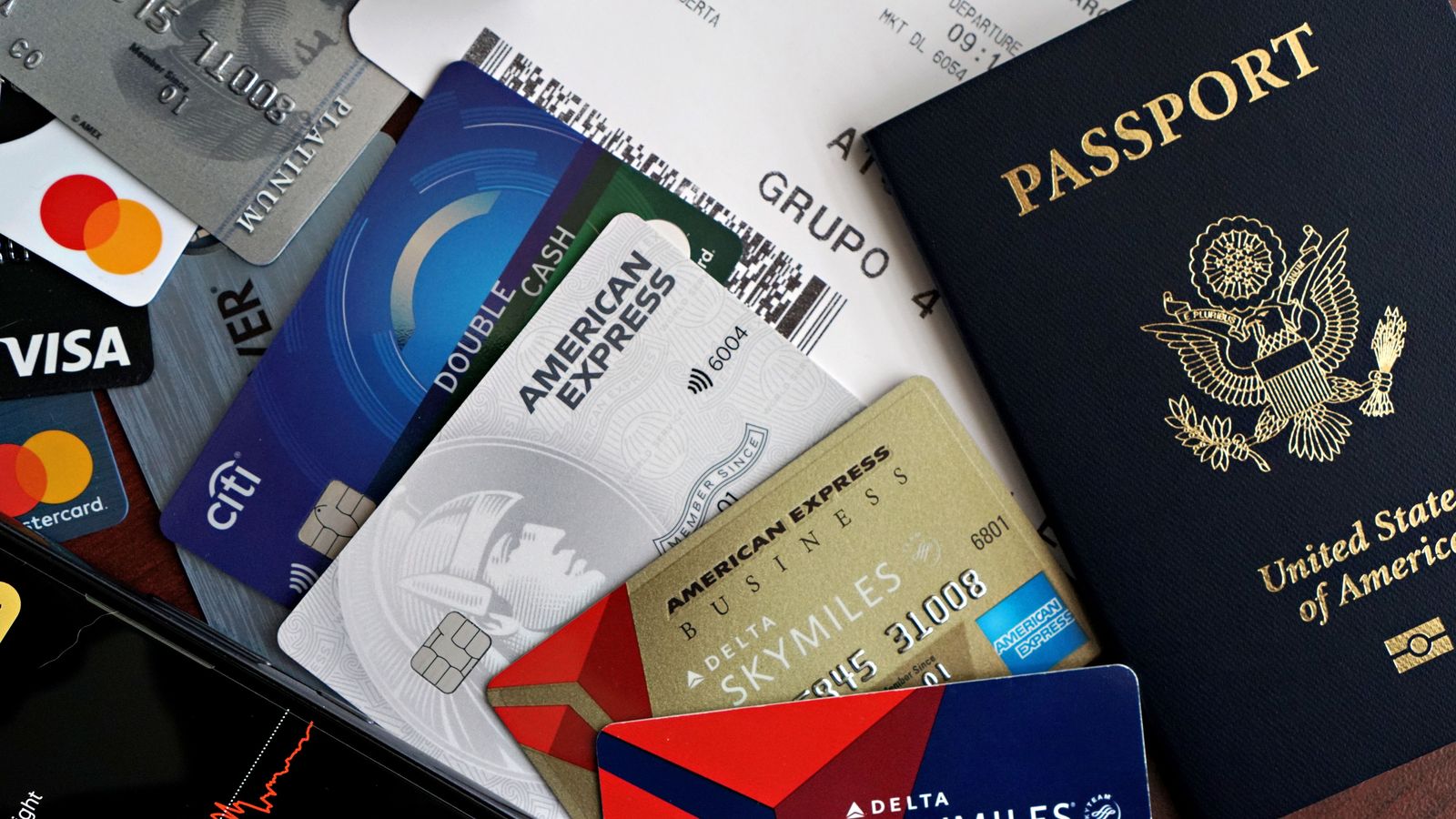
Step 1: from the aircraft to the customs hall
After you leave the aircraft, follow the signs for Arrivals and Canada customs, not Connections, unless you are flying onward. The walk from the far gates of either terminal can take 10 to 15 minutes, with moving walkways in the long corridors. Use the washroom before the hall; there is no convenient stop once you are in the queue. Keep your passport, your phone with the ArriveCAN code if you used it, and the address where you are staying ready. Phones are fine to use in the corridor, but the CBSA asks that you do not take photos or calls in the inspection area.
Step 2: primary inspection kiosks and eGates
Pearson uses primary inspection kiosks and, for eligible travellers, eGates in the customs halls of both terminals. The CBSA kiosk process is short: scan your passport or other travel document, have your photo taken when prompted, answer the declaration questions (or scan your Advance Declaration code), and take the receipt the kiosk prints. Up to five travellers living at the same address can use one kiosk together, which is useful for families. If the kiosk cannot read your passport, a staff member directs you to an officer instead. Do not throw away the receipt; you need it for the next step.
Step 3: the border services officer
Take your receipt and passport to a CBSA border services officer. Visitors are typically asked the purpose of the visit, how long they are staying, where they are staying and sometimes whether they have enough money for the trip. Answer directly and truthfully. The officer decides whether you can enter Canada and for how long; a visitor is usually admitted for up to six months, though the officer can set a different period. Canadian citizens and permanent residents coming home often move through more quickly. The CBSA information for visitors to Canada lists what to have ready.
Step 4: baggage claim
After the officer, you enter the baggage hall. Screens show which carousel serves your flight. On a busy evening the first bags can take 20 to 30 minutes to appear, and the last bags from a full wide-body can take longer. Free baggage carts are available. If a bag does not appear, report it at your airline's baggage office in the hall before you leave, because you cannot return once you exit. This is the moment to text your chauffeur: tell them you are at the carousel and expect to be out in 10 minutes, so the car can be called forward without waiting at the curb.
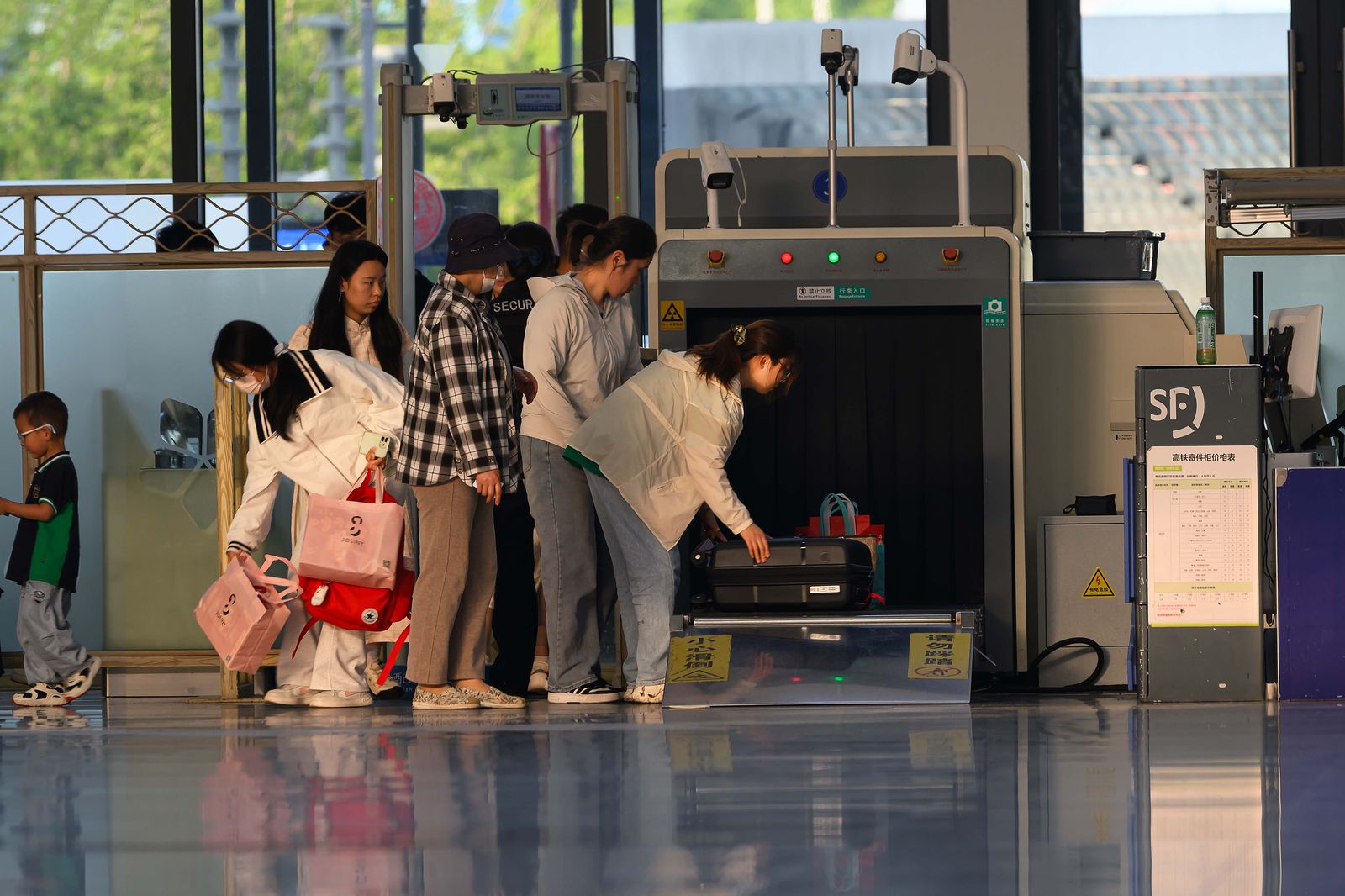
Step 5: exit control and secondary inspection
On the way out, you pass a CBSA exit point where you may be asked to show your receipt. Most travellers simply walk through. Some are referred to secondary inspection, either at random or because of something on the declaration, such as food, plants, large amounts of cash or commercial goods. A referral is not an accusation; officers are checking what you declared. Secondary can add anything from 10 minutes to over an hour. If you are referred, tell your chauffeur by message if you can; on arrivals from outside the US, our included 60 minutes covers most secondary checks, and we never leave an international arrival without contacting you and dispatch first.
What visitors must declare
Declare everything honestly on the kiosk. Visitors must declare all alcohol, tobacco and vaping products. The duty-free alcohol allowance for adults of legal drinking age in the province of entry (19 in Ontario) is one of: 1.5 litres of wine, 1.14 litres of spirits, a combined 1.14 litres of wine and spirits, or 8.5 litres of beer or ale. Food, plants and animal products must be declared too, because of disease and pest controls. Currency or monetary instruments of CAN$10,000 or more, in any combination of currencies, must be reported; carrying it is legal, but not declaring it is not. Firearms and certain weapons are tightly controlled. The CBSA pages are the authority on current limits.
Timing table: landing to curb at Pearson
These are our dispatchers' planning estimates from experience, not official figures. The CBSA and Pearson publish live wait information when you want current conditions.
| Situation | Typical time from landing to the curb |
|---|---|
| Domestic flight, carry-on only | 10–20 min |
| Domestic flight with checked bags | 20–40 min |
| International, quiet period, carry-on only | 25–40 min |
| International, checked bags, normal day | 40–60 min |
| International, peak bank (early morning or late afternoon) | 60–90 min |
| Referred to secondary inspection | add 10–60 min or more |
| US preclearance arrivals (flying from a US airport) | treated like international: 30–60 min |
Meeting your chauffeur after customs
Because customs time varies so much, the chauffeur never waits at the curb. They follow your flight, stage nearby and wait for your message. With the standard fare, you walk out of the arrivals hall to the pre-arranged pickup area on the Arrivals curb, where the chauffeur pulls in and loads the bags. If you booked meet and greet, the chauffeur waits just beyond the arrivals doors with a name board and walks you out. For first-time visitors, families with young children or anyone arriving after a 14-hour flight from Asia, we recommend it.
Connections through Pearson
If Toronto is not your final stop, follow the Connections signs rather than Arrivals. International passengers connecting to a domestic Canadian flight normally clear Canadian customs at Pearson first; depending on the airline and ticket, bags may be checked through or may need to be collected and re-checked. International passengers connecting to a US flight use the dedicated connection route toward US preclearance. Pearson publishes its own connections guidance, and your airline decides the minimum connection time. If you are catching a regional flight from Billy Bishop instead, allow plenty of time; our Pearson to Billy Bishop transfer takes about 35 to 60 minutes.
Arriving from particular regions
Long-haul arrivals from Europe usually land in the afternoon, from Asia in the late afternoon and evening, and from the Caribbean and Latin America throughout the day with peaks in winter. Each creates its own busy bank in the customs hall. We cover the details for popular routes on our international arrival pages, for example London Heathrow to Pearson, Delhi to Toronto and Cancun to Toronto. The international arrivals index lists every origin we plan around.
Tips for a faster arrival
- Complete the Advance Declaration in ArriveCAN before you board your last flight.
- Keep passports for the whole family in one place and hand them over together at the kiosk.
- Eat or discard fruit, meat and dairy on board rather than declaring small amounts.
- Pack the items you are declaring where you can reach them if secondary inspection asks.
- Message your chauffeur at the carousel, not on landing.
- Keep a charged phone; free Wi-Fi is available in both terminals if roaming is expensive.
Booking your transfer from the arrivals hall
Book online with your flight number and the reservation engine shows a fixed all-in fare before you confirm, with chauffeur, vehicle, fuel, airport fees, 407 tolls if used and gratuity included and HST shown separately. International arrivals from outside the US include 60 minutes of waiting from actual landing; flights from the US include 30. Planning figures run from $130 to $160 to downtown Toronto in a business sedan; see our rates for other areas and our Pearson airport limo page for the service in full.
Returning Canadians and permanent residents
Canadian citizens and permanent residents follow the same kiosk or eGate route but answer slightly different questions, including the value of goods bought abroad. Personal exemptions depend on how long you have been away, and anything above them is subject to duty and taxes. Keep receipts for significant purchases in your carry-on so you can answer accurately. Permanent residents should carry a valid PR card or travel document. If you travel to the United States often, NEXUS membership allows faster processing in both directions; details are on the CBSA NEXUS page. Returning residents who live in the GTA often book a return ride with us at the same time as the outbound trip, so the car is already arranged when they land tired.
Travelling with medication, pets or special items
Carry prescription medicines in their original labelled containers, with a copy of the prescription or a doctor's letter for larger quantities. Pets need the correct import documents, and airlines handle pets travelling in the hold through a separate area, which can add time; tell us so the chauffeur allows for it and brings a vehicle with space for a crate. Oversized baggage such as skis, golf bags and bikes usually arrives at a dedicated oversized belt near the carousels. When you book, note any of these items so we send an executive SUV or luxury van rather than a sedan.