




The Maple Leaf is a joint Amtrak and VIA Rail service that runs once a day between Toronto's Union Station and New York's Penn Station, taking roughly 12 to 13 hours including US border inspection at Niagara Falls. A private car covers the trip in about 8 to 10 hours door to door, from $2,175–2,550 in a sedan before HST. The train suits unhurried solo travellers; the car suits groups and tight schedules.
There are three ways to get from Toronto to New York on the ground or in the air, and most people only think about one of them. Flying is quickest in the air. Driving is the most flexible. And there is a train, the Maple Leaf, which leaves Union Station once a day and rolls into Manhattan in the evening after a long, scenic and occasionally slow journey through upstate New York.
We drive people to that train, and we also drive people the whole way to New York instead. This post compares the two honestly, from the dispatch desk, so you can pick the one that fits your trip. If you are weighing a flight too, see our post on driving or flying to New York.
What the Maple Leaf is
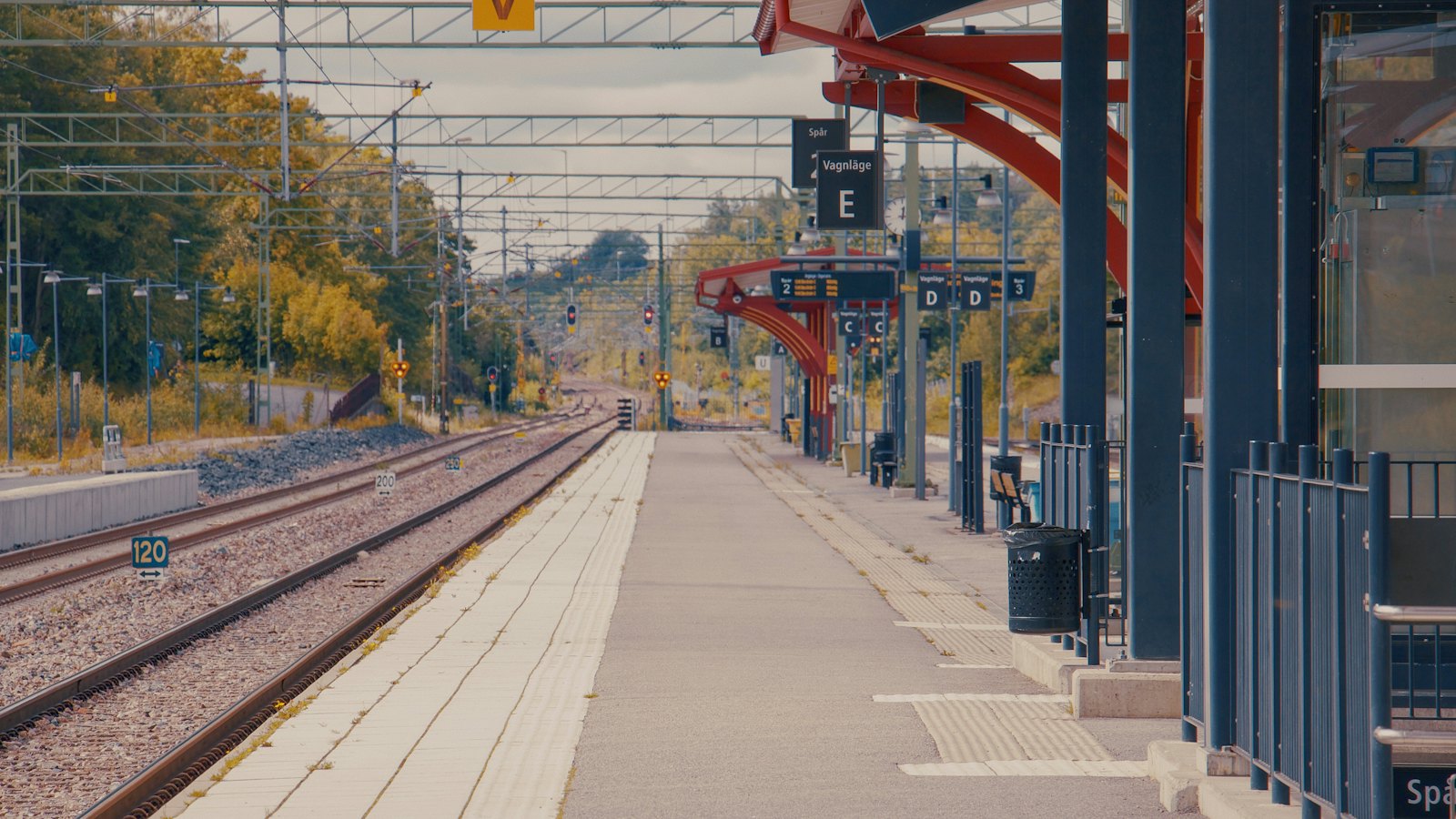
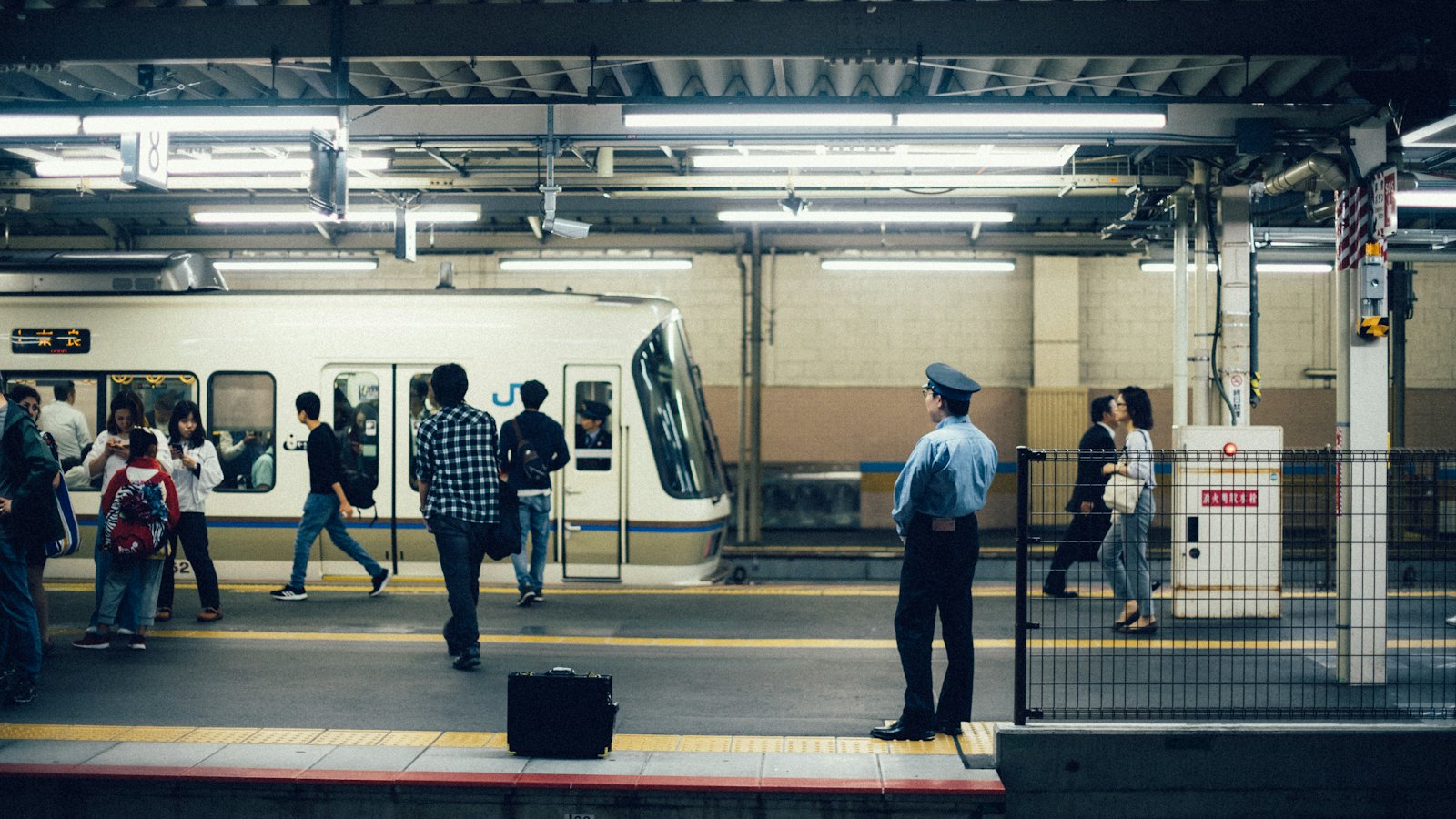
The Maple Leaf is a daily cross-border train between Toronto and New York City, run jointly by Amtrak and VIA Rail. It leaves from Union Station, runs along the lake through Oakville and the Niagara region, crosses into the United States at Niagara Falls, then follows the old New York Central route through Buffalo, Rochester, Syracuse and Albany before running down the east bank of the Hudson into Penn Station. There is one departure in each direction per day, and the schedule can change by season, so check Amtrak or VIA Rail for the current times before you plan anything around it.
How long the train really takes
The timetable shows roughly 12 to 13 hours end to end. Three things decide whether you match it. The first is the border stop, covered below. The second is freight: across much of upstate New York the train shares track with freight traffic, and delays of 30 minutes to an hour are not unusual. The third is the Hudson stretch into Manhattan, which can slow near the city. Treat the arrival time as a target, and do not book a tight dinner reservation or an onward flight on the same evening.
The border on the train
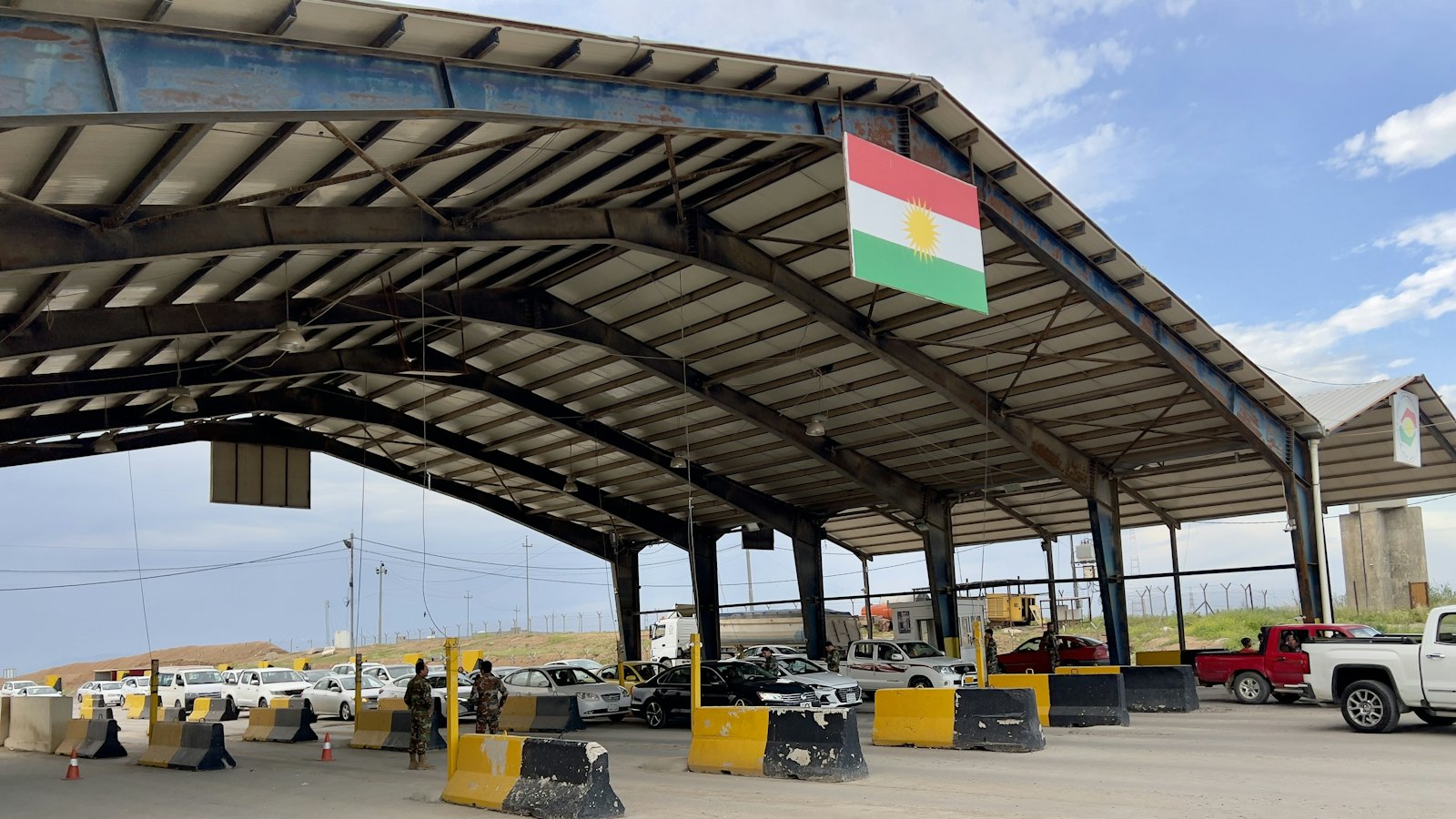
Southbound, US customs and immigration happen at the Niagara Falls, New York, station, and the stop is long. Expect officers to check every passenger's documents and possibly their luggage, and follow the train crew's instructions on whether to stay aboard or step off with your bags. Every passenger needs a valid document for entry to the US, and you will need the right documents again for re-entry to Canada on the way home. The US Customs and Border Protection site sets out what each nationality needs. Our post on crossing the US border by car lists the documents in the same way for drivers. Flyers clear the border before boarding at Pearson, as our US preclearance guide explains.
What the journey is like on board
The appeal of the Maple Leaf is the day itself. You pass the Niagara gorge, the Erie Canal country, the Mohawk Valley and then the Hudson, which is the most beautiful part of the trip, so sit on the river side for the final hours. There are reclining seats, a café car and room to walk around. There is no sleeper, because it is a day train. Wi-Fi and power can be patchy in places, so download what you need. It is a good trip for a reader, a writer or anyone who enjoys watching the country go by. It is a long day for children and a poor choice for someone who must arrive by a fixed time.
The car alternative: routes and timing
By car, the trip starts at your door. The chauffeur takes the QEW to the Lewiston–Queenston Bridge or the Peace Bridge, chosen by live wait times, then the New York Thruway east. From there, one route stays on the Thruway to Albany and turns south; the other cuts across through the Southern Tier and Pennsylvania towards New Jersey. Both run to about 8 to 10 hours door to door, including the border and two short stops. Our Toronto to New York City route page describes the drive, and limousine service to New York covers vehicle choices for the long day.
| Step | Maple Leaf train | Private car |
|---|---|---|
| Getting started | Travel to Union, arrive well before departure | Collected at your door |
| Border | Inspection at Niagara Falls, NY; often lengthy | Bridge booth, chosen on the day |
| Journey time | roughly 12 to 13 hours, station to station | about 8 to 10 hours, door to door |
| Arrival | Penn Station, then a taxi or subway | Your hotel or address |
| Luggage | Within the rail allowance; you handle it | Chauffeur handles it; capacity by vehicle |
| Price basis | Per seat; check Amtrak or VIA | Per vehicle, fixed and all-in |
Comparing the cost honestly
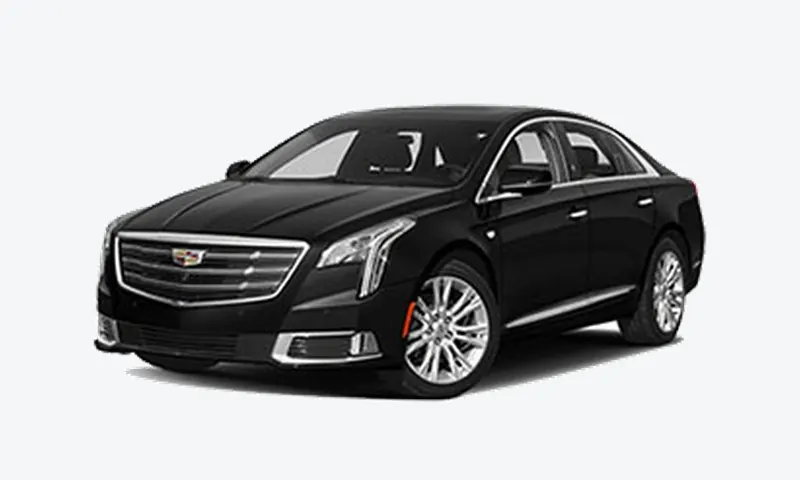
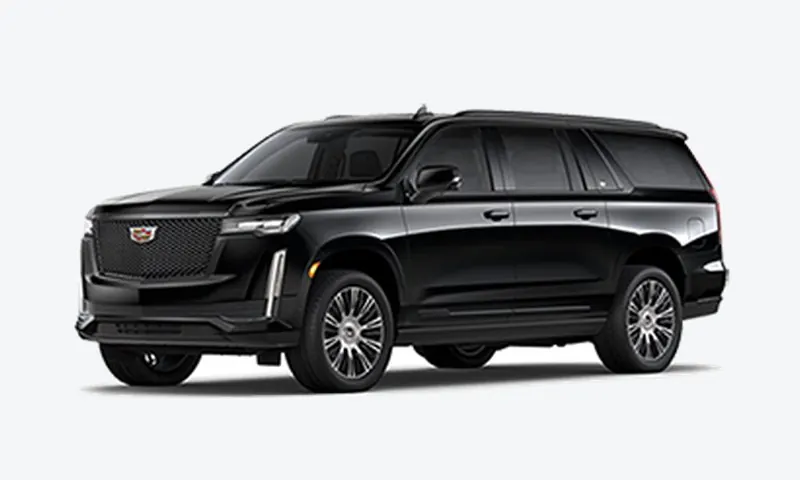
For one person, the train is far cheaper than a private car. A car to New York City plans at $2,175–2,550 in a business sedan and $2,785–3,265 in an executive SUV, before HST, fixed and all-in, including fuel, the chauffeur and the chauffeur's return to Toronto. That is a vehicle price. Split between three in a sedan, or five or six in an SUV with luggage, the gap with the train narrows, and once you add the time saved, a hotel night avoided or a meeting kept, the car can make sense. The rates page and our long-distance car service page explain how long-distance fares are built.
Who should take the train, and who should take the car
Take the Maple Leaf if you are travelling alone or as a couple, packing light, in no hurry and keen on the scenery, or if you simply prefer trains to highways. It is also a sensible way to reach towns along the route, such as Rochester or the Hudson Valley. Take a car if you are travelling as a family or group, carrying a lot, need to arrive by a fixed time, are going somewhere other than central Manhattan, or would rather not spend 12 hours on a schedule you do not control. If your real destination is a US airport rather than the city, our posts on Rochester airport, Buffalo from Niagara Falls and Detroit Metro cover those runs.
Coming home: the northbound trip
The return works the same way in reverse. The northbound Maple Leaf leaves Penn Station once a day, and Canadian border formalities take place at the Niagara crossing, so the long stop simply moves to the other side of the river. Keep receipts for anything bought in the US together, and know your personal exemption before you shop; the Canada Border Services Agency explains the limits. By car, the same applies at the bridge booth. Either way, if you want to be met at Union Station after a late arrival, give dispatch the train number and the chauffeur will track it rather than the timetable.
Two worked examples
Helen and Ray, retired and in Toronto's Beaches, are going to New York for a week of theatre. They have a suitcase each and no fixed plans for the first evening. They take a car to Union Station in the morning, board the Maple Leaf, watch the Hudson at sunset and take a taxi from Penn Station to their hotel. For them the train is part of the holiday.
The Ahmeds, a family of five in Mississauga, are going to a family wedding in New Jersey with two garment bags, five suitcases and a deadline. They book an executive SUV for a 6:00 a.m. pickup. The chauffeur crosses at the Lewiston–Queenston Bridge, makes two stops for food and fuel and has them at the hotel in mid-afternoon, about nine hours after leaving their driveway, rested enough for the rehearsal dinner. Five train fares, a taxi from Penn Station and a missed rehearsal were the alternative.
Getting to Union for the train, or booking the car
If you choose the train, we can take you to Union Station's Front Street doors with time to spare, and collect you from the northbound train when you come home; the reservation engine quotes the fixed fare from your address. If you choose the car, it is one booking: a fixed, all-in fare with HST shown separately, cancellation free more than 72 hours before pickup, and a chauffeur who carries the documents for the vehicle while every passenger carries their own. Other cross-border options are on our Billy Bishop to New York page, and when you are ready, book your trip. If Montreal is on your list too, our VIA Rail to Montreal comparison makes the same choice for that route.