










US preclearance at Toronto Pearson means US Customs and Border Protection officers inspect you in the terminal before you board, so you land in the United States as a domestic passenger with no customs line at the other end. Allow for check-in, Canadian security and the US preclearance hall, aim to reach the terminal about three hours before departure, and carry the documents the US requires for your nationality.
First-time travellers to the United States from Toronto are often surprised to meet American officers before they have left Canada. That is preclearance: an arrangement between the two countries under which US Customs and Border Protection runs a full border inspection inside Pearson, at both Terminal 1 and Terminal 3. Once you are through, you are legally admitted to the United States, and your flight arrives at a domestic gate.
It is a genuine convenience, especially if you are connecting onwards inside the US. It also moves the border queue to the start of your trip, which is why US departures from Pearson need more time than a flight to Vancouver. This guide explains what happens, in what order, and how to plan the ride to the airport around it.
What preclearance actually is
In a normal international trip, you fly first and face immigration and customs on arrival. With preclearance the order is reversed. The same questions, document checks and baggage rules apply, but they happen in Toronto. The officers are American, the rules are American, and the decision to admit you is made before you board. The practical benefits are real: no customs hall after landing, quicker connections at large US hubs, and the ability to fly to smaller US airports that have no international arrivals facilities at all. The official explanation of the program is on the US Customs and Border Protection site.
The order of steps at Pearson
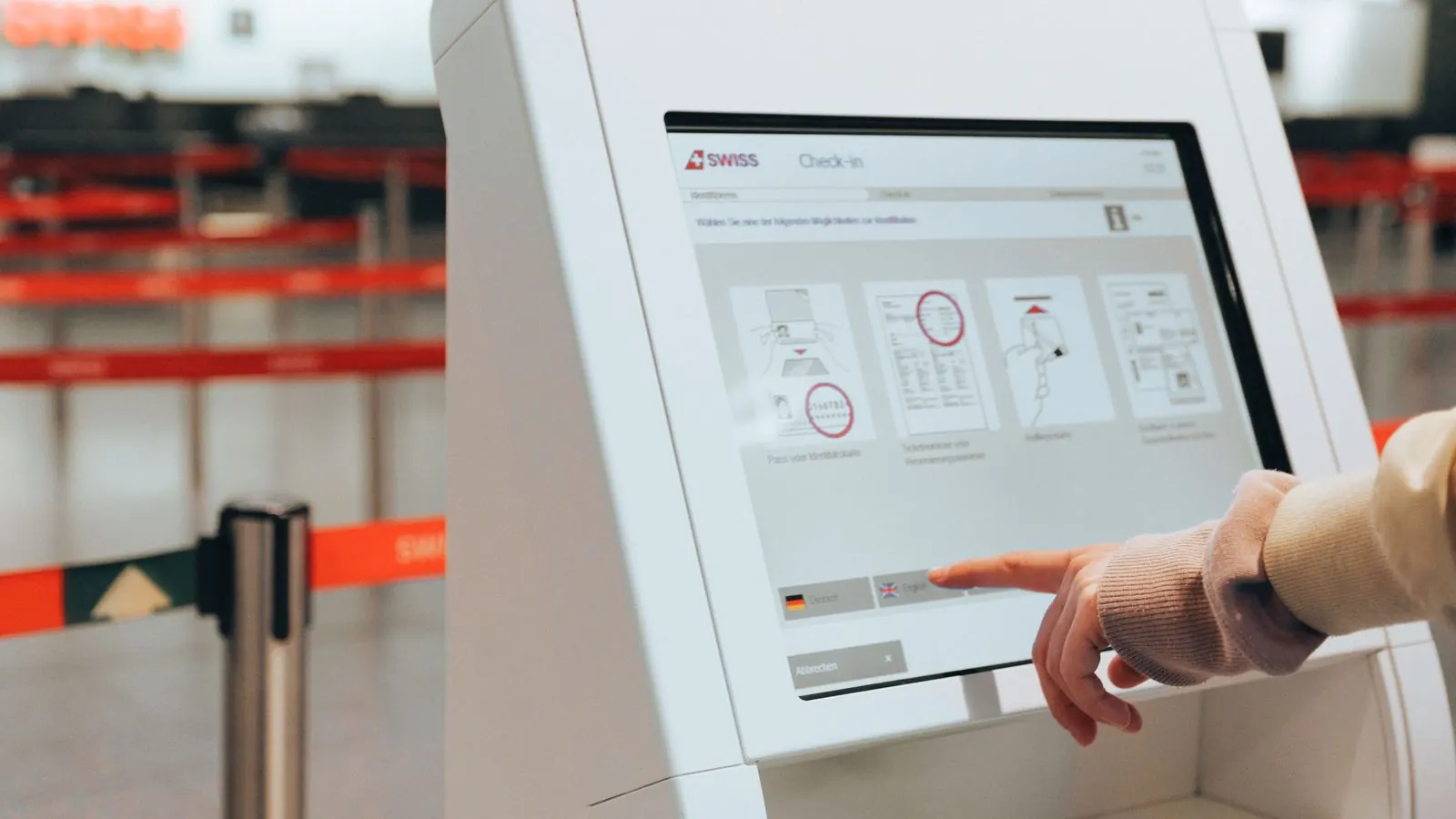
- Check in and drop any checked bags at your airline's counter or kiosk.
- Follow the signs for US departures, not domestic or international, because the three flows split early.
- Pass through security screening, the same liquids and electronics rules as any flight.
- Enter the US preclearance hall, where you may use an automated kiosk, the mobile passport app if your nationality qualifies, or go straight to an officer.
- Answer the officer's questions about the purpose and length of your trip and what you are carrying.
- Walk on to the US gates, which are separated from the domestic and international gates.
The exact layout differs between the two terminals, and the sequence of security and the customs hall can vary with renovation work, so follow the US departures signs rather than a remembered route. Check which building your airline uses with the terminal finder; our pages on Terminal 1 and Terminal 3 describe each one.
Documents you need
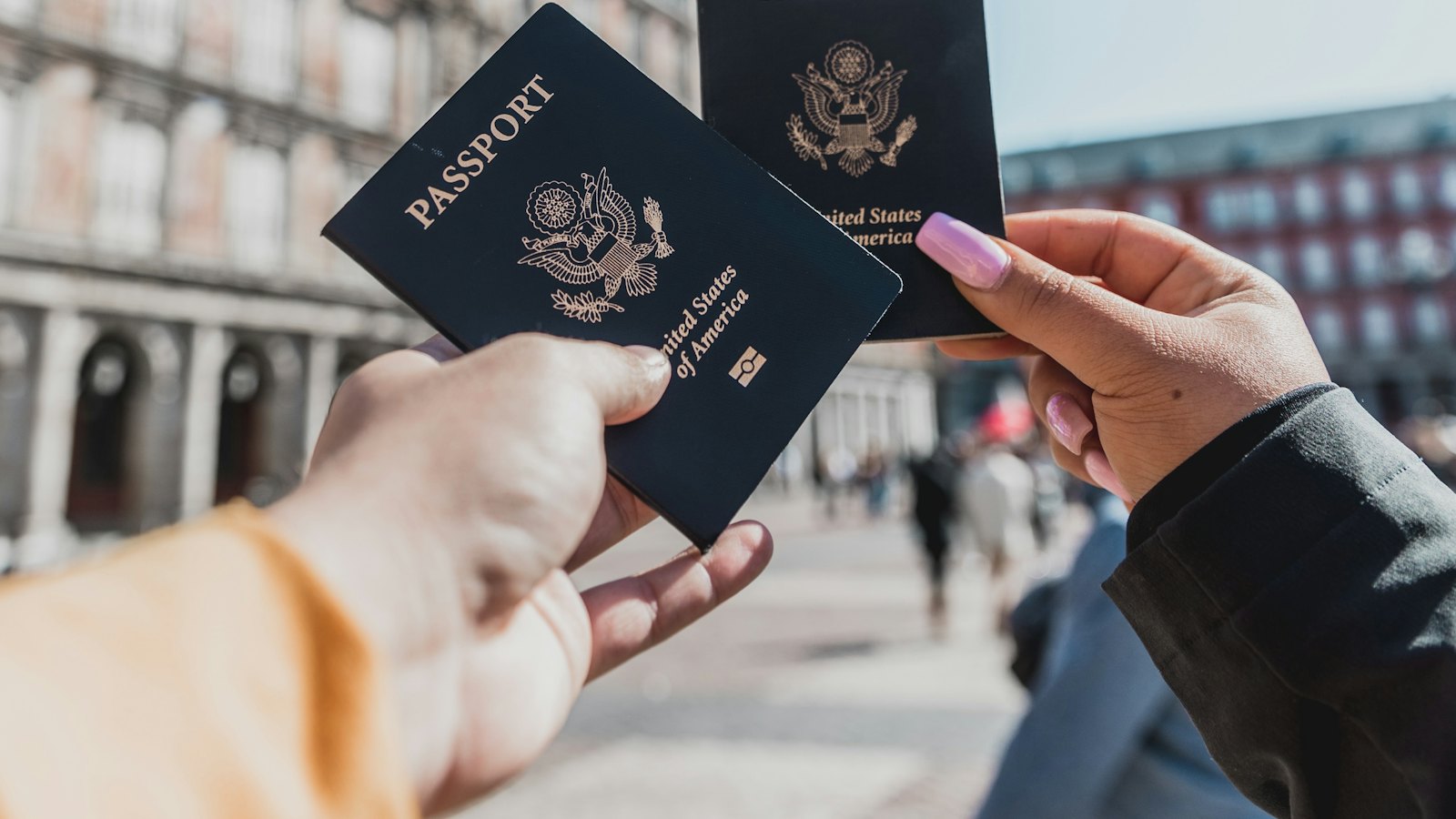
The rules depend on your citizenship and the purpose of the trip, and they change from time to time, so check them on the US government's site before you book rather than relying on a friend's experience. In broad terms, every traveller needs a valid passport or an accepted equivalent. Some nationalities need a US visa, and some visa-exempt visitors need an approved online travel authorisation before they fly. If you are a permanent resident of Canada rather than a citizen, your own passport and status decide what you need. Do not forget the return: you will need valid documents to come back into Canada, which the Government of Canada explains on Canada.ca.
Food, plants and things to declare
Because you are clearing US customs, US agricultural rules apply in Toronto. Fresh fruit, many meat products and some plants are restricted, and the safest approach is to eat or bin any fresh food before you reach the hall. Packaged snacks are generally fine, but declare food if you are unsure, because an undeclared apple causes more trouble than a declared one. The same honesty applies to gifts, business samples and large amounts of cash. If you are travelling with an animal, read our guide to flying with a pet through Pearson and check the US entry rules for animals well in advance.
How much time preclearance adds
Queues in the preclearance hall vary with the hour. Early-morning and late-afternoon banks of US departures are the busiest, and a holiday Monday can be very different from a Tuesday in February. Trusted traveller programs help a great deal; our post on NEXUS and Global Entry at Pearson looks at how much time they save. For everyone else, the planning rule in our how early to arrive at Pearson guide is to reach the terminal about three hours before a US flight, compared with about two for a domestic one.
| Step | Domestic flight | US flight with preclearance |
|---|---|---|
| Check-in and bag drop | Yes | Yes |
| Security screening | Yes | Yes |
| US customs and immigration | No | Yes, in Toronto |
| Customs on arrival | No | No, you land as a domestic passenger |
| Suggested arrival at the terminal | About 2 hours before | About 3 hours before |
Common first-timer mistakes
- Following the domestic signs out of habit and having to walk back to the US departures entrance.
- Packing a passport in a checked bag, then needing it at the officer's desk.
- Carrying a bag of fruit or a homemade sandwich with meat into the hall.
- Leaving home on domestic timing because the flight is “only an hour and a half”.
- Not knowing the address where you will stay in the US, which officers routinely ask for.
- Arriving with a travel authorisation still pending, or a visa that has expired.
None of these is serious on its own, but each one costs minutes in a part of the airport where minutes are scarce. A five-minute check the night before prevents all of them.
Connections and checked bags
One of the quiet advantages of preclearance is what happens at the other end. Land in Chicago, Newark or Atlanta and you walk straight to your next gate, without collecting and re-checking bags in a customs hall. That makes tight US connections far more realistic from Toronto than from cities without preclearance. If you are connecting at Pearson from an overseas flight onto a US flight, the airport has a separate transfer process; follow the connection signs and allow more time than the minimum the airline sells.
If the officer has questions
Most inspections take a minute or two. Occasionally an officer refers a traveller to a second desk for more questions, which can take much longer, and a referral close to departure can cost you the flight. That is the strongest argument for leaving early. Answer plainly, carry evidence of the purpose of your trip if it is unusual (a conference registration, a letter from an employer, a return booking), and never joke about the contents of your bag. Officers can refuse entry, and if they do, you remain in Canada and the airline will not carry you.
Coming home: the other direction
Preclearance only runs outbound. When you fly back from the United States, you land at Pearson and go through Canadian border control in the normal way before reaching baggage. For your ride home, US arrivals include 30 minutes of chauffeur waiting from actual landing, with extra time in 15-minute blocks that dispatch announces before it starts. Text the chauffeur once you have your bags, as described in our post on where to meet your chauffeur at Pearson.
A worked example: a first trip to Orlando
Daniel and Mei live in Richmond Hill and are taking their first US holiday, a 9:00 a.m. flight to Orlando from Terminal 3. Working back three hours puts them at the terminal at 6:00 a.m. At that hour the drive via Highway 404 and the 401, or the 407 if it is quicker on the day, takes 35 to 50 minutes, so dispatch suggests a 5:00 a.m. pickup. They empty the fruit from their carry-on the night before, put both passports in one jacket pocket and set out the bags by the door. Check-in, security and preclearance take 70 minutes on a busy morning, leaving time for coffee at the gate. A business sedan from Pearson to Richmond Hill has a planning fare of $135–165 before HST, with 407 tolls included if the chauffeur uses it; the Richmond Hill page shows the route, and our post on 407 tolls on airport rides explains when it is used.
Booking your ride for a US flight
Give the reservation engine your flight number and departure time, and dispatch will propose a pickup that allows for preclearance. For very early departures, our guide to rides for early-morning flights and the post on sleeping at an airport hotel are worth a look. If you would rather cross by road and fly from a US airport, our cross-border car service drives to Buffalo and beyond, and our post on crossing the border by car covers the land route. Fixed fares are on the rates page, and you can confirm yours on the booking page.