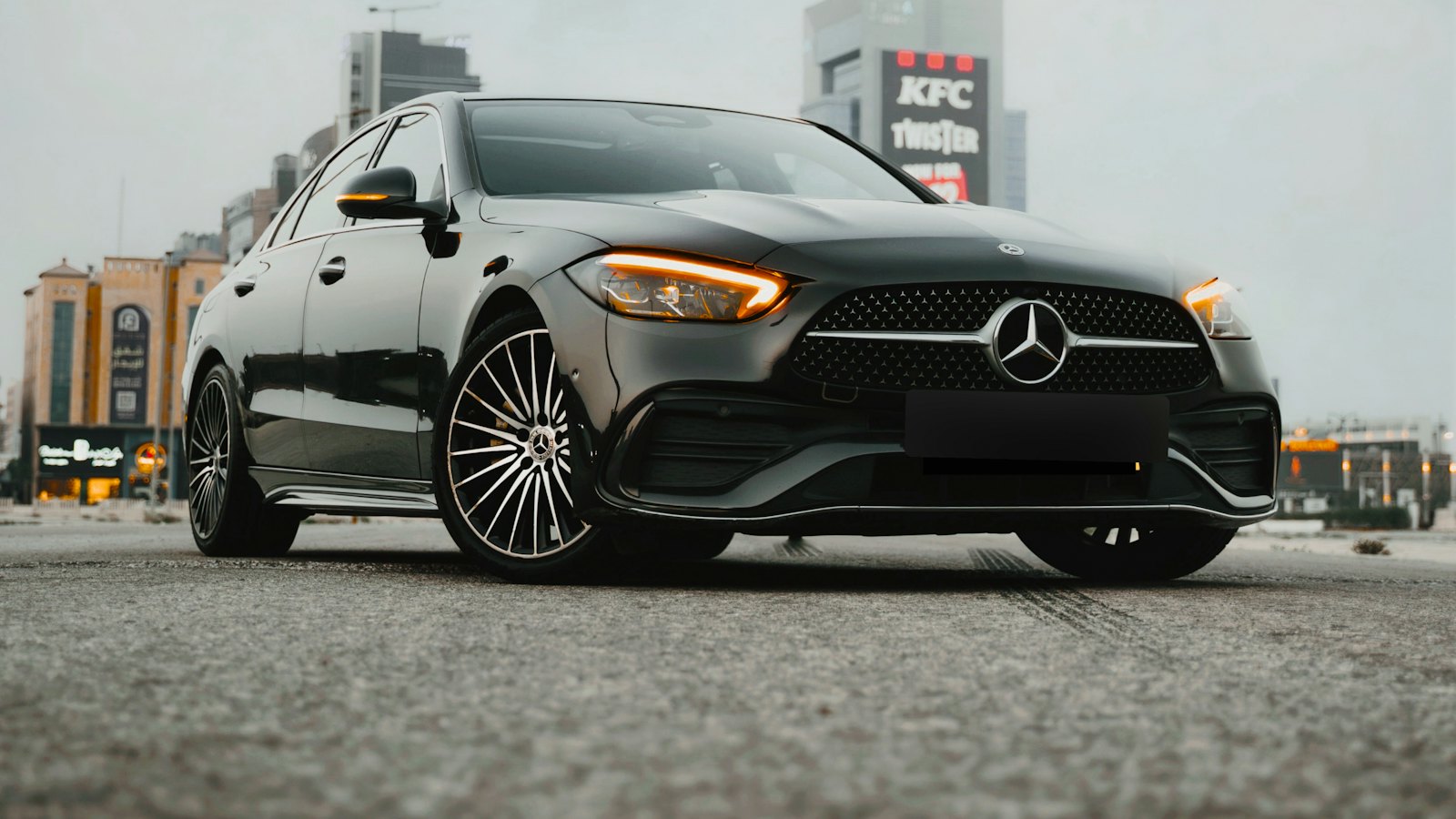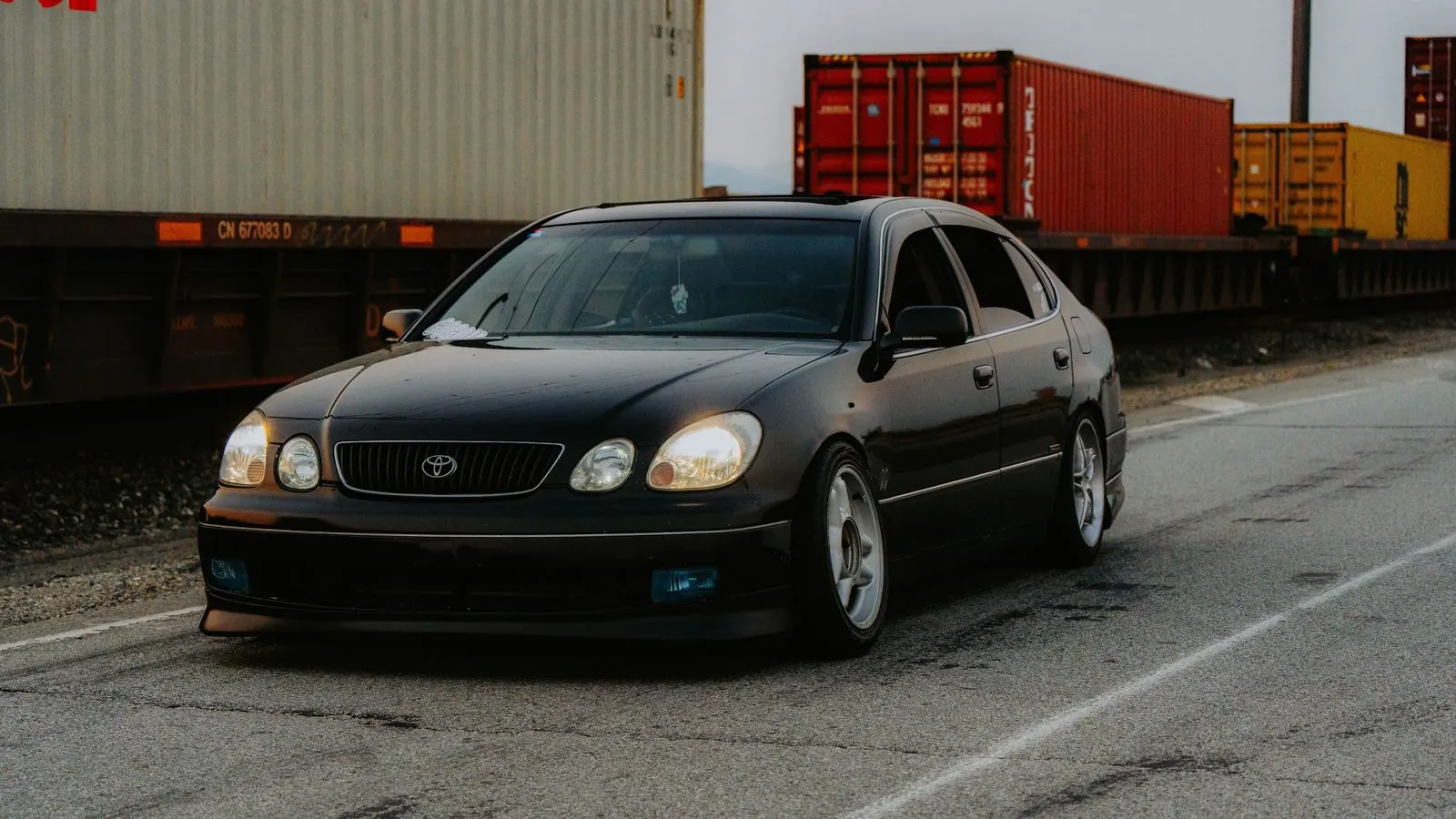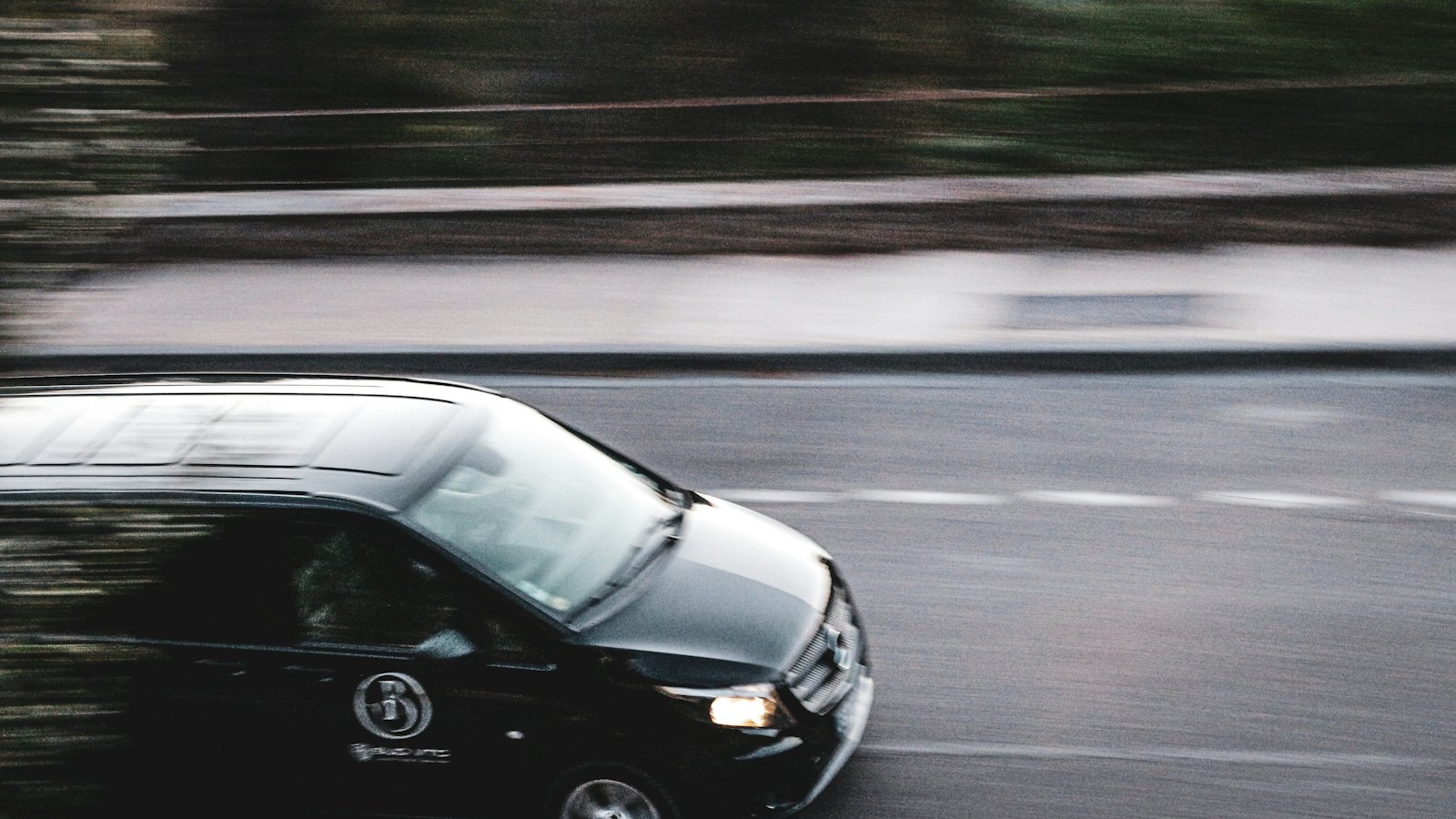











A group airport transfer in Toronto gets cheaper per person as the vehicle fills. From Pearson to downtown, a business sedan at $130–160 works out to about $43–53 each for three; an executive SUV at $165–205 to about $28–34 each for six; an executive Sprinter at $285–350 to about $20–25 each for fourteen, all before 13 % HST. Luggage and flight timing decide which vehicle actually fits.
A private car feels like a luxury when one person takes it. Put five people and their bags in the same vehicle and the arithmetic changes completely. Groups are where a fixed fare does its best work, because the price is for the vehicle and the trip, not for each body in a seat. The question stops being whether you can afford a car and becomes which car, and how to split it.
This post sets out the per-person cost for our three main vehicles on the most common run, Pearson to downtown Toronto, then shows how luggage, flight timing and HST change the picture, with honest comparisons against the train and rideshare.
Why per person is the right way to compare
Every fare we quote is a fixed, all-in flat rate for the vehicle: chauffeur, fuel, 407 ETR tolls if used, airport commercial pickup fees and parking, flight tracking and gratuity, with HST shown separately. It does not rise with the number of passengers up to the vehicle's capacity. Trains, buses and airport express services charge per head, so a family of five pays five fares. Our explanation of what a flat-rate fare includes goes line by line; for a group, the key fact is that the sixth passenger in an SUV costs nothing extra.
The per-person table: Pearson to downtown
These figures use the planning fares on our rates page for Pearson to downtown Toronto, one way, before HST. The reservation engine quotes the exact fare for your address; the ranges show how the share falls as seats fill.
| Group size | Vehicle | Planning fare | Per person, before HST |
|---|---|---|---|
| 1 | Business sedan | $130–160 | $130–160 |
| 2 | Business sedan | $130–160 | $65–80 |
| 3 | Business sedan | $130–160 | $43–53 |
| 4 | Executive SUV | $165–205 | $41–51 |
| 5 | Executive SUV | $165–205 | $33–41 |
| 6 | Executive SUV | $165–205 | $28–34 |
| 8 | Executive Sprinter | $285–350 | $36–44 |
| 10 | Executive Sprinter | $285–350 | $29–35 |
| 14 | Executive Sprinter | $285–350 | $20–25 |
Adding HST to the share
HST in Ontario is 13 %, and it is shown as a separate line on every quote and receipt. To get the real share, multiply the per-person figure by 1.13. If the engine quotes $185 for an SUV carrying five, each person's share is $37 before tax and about $41.81 with HST. Our post on HST on limo and airport fares explains the tax line for anyone claiming the ride as a business expense. Add-ons are taxed the same way: child seats at $25 each and meet and greet at a planning figure of $150 are shared by the group like the fare.
Where the sweet spots are
Three passengers in a sedan, five or six in an SUV and twelve to fourteen in a Sprinter are the efficient loads. Four people are the awkward number: they will not fit a sedan, but an executive SUV at $165–205 is still far cheaper than two sedans at $260–320 combined, and it keeps the group together. Seven passengers tip you into a Sprinter, which costs more per head until the group passes ten. Fifteen or more means two vehicles, or a coach or limo bus from our vetted partner fleets, planned by a coordinator who confirms in writing; our airport limo bus guide covers that size. Our guide to choosing a sedan, SUV or Sprinter goes further into the trade-offs.
Luggage decides before headcount does
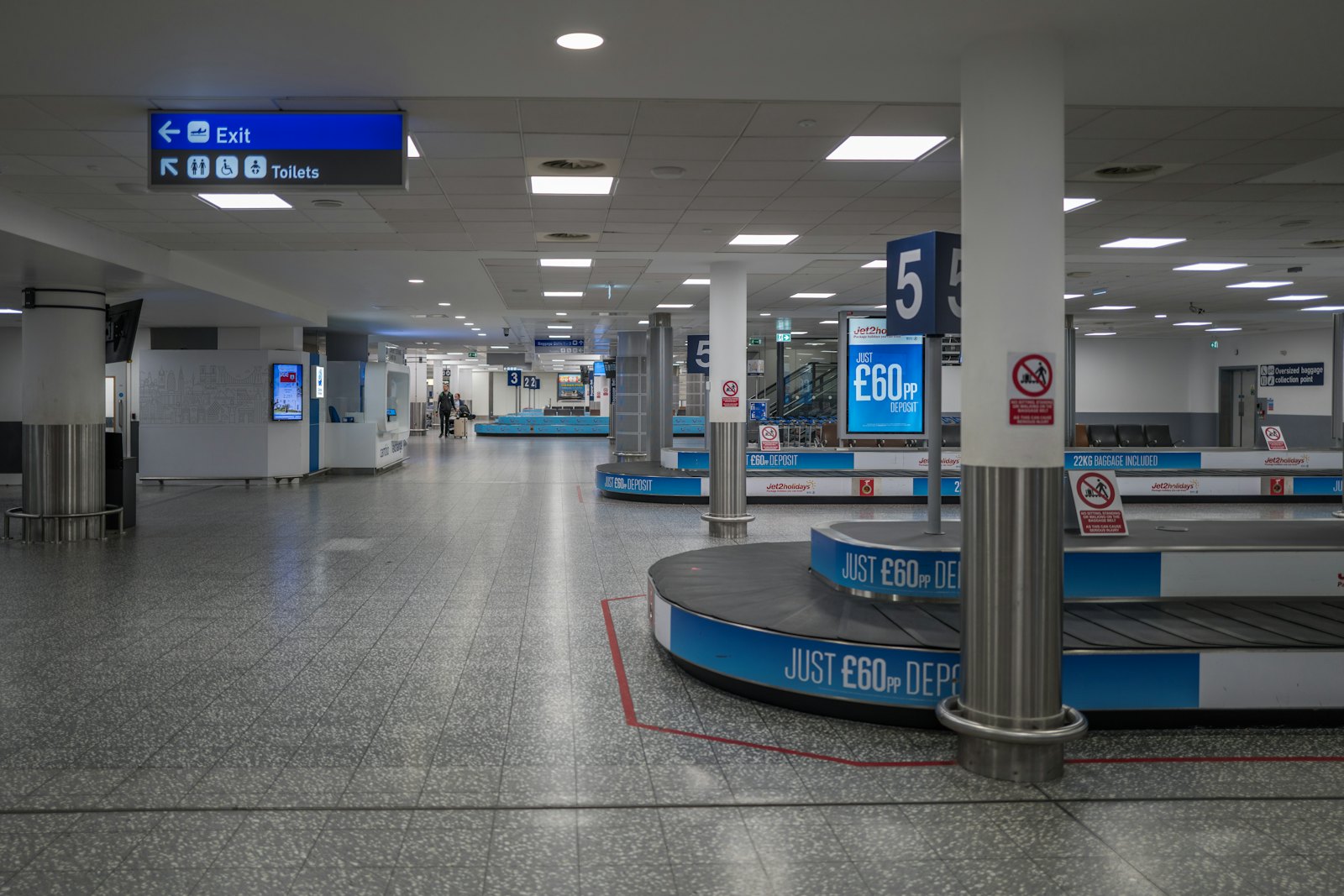
Every vehicle has a passenger limit and a luggage limit, and the luggage limit is the one groups forget. A business sedan carries three passengers and three large cases; an executive SUV or luxury minivan, six and six; an executive Sprinter, fourteen and fourteen. Six friends back from a golf week in Florida, each with a suitcase and a golf bag, have twelve large items, which is a Sprinter load even though the seats would fit an SUV. Skis, hockey bags, strollers and wedding garment bags all count. Give the honest count at booking; a vehicle that cannot close its doors at the curb means a second car and a long wait, which costs far more than booking the right size. The fleet page lists each vehicle's limits.
One vehicle or two when flights land apart
A shared ride only works if the group is in the same place at the same time. Included waiting runs from actual landing: 60 minutes for international flights from outside the US, 30 minutes for domestic and US flights. After that, waiting is charged in 15-minute blocks, and dispatch tells you before it starts. If half the group lands at 2 p.m. and the rest at 4:30 p.m., two pickups are usually cheaper than one vehicle waiting two hours. If flights land within 30 to 45 minutes of each other, one vehicle booked on the later flight works well, with the early arrivals collecting bags and a coffee. Check every flight on Toronto Pearson's website the evening before, and send dispatch any change, because a group booking tracks the flight number you gave it. Name one lead passenger who holds the itinerary and answers the chauffeur's messages; a group in which everyone texts at once is harder to collect than one with a single contact. Our guide to waiting time charges has worked examples.
Per-person costs further afield
The same logic applies to longer runs, where the savings against separate tickets grow. Using the executive SUV planning fares for six passengers, before HST:
- Pearson to Niagara Falls: $440–540, about $73–90 each.
- Pearson to Kitchener-Waterloo: $340–415, about $57–69 each.
- Pearson to Barrie: $340–405, about $57–68 each.
- Pearson to Ottawa: $1,250–1,440, about $208–240 each.
For a Sprinter on long-distance routes, and for any destination not on our rates list, the reservation engine quotes the fare before you book.
Compared with UP Express and rideshare
For two people travelling light to a hotel beside Union Station, the train is often cheaper; check current fares on the UP Express site and multiply by the number of travellers, then add the walk or taxi from Union. As the group grows, the per-head train fare stays the same while the car share falls, and the car goes door to door with the bags. Rideshare XL vehicles can be cheap on a quiet day, but prices rise with demand, the seats and trunk are smaller than a Sprinter's, and a large group may need several cars that arrive at different times. Our piece on surge pricing versus fixed fares explains what happens on a busy night.

A worked example: an offsite team of eleven
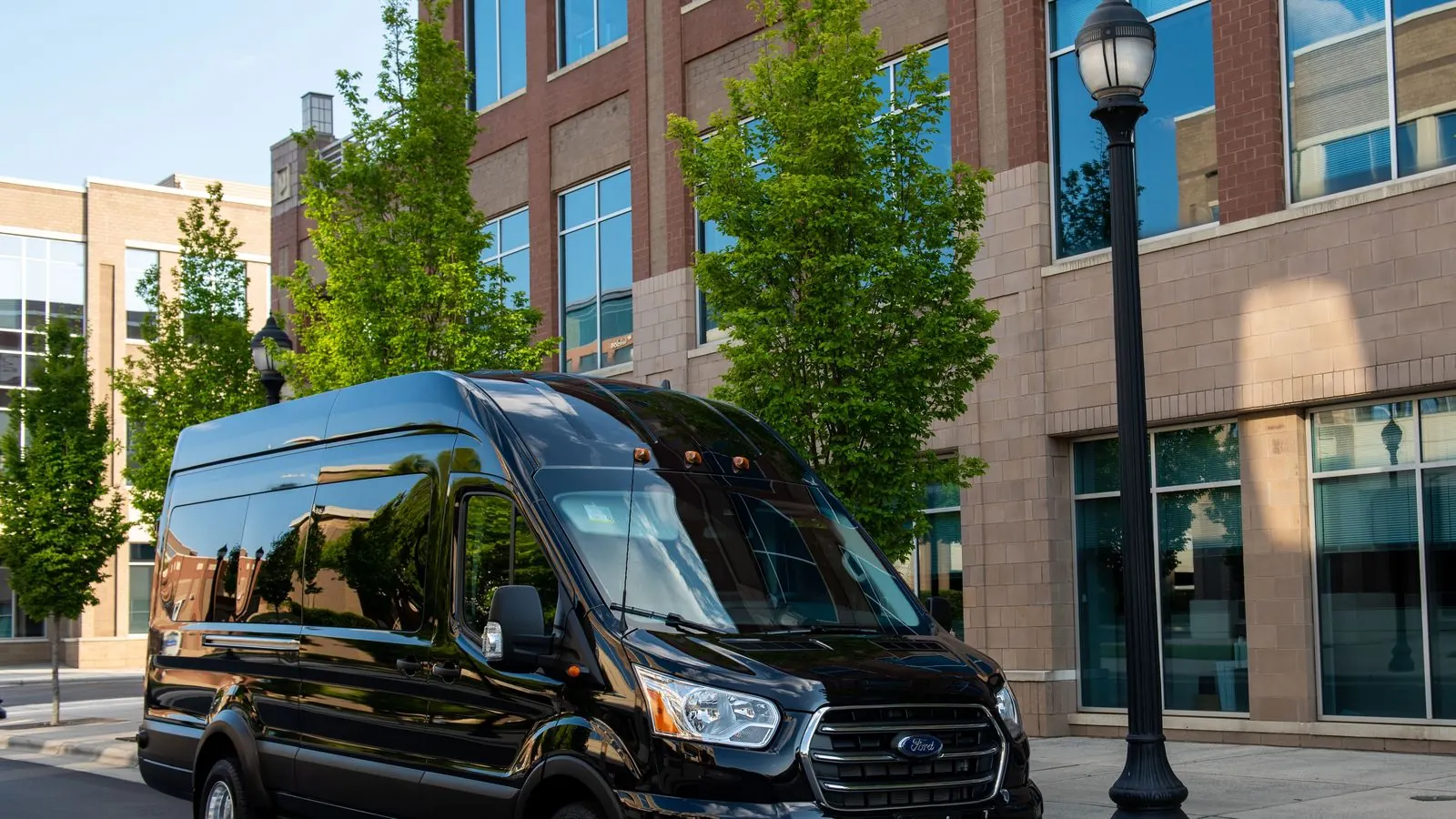
A software company flies eleven people from Montreal to Pearson for a two-day offsite at a downtown hotel. They are all on the same morning flight, each with a carry-on and one checked case, so eleven passengers and eleven large items: an executive Sprinter, rated for fourteen and fourteen. The planning fare is $285–350, or about $26–32 per person before HST and about $29–36 with it. The flight is domestic, so 30 minutes of waiting are included from landing; the team lead texts the chauffeur when the last case appears. The return to Pearson two days later is booked at the same time, with one invoice to the company's account. Our page on Sprinter group transportation shows the vehicle.
Paying for a shared ride
Payment is by card at booking, so the simplest approach is for one person to book and pay and for the group to settle up among themselves. Companies can apply for a corporate account, invoiced monthly after approval, and our post on corporate accounts and monthly billing explains the process. Receipts show the fare, add-ons and HST separately, which makes the split easy. Remember that the cancellation terms apply to the vehicle: if one member of a group of six drops out, the SUV fare stays the same, and if the group grows past the vehicle's limits, the booking needs a bigger vehicle.
Booking a group transfer
Enter the full passenger count, every large item and the latest flight number in the reservation engine, and choose the vehicle that fits both seats and bags. For several vehicles or a group larger than fourteen, ask dispatch to plan it as a private airport shuttle, with a coordinator confirming the details in writing. The fare is fixed before you confirm, and it changes only if the trip changes.