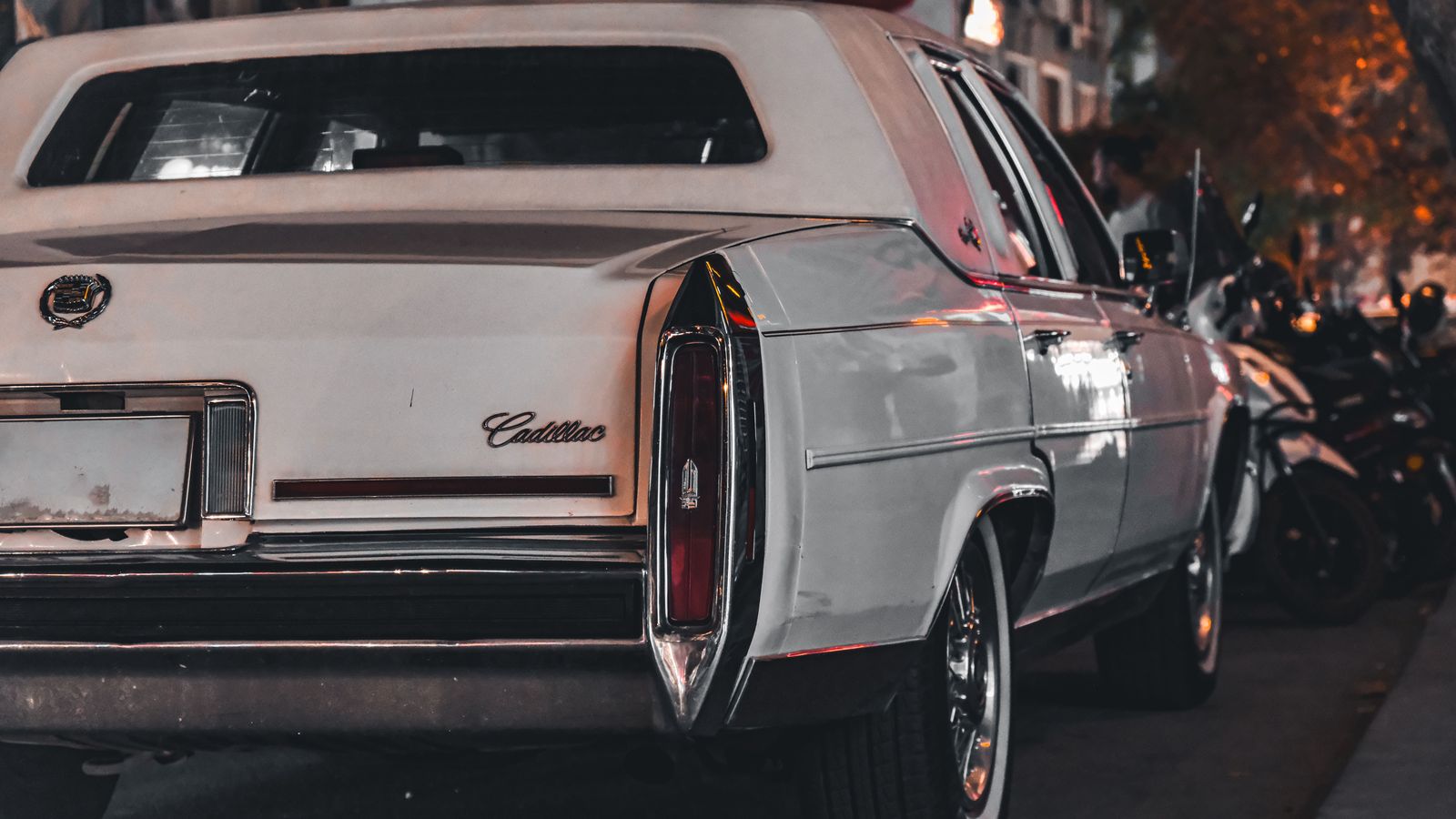













For a Toronto taxi estimate, take the driving distance, apply the City meter (a $4.25 start, then roughly $1.75 per kilometre moving and about $31 an hour stopped, by commonly cited increments), add a time allowance for traffic, then add a 10-20 % tip and any tolls. Downtown to Pearson usually estimates at $50-75 before tip. A fixed private fare avoids the guesswork.
A taxi estimate is only as good as its assumptions about distance and traffic. Our fare calculator gives a planning figure for a fixed-fare private car from any address in seconds; this post explains how to estimate the other options too, so you can compare like with like before you commit to a ride.
Toronto taxi estimate: the five-step method
- Measure the driving distance, not the straight line.
- Estimate how long you will be crawling, not just driving.
- Apply the meter: the start fare plus distance plus waiting time.
- Add the extras: tip, tolls, surcharges, stops.
- Sanity-check against an app estimate, the airport's zone fare or a fixed private fare.
Each step is explained below with numbers you can reuse.
Step 1: measure the route, not the map
Open any map app and ask for driving directions at the time you plan to travel. Use the route distance it offers, because Toronto's highway network makes the driving distance much longer than the straight line. Downtown to Pearson is about 22 km as the crow flies but roughly 27 km by road via the 427 and Gardiner. From Scarborough Town Centre, the 401 route to Pearson is roughly 35 km. From Richmond Hill, a driver may choose the 407, which is shorter in time but tolled.
Step 2: estimate the slow minutes
A Toronto taxi meter charges for distance while moving and for time while stopped or crawling. So the question is not only how long the trip takes but how much of it is spent below walking pace. A useful rule: overnight, assume almost no slow time; midday, assume 5-10 minutes; weekday rush hours on the 401, 427 or Gardiner, assume 15-30 minutes. Check Ontario 511 for closures before a long trip; a single collision on the 401 collector lanes can add 20 minutes.
Step 3: apply the meter
The City of Toronto's taxis and limousines page confirms the meter starts at $4.25 and rises with distance and time for street hails and cabstands. Third-party summaries of the by-law give the increments as $0.25 per 143 metres and $0.25 per 29 seconds of waiting. That is about $1.75 per kilometre and about $0.52 per minute stopped. We use those as planning numbers only; the meter in the cab is the authority.
The formula is simple: $4.25 + (kilometres x $1.75) + (slow minutes x $0.52).
Step 4: add the extras
- Tip: most riders add 10-20 %.
- Tolls: if the driver uses Highway 407, the toll is usually passed on; the operator's 407 ETR site has a toll calculator.
- Surcharges: rides from Pearson's stands add published surcharges for five or more passengers and for four or more checked bags or oversize items.
- Stops and waiting: every stop adds distance and time.
Step 5: sanity-check the number
Compare your estimate with at least one independent figure. For rides from the airport, Pearson publishes a zone fare estimator on its ground transportation pages, because stand taxis use flat zone rates rather than the meter. For app rides, open the app and look at the upfront price without requesting. For a fixed private car, use our fare calculator or the rates page.
Worked example 1: a Front Street hotel to Pearson
Distance about 27 km. At 11 a.m. on a Tuesday, allow 5 slow minutes: $4.25 + (27 x $1.75) + (5 x $0.52) = about $54, plus a tip of $5-11, so roughly $60-65. At 5 p.m. the same day, allow 25 slow minutes: $4.25 + $47.25 + $13 = about $65, plus tip, roughly $72-78. Same route, different clock, about $13 apart.
Worked example 2: Scarborough Town Centre to Pearson
Distance about 35 km via the 401. Midday with 10 slow minutes: $4.25 + $61.25 + $5.20 = about $71, roughly $78-85 with tip. In the morning rush with 30 slow minutes: about $81, roughly $89-97 with tip. Compare with our fixed fare from Scarborough: a $145-175 planning figure for a business sedan, gratuity included, plus HST. At rush hour the gap narrows, though the fixed fare still costs more.
Worked example 3: Pearson to Vaughan from the stand
This one needs no meter maths. From the Pearson stand, the taxi charges the airport's flat zone fare for your part of Vaughan, taxes included, plus any surcharges and your tip. Look up the zone on the airport's estimator. Our fixed fare to Vaughan is a $115-145 planning figure for a sedan, all-in, plus HST, so you can compare the two in a minute.
Quick reference: meter estimates by distance
| Driving distance | Clear roads (meter, before tip) | Heavy traffic, +20 slow min |
|---|---|---|
| 5 km | about $13 | about $24 |
| 10 km | about $22 | about $32 |
| 20 km | about $39 | about $50 |
| 30 km | about $57 | about $67 |
| 40 km | about $74 | about $85 |
These are planning estimates using the commonly cited increments, not official figures.
Estimating a rideshare fare
There is no formula for Uber or Lyft because the price is set by the app at the moment you request and moves with demand. What you can estimate is when a surge is likely: weekday rush hours, the hour after a concert or game, heavy snow, bar closing on weekends and the arrival banks at Pearson when several long-haul flights land together. Look at the upfront price at the time you would actually travel, not the night before.
Estimating a fixed-fare private car
For a pre-booked car the estimate is the price. Planning figures for a one-way business sedan to or from Pearson include Mississauga $90-120, North York $105-135, downtown $130-160, Markham $145-180, Hamilton $195-240 and Niagara Falls $345-420, all-in (chauffeur, fuel, airport fees, 407 tolls if used, gratuity) plus HST. For bigger vehicles, multiply: a first-class sedan is about +50 %, an executive SUV or luxury van about +25-30 %, and a 14-seat Sprinter about 2.2 times the sedan fare. The reservation engine quotes the exact address, date and vehicle.

A one-minute mental shortcut
If you have no map app handy, a rough rule works for most GTA trips on the meter: about $2 per kilometre all-in at quiet times, and about $2.50 per kilometre at rush hour, once the start fare and a normal amount of slow traffic are spread across the trip. Add the tip on top. It overshoots very short hops slightly and undershoots long crawls on the 401, but it gets you within $10 on the typical airport run. For a trip from Pearson, skip the shortcut and use the stand's zone fare instead.
Estimating the airport run from the suburbs
Suburban trips show the same pattern over shorter distances. From central Mississauga, roughly 15-20 km, a meter estimate lands around $30-40 before tip; our Mississauga sedan planning figure is $90-120 all-in. From Markham, often 40 km or more with the 401 or the tolled 407, the meter can reach $75-90 before tip at busy times, against a $145-180 fixed planning figure. The further and slower the trip, the more the fixed fare makes sense.
Estimating in winter
Snow changes two inputs at once: speeds drop, so slow minutes rise, and demand for cabs and rideshare jumps, so availability falls and app prices surge. On a heavy snow day, double your slow-minute allowance and check Environment Canada's forecast the evening before an early departure. A fixed fare is unaffected by the weather, although the drive takes longer.
Estimating for a group
For five or more people, estimate per vehicle, not per person. Work out how many cabs your party and bags actually need, multiply the single-cab estimate, add a tip for each driver, and then divide by heads. Compare that with one larger booked vehicle: an executive SUV or luxury van for six, or a 14-seat Sprinter for a bigger group. Groups usually discover that the per-person gap is small once they need two or three cabs, and the van keeps everyone together at check-in.
Estimating time, not just money
A fare estimate is incomplete without a time estimate, because a cheap ride that makes you miss a flight is not cheap. Use the map app's arrival time at your departure hour, add 10 minutes of buffer in winter, and work backwards from the airport's recommended arrival time. Our guide on how early to arrive at Pearson sets out the buffers by flight type.
Mistakes that break a taxi estimate
- Using the straight-line distance instead of the road distance.
- Ignoring slow minutes at rush hour, which is where metered fares balloon.
- Forgetting the tip, which is 10-20 % of the total.
- Using the meter formula for a ride from Pearson, where the stand charges a flat zone fare instead.
- Comparing a tax-included taxi fare with a private quote that shows 13 % HST separately.
- Assuming an app price seen at 10 p.m. will hold at 7 a.m.
When an estimate is not enough
Estimates are fine for a casual ride across town. They are a weak basis for a family's airport run, a corporate roadshow or a 5 a.m. departure, where a surprise costs more than money. In those cases a fixed fare shown before you book removes the uncertainty completely. Our taxi rates and prices explainer goes deeper on how each system is set, and the Toronto airport taxi fare guide compares every airport option side by side.
How to turn an estimate into a fixed price
Enter the pickup address, destination, date, time and passenger and bag counts on the booking page. The reservation engine shows the fixed all-in fare for each vehicle class before you confirm, with HST shown separately. There is no meter and no surge, and changes more than 72 hours ahead are free.