












To get from Toronto to Niagara Falls, USA, drive about 130 km on the QEW to Niagara Falls, Ontario, then cross the Rainbow Bridge into Niagara Falls, New York, or use the Lewiston-Queenston or Peace Bridge. Allow about two hours plus the border wait. Every passenger needs documents acceptable to US Customs and Border Protection, and the right documents to re-enter Canada.
The New York side is a short hop from the Canadian Falls, but it is another country, and that changes the planning. A cross-border limo to the USA with our own chauffeurs handles the driving and the booth; this post explains what the American side offers and how to decide whether to add it to a Toronto trip.
Toronto to Niagara Falls USA: the routes
There are three road crossings a car from Toronto can use:
| Crossing | Best for | Notes |
|---|---|---|
| Rainbow Bridge | Downtown Niagara Falls NY, the State Park, Goat Island | Shortest route between the two tourist areas; the only one of the three open to pedestrians |
| Lewiston-Queenston Bridge | Lewiston, the Niagara Falls airport (IAG), the I-190 north | Often a sensible alternative on busy days |
| Peace Bridge | Buffalo, the Buffalo airport, the I-190 south | Longer route to the Falls themselves |
Both the Rainbow and Lewiston-Queenston bridges are run by the Niagara Falls Bridge Commission; the Peace Bridge links Fort Erie and Buffalo. The chauffeur picks the crossing on the day using posted wait times.
How long does it take from Toronto to the American Falls?
Toronto to the Rainbow Bridge is about 130 km, 80 to 100 minutes in normal traffic and longer in the weekday afternoon rush. The crossing itself adds anything from ten minutes to well over an hour, depending on the day. The US inspection booth, not the drive, is the variable: summer Saturdays, US and Canadian holiday weekends and the evening after a big event are the slow times. Current waits are published by US Customs and Border Protection on its border wait times site. Plan on about two to two and a half hours from downtown Toronto to the New York State Park on a typical day.
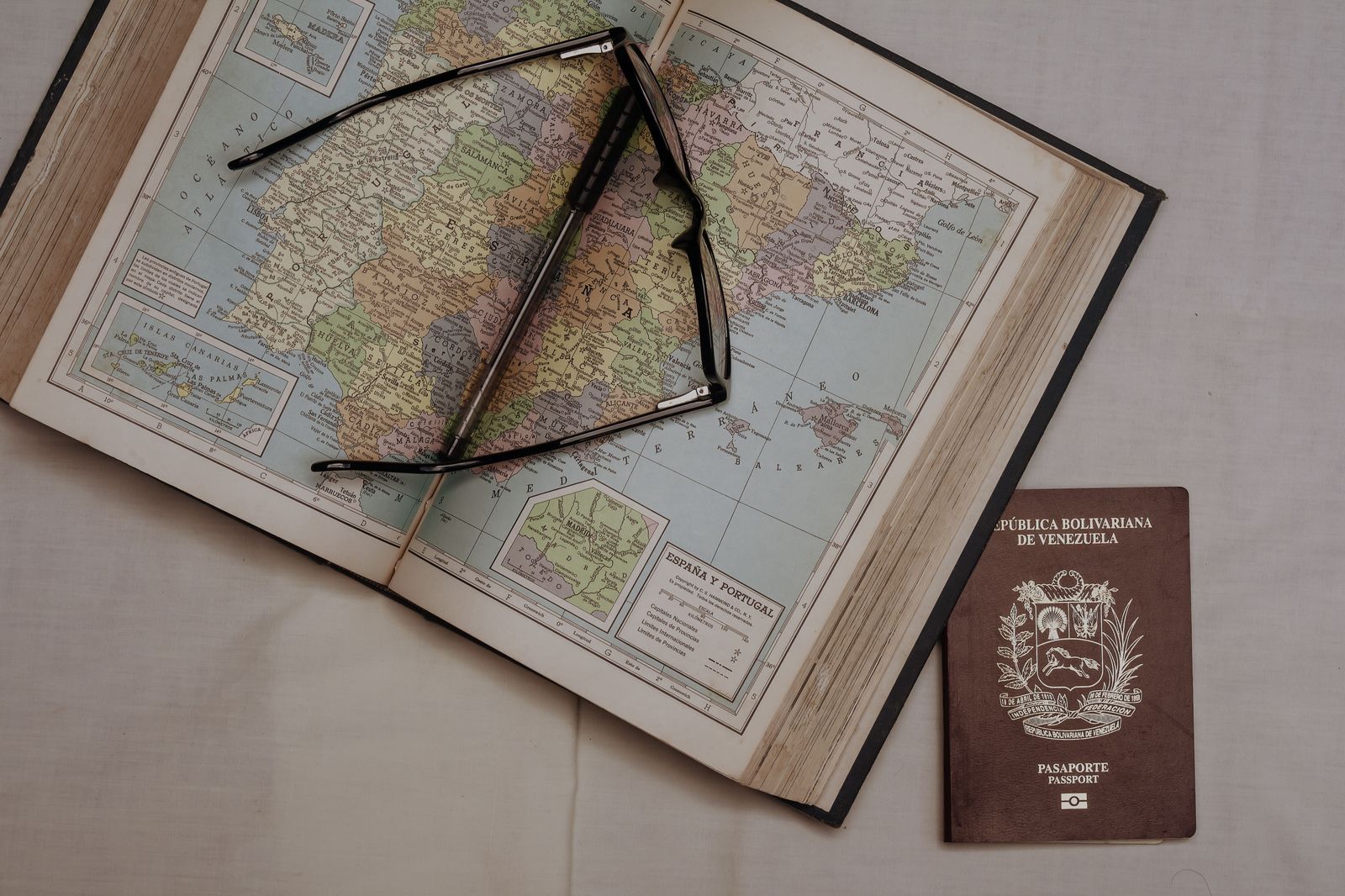
Documents: what each passenger needs
Everyone in the vehicle must satisfy the US officer, including children:
- Canadian citizens: a valid passport or a NEXUS card; other documents accepted at land crossings are listed by CBP under the Western Hemisphere Travel Initiative.
- US citizens: a passport, passport card or other WHTI-compliant document.
- Visitors from Visa Waiver Program countries: a passport and an approved ESTA, applied for in advance.
- Other visitors: a passport with a valid US visa.
- Permanent residents of Canada: their passport, PR card and any US visa their nationality requires.
Entry decisions are made by US officers at the booth; nobody, including a transport company, can promise entry.
Getting back into Canada
The return crossing is the part visitors forget. Canadians and permanent residents need their documents to re-enter; international visitors need whatever their nationality requires to come back into Canada, which is not always the same as what they used to arrive. If you entered Canada on a single-entry visa, check the rules on re-entry after a short visit to the US on the IRCC site before you leave; do not assume. At the Canadian booth, declare anything bought in the US. The Canada Border Services Agency lists personal exemptions and what cannot be brought in.
Walking across the Rainbow Bridge
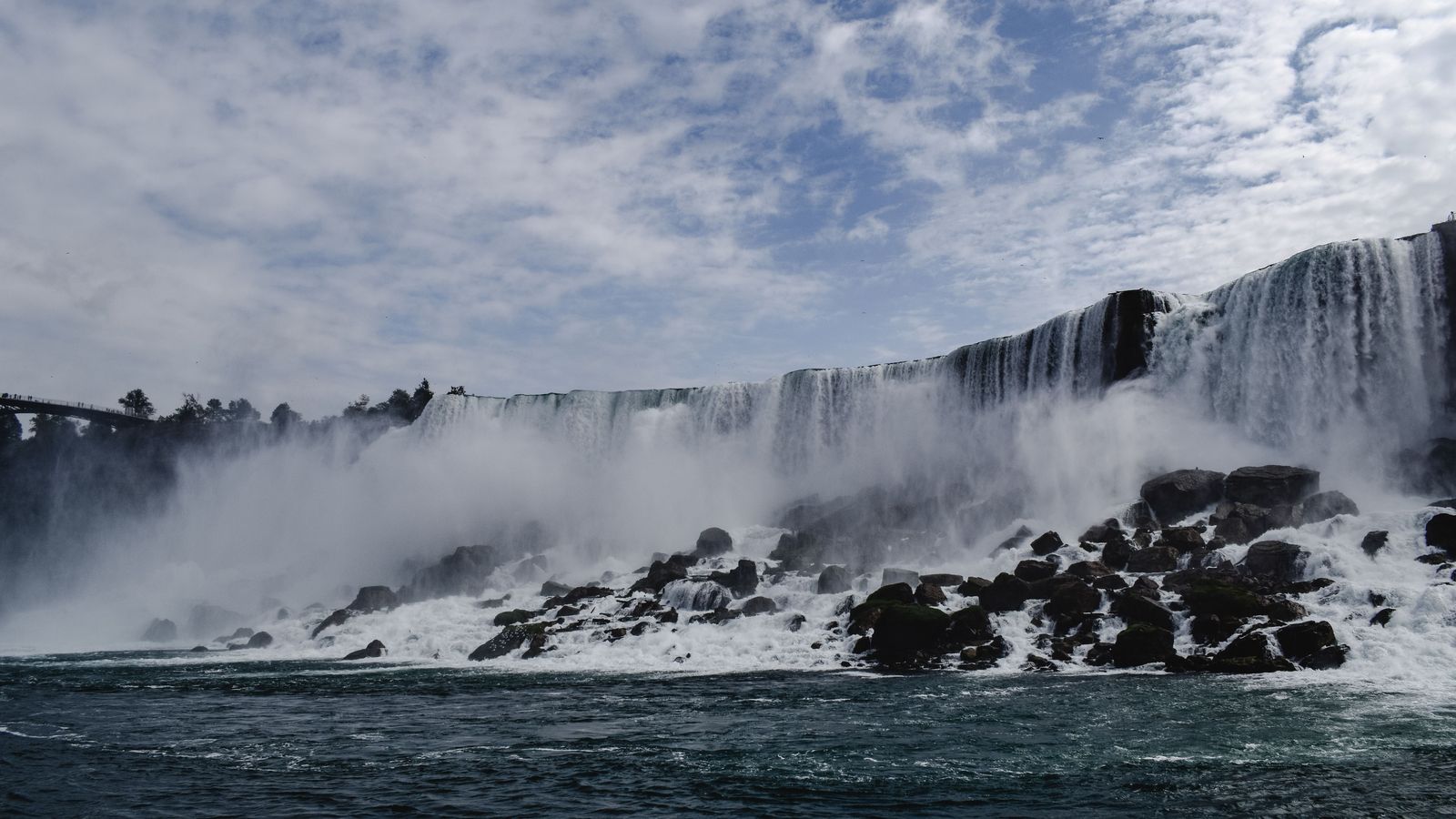
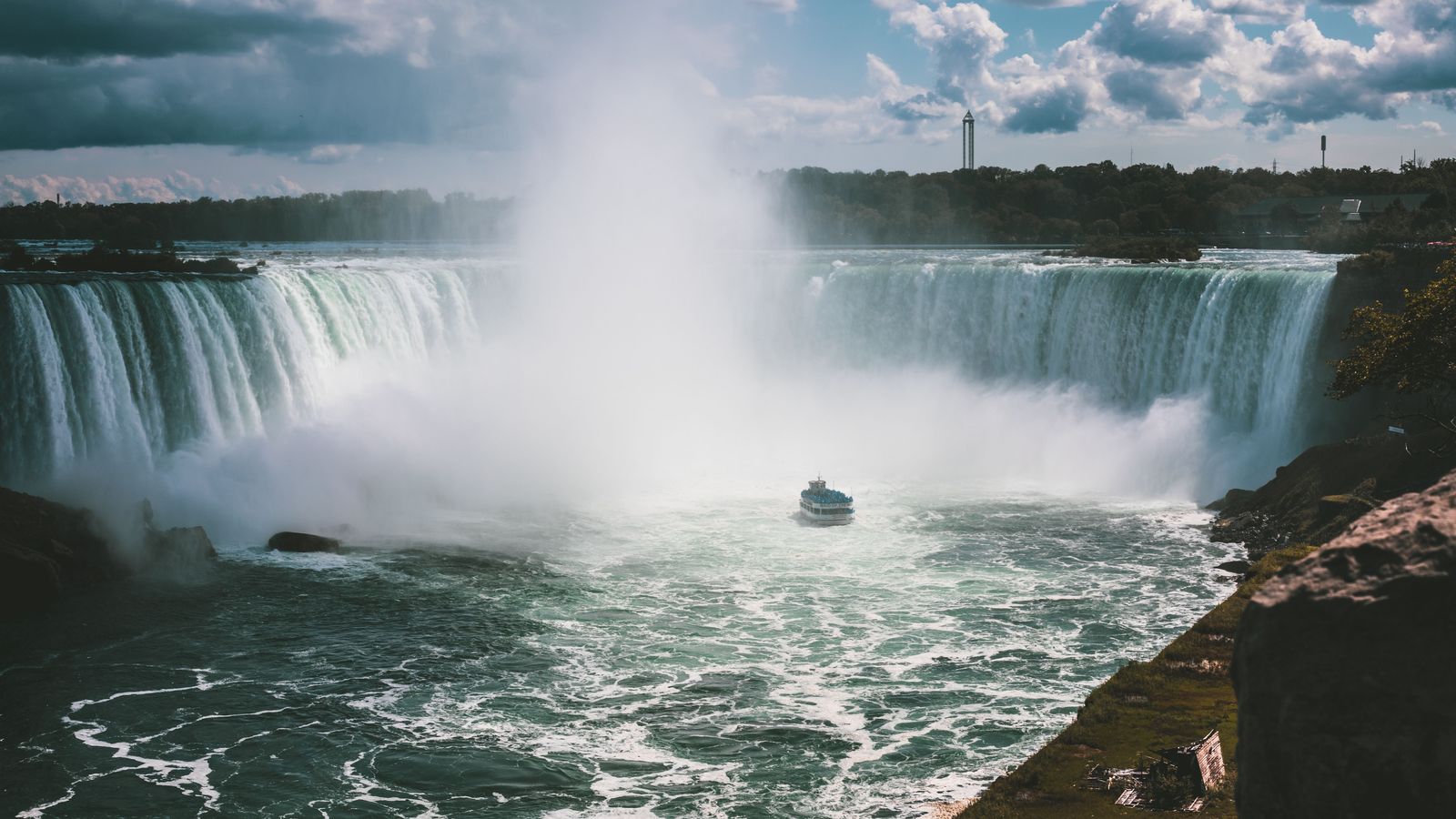
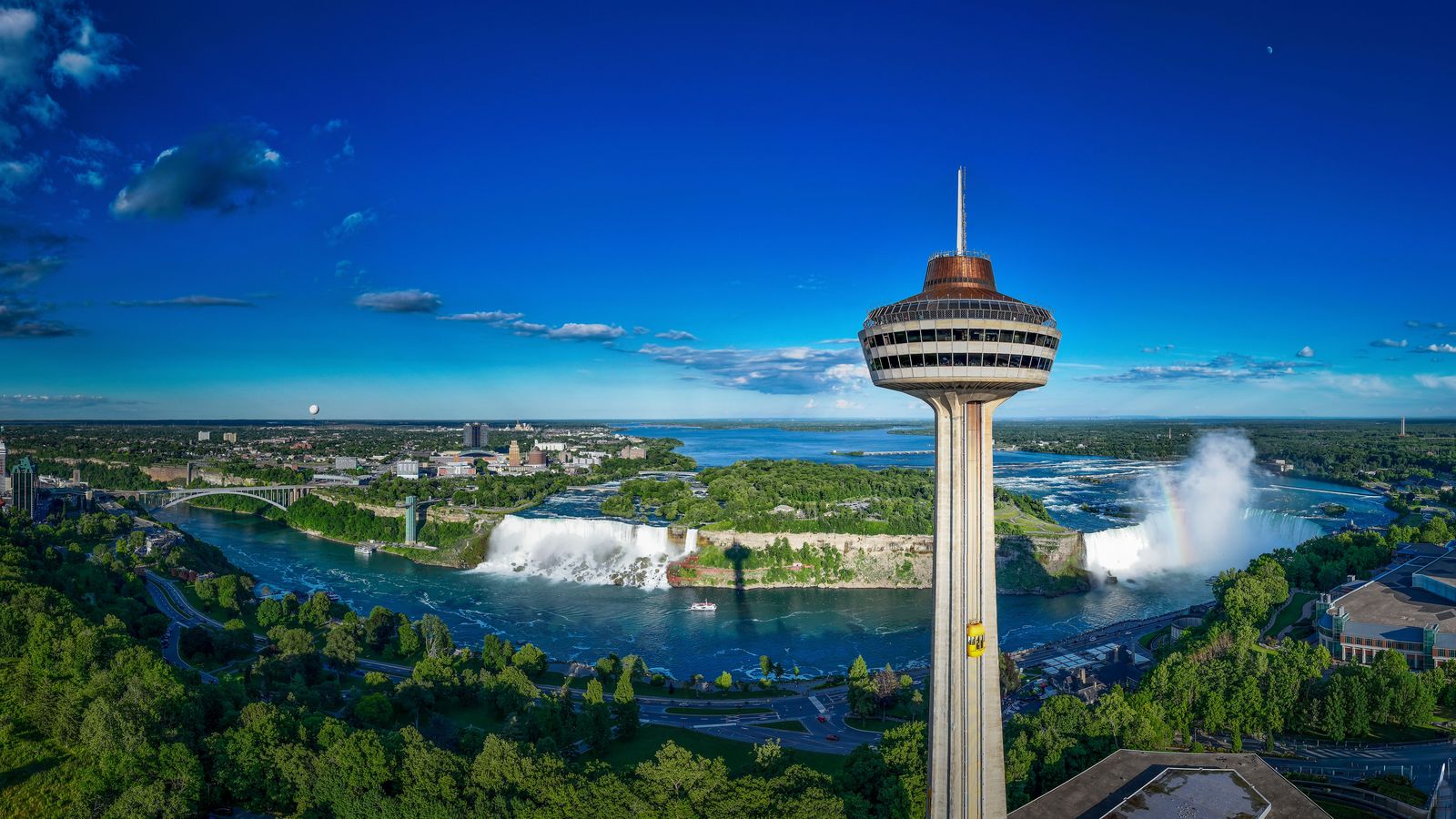
Many visitors skip the car entirely for this part: pedestrians can walk across the Rainbow Bridge from the foot of Clifton Hill, clear US inspection at the far end, and be in Niagara Falls State Park within minutes. The walk over the river gives a good view of the American and Horseshoe Falls. A small pedestrian toll, set by the bridge commission, is paid on the Canadian side before you step onto the walkway into the United States; the Lewiston-Queenston Bridge does not allow pedestrians. Coming back, you walk across and clear Canadian inspection. With a chauffeured day, the car can drop you at the bridge and meet you again on the Canadian side, which avoids driving the car through two inspections.
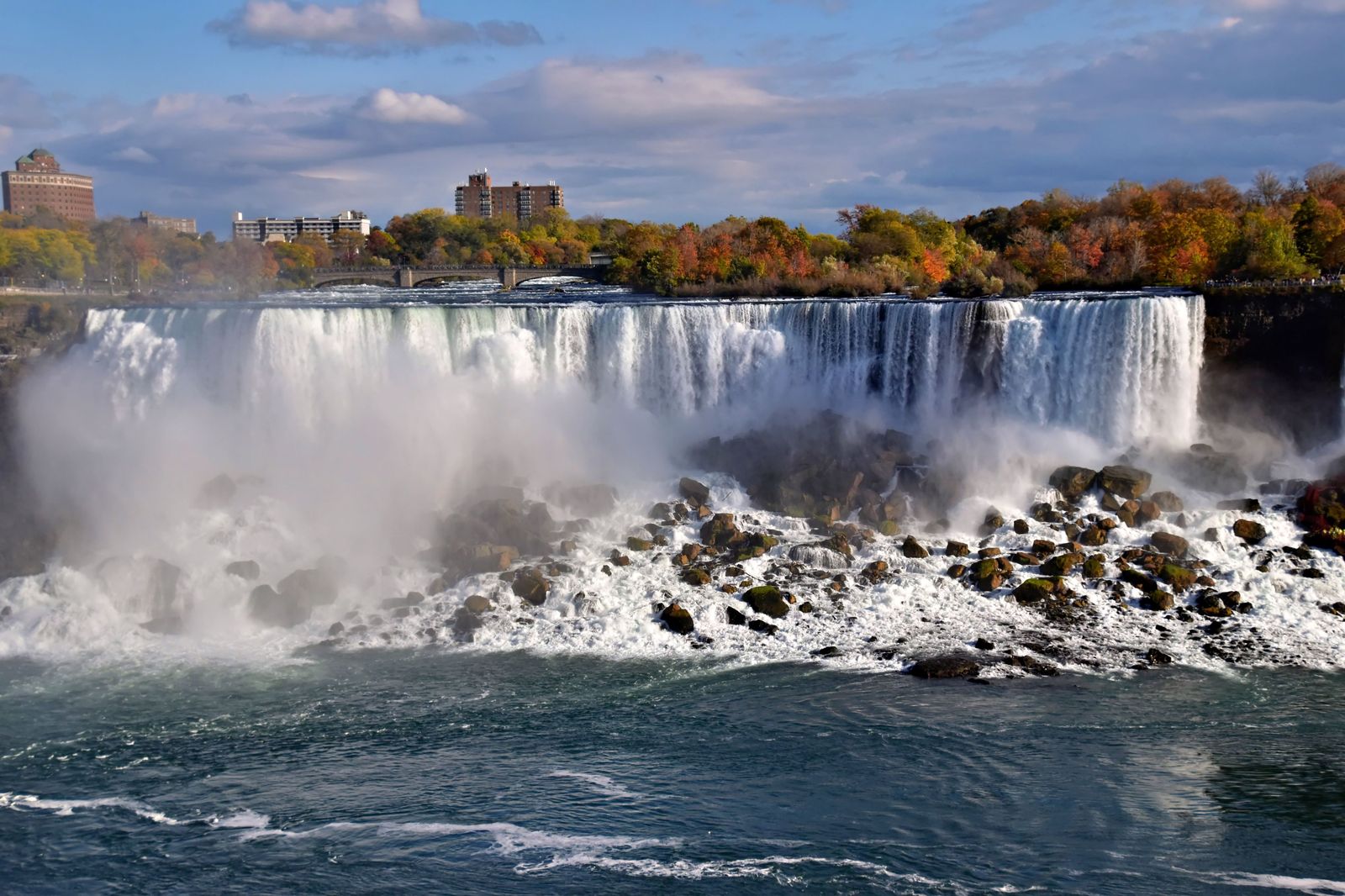
What is on the American side
The New York side offers a different angle on the same falls:
- Niagara Falls State Park, established in 1885 and often described as the oldest state park in the United States; information is on the park's official site and New York State Parks.
- Goat Island, between the American and Horseshoe Falls, with Terrapin Point at the edge of the Horseshoe.
- Cave of the Winds, wooden walkways at the base of the Bridal Veil Falls, where you stand in the spray.
- Maid of the Mist, the American boat tour into the mist, in season.
- Prospect Point and the observation tower, beside the brink of the American Falls.
The official visitor bureau, Niagara Falls USA, lists events and opening seasons.
Is the American side worth it?
Honestly, it depends. The Canadian side has the famous panoramic view of both falls, especially the Horseshoe. The American side puts you closer to the water: at the brink on Goat Island and in the spray at Cave of the Winds. Many visitors say the ideal is both, but if your group lacks documents for the US, or time is short, the Canadian side alone is a complete day. For a first visit with limited hours, our Toronto day trip itinerary stays in Canada.
A two-country day, hour by hour
- 7:30 a.m. Pickup in Toronto; QEW south.
- 9:15 a.m. Cross the Rainbow Bridge early, before the queue builds.
- 9:45 a.m. Niagara Falls State Park: Prospect Point, Goat Island, Terrapin Point.
- 11:00 a.m. Cave of the Winds.
- 12:30 p.m. Lunch on the American side, then cross back to Canada.
- 2:00 p.m. Table Rock and the Canadian viewpoints.
- 4:00 p.m. Niagara-on-the-Lake, or home.
Crossing early and coming back around midday usually avoids the longest waits in both directions.
Staying overnight on the New York side
Some visitors from Toronto book a hotel in Niagara Falls, New York, or combine the trip with Buffalo. Our own chauffeurs run the cross-border leg, so the car can drop you at a hotel, continue to Buffalo, or collect you at the end of your stay. Tell dispatch every passenger's nationality when booking so documents can be checked before the day. If your trip ends at an airport on the US side, see Toronto to Buffalo airport or the Niagara Falls International Airport page.
By train to Niagara Falls, New York
There is one rail option across the river: the VIA-Amtrak Maple Leaf, which runs once a day from Toronto Union Station through Niagara Falls, Ontario and over the Whirlpool Rapids Bridge to the Niagara Falls, New York station, where passengers clear US inspection during a long stop. It suits travellers heading on to Buffalo or New York City more than day-trippers, because of the single daily departure. Our guide to VIA Rail from Toronto to Niagara Falls explains the timetable pattern, and the Niagara Falls station transfer page covers pickups on the Canadian side.
Casinos, shopping and evenings on the US side
Some Toronto visitors cross for the evening rather than the scenery. Seneca Niagara Resort & Casino is a short drive from the Rainbow Bridge, with a higher minimum gaming age than Ontario's casinos; our post on a Niagara Falls casino trip from Toronto compares both sides. Cross-border shopping trips are popular too, but remember that everything bought must be declared on the way back, and personal exemptions depend on how long you have been out of Canada. An evening crossing back into Canada after a concert or event can be slow; build that into the pickup time.
NEXUS and the fast lanes
NEXUS members can use dedicated lanes at the Lewiston-Queenston Bridge and the Peace Bridge, which can save a long wait at busy times. The rule is strict: everyone in the vehicle, including the driver, must hold NEXUS for the car to use the lane. If your whole group has cards, mention it at booking and we assign a NEXUS-enrolled chauffeur where one is available. The programme is described on the CBSA NEXUS page.
What not to carry across
Both borders restrict certain foods, plants, firearms and cannabis, which remains illegal to take across the border in either direction even though it is legal in Canada. Fresh fruit and some meat products can be confiscated at the US side. Keep receipts for purchases, carry any medication in its labelled container, and pack the car so that bags can be opened easily if an officer asks. A clean, organised car makes inspection quicker for everyone.
Children and the border
Children need their own documents. Canadian children under 16 can cross the land border with proof of citizenship such as a birth certificate under US rules, but many families simply bring passports. When a child travels with only one parent, or with grandparents or friends, carry a signed consent letter from the absent parent or parents; both countries' officers may ask. Child seats are fitted on request at booking and stay in the car across the border.
What a cross-border car costs
A trip from Toronto to Niagara Falls, New York is quoted in the reservation engine as a fixed fare, with the chauffeur, vehicle, fuel, tolls and gratuity included and HST shown separately. As a guide, the Pearson to Niagara Falls, Ontario sedan planning figure is $345-420 one way; the crossing adds distance, bridge tolls and border time, and a two-country day is usually best booked by the hour at $130-150 an hour for a sedan or $160-190 for an SUV, three-hour minimum. Cancellation follows the sitewide scale, free up to 72 hours before pickup.