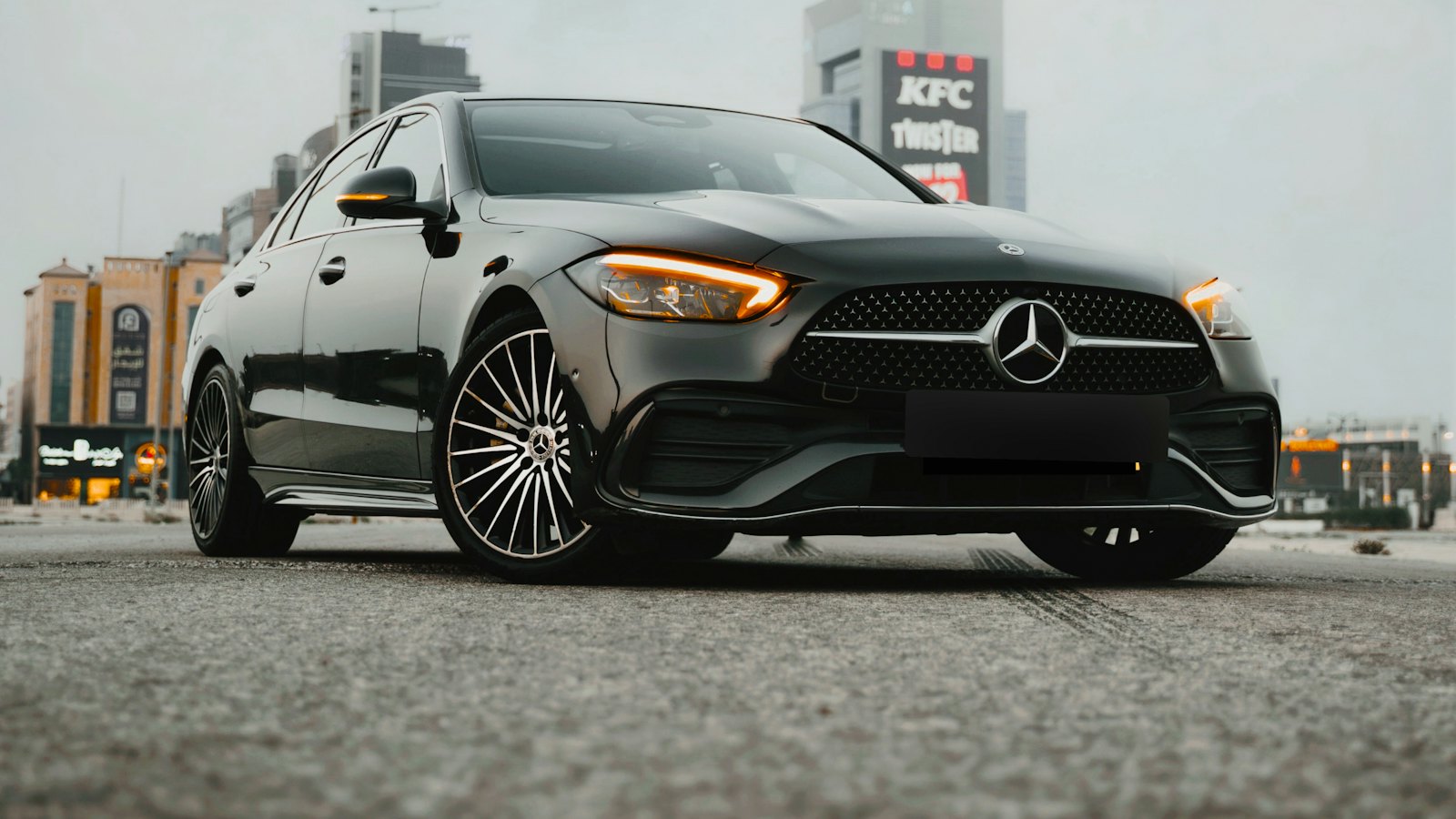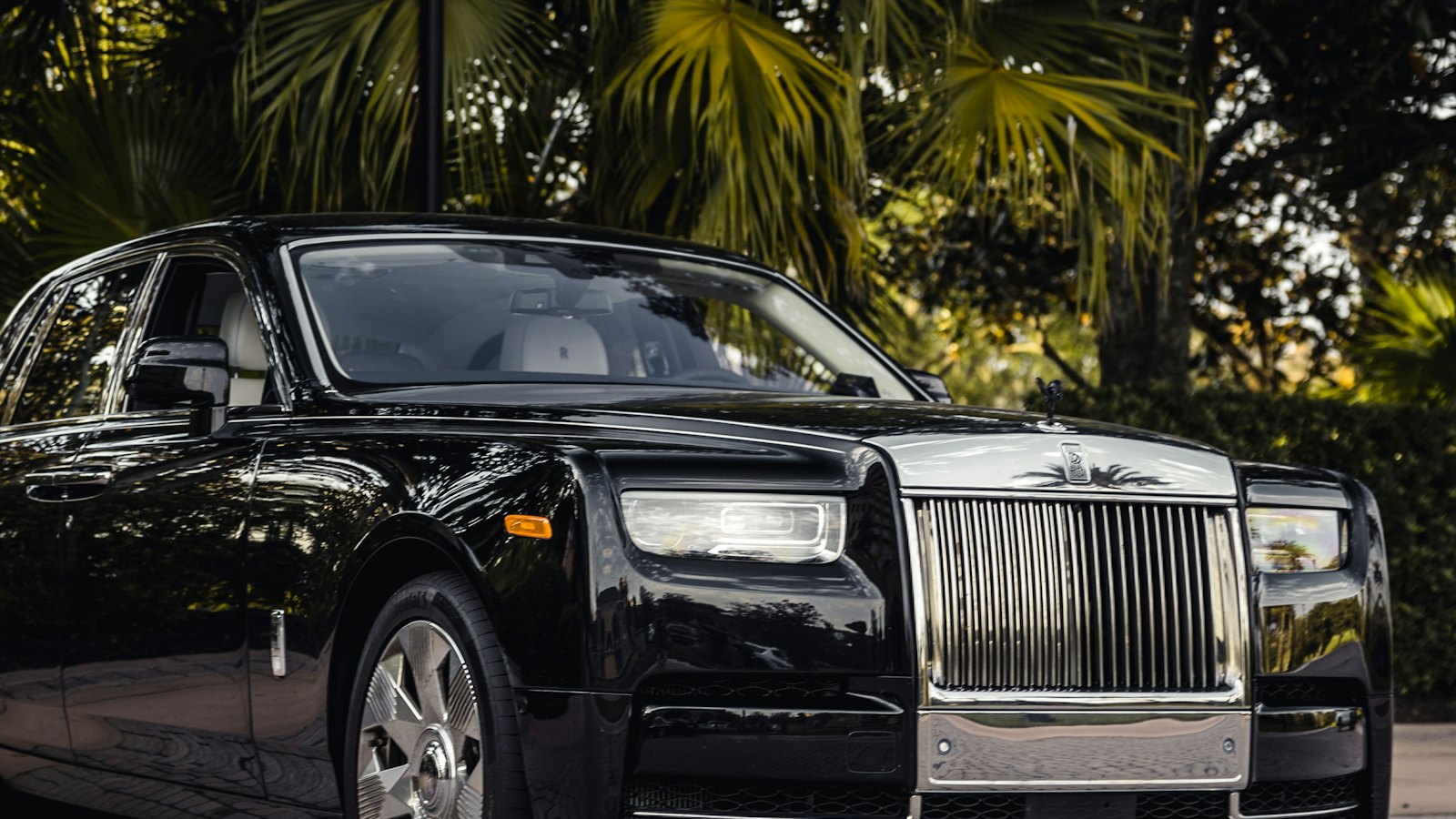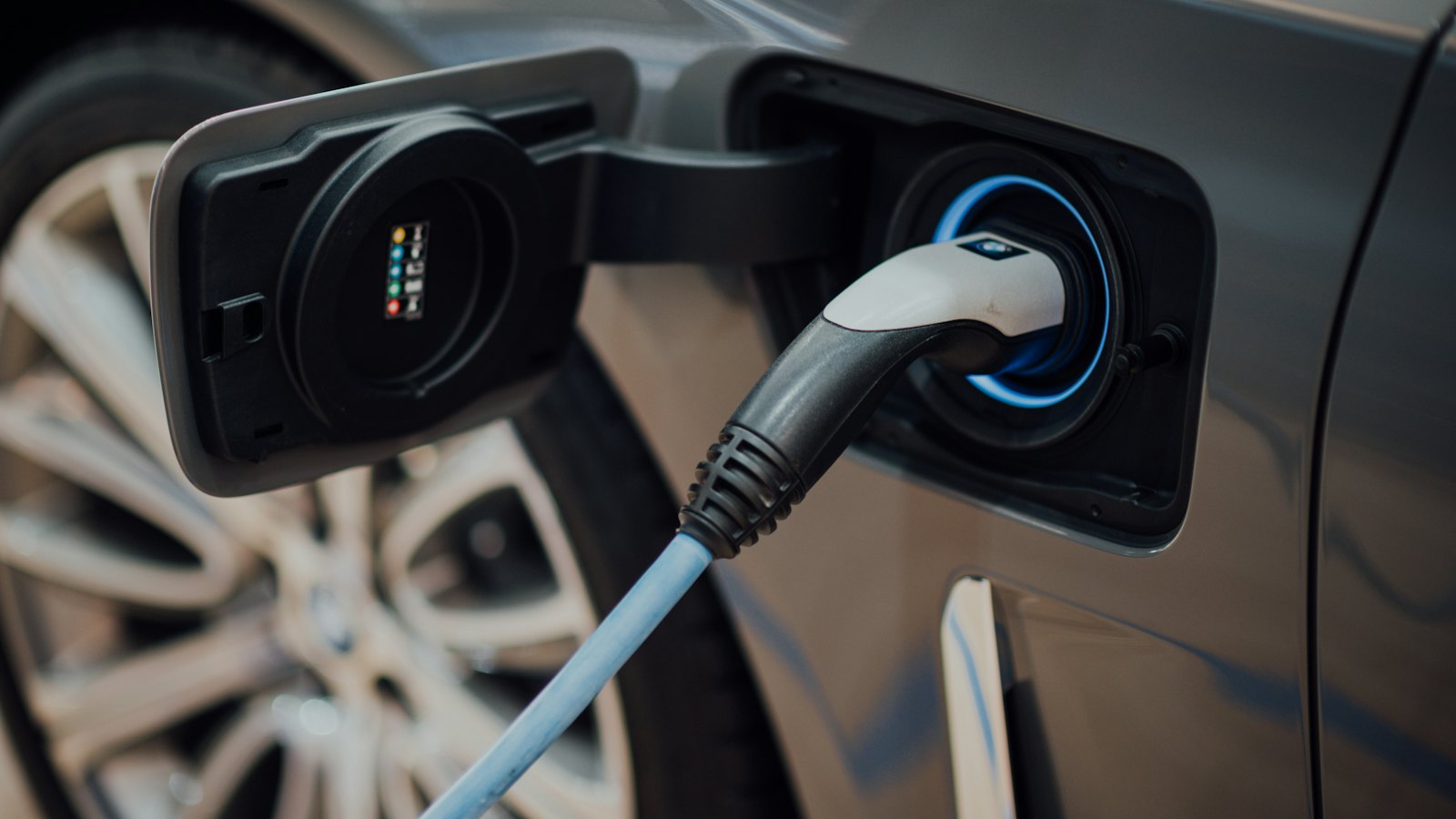











Yes, you can ask for a hybrid or electric chauffeur car in Toronto. Hybrids suit any trip in any season. Fully electric cars are excellent for airport runs and hourly work inside the GTA, but deep cold can cut their range by a fifth to a third, so long winter trips usually go hybrid. The fare is fixed by trip and vehicle class, never by drivetrain.
More travellers now ask the dispatch desk a version of the same question: can the car be electric? Some want to keep a company travel footprint down, some simply like the quiet, and a few have read about electric cars struggling in a Canadian cold snap and want to know whether that is a risk on the way to a 7 a.m. flight. This post answers all three in the plain terms we use on the phone.
The short version: hybrids are close to a sure thing in any season, fully electric cars are excellent for most trips inside the GTA, and the long runs in deep winter are where a hybrid still earns its place. The fare does not change with the drivetrain; it is set by the trip and the vehicle class you book.
Why travellers ask for an electric or hybrid car
The reasons fall into three groups. Corporate travellers are often asked by their employer to report the emissions of business trips, and the ground leg is an easy line to improve. Leisure travellers notice the cabin: an electric car pulls away without a gear change and is nearly silent at highway speed, which matters after an overnight flight from London or Delhi. And some passengers simply prefer it on principle. All three are fair reasons, and none of them should cost anyone a flight, so the planning rules below apply whichever group you are in.
Hybrid, plug-in or fully electric: what the words mean
A hybrid has a petrol engine and a small battery that recovers energy under braking. It is never plugged in, it refuels at any gas station in minutes, and it uses noticeably less fuel in stop-start traffic on the Gardiner or along Yonge Street. A plug-in hybrid has a bigger battery that gives a short electric-only range, often enough for a downtown errand, then switches to petrol. A fully electric car has no engine at all; its range depends on battery size, speed, temperature and how hard the heater works. For a chauffeur the practical difference is simple: hybrids need no planning, plug-ins need a little, and fully electric cars need the charge built into the day.
Comfort in the cabin: quiet, smooth and the trunk
Passengers who try an electric car usually mention two things: the silence and the smoothness. With no engine noise, a call from the back seat is easier and a nap after a red-eye is more likely. Acceleration is seamless, which helps anyone prone to car sickness on the stop-and-go stretch of the 427. The trade-off is space. Some electric sedans have a shallower trunk than the petrol car they replace, plus a small front compartment that takes a laptop bag but not a large case. A business sedan is planned for three passengers and three large cases; if an electric car cannot take your declared luggage, dispatch sends a car that can. That is why the true bag count matters more than the drivetrain, as our guide to choosing a sedan, SUV or Sprinter explains.
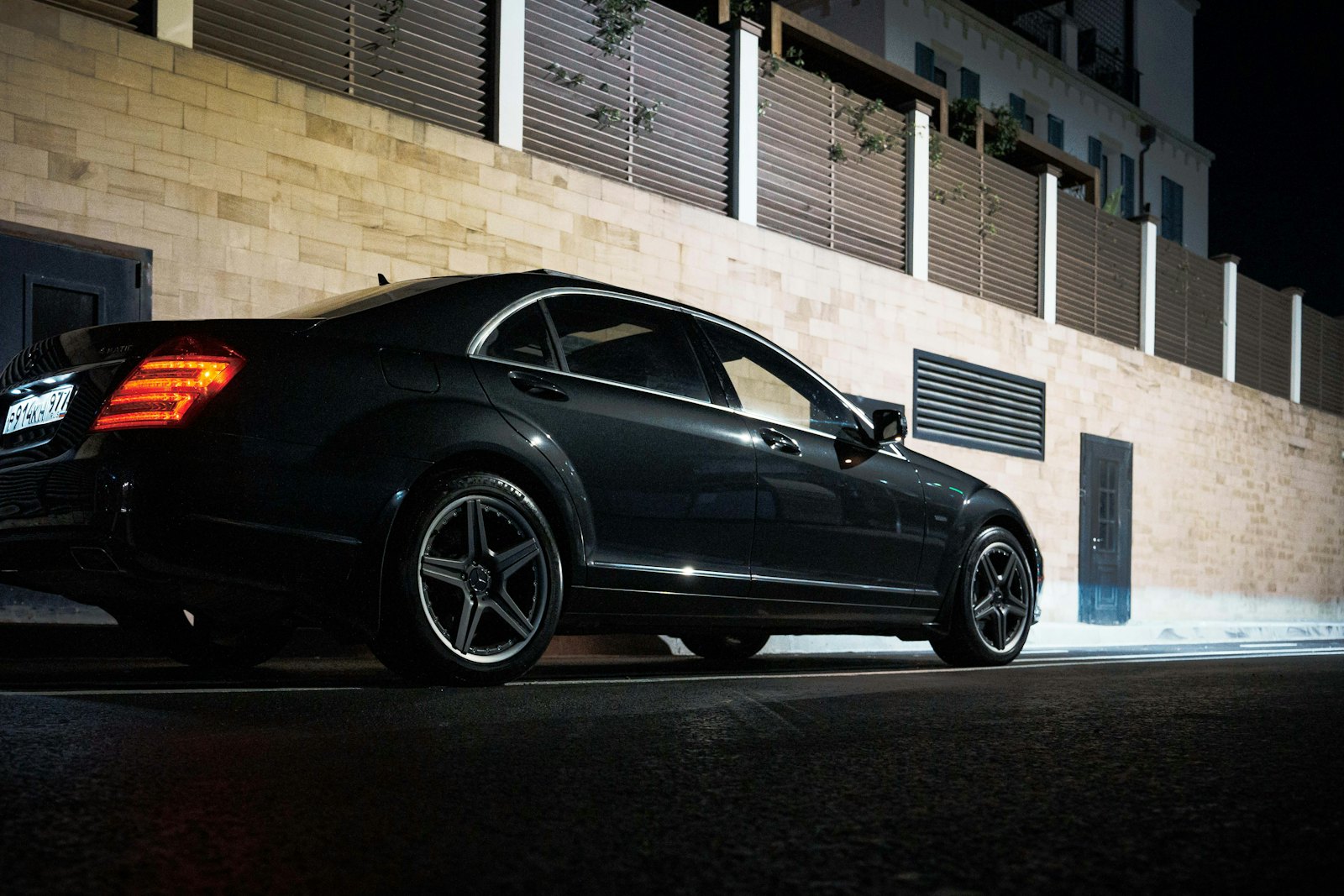
Does an electric car change the fare?
No. Every fare is a fixed, all-in flat rate confirmed before you book: chauffeur, vehicle, fuel or charging, 407 ETR tolls if used, airport pickup fees and parking, flight tracking and gratuity are included, with 13 % HST shown separately. Nothing is metered and there is no surge for snow or delays, so an electric car that takes a slower, battery-friendly line on the 401 costs you nothing extra; our piece on surge pricing versus fixed fares shows why that matters on a storm night. For planning, a business sedan from Pearson to downtown Toronto is $130–160 and to Kitchener-Waterloo $265–325, before HST, and the reservation engine quotes the exact figure. The detail behind each line is in what a flat-rate airport fare includes, and the full table is on our rates page.
How far can an electric car go on an airport run?
Remember that the chauffeur has to get back, too. Long-distance fares include the return, so the car's real day is the round trip plus the drive to your pickup, not the one-way distance on a map. The table uses approximate road distances from Pearson and a rough judgement of how comfortably a modern electric sedan handles each trip without a charge while a passenger is aboard.
| Trip from Pearson | Approx. one way | Electric car, mild weather | Electric car, deep cold |
|---|---|---|---|
| Downtown Toronto | 25–30 km | Easy, several trips per charge | Easy |
| Oakville or Vaughan | 25–40 km | Easy | Easy |
| Barrie | about 95 km | Comfortable round trip | Usually needs a top-up after the drop |
| Kitchener-Waterloo | about 95 km | Comfortable round trip | Usually needs a top-up after the drop |
| Niagara Falls | about 130 km | Round trip with a planned charge | Hybrid often the better pick |
| Kingston | about 280 km | Charge stop needed | Hybrid preferred |
| Ottawa or Montreal | 450–550 km | Several charge stops on the 401 | Hybrid preferred |
Charging: who plugs in, and when
An electric chauffeur car starts the day full, charged overnight. On hourly work, the chauffeur tops up while you are in a meeting, at a fast charger near the airport or in one of the downtown garages that have them. That is the chauffeur's job, not yours, and you should never see a cable. Two situations need thought. A long wait for a delayed international arrival is fine, because the car sits with the heater on rather than driving. A late change of plan, such as adding a run to Hamilton after a downtown dinner, may mean a short charge or a swap to a hybrid, and dispatch will tell you honestly which before anything changes.
What winter does to battery range
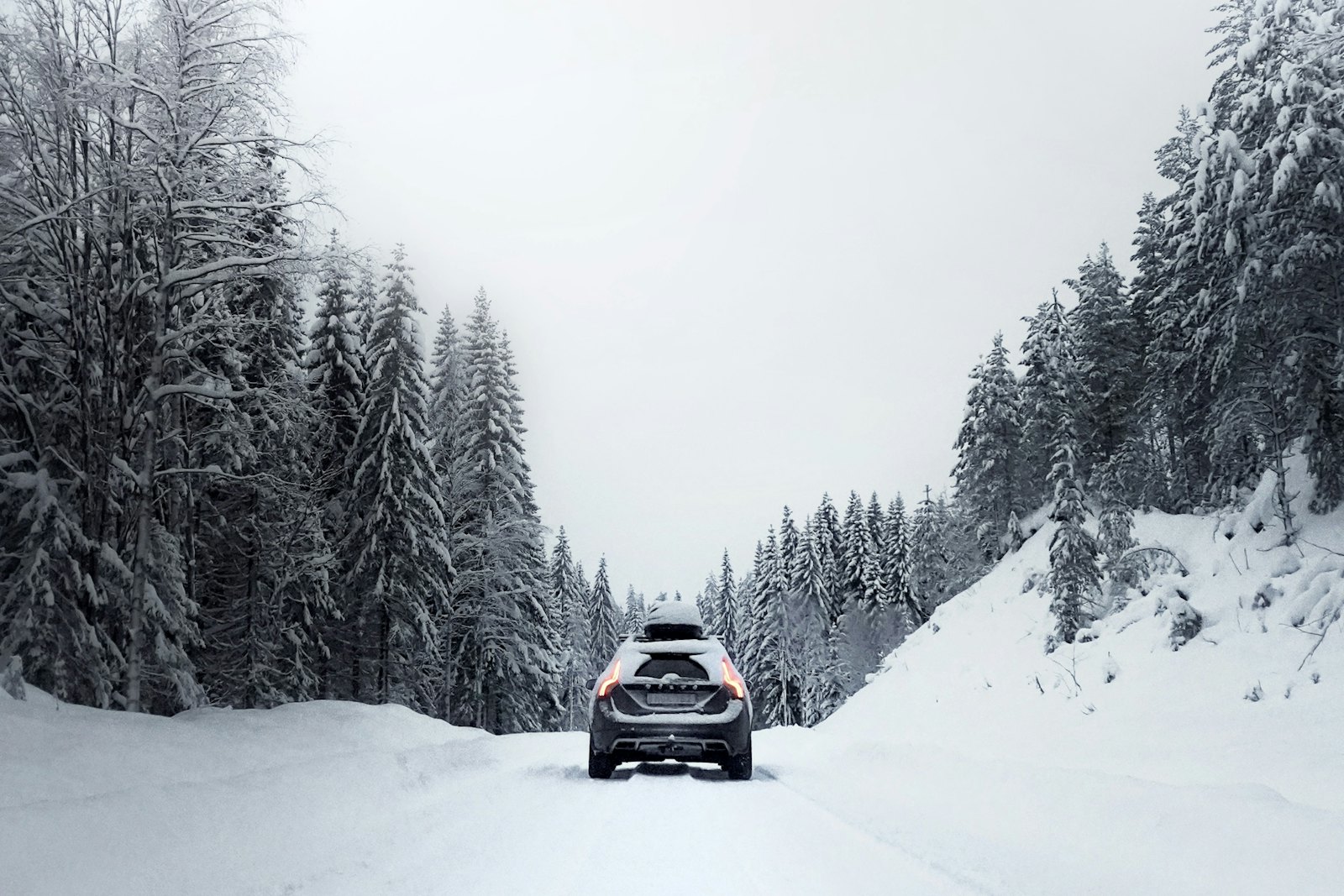
Cold is the real test. A battery delivers less energy when it is cold, and the car spends energy heating the cabin and the battery itself. On a January morning at minus 15, a fully electric car can lose a large share of its rated range, commonly somewhere between a fifth and a third, and more on a fast highway run into a headwind. Snow on the road adds rolling resistance, and a long idle at the terminal keeps the heater busy. None of that is dangerous with planning, but it changes which trips an electric car should take. Dispatch reads the forecast on weather.gc.ca and road reports on Ontario 511 the evening before, and our post on what chauffeurs do in a snowstorm covers the wider winter routine. Hybrids are much less affected: the engine supplies heat and range, so a hybrid on a cold morning behaves almost exactly like a petrol car.
When a hybrid beats a fully electric car
For three kinds of trip we usually suggest a hybrid even to passengers who would prefer electric. The first is the long run: Toronto to Ottawa, Montreal or New York is a full day for any car, and a hybrid keeps the schedule independent of charger queues on a holiday weekend. Our post on Toronto to Montreal by private car walks through that day. The second is the cross-border trip to Buffalo or Niagara Falls, New York, where a border line can stretch without warning. The third is the deep-cold early start, minus 20 with a wind warning, when nobody should be thinking about range at 4:30 a.m. A hybrid still burns less fuel than a conventional car, so the footprint argument does not disappear.
A worked example: an electric car for a three-day visit
Priya, a sustainability consultant from Vancouver, lands at Terminal 1 on a Tuesday in October with one case and a laptop bag and asks for an electric car. Day one is easy: a domestic arrival with 30 minutes of included waiting from landing, then 30 to 40 minutes to a King West hotel. Day two is a four-hour hourly booking for client visits in the Financial District and Liberty Village, well inside one charge. On day three she needs Kitchener-Waterloo by 9 a.m. for a workshop, then Pearson for an evening flight. In October that is a comfortable electric day. If the same trip fell in late January with a cold snap forecast, dispatch would call the evening before and suggest a hybrid in the same vehicle class at the same fare, and Priya would choose. She checks her terminal on Toronto Pearson's site before leaving, as everyone should.
A short checklist for electric and hybrid requests
- Hybrid requests are the easiest to meet, in any season and on any route.
- Fully electric cars suit airport runs and hourly days inside the GTA.
- For trips beyond about 250 km, or deep-cold mornings, expect a hybrid suggestion.
- Declare every bag; trunk space decides the car before the drivetrain does.
- Say whether your preference is firm or a nice-to-have.
- The flat fare is the same either way, with HST shown separately.
How to ask for a hybrid or electric car when you book
Book through the reservation engine on our booking page as usual, choosing the class by passengers and bags, then add a note such as "hybrid preferred" or "electric preferred". Dispatch confirms what is assigned for your trip. Travel managers can record the preference on a corporate account so every booking carries it, and the classes are described on our fleet page. If you would rather talk it through, dispatch answers 24/7 on (877) 860-3388.