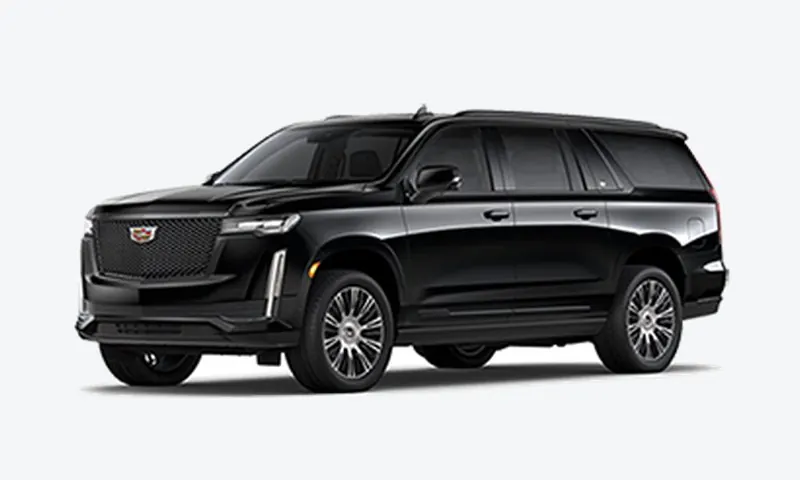










Most travellers from Brazil arrive at Toronto Pearson on an overnight flight from São Paulo that lands in the early morning, or through a US or Latin American hub. Allow 45 to 90 minutes to clear immigration, customs and bags, pack a coat in hand luggage between December and March, and expect morning rush hour on the 401 and 427. A business sedan to downtown runs $130–160 before HST.
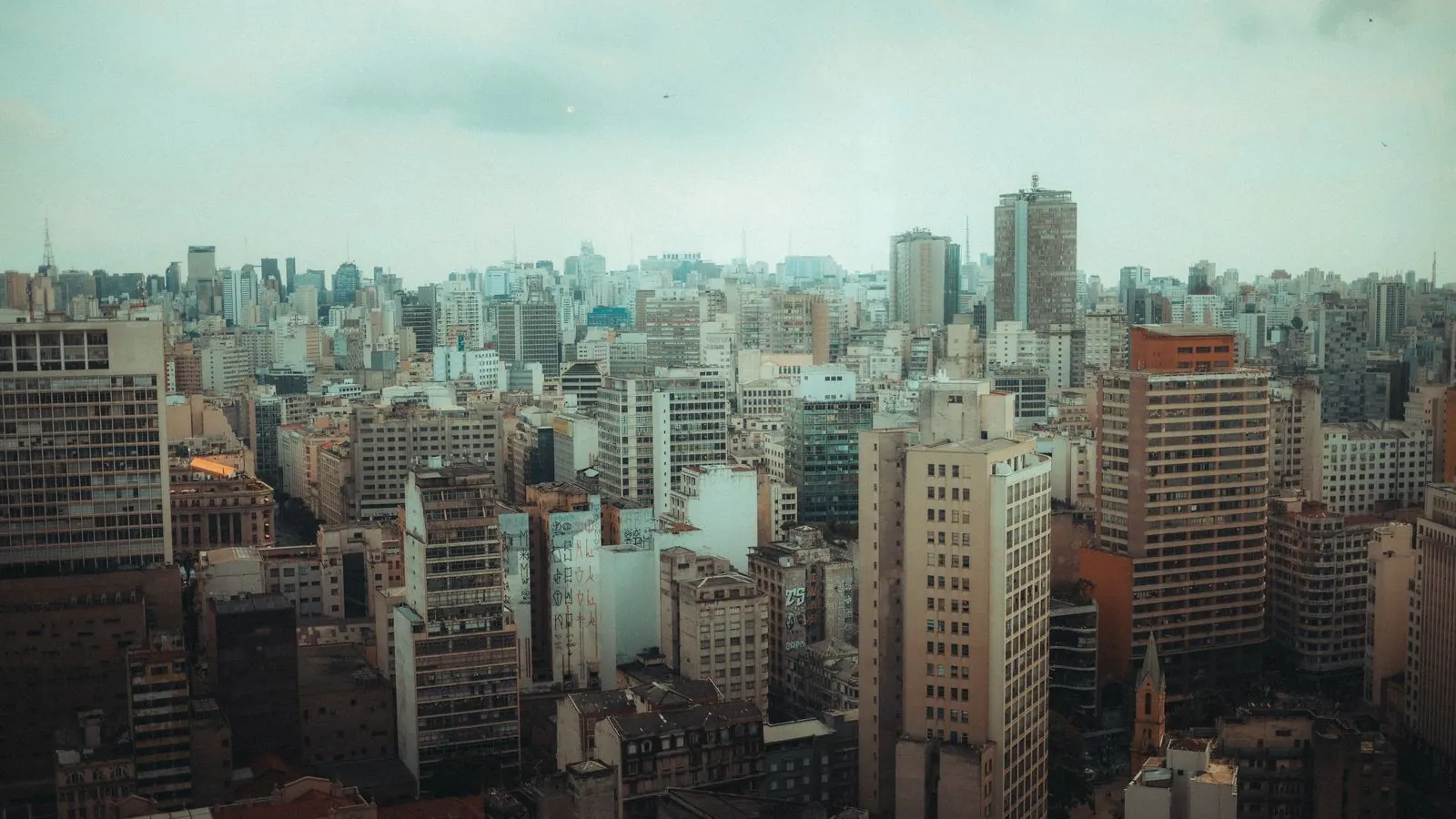
For travellers from Brazil, the trip to Toronto usually starts with an evening departure from Guarulhos and ends with a sunrise landing at Pearson. The flight is long but not punishing, and the time difference is small, so the hardest part is often what comes after the aircraft door: a busy immigration hall, a change of season and a Toronto morning rush hour. A little planning turns those into minor details.
This guide is for visitors, students, workers and families joining relatives, whether you are coming from São Paulo, Rio de Janeiro, Belo Horizonte or elsewhere in Brazil.
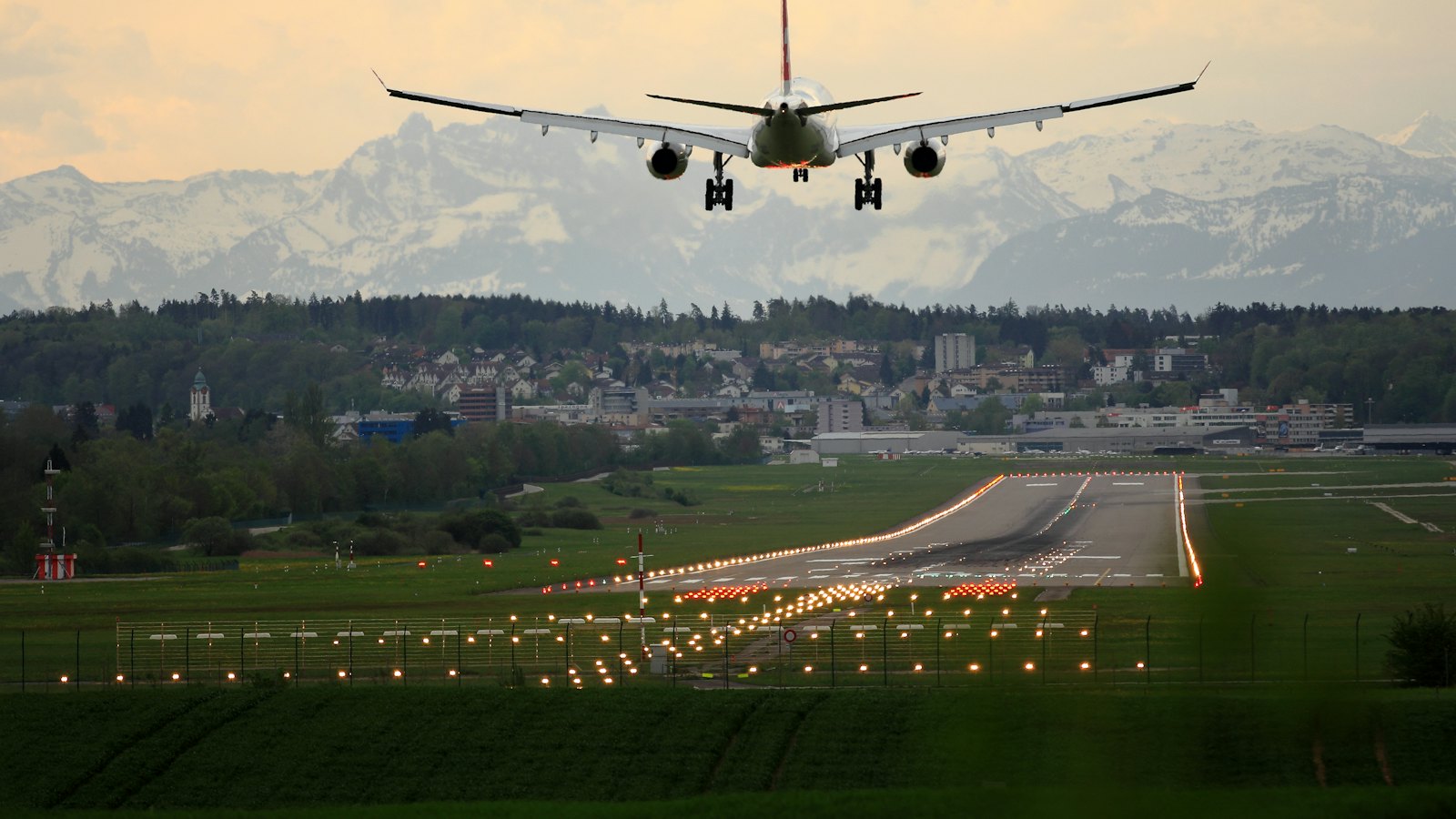
The overnight flight and the early landing
The non-stop service from São Paulo is an overnight flight of around ten hours that typically reaches Toronto in the early morning. Travellers from other Brazilian cities usually connect in São Paulo, or travel through a US hub such as Miami, New York or Houston, or through Bogotá, Panama City or Mexico City. Connections through the United States require valid US travel documents even if you never leave the airport, because there is no international transit area; check the requirements on the US Customs and Border Protection site before you book that routing. The red-eye arrivals guide explains what Pearson is like at dawn.
Documents: visa or eTA?
Brazilian citizens need either a visitor visa or, in some cases, an electronic travel authorization (eTA), depending on their travel history, such as whether they hold a valid US visa or have held a Canadian visa recently. Students and workers need the permit approval letter as well. Because the rules depend on your situation and can change, check them on the IRCC website; the eTA and visa basics guide explains the difference. Keep your passport, approval letters and the address where you are staying, written out in full, in your hand luggage.
Summer in Brazil, winter in Toronto
The seasons are reversed. A traveller leaving a 30-degree December evening in São Paulo can land in Toronto at minus 10 with wind and snow. Pack a winter coat, hat, gloves and warm shoes in your hand luggage, not in a checked case that you will only open at your destination, and dress before you leave the baggage hall. Children feel the change most. The Environment Canada forecast is worth checking the day before you fly. From June to August the change runs the other way, and Toronto's warm, humid summer will feel familiar.
Clearing immigration and customs
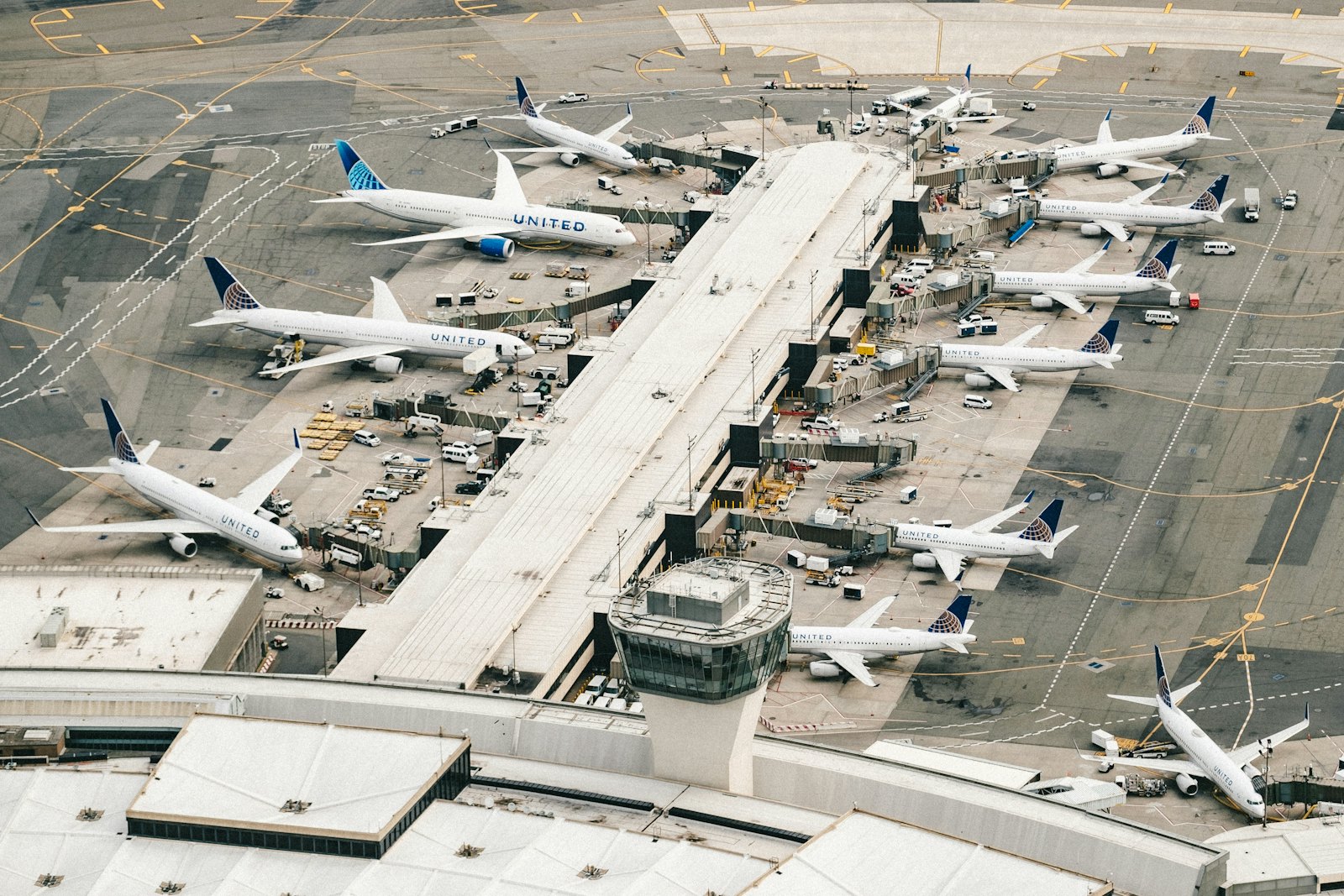
Flights from São Paulo on Air Canada arrive at Terminal 1; if you connect on another airline, its terminal applies, which the terminal finder confirms. Follow the signs to the kiosks or eGates, scan your passport, complete the declaration and speak to a border services officer. Students go to the immigration office in the hall to collect their study permit, which can take longer during the late-August and January peaks.
Declare all food. Brazilian cheeses, requeijão, cured meats, sausages and fresh fruit are among the items that may be restricted, while many packaged sweets, coffee and biscuits are usually fine. If in doubt, declare it and let the officer decide; the Canada Border Services Agency lists current rules, and cash of $10,000 or more must be reported.
Meeting your chauffeur at Pearson
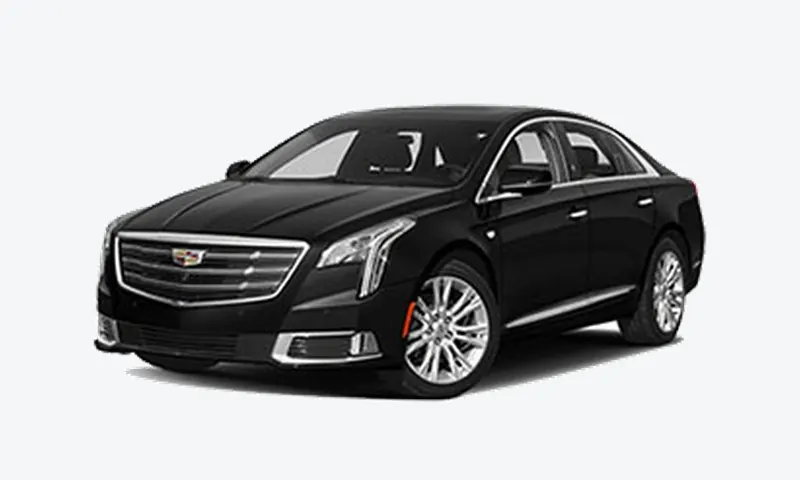
When you have your bags, connect to the airport Wi-Fi and text the chauffeur, who meets you at the terminal's commercial pickup area. The flight is tracked, so an early or late landing is no problem, and 60 minutes of waiting from actual landing are included on international flights from outside the US. If you would rather be met inside the arrivals hall, a meet and greet with a name board is planned at $150. Dispatch answers by phone, WhatsApp or email around the clock, which helps if your Brazilian SIM is not working yet; the currency and SIM card guide covers getting connected.
Morning rush hour on the 401 and 427
An early-morning landing means you clear the airport just as the GTA starts its commute. From about 6:30 to 9:30 a.m. on weekdays, the 401 and the 427 slow down, and the Gardiner into downtown is often at a crawl. A drive that takes 30 minutes at midday can take an hour at 8 a.m. Chauffeurs plan routes around it, sometimes using the 407 ETR, with tolls included in the fixed fare. The fare does not rise because the traffic is heavy.
| Destination | Business sedan | Executive SUV | Midday drive | Weekday 8 a.m. drive |
|---|---|---|---|---|
| Downtown Toronto | $130–160 | $165–205 | 25–40 min | 45–75 min |
| Mississauga | $90–120 | $115–155 | 15–25 min | 25–45 min |
| North York | $105–135 | $135–175 | 25–35 min | 40–65 min |
| Vaughan | $115–145 | $145–185 | 25–35 min | 35–55 min |
| Kitchener-Waterloo | $265–325 | $340–415 | 75–90 min | 90–120 min |
Fares are one way, before HST, and include airport fees, tolls if used, flight tracking and gratuity. The Pearson to downtown route page has more detail on the downtown run.
Snow days: what changes on the road
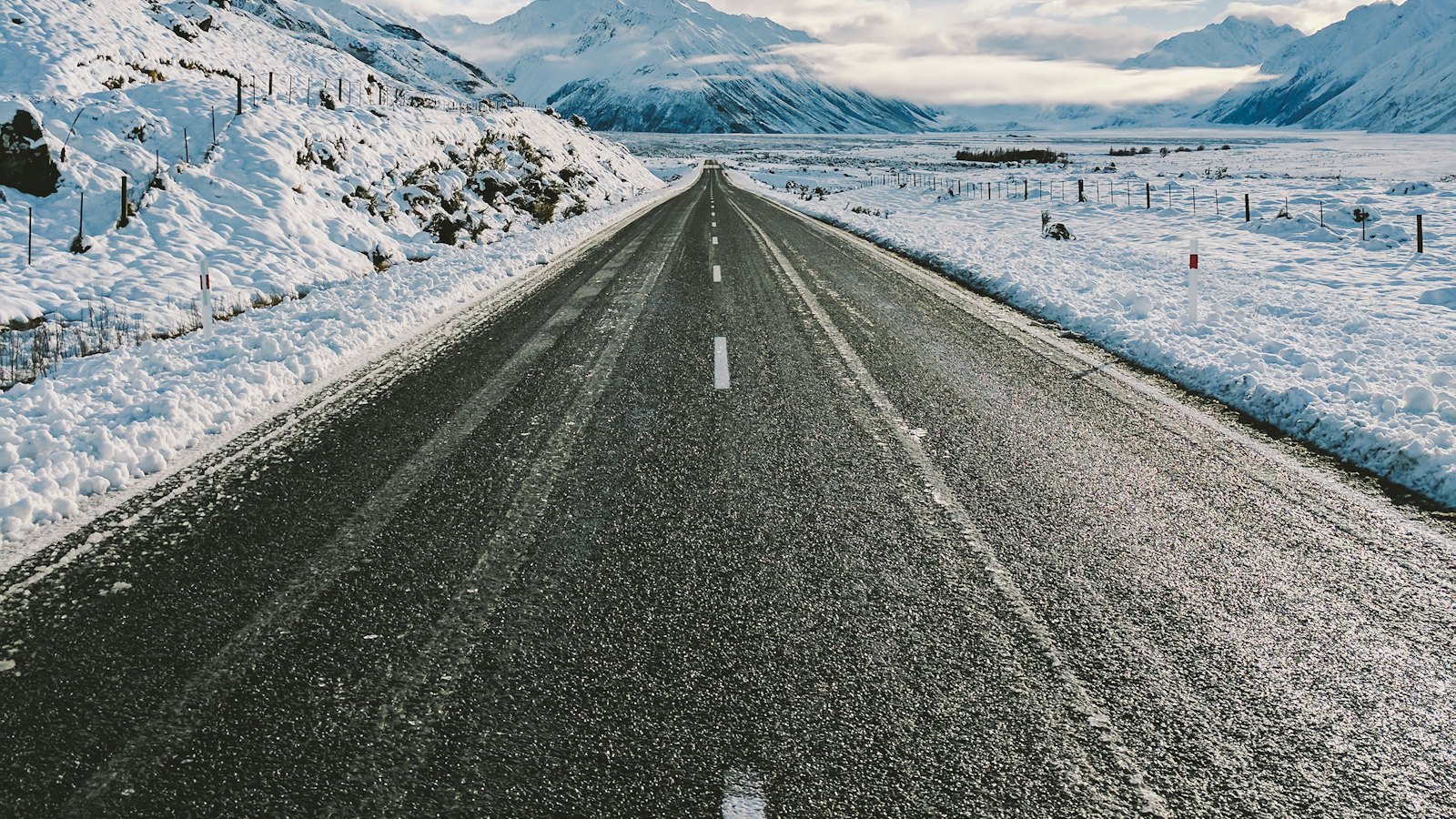
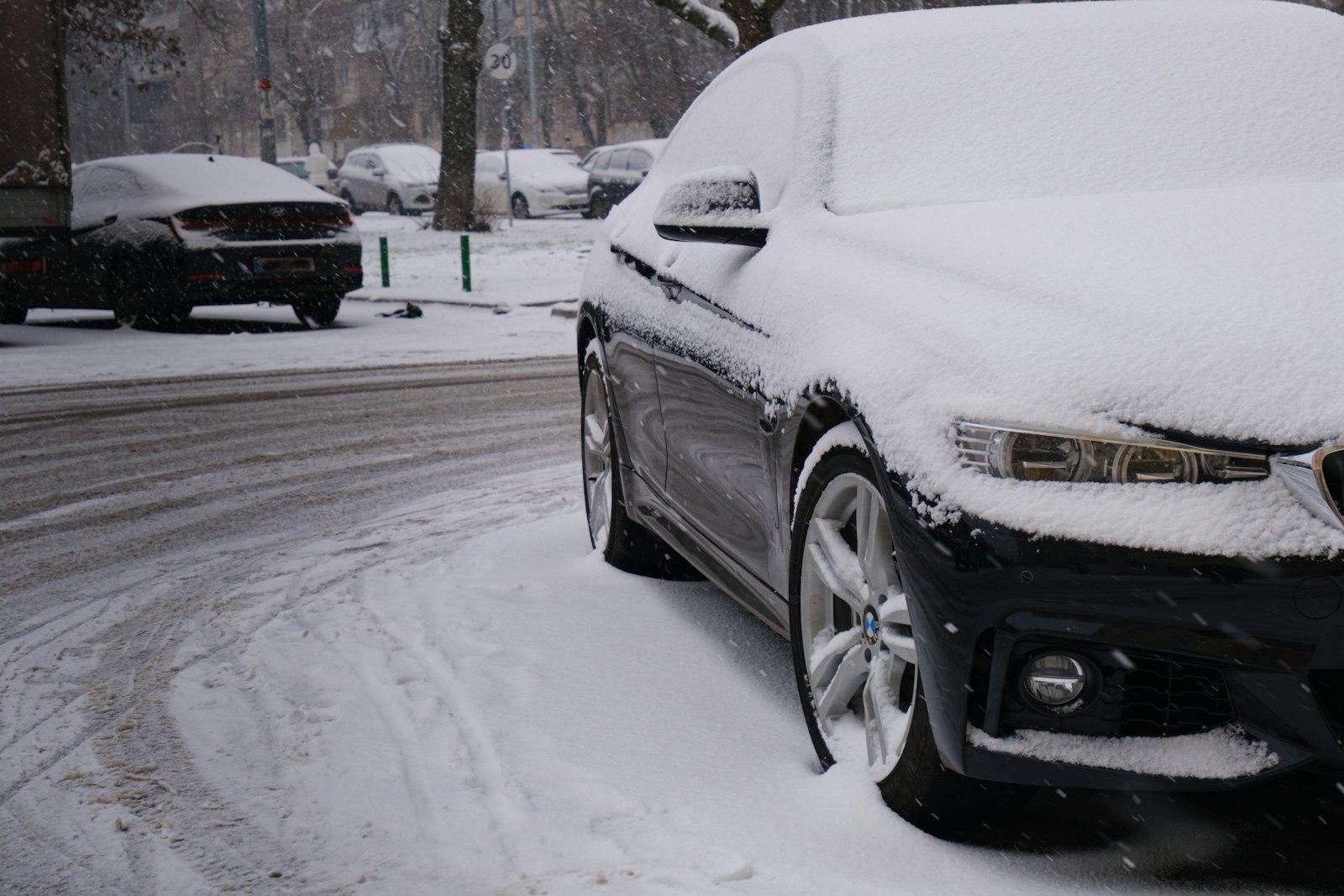
If your arrival coincides with a snowfall, expect a slower drive and a car that has already been cleared and warmed. Chauffeurs start early on snowy mornings and dispatch watches road conditions, so the pickup is still on time even when the highways are not. The drive itself may take 30 to 50 % longer. You do not pay more for the weather: fares are fixed, with no surge. For travellers who have never seen snow, the first walk from the terminal door to the car is a moment worth slowing down for, with good shoes. The snowstorm guide explains what happens behind the scenes.
Students and workers starting out
Many Brazilians arrive in Toronto to study English, attend college or university, or start a job. A first address is often temporary: a homestay, a residence or a short-term rental. Put the exact address and any check-in time in the booking notes, especially if a homestay family expects you at a certain hour. For campuses outside Toronto, such as Waterloo or Guelph, a private car is the most direct option with heavy bags. The international students guide covers campus drop-offs.
Camila, for example, lands from São Paulo at 6:10 a.m. on a January weekday to start a college program and stay with a homestay family in the Annex. She books a business sedan for herself and two large cases, $130–160 before HST, and keeps her coat in her carry-on. She clears immigration and collects her study permit by 7:15 a.m., texts the chauffeur and is on the 427 by 7:25 a.m. The Gardiner is slow, so the chauffeur uses the 401 and Avenue Road instead, and she reaches the homestay at 8:30 a.m., when the family is still home to let her in.
Travelling with children
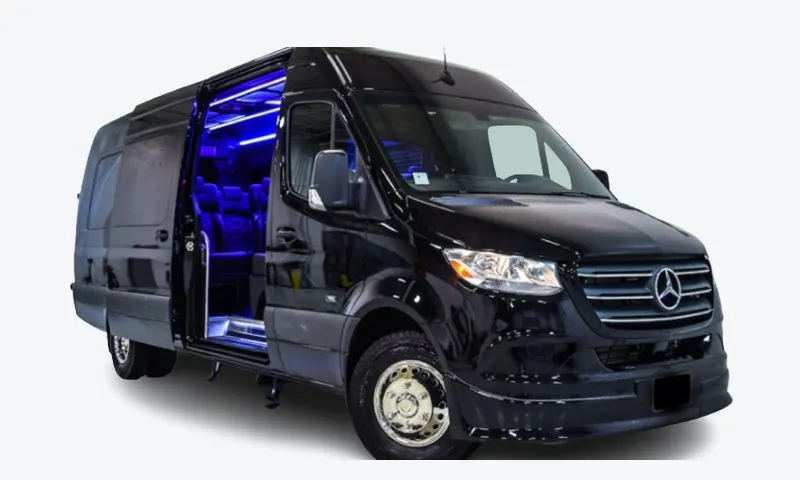
Families relocating from Brazil often travel with young children, a stroller and a car seat or two. Ontario requires the right child seat for a child's age and size, so tell us each child's age and approximate weight at booking; infant, convertible and booster seats are $25 each and fitted before the chauffeur reaches the airport. Count the stroller and any seat you bring as luggage, because a family of four with six cases and a stroller needs an executive SUV or luxury minivan rather than a sedan. If only one parent is travelling with the children, carry a consent letter from the other parent, which border officers may ask to see.
The time difference and the first day
São Paulo is two hours ahead of Toronto in the Canadian winter and one hour ahead in summer, so jet lag is mild. The bigger issue is a night spent sleeping in an aircraft seat. Plan a light first day: a shower, a walk in daylight and an early night. If you have appointments, such as opening a bank account or registering at school, leave them for the afternoon or the next day.
The train, a taxi or a booked car?
Travelling alone with one bag to a downtown hotel near Union Station, the UP Express from Terminal 1 is quick and inexpensive and avoids morning traffic entirely. A taxi from the rank works for short trips but is metered, so the fare rises in a slow rush hour. A booked car is the better choice for families, for anyone with more than two large cases, for destinations outside the core, and for a first arrival when you want someone waiting. The limo, Uber, taxi and UP Express comparison sets out the trade-offs, and the first hour from airport to city guide covers the rest of the morning.
Booking your arrival from Brazil
Book once your flight is confirmed, with the flight number, the passengers and every bag. The reservation engine shows a fixed, all-in fare before you confirm, with 13 % HST separate, and cancellation is free more than 72 hours before pickup. Travellers from elsewhere in Latin America follow a similar path, described in the visiting Toronto from Mexico guide and on the São Paulo arrivals page. Check planning figures on the rates page, then book your Pearson pickup.