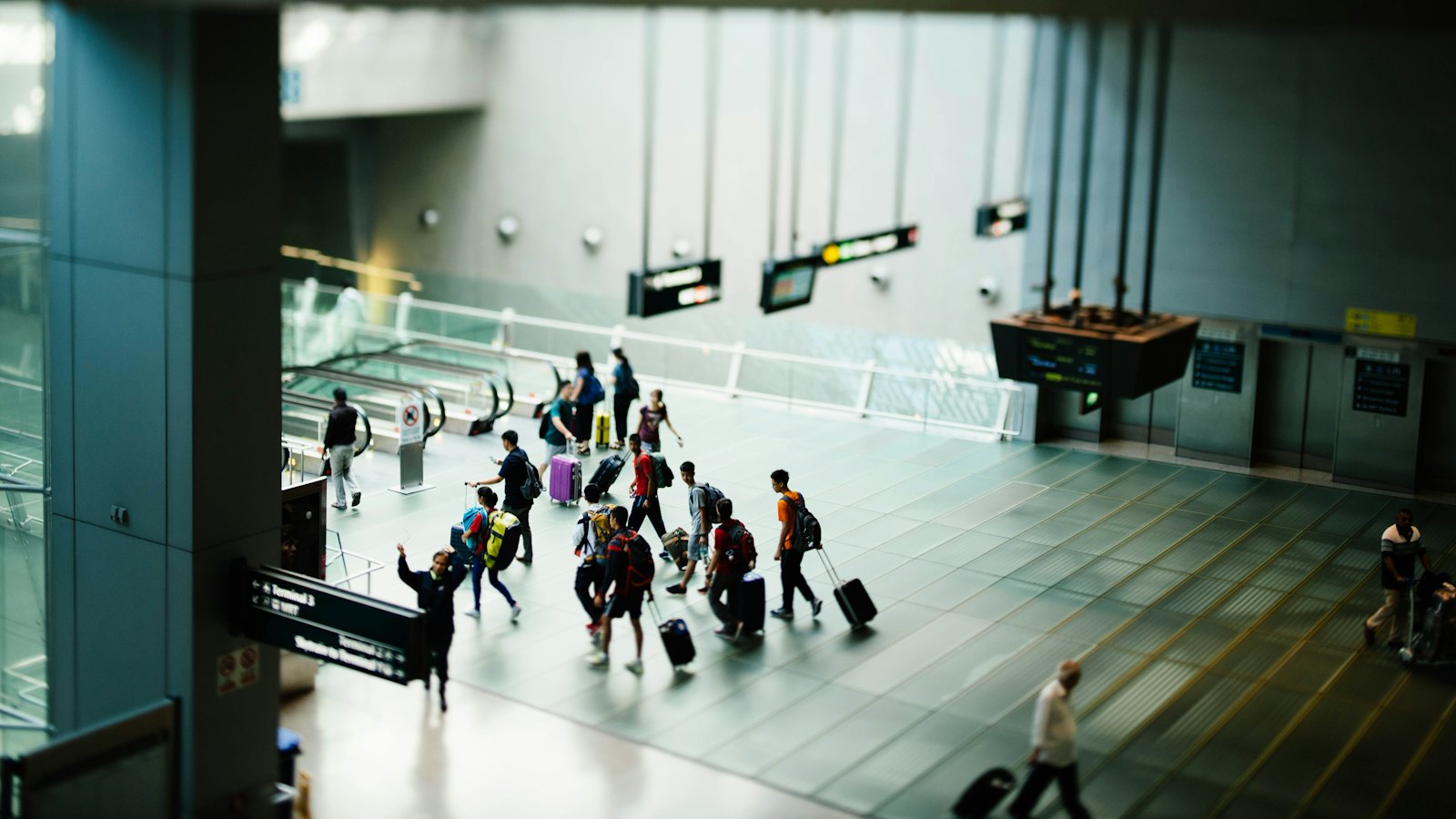











After landing in Toronto you rarely need cash straight away: cards and phone payments work almost everywhere, and the ATMs in the arrivals halls usually give Canadian dollars at better rates than exchange counters. For your phone, the quickest options are an eSIM bought before you fly, roaming from home, or Pearson's free Wi-Fi to message your chauffeur on WhatsApp. For a long stay, a Canadian SIM from a city store is usually better value.
The first hour after a long flight is when tired people make expensive small decisions: changing a few hundred dollars at the first counter they see, buying a SIM card at airport prices, or standing in the arrivals hall unable to reach whoever is supposed to be meeting them. None of it is a disaster, but all of it is avoidable with ten minutes of planning before departure.
This is the practical version: what money you actually need, how to get your phone online, and the order in which to do things between the aircraft door and the car.
Do you need Canadian cash at all?
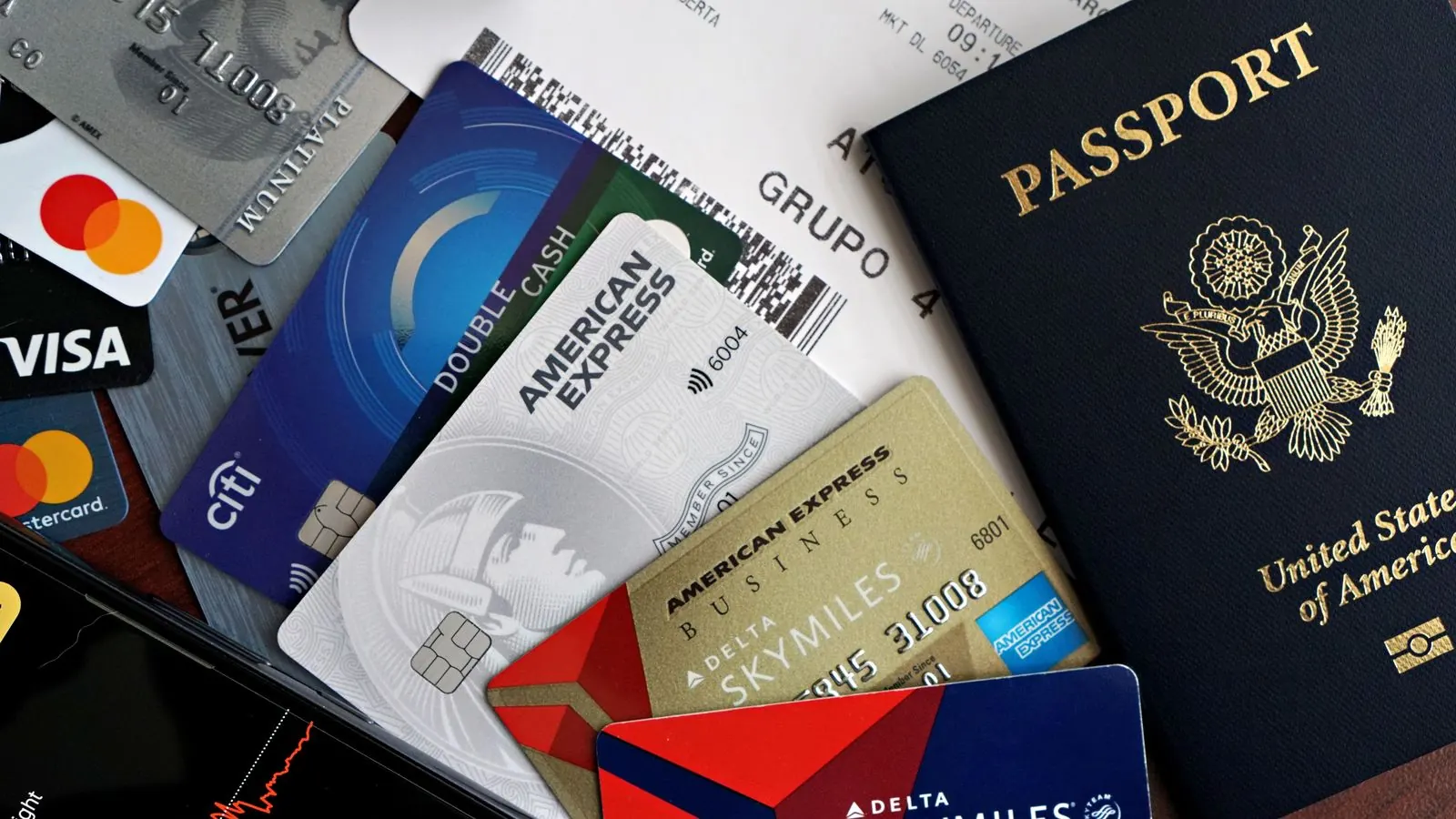
Less than most visitors expect. Toronto is a tap-and-go city: shops, restaurants, taxis, coffee counters and most market stalls take contactless cards and phone wallets, often for very small amounts. Both the TTC and the UP Express accept contactless payment, so you can ride the train or subway without buying a card first; check their sites for the current options. A little cash is still useful for tips in some places, small independent shops and the occasional parking machine. If you have booked a car with us, you need no cash for it at all: the fare was charged to your card at booking and gratuity is already included.
Canadian money in two minutes
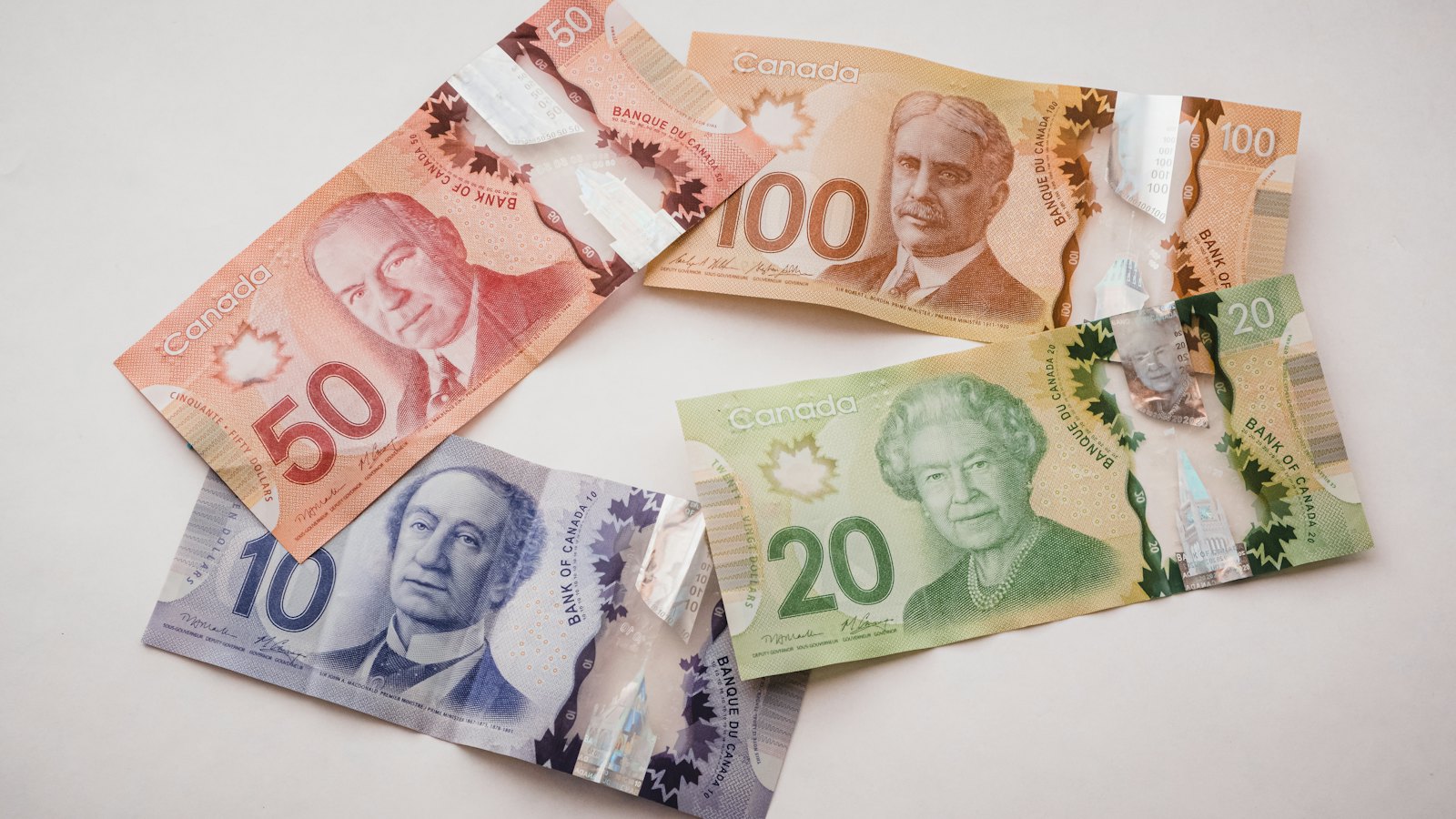
Banknotes come in $5, $10, $20, $50 and $100 and are made of polymer, so they survive the washing machine. Coins are the nickel (5 cents), dime (10 cents), quarter (25 cents), the one-dollar loonie and the two-dollar toonie. There is no penny any more: cash totals are rounded to the nearest five cents, while card payments are charged to the exact cent. Prices on shelves and menus are usually shown before tax, and Ontario's 13 % HST is added at the till, which surprises visitors used to tax-inclusive prices. Tipping in sit-down restaurants is customary and usually added on the card machine.
ATM, exchange counter or card?
| Option | Good for | Watch out for |
|---|---|---|
| Tap your home card | Almost every purchase | Your bank's foreign transaction fee; always choose to pay in Canadian dollars |
| ATM in the arrivals hall | A small amount of cash on landing | Your bank's withdrawal fee; decline any offer to convert at the machine's own rate |
| Airport exchange counter | Changing leftover foreign cash | A wider rate spread than ATMs or banks |
| Bank or exchange office in the city | Larger amounts on a long stay | Opening hours and ID requirements |
| Cash brought from home | Peace of mind on day one | Carrying more than you need |
The single most useful habit is to decline dynamic currency conversion: when a card machine or ATM offers to charge you in your home currency, say no and pay in Canadian dollars. Tell your bank you are travelling before you leave so the first tap in Toronto is not blocked.
Visitors from the United States often ask whether US dollars work. Some tourist businesses accept them, but at their own rate and with change given in Canadian money, so the rate is rarely good. Treat US cash as foreign currency like any other and pay by card instead. Travellers from countries where cards are less common, or whose cards are not accepted abroad, should bring a modest amount of Canadian cash from home or plan an early ATM stop, and keep a second card in a different pocket in case one is declined.
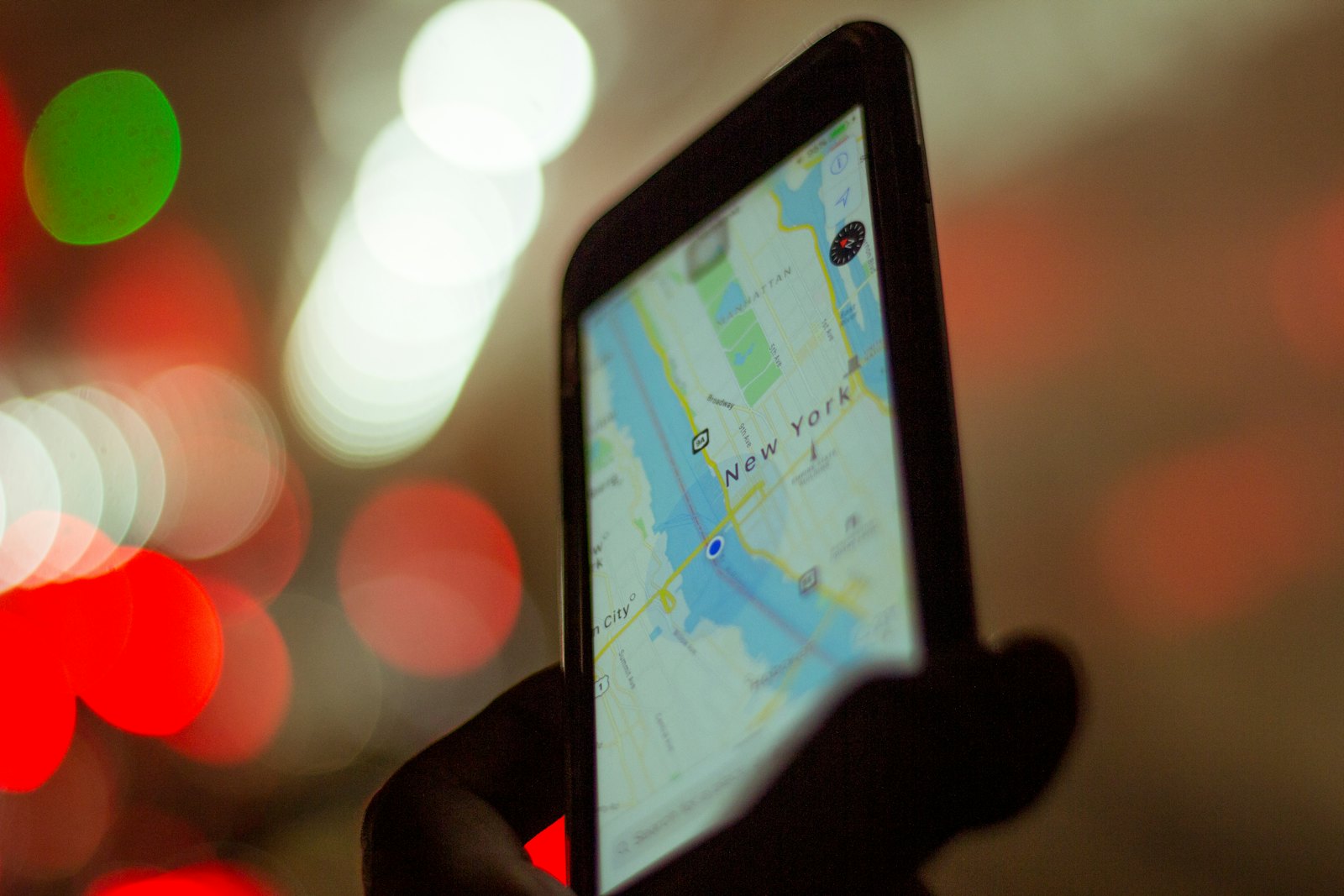
Getting your phone working
There are three realistic routes, and the right one depends on how long you are staying.
- Roaming from home. Simplest, nothing to do on arrival, and some home plans include Canada. Check the daily rate before you fly; for a two-day business trip it is often the sensible choice.
- An eSIM bought before departure. Install it at home, switch it on when you land, and your phone works from the gate. Your phone must support eSIM and be unlocked.
- A Canadian SIM or eSIM. Best value for stays of a few weeks or more. The big three carriers are Rogers, Bell and Telus, with lower-cost brands such as Fido, Koodo, Virgin Plus, Freedom, Public Mobile and Lucky. Airport kiosks are convenient; carrier stores downtown and at the big malls usually have more choice.
Plans and prices change constantly, so compare on the day rather than relying on a figure from a forum. Whichever you choose, keep your home number active for bank verification texts. Dual-SIM phones make this easy: the travel eSIM carries data while the home line stays on for calls and codes.
Pearson Wi-Fi and the message that matters
If you do nothing else, use the airport's free Wi-Fi, described on the Toronto Pearson website. It is enough for WhatsApp, email and maps, and it is how many international travellers send the one message that matters: telling the chauffeur you have your bags. Save the chauffeur's number and the dispatch WhatsApp before you fly, and keep the booking confirmation offline on your phone. Dispatch is reachable 24/7 on (877) 860-3388, by WhatsApp and at [email protected], so you are never stuck if the Wi-Fi drops. Our guide to meeting your chauffeur at arrivals shows where to walk once the message is sent.
Your first hour, step by step
- When the aircraft reaches the gate, switch off flight mode and connect to roaming, your eSIM or the airport Wi-Fi.
- Send a short message: landed, heading to customs. The chauffeur already tracks the flight, but it helps.
- Clear the kiosk or eGate and the officer; our arriving in Canada guide explains the hall.
- Collect bags, then use an ATM in the arrivals area if you want a little cash.
- Message the chauffeur that you have your bags and are walking out.
- Follow the signs to the commercial pickup area, where the car comes to you.
On international flights from outside the US, 60 minutes of waiting from actual landing are included in the fare, so a slow queue at the ATM or a long customs line does not cost extra. On US and domestic flights it is 30 minutes. The Pearson pickup rules guide covers where each kind of ride is allowed to stop.
Staying longer: students and new arrivals
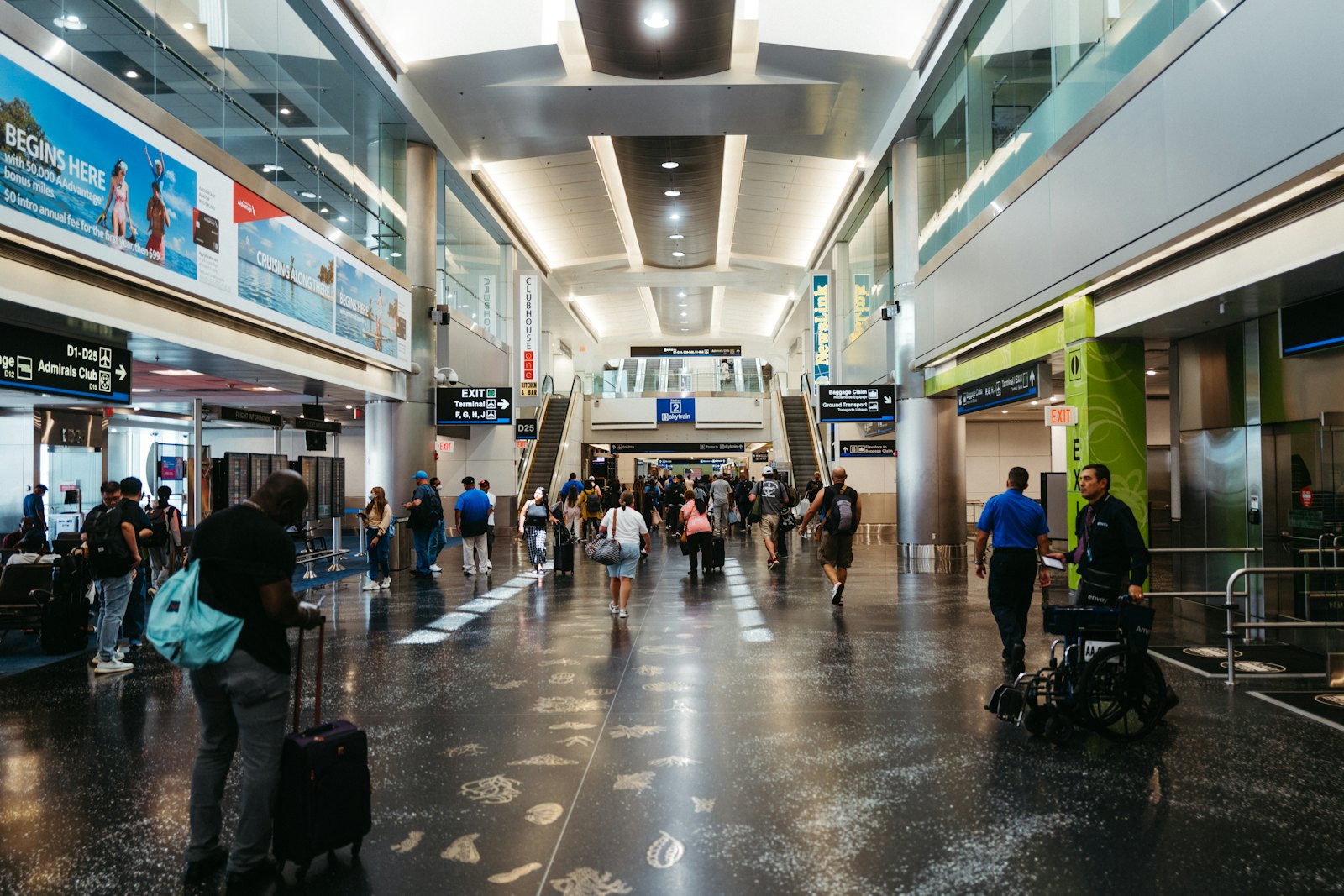
If you are moving to Toronto or starting a course, treat the first hour as temporary. Roaming or an eSIM gets you through the first days; open a Canadian bank account and choose a local phone plan once you have an address and your documents in order. Our post for international students arriving at Pearson covers the first ride to campus, and if you are still sorting out travel documents, see eTA and visa basics. The first arrival guide and our note on the first hour from airport to city look at the journey into town.
Getting around after the first day
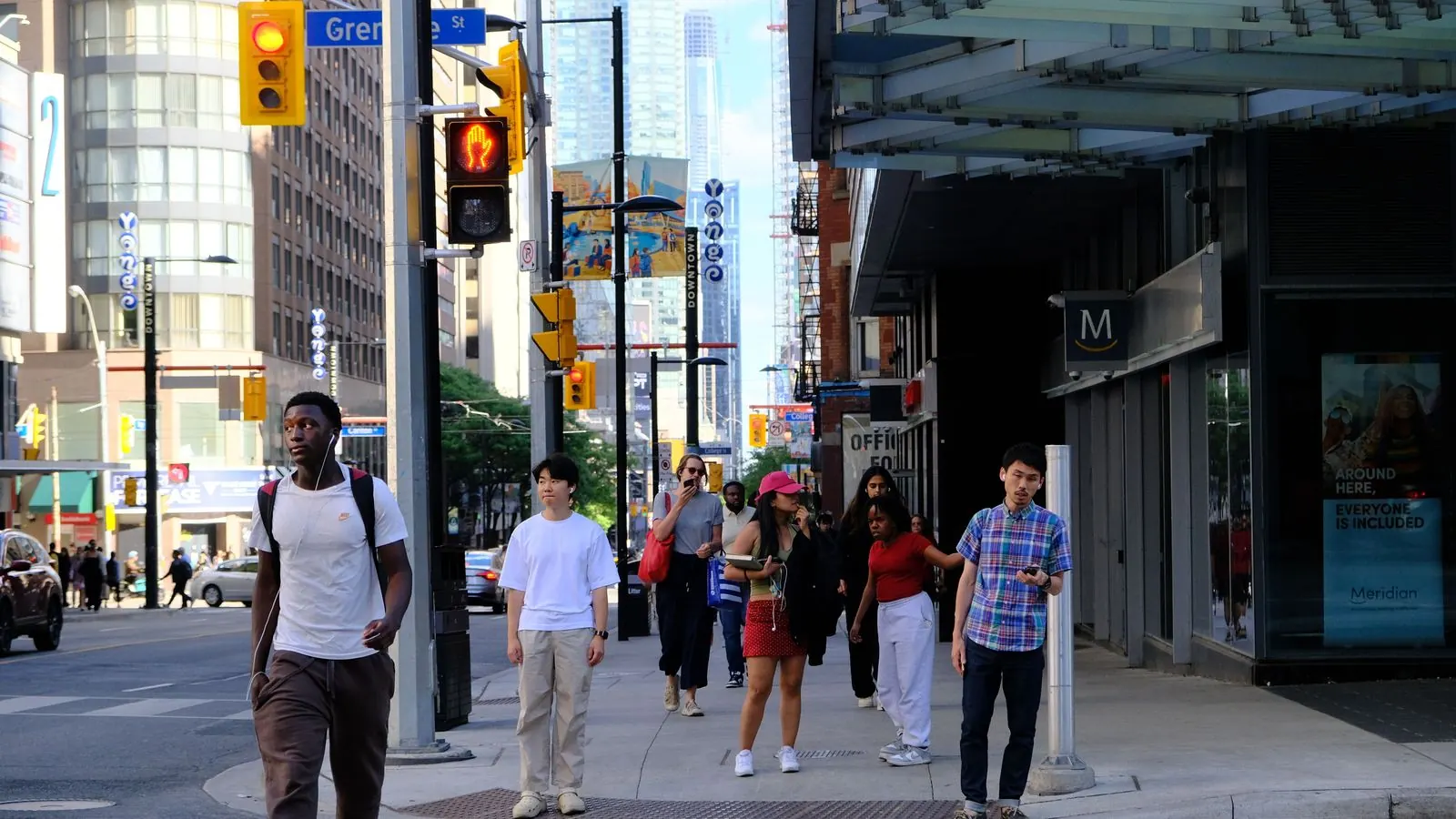
Once your phone works, Toronto is easy to navigate. Map apps handle the subway and streetcar network well, and contactless cards work on the TTC. Downtown is walkable, and the PATH underground walkway links many buildings near Union Station in winter. Our first-time visitor's guide covers neighbourhoods and transport, and the downtown Toronto page covers rides between the core and Pearson when you leave.
A worked example: a consultant from Frankfurt
Katrin is flying from Frankfurt for four days of client meetings in the Financial District. The evening before, she buys and installs a travel eSIM and saves the dispatch WhatsApp number. Her flight reaches Terminal 1 at 3:40 p.m.; by the time she is at the jet bridge her phone is online and she sends a two-word message. She clears the eGate, collects one case, takes $60 from an ATM for small tips and a coffee, and messages again. Eight minutes later she is in a business sedan on the 427, in the $130–160 planning range for downtown before HST, already paid. The receipt shows the fare and HST on separate lines, which is what her expense system wants; our note on HST on airport fares explains why. The Frankfurt arrival guide covers the flight itself.
Book the car before you fly
A booked car removes the money question from the first hour completely: the fixed fare includes the chauffeur, fuel, tolls, the airport pickup fee, parking, flight tracking and gratuity, and is charged by card at booking. Our breakdown of what a flat-rate fare includes goes line by line, and the rates page lists planning fares across the GTA. If you would rather not depend on your phone at all, add meet and greet (planning figure $150) and the chauffeur will be inside the arrivals hall with your name on a board. Book at the reservation engine with your flight number.