









Ontario has no single chauffeur licence. A professional chauffeur needs the right provincial driver's licence class for the vehicle, a vehicle-for-hire or limousine licence where the city requires one, permission to pick up at airports such as Pearson, and commercial passenger insurance. Vehicles built for ten or more passengers add commercial licence classes and operator registration. Ask any company to confirm each layer in writing.
"Fully licensed" appears on almost every limousine website in Ontario, and it rarely says what it means. That matters, because the word covers several separate permissions issued by different bodies, and a company can hold one while lacking another. A passenger who knows the layers can ask better questions in two minutes than most people ask in a lifetime of booking cars.
This post from the dispatch desk explains each layer in plain terms: the driver's licence class, city licensing, airport permits, insurance and the extra rules for larger vehicles. It is a general guide, not legal advice, and the rules themselves change, so we point to the official sources for the current detail.
Is there a chauffeur licence in Ontario?
Not as a single document. Some places issue one card called a chauffeur's licence; Ontario does not. Instead, a professional chauffeur in Ontario works under a stack of permissions: a provincial driver's licence of the right class, a municipal licence where the city regulates vehicles for hire, permission from the airport authority to pick up passengers commercially, and insurance written for carrying paying passengers. For vehicles built to carry ten or more people, the stack gets taller. Each layer is checked by someone different, which is why it is worth asking about each one rather than accepting a general claim.
The driver's licence class
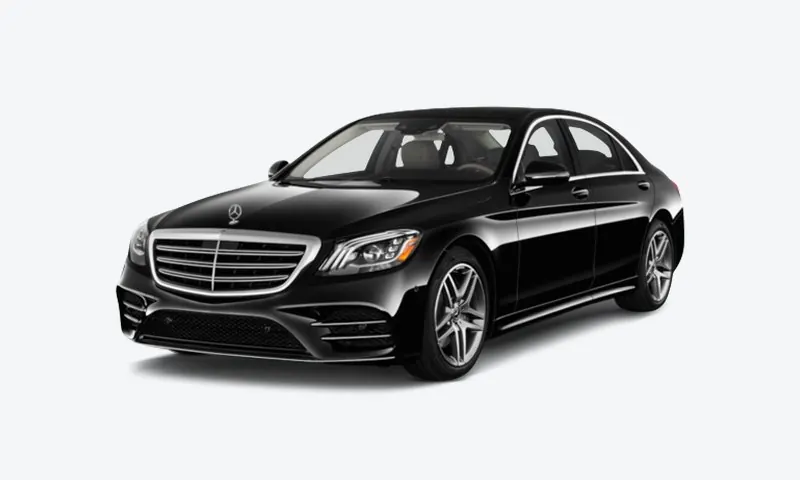
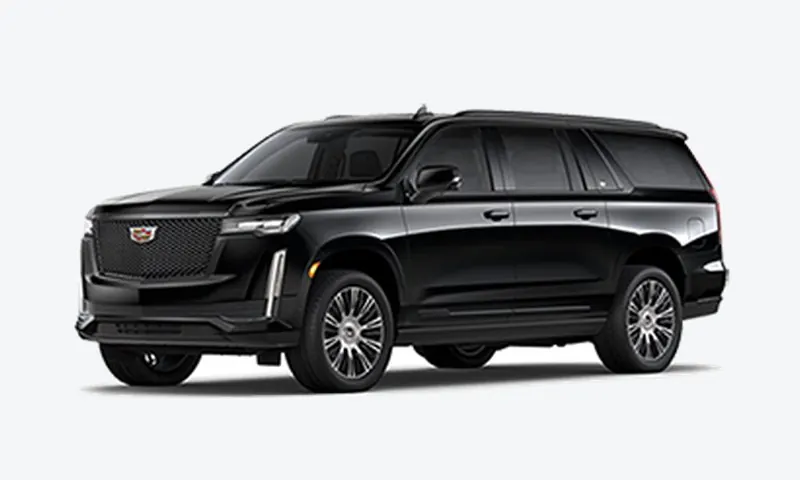
For sedans, SUVs and minivans, the base requirement is a full Ontario Class G licence, the same class most drivers hold. The difference with a professional is the record behind it: responsible operators look at a driver's abstract, which shows convictions and suspensions, before hiring and at regular intervals afterwards.
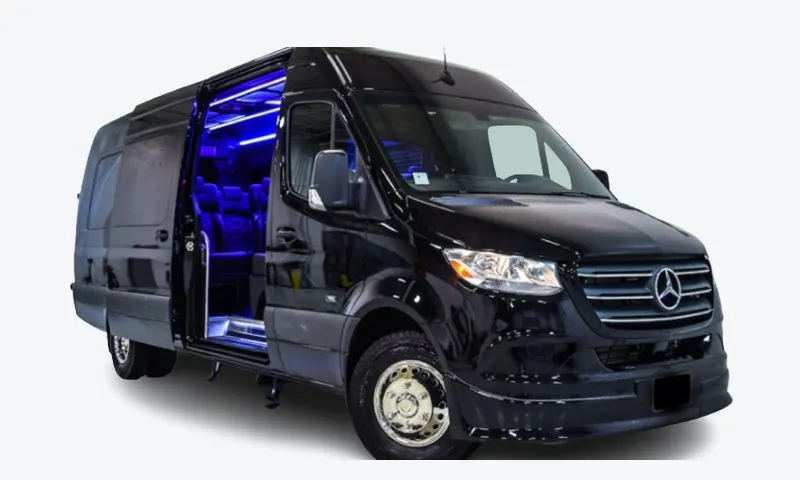
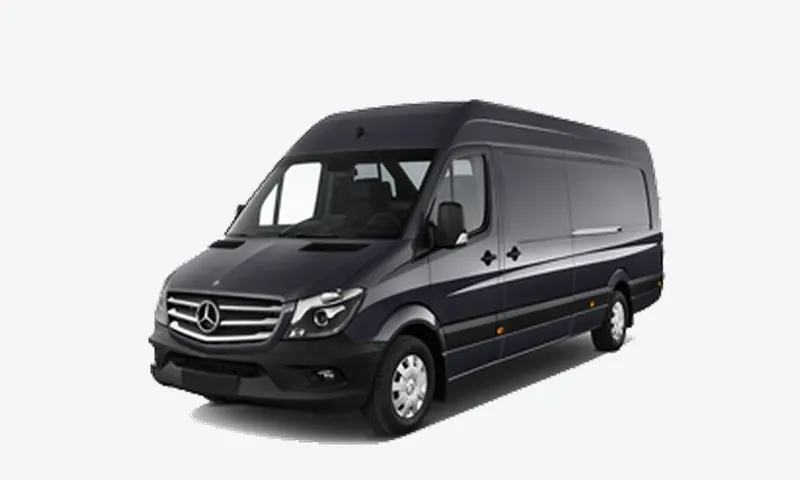
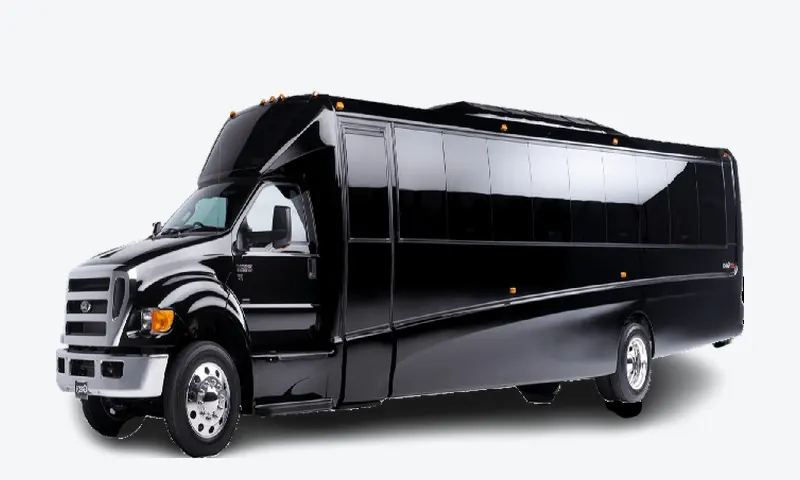
Larger vehicles are different. Under Ontario's rules, a vehicle designed to carry ten or more passengers is generally treated as a bus when it carries people, and driving one requires a commercial licence class, such as Class F for smaller buses, with its own knowledge test, road test and medical requirements. That is why a 14-passenger executive Sprinter is not something any G-licence holder can legally drive with a group on board. The Ministry of Transportation sets out the classes and their conditions on ontario.ca, and that is the place to check the current detail.
City licensing for limousines and vehicles for hire
Ontario leaves much of the regulation of vehicles for hire to municipalities. Toronto, Mississauga and other GTA cities each have bylaws covering limousines, taxis and similar services, and they typically license the business, the vehicle, the driver, or some combination. Requirements commonly include a criminal record check, a driving record, a vehicle inspection and proof of commercial insurance, sometimes with training as well. The details differ from city to city and are revised from time to time, so the current Toronto rules are best checked on the City of Toronto's site. What matters to you is simpler: a company should be able to tell you which municipality licenses it, and the answer should come without hesitation.

Airport permits at Pearson
Pearson is run by its airport authority, which controls who may pick up passengers commercially on its property. Pre-arranged limousine and car services operate under the airport's rules and pay commercial fees for the privilege; on our bookings those airport fees and parking are already inside the fare. One practical consequence: a person who approaches you inside the arrivals hall offering a ride is not part of that system, and you should decline. Your chauffeur will be at the pre-arranged pickup area, or inside with a name board if you booked meet and greet. Toronto Pearson's site explains the authorized ground transportation options, and our guide to Pearson pickup rules and waiting areas shows where each kind of ride meets you.
Commercial insurance: the layer you cannot see
A personal auto policy is written for driving yourself and your family, not for carrying paying passengers. Commercial passenger insurance is the policy that responds if something goes wrong on a hired trip, and it is the layer passengers most often assume and least often check. Our chauffeurs carry commercial passenger insurance and the licensing required where they operate. If you are booking any operator for the first time, ask what kind of policy covers the trip and what the liability limit is; a serious company answers with a figure. Our post on limo insurance and safety checks lists the questions in full.
Larger vehicles: operator registration and inspections
Once a vehicle is large enough to count as a bus, the operator generally needs a Commercial Vehicle Operator's Registration, known as a CVOR, which lets the province track its safety record, collisions and inspection results. Buses are also subject to more frequent mechanical safety inspections than private cars. This matters most for party buses, limo buses and coaches, where the passenger count is high and the evening often runs late. Those vehicles come to our clients through vetted partner fleets, and a coordinator plans the trip and confirms the details in writing; the party bus and limo bus page explains how that works.
How rideshare differs
Rideshare drivers in Toronto operate legally under the city's vehicle-for-hire rules, using their own cars and insurance arranged for app-based trips. It is a different model from a pre-booked chauffeur service rather than a lesser version of it: the app assigns the nearest available driver at a price set at the moment, while a chauffeur service assigns a named driver and vehicle in advance at a fixed fare. Both can be the right choice. Our guide comparing limo, Uber, taxi and UP Express sets out when each one makes sense, and taxi versus limo in Toronto covers the licensing difference between the two.
Beyond the paperwork
A licence sets a minimum. What you actually notice as a passenger is everything above it: a chauffeur who has checked the flight before leaving, knows the difference between the Terminal 1 and Terminal 3 curbs, drives smoothly in a February squall and keeps what is said in the car to themselves. None of that is printed on a licence card. You can read how we think about the role on our chauffeurs page, and two posts show it in practice: what a chauffeur does in a snowstorm and privacy and discretion with a chauffeur.

Crossing the border with a chauffeur
We drive to Buffalo, Niagara Falls NY, Detroit and New York City, and cross-border work adds requirements on the US side for the operator and the vehicle. For passengers, the part that matters is documents: every person in the car needs valid identification for entry to the United States and for re-entry to Canada, and the chauffeur cannot help anyone who arrives at the booth without them. Our post on crossing the US border by car covers what to bring, and the cross-border limo page explains the service.
A worked example: an executive assistant vets a new supplier
An executive assistant at a Bay Street firm is asked to book cars for a visiting CEO and three board members, including a Sprinter for a site visit. Before approving any company, she sends five questions by email and expects written answers. The table shows what she is looking for.
| Question | A good answer | A warning sign |
|---|---|---|
| Which municipality licenses you? | Names the city and the licence type | "We are fully licensed" and nothing more |
| What insurance covers the trip? | Commercial passenger policy, with a liability figure | Vague reference to "full coverage" |
| Can you pick up at Pearson? | Explains the pre-arranged pickup area and fees | Suggests meeting at departures to avoid fees |
| Who drives the Sprinter? | A driver with the commercial licence class it requires | "Any of our drivers can take it" |
| Will you confirm in writing? | Written confirmation with vehicle, time and fare | A phone call and a cash price |
The answers take a reputable company five minutes to write. For accounts, our corporate accounts post and the corporate page show how monthly invoicing works after approval.
Booking with a licensed chauffeur
Every booking through our reservation engine shows the vehicle class and the fixed all-in fare before you confirm, with HST shown separately, and the confirmation arrives in writing. If you need anything confirmed for a procurement file, such as licensing or insurance details, email [email protected] or call dispatch on (877) 860-3388 before you book, and we will answer in writing.