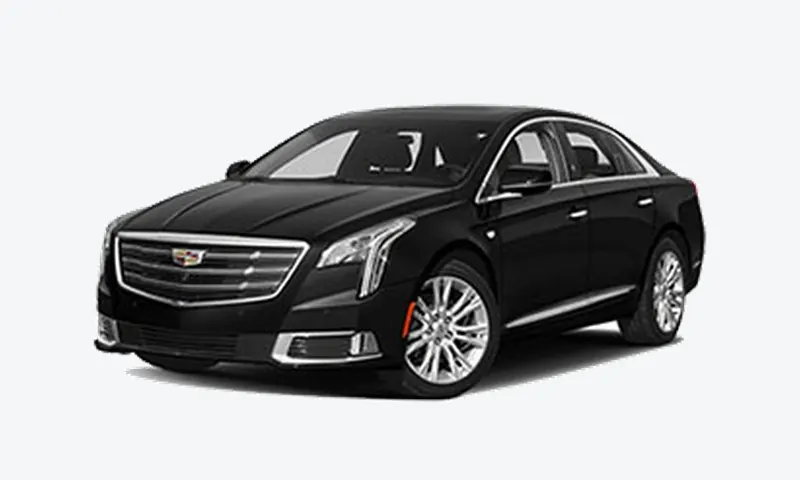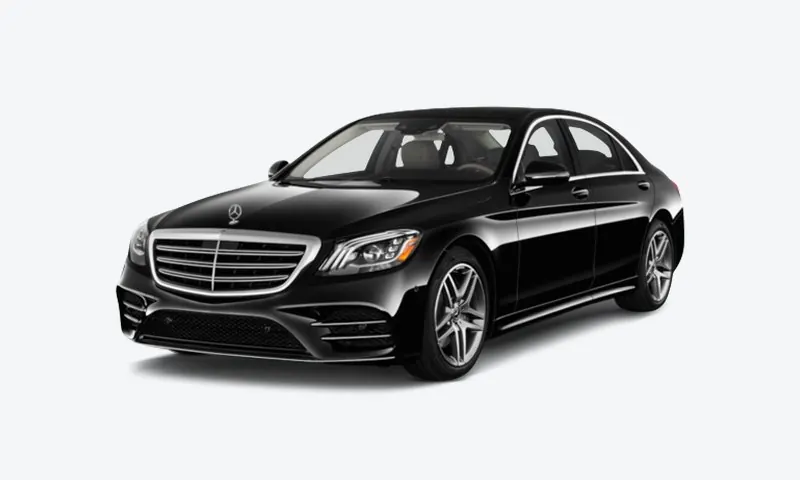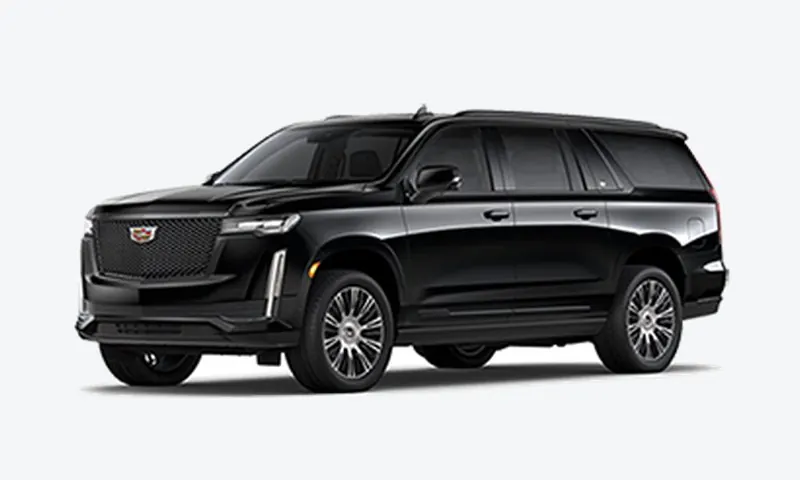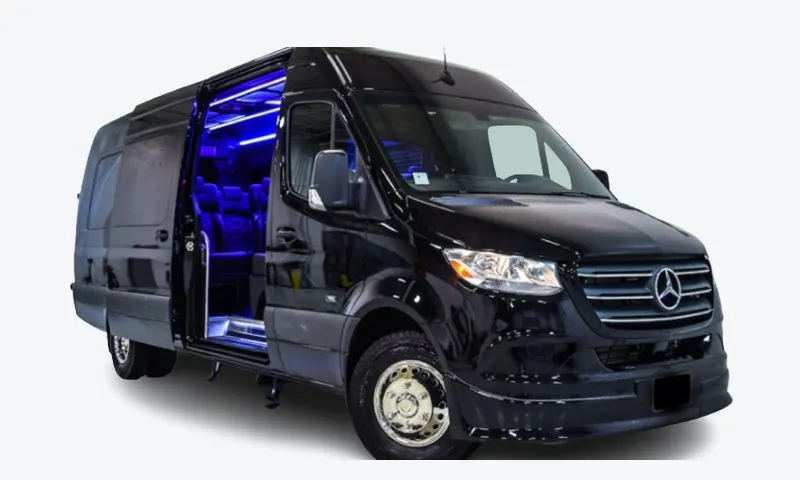










Good corporate gala transport in Toronto staggers arrivals over a 30 to 45 minute window, keeps hourly cars staged near the venue rather than at the door, and settles the departure plan before the evening begins. Use hourly sedans for VIPs, Sprinter loops for hotel guests and fixed-fare transfers for airport arrivals and suburban guests. Fares are fixed, with no surge for weather or the crowd leaving at once.
A gala is remembered for its speeches and its room, but guests form their first impression on the sidewalk. If forty cars arrive at the same door at 6:55 p.m., the red carpet becomes a queue, the honouree sits in traffic on Front Street and the photographer shoots taillights. Transport for a corporate evening is a small logistics project with a fixed start time, and it rewards the same planning a venue manager gives the seating chart.
This guide is for the planner or executive assistant who has been handed the cars: which booking suits which guest, how to keep the curb moving, and why the end of the night is where most plans fail.
What gala transport has to get right
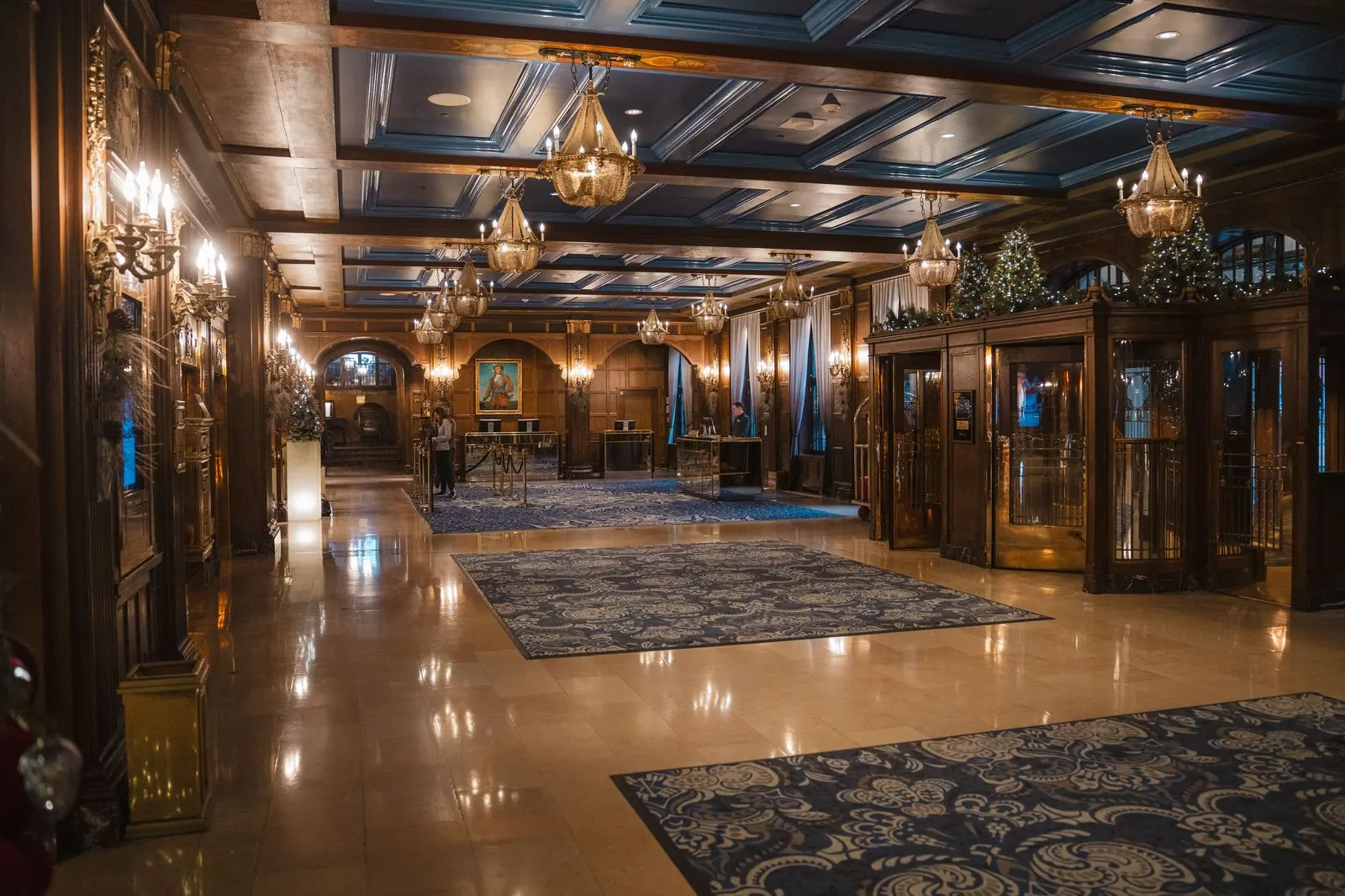
Three things matter more than the badge on the bonnet. First, arrivals spread across a window instead of bunching at the published start time. Second, a clear plan for where vehicles wait, because most downtown venues, from the Fairmont Royal York to The Carlu, have no room for a row of idling cars at the door. Third, a departure plan that does not depend on guests finding their own ride at 11:30 p.m., when every rideshare app in the core shows a surge. Everything else, from vehicle colour to bottled water, is detail.
Point-to-point, hourly or a shuttle loop?
Most events use a mix. A point-to-point booking takes one guest or party from one address to another at a fixed fare, with 15 minutes of waiting included at a non-airport pickup. An hourly booking keeps a car and chauffeur with you for a block of time, which suits a speaker who arrives at 5 p.m. and leaves at midnight. A shuttle loop uses a Sprinter on an hourly booking to run guests between hotels and the venue on a timetable. The hourly versus flat rate comparison explains the arithmetic in more detail.
| Vehicle | Seats and bags | Hourly planning rate, before HST | Best gala use |
|---|---|---|---|
| Business sedan | 3 + 3 | $130–150, 3 h minimum | Executives, board members, a speaker |
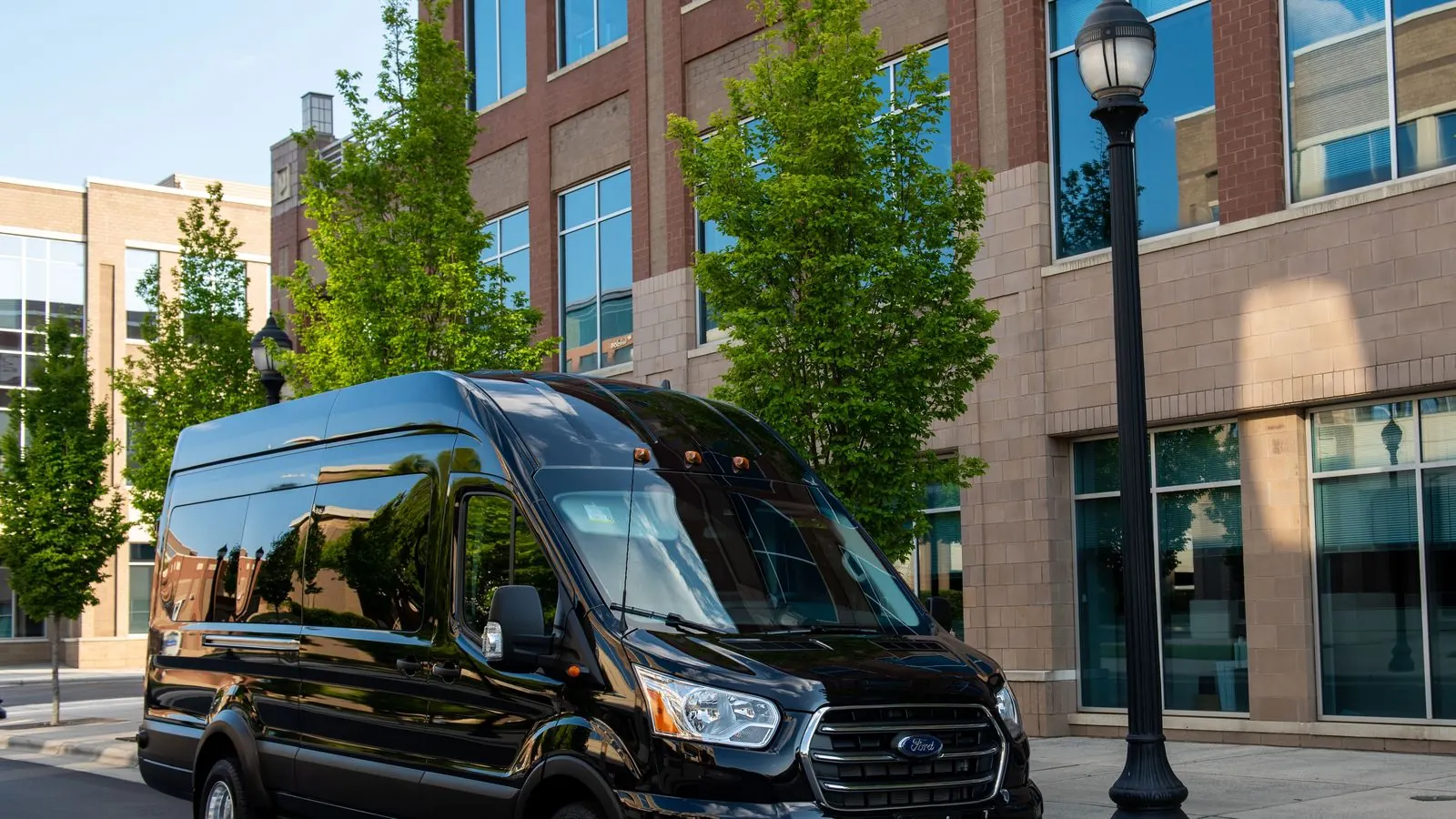
| Executive SUV or luxury minivan | 6 + 6 | $160–190, 3 h minimum | A table of guests travelling together, gowns that need legroom |
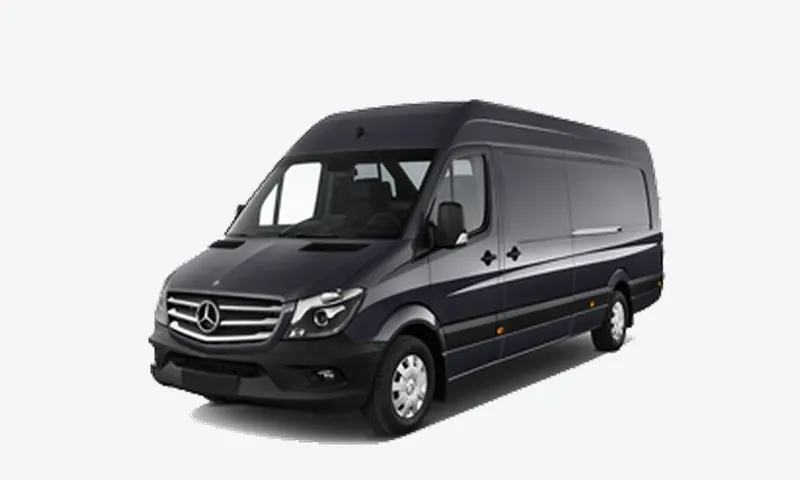
| Executive Sprinter | 14 + 14 | $225–270, 3 h minimum | Hotel shuttle loops, staff teams |
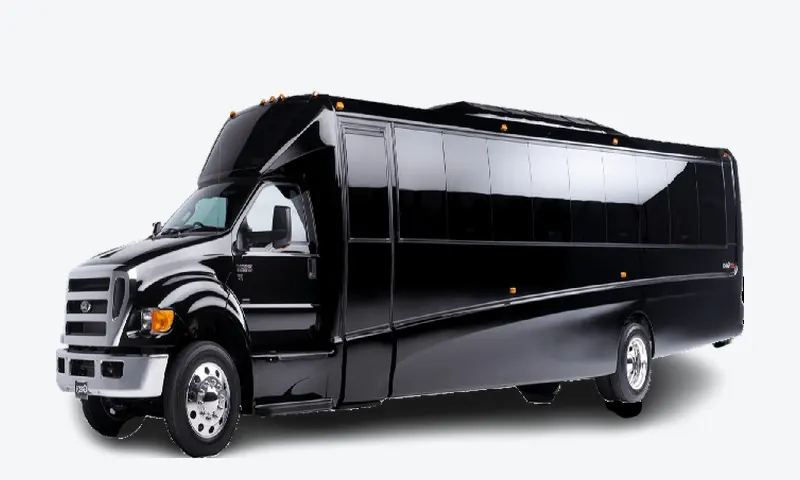
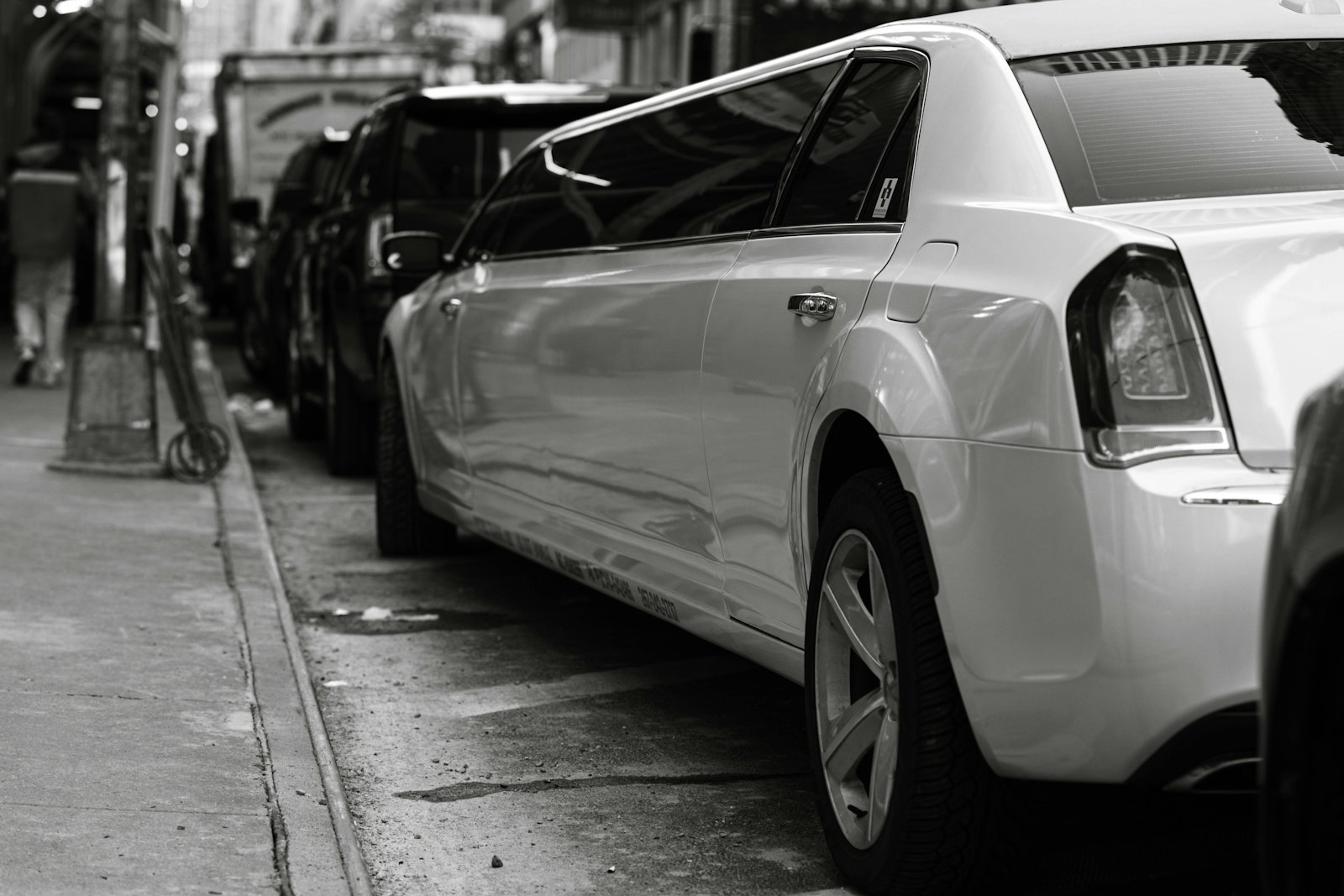
| Stretch limousine (partner fleet) | 8 to 10 seats | $225–330, 4 h minimum | A photo arrival for award winners |
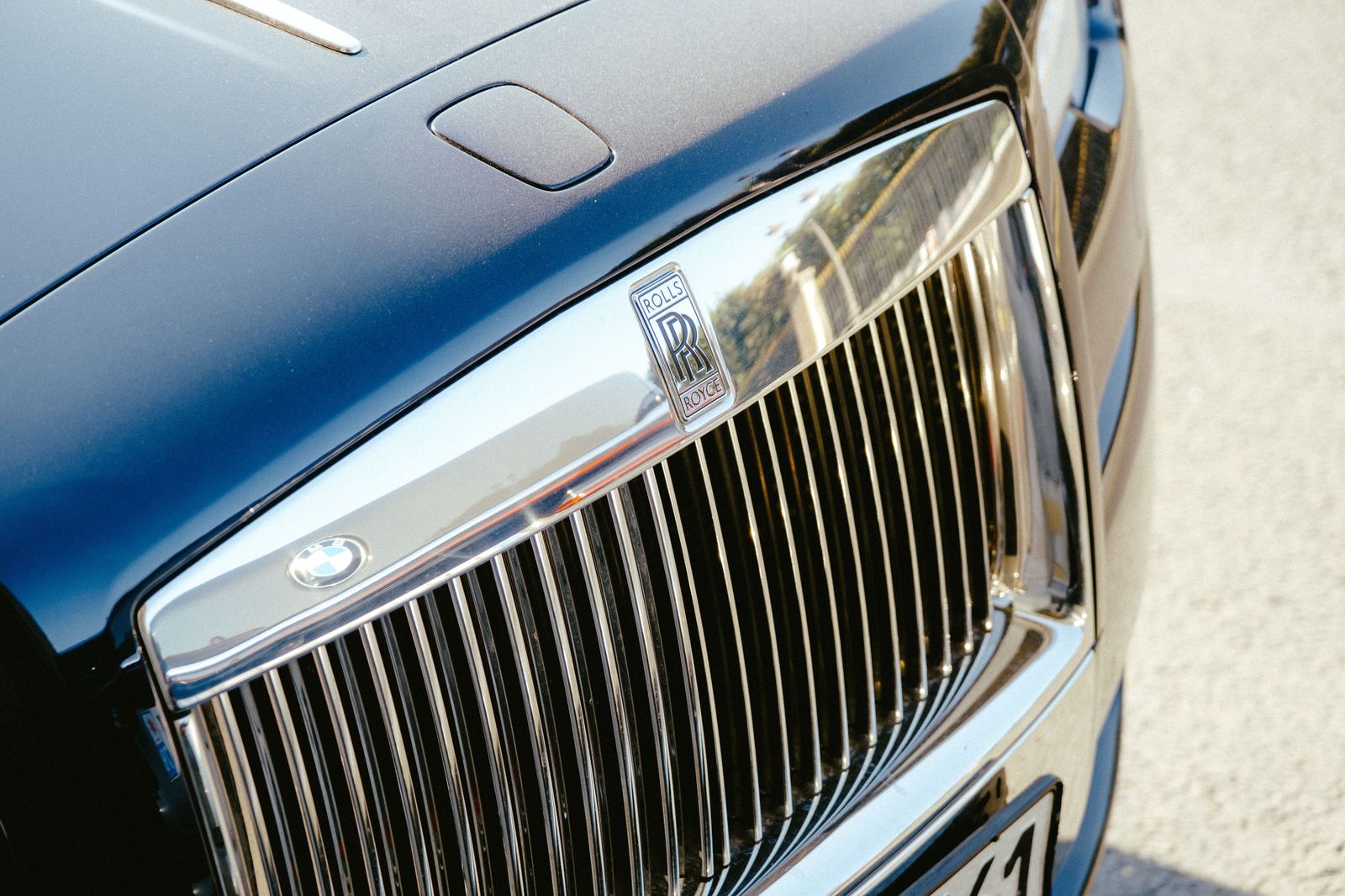
| Rolls-Royce or Maybach (partner fleet) | A small party | from $525, 3 h minimum | The honouree or guest of honour |
Partner-fleet vehicles such as a stretch limousine are planned by a coordinator who confirms them in writing. If you are unsure which mix fits, the sedan, SUV or Sprinter guide walks through capacity, and the fleet page shows each vehicle.
Staggering arrivals so the curb never jams
A single drop-off lane clears roughly one car a minute when everything goes well, and far fewer when guests pause for photos or a door sticks. Twenty cars timed for 6:30 p.m. take twenty minutes to unload, and the last guests circle the block. The fix is a staged window. Put VIPs and honourees at the front, ten minutes before doors, so they are inside before the crowd. Run shuttles in waves 15 minutes apart. Give individual cars pickup times based on distance, so a guest in Oakville and a guest at a Bay Street hotel do not converge at the same moment.
Share a short run sheet with dispatch listing every booked car, the passenger, the pickup time and the target arrival. Dispatch then adjusts pickup times for live traffic on the Gardiner, the DVP or the 401, and tells chauffeurs which entrance the venue prefers for a cluster of arrivals.
Where the cars wait while the speeches run
Hourly cars do not sit at the door for four hours. Venues rarely allow it, and a line of black cars blocking a hotel entrance makes the doorman's evening worse. Chauffeurs stage nearby instead: a side street, a hotel's commercial lot, or a paid lot a few minutes away. They stay reachable by phone, so when the host signals that the speeches are ending, the cars roll up in the agreed order. Exhibition Place venues have more room to stage than the Financial District.
Tell dispatch who should give the signal to leave. A single contact, usually the planner or an assistant holding the run sheet, stops five guests texting five chauffeurs at once.
Bringing in guests from hotels and Pearson
Out-of-town guests often land on the afternoon of the event, which is the busiest window at Pearson and on the highways. Book their airport pickups as separate transfers with flight numbers, so chauffeurs track each flight and adjust to delays. A domestic or US arrival includes 30 minutes of waiting from actual landing; an international arrival from outside the US includes 60. For planning, a business sedan from Pearson to downtown runs $130–160 before HST and an executive SUV $165–205; the Pearson to downtown route page compares that with the UP Express. If several guests land within an hour of each other, one SUV or Sprinter collecting them together costs less per person, as the group transfer cost guide shows.
Leave a buffer. A guest who lands at 4:30 p.m. still has to clear the airport, drive into the core at rush hour, check in and change. Landing after 4 p.m. for a 6:30 p.m. reception is tight; landing after 5 p.m. usually means arriving late.
Speakers, honourees and VIP cars
The keynote speaker, the award recipient and the chief executive deserve their own cars on hourly bookings, so a vehicle is ready the moment they want to leave. If discretion matters, ask for no company name on any board and no details shared beyond the chauffeur; the privacy and discretion guide explains how confidential trips are handled. For a speaker with several stops before the gala, such as a media interview and a client lunch, the same car can run the whole day, much like a roadshow day with a chauffeur.
Rain, snow and a closed Gardiner
Toronto's gala season runs from late autumn into spring, so rain, sleet or snow on the night is likely. Drop-offs slow down as guests in evening wear step carefully, and drive times stretch. Dispatch checks Environment Canada forecasts and Ontario 511 through the afternoon and moves pickup times earlier when needed; on a snowy night, 15 to 20 minutes earlier is common. Fares do not change with the weather: every fare is fixed and there is no surge.
Planned closures are the other risk. The Gardiner and the DVP close for maintenance on some weekends, and downtown streets close for parades, races and film shoots. Check the City of Toronto road restriction notices the week before, and pass any venue access instructions to dispatch. On a wet evening, ask the venue whether a covered entrance or canopy is available; a ten-metre walk in the rain matters when guests are dressed for a ballroom. The snowstorm guide covers what chauffeurs do on the worst nights.

The end of the night is the hard part
Arrivals spread over an hour; departures happen in ten minutes, when two hundred guests walk out together. Decide in advance who gets a car home. Common approaches are hourly cars for VIPs, a final Sprinter loop back to the hotels, and pre-booked point-to-point rides for guests heading to the suburbs. A guest going home to Markham, Burlington or Pickering is better served by a booked car than by waiting for a taxi on Front Street; the reservation engine quotes a fixed fare for trips like these, and it does not rise because the event ends at the same time as a game at Scotiabank Arena.
Give departure cars a clear pickup point and tell guests which door the shuttles leave from before dessert.
Billing, receipts and the guest list
For a company event, one account should pay for everything. Corporate accounts are invoiced monthly after approval, and every receipt shows the fare, any add-ons and HST separately, which makes it simple to allocate costs to an event code. The corporate billing guide explains how to set one up, and the corporate car service page covers account options. Put the event name or cost centre in each booking's notes. If a guest drops out, change the booking early: cancellation is free more than 72 hours before pickup, then 10 % at 72 hours or less, 50 % at 48 hours or less and 100 % at 24 hours or less. Changes to times, addresses or vehicles are free when they can be accommodated.
A worked example: an awards night for 180 guests
An engineering firm holds its annual awards at Liberty Grand on a Friday in November. Most of the 180 guests live in the GTA and arrive on their own, but 26 staff from the Ottawa and Calgary offices stay at a hotel near Union Station, the keynote speaker flies in from Vancouver, and the chief executive and two board members want cars for the evening.
| Time | Vehicle | What happens |
|---|---|---|
| 3:40 p.m. | First-class sedan | Speaker lands at Pearson; flight tracked, 30 minutes of waiting included |
| 5:00 p.m. | Business sedan, hourly | Speaker's evening car starts at the hotel |
| 5:30 p.m. | Two Sprinters, hourly | All 26 staff leave the hotel in one wave |
| 5:45 p.m. | Three business sedans, hourly | Chief executive and board members collected |
| 6:00 p.m. | All cars | Arrivals complete; cars stage on the grounds |
| 10:45 p.m. | All cars | Host gives the signal; cars roll up in order |
| 11:15 p.m. | Two Sprinters | Final loop to the hotel; sedans take the executives home |
In planning figures before HST, the speaker's first-class sedan from Pearson is $295–360. Each Sprinter held from 5:30 p.m. to 11:30 p.m. is six hours at $225–270, or $1,350–1,620. Each business sedan held for six hours is $780–900. Releasing the Sprinters after arrivals and booking a second block would not save money, because two three-hour minimums add up to the same six hours.
Booking gala transport
Start four to six weeks ahead for a large event, and earlier for December, when holiday parties keep large vans busy. Send dispatch the date, venue, guest numbers by group, flight numbers for anyone landing that day and the window in which you want arrivals to happen. Individual cars and airport transfers can be booked directly in the reservation engine, which shows the fixed fare before you confirm; for a larger mix of vehicles, call (877) 860-3388 or email [email protected] and a coordinator will build the run sheet with you. The corporate events and galas page has more examples, the rates page lists planning figures, and when the plan is set you can book the cars online.