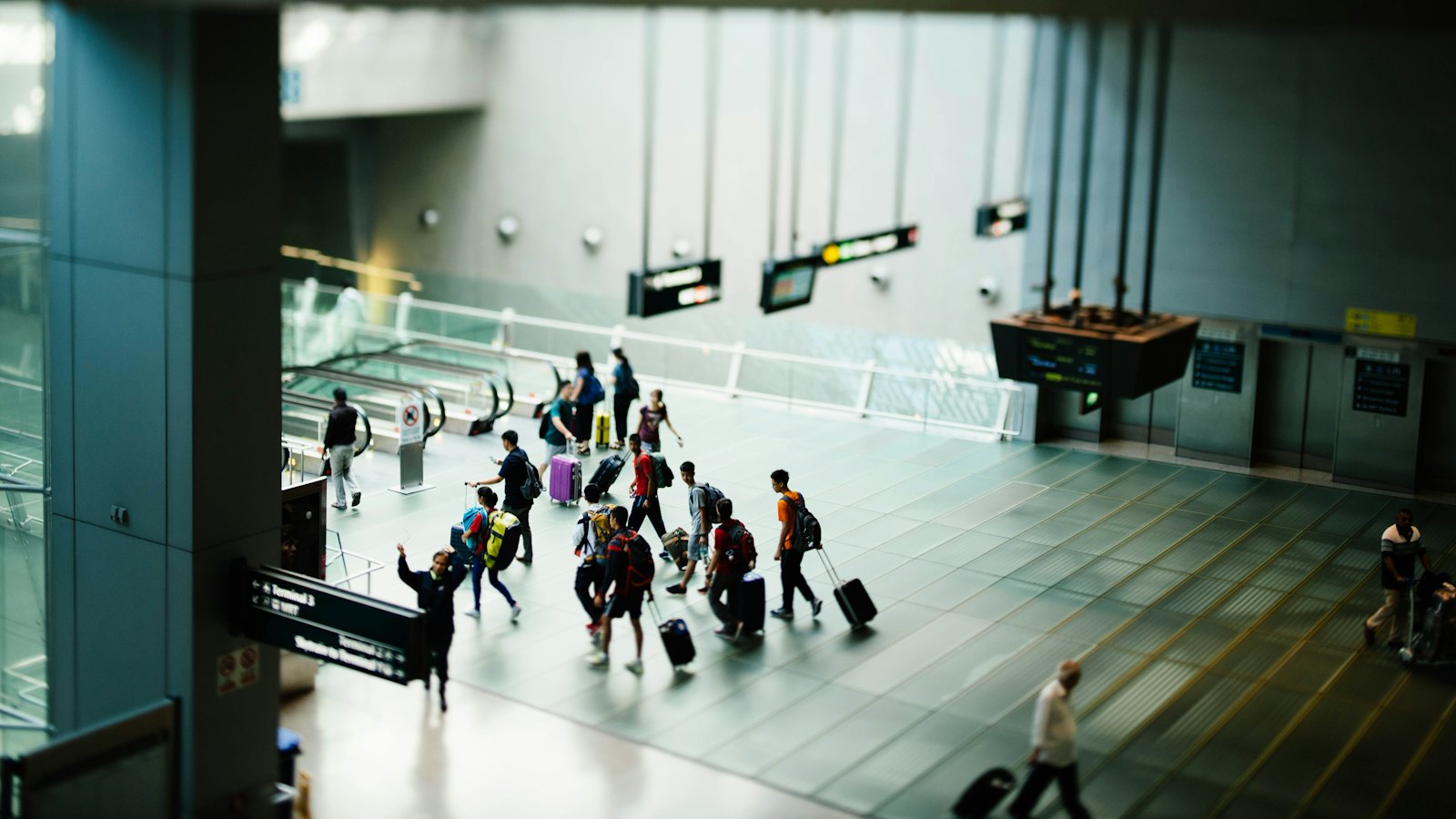











Flying with a pet through Toronto Pearson depends on how the animal travels. Small pets in the cabin go through the terminal and customs with you; pets in the hold usually come out with oversized baggage; pets shipped as cargo are released from the airline's cargo facility, often hours later. Check the airline's rules and Canada's import requirements early, and tell dispatch the crate size so the right vehicle is sent.
Dispatch gets more questions about animals than most people would guess: a family relocating with a Labrador, a student bringing a cat home for the holidays, a couple flying their elderly dog to the cottage for the summer. Each case is different, but the planning always starts with one question, which the airline answers, not us: how is the animal flying?
This guide walks through the three ways pets travel, what Canada asks of animals arriving from abroad, where your pet comes out at Pearson, and how to choose a vehicle that genuinely fits a travel crate. It ends with a worked example of a relocation with one pet in the cabin and one in cargo.
Three ways a pet can fly
Airlines offer some combination of three options, and the rules for each are set by the carrier.
- In the cabin. Small dogs and cats in a soft or approved carrier that fits under the seat in front. The pet counts as part of your carry-on allowance.
- In the hold as checked baggage. Larger pets travelling on the same flight as you, in a rigid crate, loaded into a pressurised, temperature-controlled section of the hold.
- As cargo. The pet is shipped through the airline's cargo service, sometimes on a different flight from its owner, often arranged through a pet shipping agent.
Airlines limit the number of animals per flight, restrict some breeds, especially short-nosed dogs and cats, and may refuse animals in the hold during extreme heat or cold. Book the animal's place when you book your own seat, and get the confirmation in writing.
Paperwork for a pet arriving in Canada
Animals entering Canada must meet import requirements set by the Canadian Food Inspection Agency. For dogs and cats these usually turn on the animal's age, its vaccination record and the country it is coming from, and the rules can change, so check them for your specific case well before travel rather than the week of the flight. Keep the originals in your hand luggage, not in a checked suitcase. If you are flying the other way, to the United States, the American rules for animals are separate and in recent years have become stricter for dogs; check them before you book, and read our guide to US preclearance at Pearson, because your pet's documents will be looked at in Toronto rather than on arrival.
Questions to ask the airline before you book
- Can this animal fly in the cabin, in the hold or only as cargo on this route?
- What are the size and weight limits for the carrier or crate, including the animal?
- Are there seasonal restrictions on animals in the hold for these dates?
- Is the pet on the same flight as me, and will it be released in the terminal or at cargo?
- If I connect, who handles the animal at the connecting airport, and how long is the layover?
- What documents will the agent ask to see at the counter?
Write the answers down and keep them with the booking. When you book the car, those answers tell dispatch almost everything needed to plan the pickup.
Departing Pearson with a pet
Pets cannot be checked in at a kiosk. Go to a staffed counter, where the agent will check the crate or carrier, the animal's documents and the booking. That takes longer than a normal bag drop, so add at least half an hour to your usual airport timing. Pets in the cabin go through security with you; the carrier goes through the scanner and you carry the animal through the walk-through arch, so a harness and lead help. Pearson provides relief areas for animals, and the locations are listed on Toronto Pearson's site; a last walk before security makes the flight calmer for everyone.
Where your pet comes out on arrival
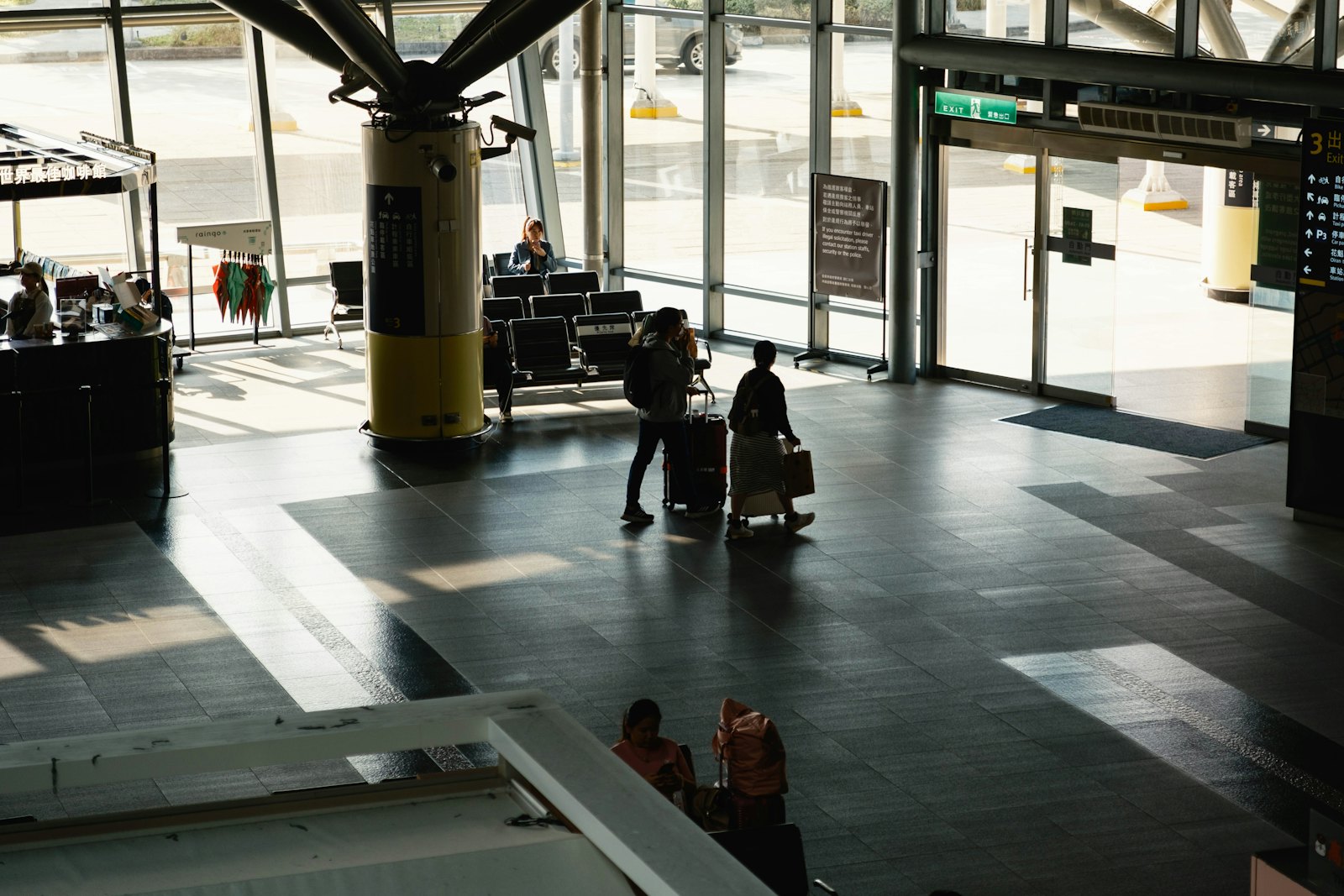
This is where planning matters most for the ride home, because the three options end in three different places.
| How the pet flew | Where you collect it | Timing to plan for |
|---|---|---|
| In the cabin | With you, through immigration and customs | Similar to your own exit, plus any inspection |
| In the hold with you | Usually the oversize baggage area of the terminal | Often among the last items off the flight |
| As cargo | The airline's cargo facility near the airport, not the terminal | Can be several hours after landing, with paperwork |
If the pet arrives from outside Canada, it is inspected as part of the customs process, so declare it and have the documents ready. Cargo releases involve more paperwork and sometimes a separate customs step; the shipping agent or airline will tell you the address and the hours the cargo office is open.
Choosing a vehicle that fits the crate
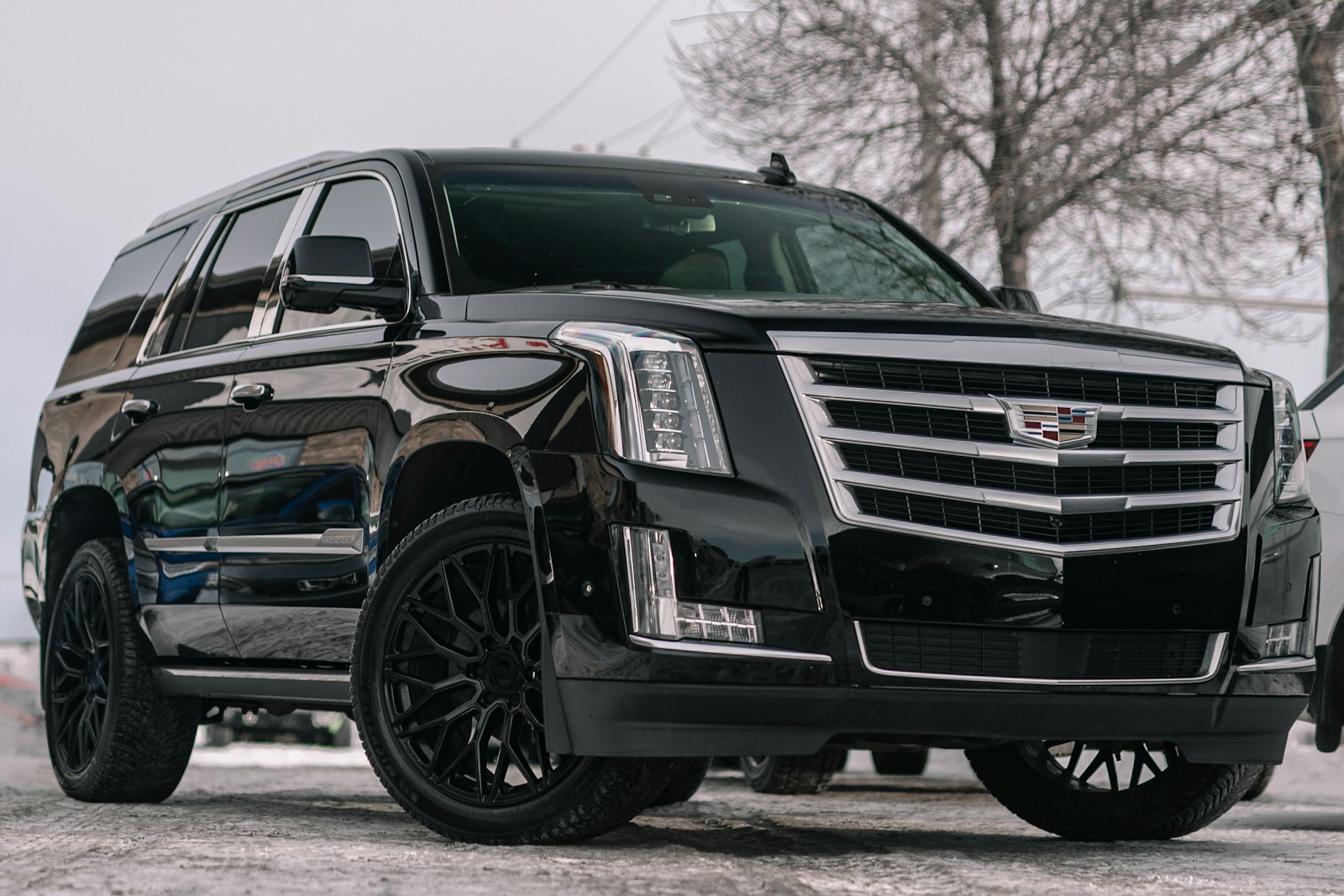
A travel crate for a large dog is a bulky, rigid box, and it takes the space of several suitcases. A business sedan carries 3 passengers and 3 large cases; a large crate may not fit in a sedan trunk at all, and it should never ride loose on a back seat. An executive SUV or luxury minivan carries 6 passengers and 6 cases and has a flat cargo area that suits most crates. For a family with several pets and a relocation's worth of luggage, a Sprinter with room for 14 cases is worth pricing. Give dispatch the crate's real dimensions, not the dog's breed, and our guide to choosing a sedan, SUV or Sprinter and the fleet page will help you choose.
Telling dispatch about the animal
Mention the pet when you book, in the notes field, with the species, the size of the crate or carrier and how it is flying. It is not something to surprise a chauffeur with at the curb. Dispatch will confirm the vehicle and the arrangement before the trip, and the chauffeur will know to expect the crate and to keep the cabin at a comfortable temperature. Service animals are a separate category: Ontario's accessibility rules, set out on Ontario.ca, treat them differently from pets, but it still helps to tell dispatch so the chauffeur can plan seating. Our post on travelling through Pearson with reduced mobility covers other assistance needs.
Keeping the animal comfortable on the drive
After a long flight, most animals want water, a short walk and quiet. Bring a collapsible bowl and a lead in your hand luggage. If the drive is longer than an hour, to Barrie, Kitchener-Waterloo or Niagara, ask the chauffeur to plan a brief stop at a safe spot off the highway; extra stops are added transparently if they change the trip. In a Toronto winter the car will be warm before you get in, and in July it will be cool, which matters more for an anxious dog in a crate than for any human passenger.
Waiting time when the pet is slow to appear
Pets in the hold are often among the last items released, and customs inspection of an animal can add time. International arrivals from outside the US include 60 minutes of waiting from actual landing; Canadian domestic and US arrivals include 30. Extra waiting is charged in 15-minute blocks, and dispatch tells you before it starts. Text the chauffeur when you know where the crate is, as you would with any bag; our post on where to meet your chauffeur explains the routine, and the one on waiting time charges sets out the billing.
A worked example: a relocation from London
The Hartleys are moving from London to Oakville with a cat in the cabin and a Labrador shipped as cargo on the same flight, landing at Terminal 1 at 1:30 p.m. The cat comes through customs with them by 2:30, along with four suitcases. The cargo office expects to release the dog at about 4:30, after its paperwork is processed. Rather than two separate one-way trips, they book an executive SUV by the hour, at $160–190 an hour with a 3-hour minimum, to collect them at the terminal, wait, drive the short distance to the cargo building, load the crate and continue to Oakville. A one-way executive SUV from Pearson to Oakville has a planning fare of $155–190; for this day, the hourly booking is simpler and keeps one car and one chauffeur. Our hourly chauffeur page explains the option, and the Heathrow arrival guide covers that flight.
Booking a ride with a pet
Book once you have the airline's confirmation for the animal, so you know how it is flying and where it will be released. Give the flight number, the crate dimensions and the number of bags, and dispatch will confirm the vehicle before the trip. Fixed fares are listed on the rates page, the executive SUV is described on our luxury SUV page, and the reservation engine on the booking page shows the exact fare, with HST separate, before you confirm.