










For wheelchair travel through Toronto Pearson, request assistance from your airline when you book the flight and confirm it a couple of days before. Airline staff take you between the curb or check-in and the aircraft, and on arrival through customs to the exit. Book the ground transfer with the right vehicle, a sedan or minivan for a folding chair or a ramp vehicle for a power chair, and consider meet and greet.
Most of the calls dispatch takes about wheelchair travel are from adult children arranging a trip for a parent: a mother flying home from Vancouver after a hip replacement, a father who walks short distances but cannot manage Pearson's long corridors, a grandparent with a power chair coming for a family wedding. The airport works well for these travellers, but only when the pieces are joined up, because the airline, the airport and the car each handle a different stretch of the journey.
This guide sets out who does what, what to book and when, how a personal wheelchair travels, and how to choose between a sedan, a minivan and a ramp vehicle for the ride home.
Who does what at the airport
The responsibility is split along the route. Knowing where each hand-off happens prevents the most common gap, a passenger left waiting at a door with nobody sure whose job it is.
| Stretch of the trip | Who helps | What to arrange |
|---|---|---|
| Home to the departures curb | Your chauffeur | The right vehicle, and notes on mobility needs |
| Curb or check-in to the aircraft seat | The airline's assistance service | Request it when you book the flight |
| Aircraft to the arrivals exit, through customs | The airline's assistance service | Confirm it for the return flight too |
| Arrivals exit to the car and home | Your chauffeur | Meet and greet if you want a hand-off inside |
Airlines are responsible for assistance between check-in and the aircraft under Canada's accessible travel rules, which the Government of Canada summarises on Canada.ca. The airport's own accessibility information, including accessible washrooms and quiet areas, is on Toronto Pearson's site.
Booking airline assistance
Ask for assistance when you buy the ticket, not at the airport. Say exactly what is needed: help with long distances only, help with stairs and boarding, or a passenger who cannot walk at all and needs an aisle chair to reach the seat. Mention any personal mobility device and whether it is manual or battery powered, because powered chairs have their own carriage rules. Confirm the request a couple of days before departure, and again for the return flight, which is a separate request even on the same ticket.
Not every mobility need is visible. A traveller with a heart or lung condition, severe arthritis or a recent operation may look fine at the curb yet be unable to walk from security to a far gate. Airlines can help them too, but only if they are asked. The same goes for the car: tell dispatch if your passenger tires quickly, needs to sit within a few steps of the door or must keep medication close, and the chauffeur will plan around it.
The departure curb and check-in
On departure day the chauffeur brings the car as close to your airline's doors as the departures curb allows, unloads the bags first, then helps your passenger out at their own pace. A folding chair comes out of the trunk and is opened at the curb. If your passenger needs an airline wheelchair rather than their own, it is arranged through the airline in advance; the chauffeur will see your passenger to the door and to the assistance desk or check-in agent. Departures curbs are for loading only, so the chauffeur cannot leave the car for long, which is one more reason to have the airline's help booked rather than hoped for. Allow extra time: our how early to arrive at Pearson guide gives the standard margins, and assisted travellers should add to them.
Arriving: why assisted passengers come out last
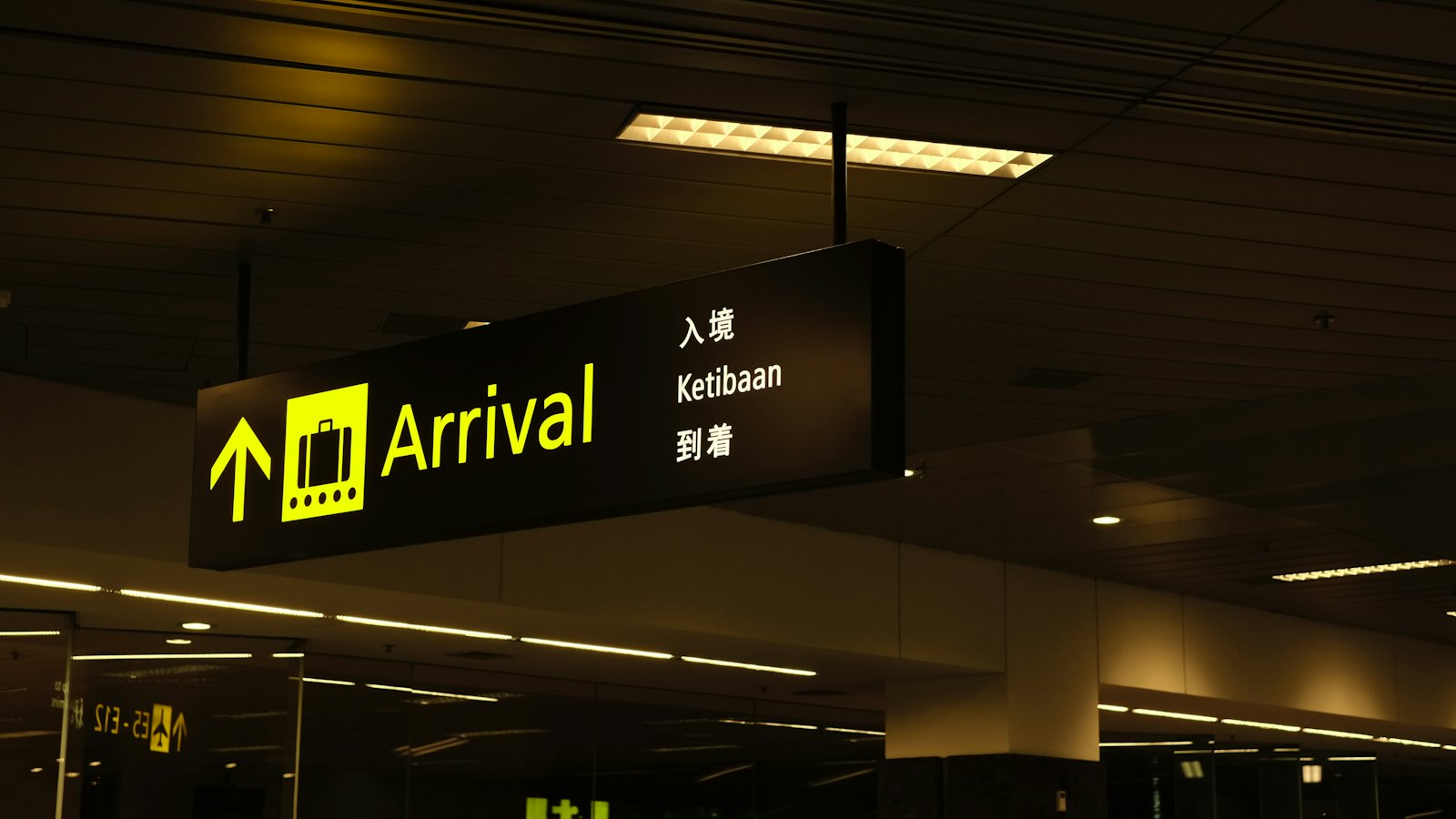
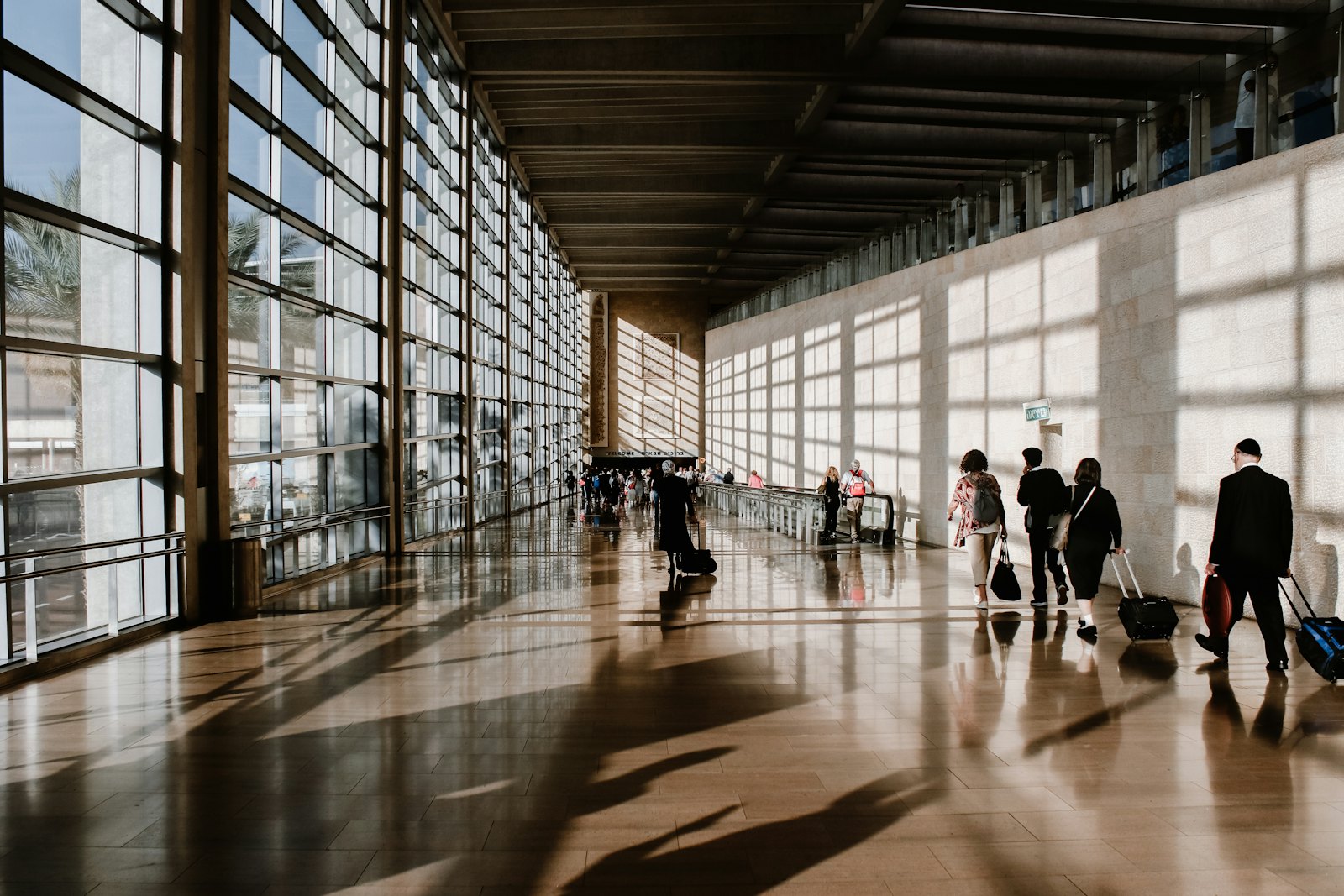
Passengers who need help leaving the aircraft are usually taken off after everyone else, once the assistance team and any aisle chair are at the door. They then go through immigration and customs with a helper, and collect bags with help. The result is that an assisted passenger often reaches the arrivals exit well after the rest of the flight. That matters for waiting time. International arrivals from outside the US include 60 minutes from actual landing; Canadian domestic and US arrivals include 30. Extra waiting is charged in 15-minute blocks, and dispatch tells you before it starts. Our post on waiting time charges has the details.
Why meet and greet suits assisted travellers
On a standard pickup, the passenger texts the chauffeur once they have their bags and meets the car curbside. For an assisted traveller that can be awkward: the airline helper may be ready to leave at the exit, the passenger may not have a working phone, and the doors to the commercial pickup area may be a long push away. Meet and greet, an add-on with a planning figure of $150, puts the chauffeur inside the arrivals hall with a name board, so the airline helper hands your passenger directly to a person rather than to a doorway. The chauffeur then takes over the bags and the route to the car. Our meet and greet page explains how it is booked, and our guide to where to meet your chauffeur covers the standard routine.
Travelling with your own wheelchair
Personal manual chairs are usually used up to the aircraft door, then stowed in the hold and returned at the door on arrival or at the baggage area, depending on the airline and the airport. Ask which, so you know whether to expect it at the gate. Remove cushions, bags and anything detachable, and label the chair with your name and phone number. Powered chairs need more notice, information about the battery and sometimes partial dismantling. If a chair arrives damaged, report it to the airline before leaving the baggage hall, in the same way as a missing suitcase; our guide to lost and damaged luggage at Pearson covers the desk process.
Choosing the right vehicle
The right car depends on whether the passenger can transfer from the chair to a seat, and on what kind of chair it is.
- Business sedan. Suits a passenger who can stand and pivot into a seat, with a folding manual chair in the trunk. The chair counts as one of the 3 large items.
- Luxury minivan. Wide sliding doors and a seat height many people find easier than a sedan or a tall SUV. Carries 6 passengers and 6 large items, so the chair and family luggage fit together.
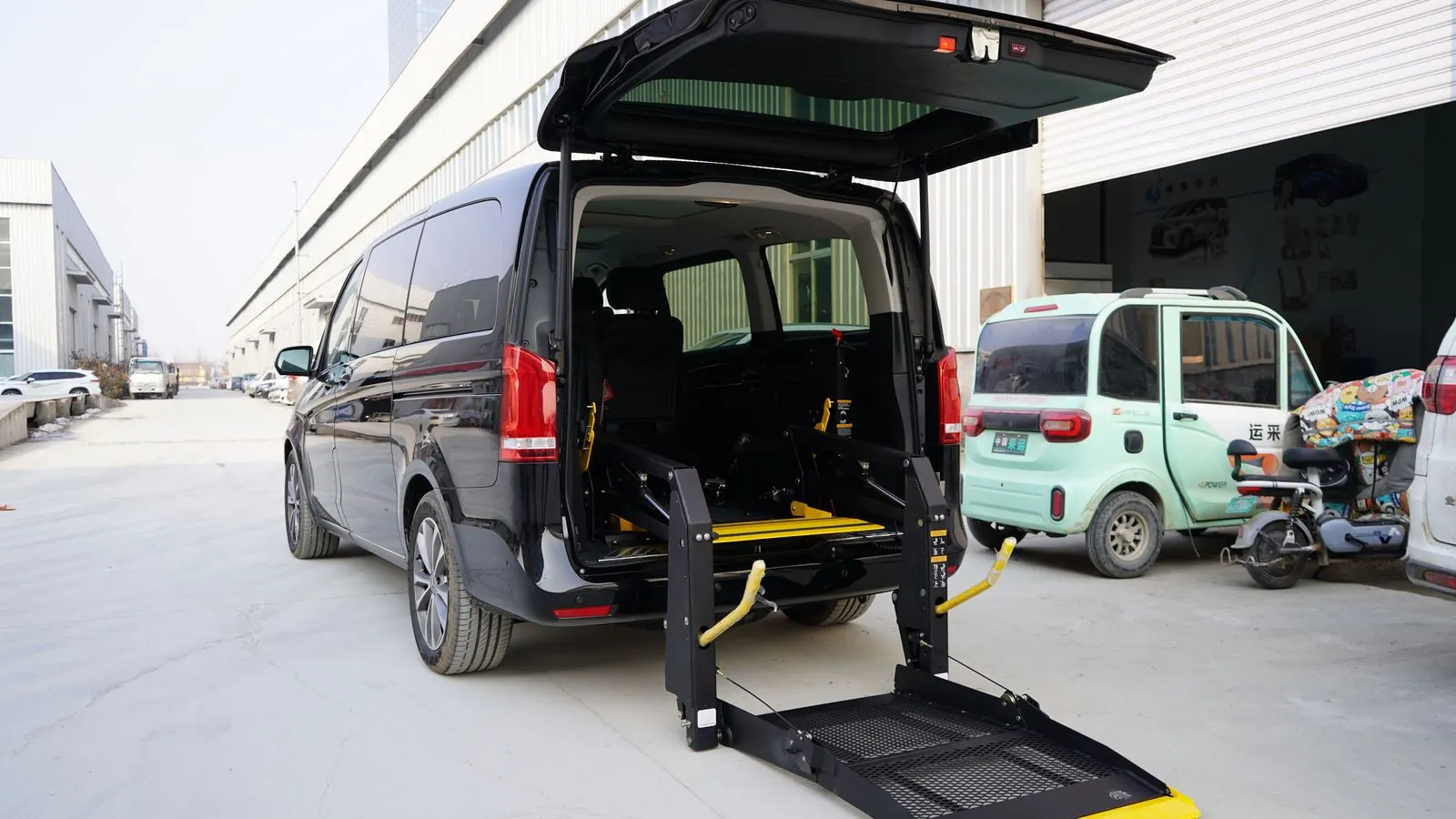
- Wheelchair accessible vehicle. For a passenger who stays in a power chair or cannot transfer. A ramp vehicle is arranged through our wheelchair accessible transfers service, and dispatch confirms the details before the trip.
When in doubt, describe the passenger rather than the car: “walks a few steps with a cane, folding chair, two suitcases” tells dispatch what is needed. Our guide to choosing a sedan, SUV or Sprinter covers capacity in more depth.
Walkers, scooters and other aids
Folding walkers and canes travel easily and fit in any of our vehicles. Mobility scooters are bulkier and heavy, and some do not fold; give dispatch the folded dimensions and the weight. Oxygen equipment and medical devices should be mentioned at booking so the chauffeur knows to keep them within reach. If the trip is a medical journey rather than a holiday, our page on medical appointment car service explains how those rides are planned.
A worked example: a mother flying in from Vancouver
Margaret is 82 and flying from Vancouver to visit her daughter in Mississauga. She walks short distances with a cane but cannot manage the terminal on foot, so her daughter requests airline assistance when booking and confirms it two days before. The flight lands at 4:05 p.m. Margaret is helped off after the other passengers at 4:30, collects her suitcase with the assistant and reaches the arrivals exit at 4:50, where the chauffeur is waiting with a name board under the meet and greet add-on. The included 30 minutes for a domestic flight ran to 4:35, so dispatch had messaged the daughter at 4:30 that one 15-minute block of extra waiting would apply. A business sedan from Pearson to Mississauga has a planning fare of $90–120 before HST, plus $150 for meet and greet and the agreed waiting. The Mississauga page shows that route, and our page on family visits and reunions covers trips like this one.
Booking an accessible airport transfer
Book once the airline has confirmed assistance. In the booking notes, describe mobility, the type of chair or aid, its folded size, and who will be travelling with the passenger. Choose meet and greet for arrivals if the passenger is travelling alone. The reservation engine on the booking page shows the fixed fare with HST separate, and the rates page lists planning fares from Pearson. If something about the trip changes, such as a new flight or an extra passenger, tell dispatch; changes to time, address or vehicle are free when they can be accommodated.