










If your bag does not appear at Pearson, report it to your airline's baggage service desk in the baggage hall before you leave, because once you pass the exit doors it is much harder to file. Bring your bag tag receipt and boarding pass, get a written file reference, give a delivery address and phone number, and tell your chauffeur straight away so the pickup can be adjusted.
Every night at Pearson someone stands beside a carousel that has stopped turning, looking at the one empty space where their suitcase should be. It is a deflating end to a long flight, but it is rarely a disaster. Most bags that miss a flight are simply delayed, sitting at a connecting airport or on the next aircraft, and they are back with their owners within a day or two.
What makes the difference is what you do before you walk out of the baggage hall. This guide covers the order of steps, what to have in your hand at the airline desk, how customs and delivery work for a late bag, and how to keep your ride home on track while you sort it out.
Is the bag lost, or just late?
Before you queue anywhere, make sure the bag is genuinely missing. Carousels at Pearson sometimes pause and restart, and bags from the same flight can arrive in two waves. Oversized items such as strollers, golf bags, skis, hockey bags and car seats usually come out at a separate oversize belt rather than the main carousel. Check that belt, check whether your flight number has moved to a different carousel on the screens, and look around the floor near the belt, where staff sometimes line up bags that came off early. If the carousel is empty and switched off, and the oversize area has nothing for you, it is time to report.
Airlines treat three situations differently: a delayed bag that will turn up, a damaged bag that arrived broken, and a bag that is truly lost after a long search. On the night, all three start at the same desk.
Report it before you leave the baggage hall
Each airline, or its ground handling agent, runs a baggage service office inside the baggage hall. This is the place to report, and the reason to do it now is practical: once you pass the exit doors into the public arrivals area, you generally cannot walk back in, and filing by phone or online afterwards is slower and harder to prove.
- Find your airline's baggage service desk; the signs in the hall point to it, and staff at the carousel can direct you.
- Join the queue. After a busy bank of arrivals it can take 20 to 45 minutes.
- Describe the bag: colour, brand, size, any ribbons or stickers, and roughly what is inside.
- Hand over your bag tag receipt and boarding pass.
- Give a delivery address and a phone number that will work in Canada.
- Leave with a written file reference. Photograph it, because it is the key to every later call.
What to have ready at the desk
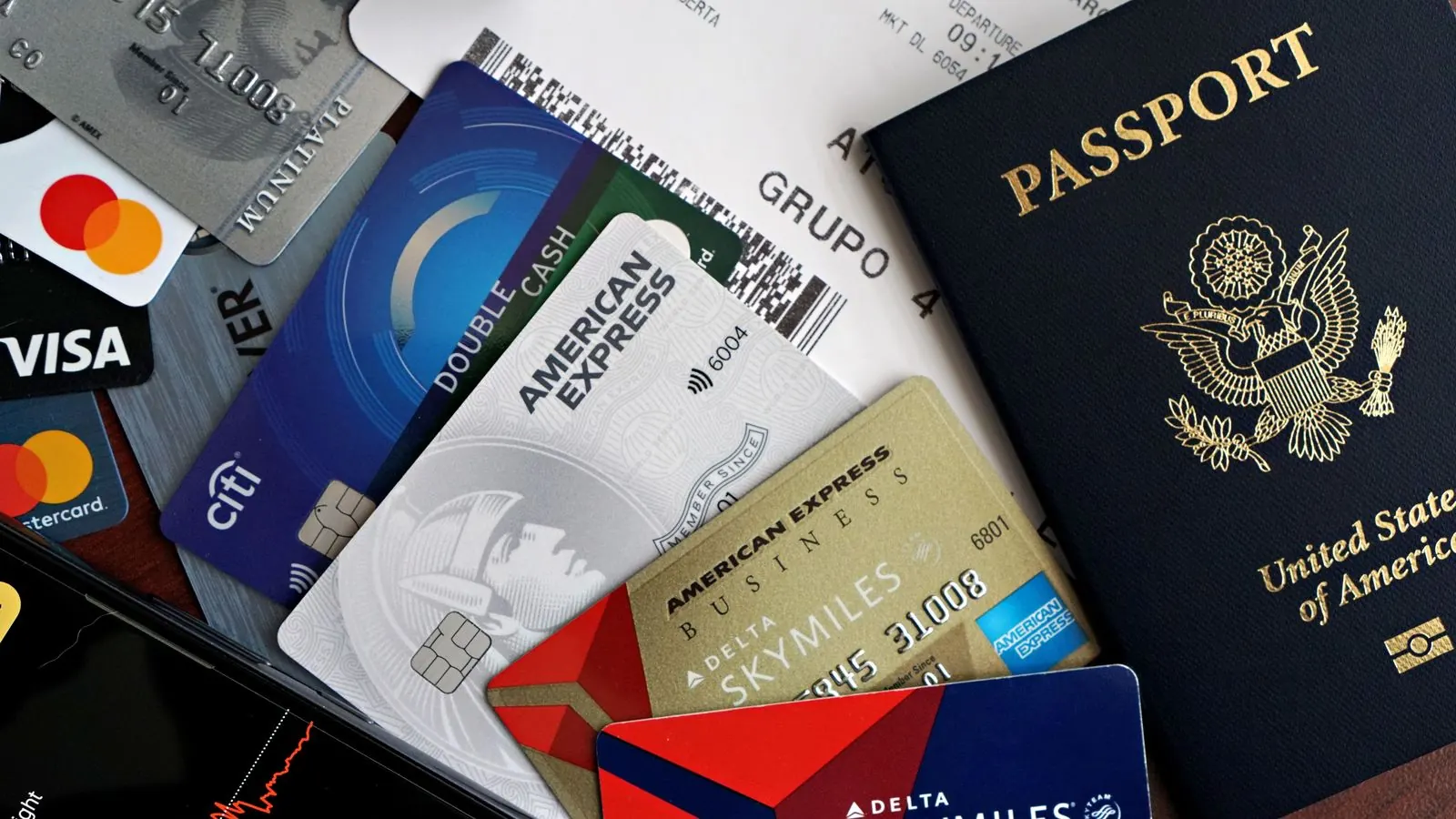
- The bag tag receipt, usually stuck to your boarding pass or ticket jacket.
- Your boarding passes for every leg, including the connection.
- Your passport, if the agent needs to confirm identity.
- A photo of the bag, if you have one on your phone.
- A delivery address in the area, such as a home, hotel or cottage, with any buzzer codes.
- A phone number and email that will actually reach you over the next few days.
If you have kept a photo of the bag and its contents before travelling, this is where it pays off. Agents can match a photo to a bag in a storeroom faster than a written description.
Connecting flights: which airline do you ask?
If you flew on more than one airline on one ticket, report the missing bag to the carrier that flew you into Pearson. That airline is normally responsible for the search, even if the bag went astray earlier in the trip. Bags most often miss tight connections, so if your first flight was late and you sprinted between gates, there is a good chance the suitcase is simply sitting at the connecting airport and will follow on the next flight. The agent can usually see from the tag scans where the bag was last recorded, which tells you a great deal about how quickly it will arrive.
Customs and a bag that arrives later
If you landed from outside Canada, your bag still has to be cleared by customs when it arrives. In most cases the airline handles that process and delivers the bag to you, but some situations require you to declare its contents or return to the airport. Follow the instructions on your file, and if you are unsure what you declared on arrival, the Canada Border Services Agency explains the rules for travellers and their goods. Our guide to arriving in Canada at Pearson covers the customs hall itself.
Telling your chauffeur, and what the wait costs
The moment you realise a bag is missing, text your chauffeur. A single line is enough: “One bag missing, queuing at the baggage desk, will update.” That message changes the plan. Instead of bringing the car to the curb, the chauffeur stays parked, and dispatch can tell you where you stand on waiting time before any charge begins. Our post on where to meet your chauffeur explains the normal routine, and the one on waiting time charges sets out how extra time is billed.
| Your arrival | Included waiting from actual landing | If the baggage desk runs long |
|---|---|---|
| International, outside the US | 60 minutes | Extra time in 15-minute blocks, announced first |
| US flights | 30 minutes | Extra time in 15-minute blocks, announced first |
| Canadian domestic flights | 30 minutes | Extra time in 15-minute blocks, announced first |
If the queue is very long, you can choose to leave the report until another day and go home, but that is rarely wise. Twenty minutes of extra waiting usually costs far less than a second trip to the airport.
Essentials for the first night
Keep a small cabin bag with medication, chargers, a change of clothes, toiletries and anything you cannot replace, and a missing suitcase becomes an inconvenience rather than a crisis. If you do need to buy essentials while you wait, keep every receipt. Airlines have their own policies on reasonable interim expenses, and the federal government's air passenger information on Canada.ca points to the rules that apply to flights in and out of Canada. Deadlines for written claims are short and counted in days, so file any claim promptly rather than waiting for the bag to turn up.
Delivery: giving an address that works
Most delayed bags are delivered by a courier working for the airline, so give an address where someone can receive it. A hotel front desk is ideal. A house with nobody home, a condo without a concierge, or a rural cottage with no street number causes failed deliveries and more calls. If you are travelling on from Toronto, give the address where you will be in a day or two and say so clearly. Write down the courier phone number if the agent gives you one, and keep your phone on.

Left something in the terminal or the car?
A checked bag that never arrived is the airline's responsibility. Something you left behind yourself is a different search. Items left on the aircraft go to the airline. Items left in the terminal, at security or on a bench usually end up with the airport's lost and found, which you can contact through Toronto Pearson's site. If you left something in one of our cars, call dispatch on (877) 860-3388 or send a WhatsApp message; chauffeurs check the cabin at every drop, and the car can often return if it is still close.
A worked example: a family home from Cancun
The Singh family land at Terminal 3 from Cancun at 6:10 p.m., two adults and two children, heading home to Brampton in an executive SUV. Customs takes until 6:45. Three suitcases arrive by 7:00; the fourth does not. At 7:02 the father texts the chauffeur, and dispatch replies that the included 60 minutes run until 7:10 and that extra time will be charged in 15-minute blocks from then. The desk queue and report take until 7:38, so the family use two extra blocks. They leave with a file reference, the bag is delivered to their home the next evening, and the SUV fare from Pearson to Brampton, with a planning range of $130–165 before HST, carries only the small waiting addition they agreed to. The Cancun arrival guide and the Brampton page have more on that route.
Next steps and booking your ride
When you book, include the flight number so the chauffeur tracks your landing, and choose a vehicle with honest room for your luggage; our guide to choosing a sedan, SUV or Sprinter helps. If a long flight is likely to be late as well, read what happens in our post on delayed flights and your pickup. Fares are fixed and shown before you confirm on the booking page, with planning figures on the rates page and more on the airport itself in our Toronto Pearson guide.