










A meet and greet name board should carry just enough for the right person to recognise it: usually a surname with an initial or title, or an agreed code word for confidential travellers. It should never show a hotel, home address, room number, company deal or a child's full name. Tell us the exact wording at booking, and the chauffeur holds it just outside the arrivals doors.
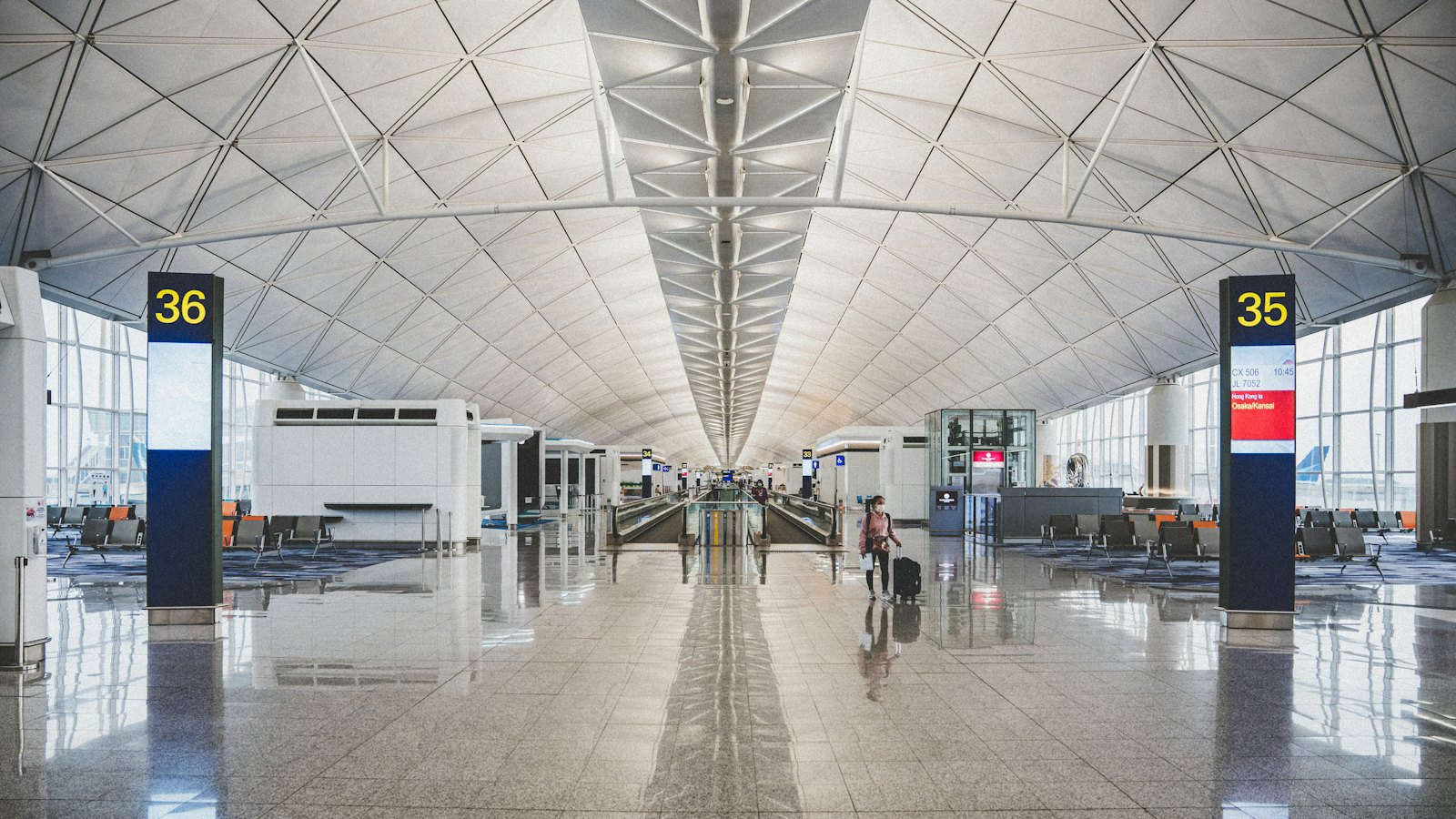
The arrivals hall at Pearson is a wall of signs. Tour operators, hotel drivers, families with balloons and chauffeurs with tablets all stand in the same few metres, and an arriving passenger who has been awake for twenty hours scans them in seconds. The name board's whole job is to be found by one person and ignored by everyone else, and the wording decides how well it does both.
This post from the dispatch desk sets out what we put on a board, what we never put on one, and how to choose the wording for executives, families, students and groups. Meet and greet inside the arrivals hall is an add-on to any Pearson pickup, with a planning figure of $150.
Where the chauffeur stands
At both terminals, the chauffeur waits in the public greeting area just beyond the doors where passengers come out after baggage and, for international flights, customs. That spot means your guest sees the board before they have to make any decision about where to go. Each terminal has its own layout, and our guide to where to meet your chauffeur at Pearson arrivals shows the meeting points; the terminal pages for Terminal 1 and Terminal 3 have the wider picture. Because flights are tracked, the chauffeur is in position before the first passengers from your flight come through, and included waiting starts at actual landing: 60 minutes on international arrivals from outside the US, 30 minutes on Canadian domestic and US flights.
What goes on the board
The default is the guest's surname with a title or initial, in large clear capitals: enough to recognise at a glance from ten metres, and nothing more. Some guests prefer their first name, some prefer a title such as Dr. or Rev., and some prefer the name of the person or company who booked them, because that is what they have been told to look for. Tell us which, and spell it exactly as the guest writes it. Accents, hyphens and particles such as van, de or Al matter to the person reading them, and a misspelled name on a board is the fastest way to make a guest walk straight past it.
What never goes on the board
The board is visible to hundreds of strangers. Anything that links a named person to a place, a time or a value is information they did not need to give away.
| Item | On the board? | Why |
|---|---|---|
| Surname with title or initial | Yes | Recognisable to the guest, little use to anyone else |
| Agreed code word or booker's name | Yes, when requested | For guests who should not be named in public |
| Company name | Only with permission | It can reveal a visit or a deal |
| Hotel name or home address | Never | Links a person to where they will sleep |
| Room or flight number | Never | Adds detail that identifies the traveller |
| A child's full name | Never | Children's details stay off public signs |
| "VIP" or job titles | Never | Draws attention the guest did not ask for |
The chauffeur has the full booking details on their phone. Everything that does not help the guest find the board stays there.
Executives and confidential arrivals
For senior executives, public figures or anyone arriving for a sensitive meeting, the board should not carry their real name at all. The usual approach is a code word agreed with the traveller in advance, or the name of the person who booked, and the chauffeur confirms identity quietly by asking the guest to give the booker's name before taking any bags. A company name is the most common accidental leak: a well-known logo on a board in the arrivals hall the week before an announcement tells observers more than anyone intended. Our post on privacy and discretion with a chauffeur covers the rest of the trip, and for protective details our VIP and executive protection page explains how coordination works.
Families and first-time visitors
For a grandparent, a relative on a first visit or anyone who does not read English easily, a board in their own script makes all the difference. We can show the name in Chinese, Hindi, Punjabi, Arabic, Tagalog or another script, with the Latin spelling underneath so airport staff can help point the way. A short familiar phrase, such as the family name the guest uses at home, works better than an official passport spelling they never see. Tell the guest before they fly exactly what the sign will say. Our guides for a first trip to Canada from China and for international students arriving at Pearson cover the rest of the arrival, and the family visits and reunions page shows how relatives are met and driven home.
Children and young travellers
Children flying as unaccompanied minors are handed over by airline staff to a named adult with identification, not collected from a board, so a chauffeur cannot normally be that adult unless the airline's rules and the parents' paperwork allow it. Our post on unaccompanied minors at Toronto Pearson explains the process. For teenagers and students travelling on their own, use the surname only, never a full name with a school or residence, and agree a simple check: the chauffeur asks for the parent's first name before taking the bags.
Groups and delegations
For a group, one board with a neutral group name, such as a conference title or a family surname, is better than a list of names. The chauffeur carries the passenger list privately and ticks people off as they arrive. If the group is arriving on several flights, tell us, because each flight may need its own meeting time and, for a large party, its own vehicle. For an executive Sprinter, which takes 14 passengers and 14 large cases, the chauffeur gathers everyone at the board and walks the group to the vehicle together.
How the greeting itself works
When your guest reaches the board, the chauffeur greets them by the name they prefer, confirms the booking quietly, takes the luggage and walks them to the car, which is parked in the commercial area close to the terminal. There is no fuss and no announcement. If the guest has not appeared and the airline shows the bags are on the belt, the chauffeur calls or messages the guest, and then dispatch. If a guest cannot find the board, they should call dispatch rather than accept a lift from anyone else holding a similar sign; Toronto Pearson's site lists the authorized ground transportation options, and people offering rides inside the hall are not among them.
A worked example: a grandmother arriving from Mumbai
A family in Brampton is bringing a grandmother from Mumbai for the first time. She speaks Gujarati and some Hindi, reads little English, and has never been through a large Western airport alone. Her grandson books a luxury minivan with meet and greet and asks for the board to show her name in Gujarati script with the English spelling underneath, plus the word the grandchildren call her. He tells her, by video call the night before, to look for that sign after the bags. Her visitor documents are in order, checked against the government's immigration guidance. She lands at Terminal 3, clears customs in 50 minutes, within the 60 minutes included, and sees her own name in her own script as she comes through the doors. Our page for arrivals from Mumbai covers the flights and terminals.
Booking meet and greet and the wording
Add meet and greet when you book any Pearson pickup in the reservation engine, and type the exact board wording in the notes, including the script and any code word. The fixed all-in fare and the meet and greet add-on are shown separately before you pay, with HST listed on its own line; the meet and greet page has the details. If the wording needs care, such as a non-Latin script or a confidential arrival, email [email protected] or call dispatch on (877) 860-3388 and we will confirm it back to you in writing. On the etiquette of the ride itself, our chauffeur tipping and etiquette guide has the rest.