








On a first trip to Canada from China, carry the visa or permit approved before you flew, declare all food and any cash of $10,000 or more, and expect 45 to 90 minutes from landing to the curb. Your chauffeur tracks the flight and includes 60 minutes of waiting from actual landing. For planning, a business sedan from Pearson to Markham runs $145–180 before HST.
A non-stop flight from Beijing, Shanghai, Guangzhou or Hong Kong to Toronto is long, usually 12 to 15 hours, and many travellers connect through Vancouver or another hub, which adds more. By the time the wheels touch down at Pearson it can feel like the middle of the night, even if Toronto's clock says late afternoon. The first hour in a new country is easier when you know what each step is and roughly how long it takes.
This guide is for first-time visitors, students and families joining relatives. It covers documents, the airport, customs rules that often surprise travellers from China, and the drive to the places most people are heading: Markham, Richmond Hill, North York, downtown and university campuses.
Before you fly: documents and an address in English
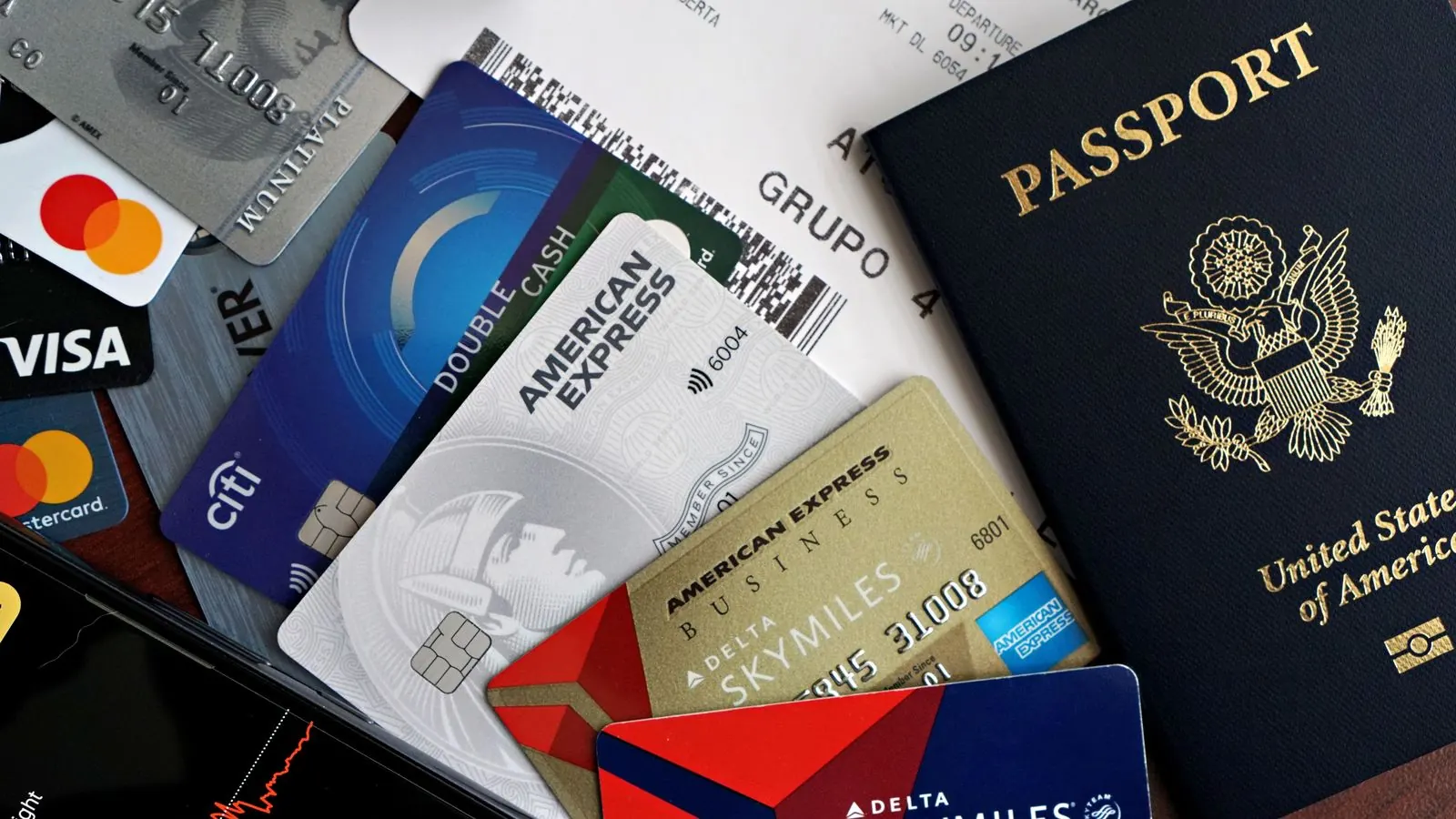
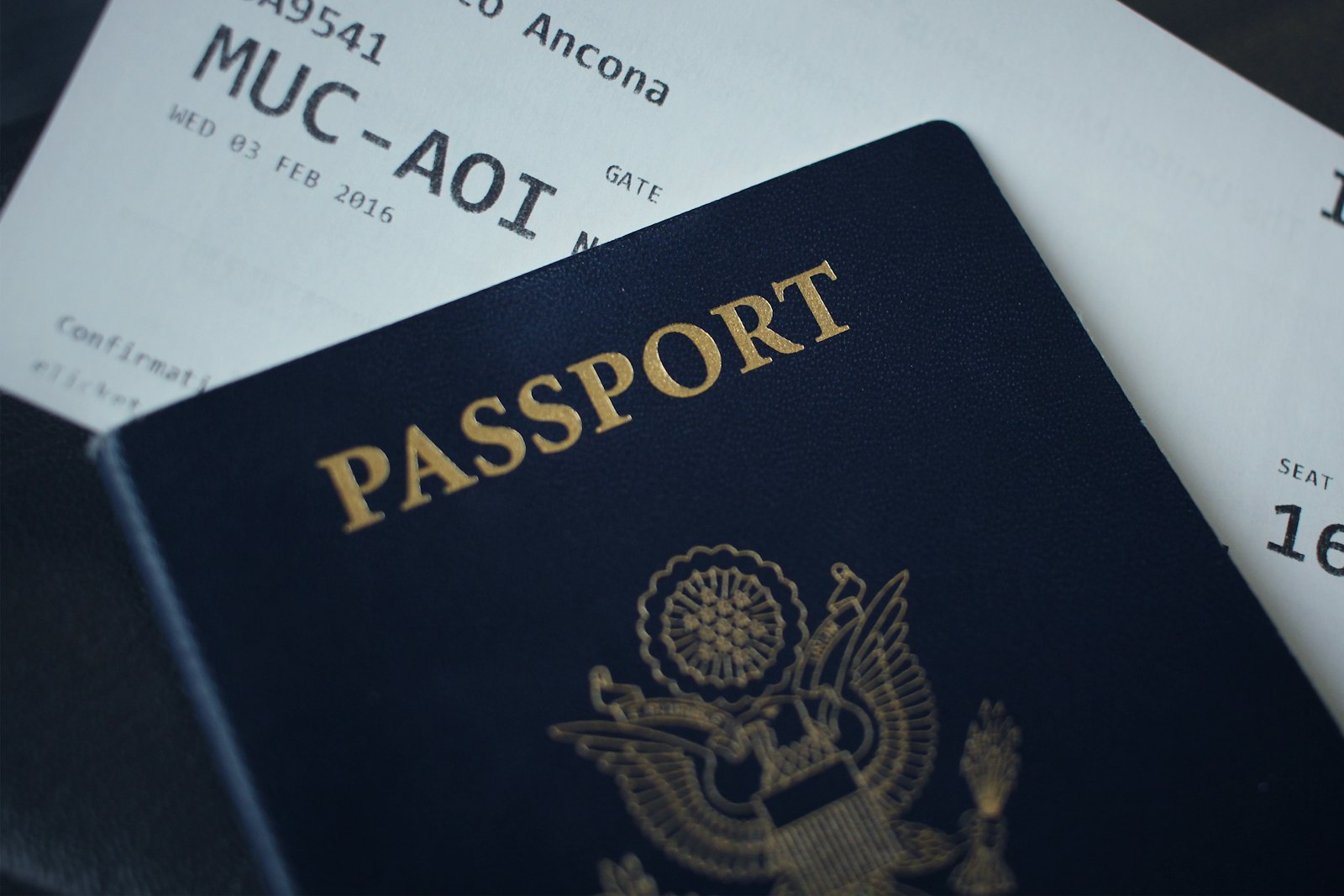
Travellers on a mainland Chinese passport need a visitor visa, study permit or other document approved before departure; Hong Kong SAR passport holders usually fly with an electronic travel authorization (eTA) instead. Rules change, so confirm your own case on the IRCC website, and see the eTA and visa basics guide for the general picture. Students should keep the letter of introduction from IRCC and the school's acceptance letter in hand luggage, not in a checked case.
Write the full address of where you are staying in English, including the unit number and postal code, and keep it on paper as well as on your phone. Officers ask for it, and it is what the chauffeur and the booking need.
Which terminal you will land at
Pearson has two passenger terminals. Air Canada and its Star Alliance partners use Terminal 1; many other airlines use Terminal 3. The terminal depends on the airline of the final flight, not where your journey began, so a trip that starts on a Chinese carrier and ends on an Air Canada connection lands at Terminal 1. Check your flight in the terminal finder and on Toronto Pearson's site. If you connect in Vancouver, you clear Canadian immigration there and arrive in Toronto as a domestic passenger.
That changes the pickup. A domestic arrival includes 30 minutes of waiting from landing rather than 60, and you will usually walk straight to the baggage hall without a second immigration line. Give the Toronto flight number when you book, not the long-haul one, so the chauffeur tracks the right aircraft. If the connection is tight and you miss it, tell dispatch the new flight number as soon as the airline rebooks you; a delayed or missed flight is not a no-show, and the pickup simply moves.
The first hour: immigration and the border officer
After the long walk from the gate, follow the signs for arriving international passengers to the kiosks or eGates, where you scan your passport and answer the customs declaration questions. Then you see a border services officer. Answer simply: why you are visiting, how long you will stay and where. Students are directed to an immigration office in the hall where the study permit is issued, which can add 30 minutes to an hour or more when several flights arrive together. The arriving in Canada at Pearson guide walks through the hall in detail.
Declaring food, medicine and cash
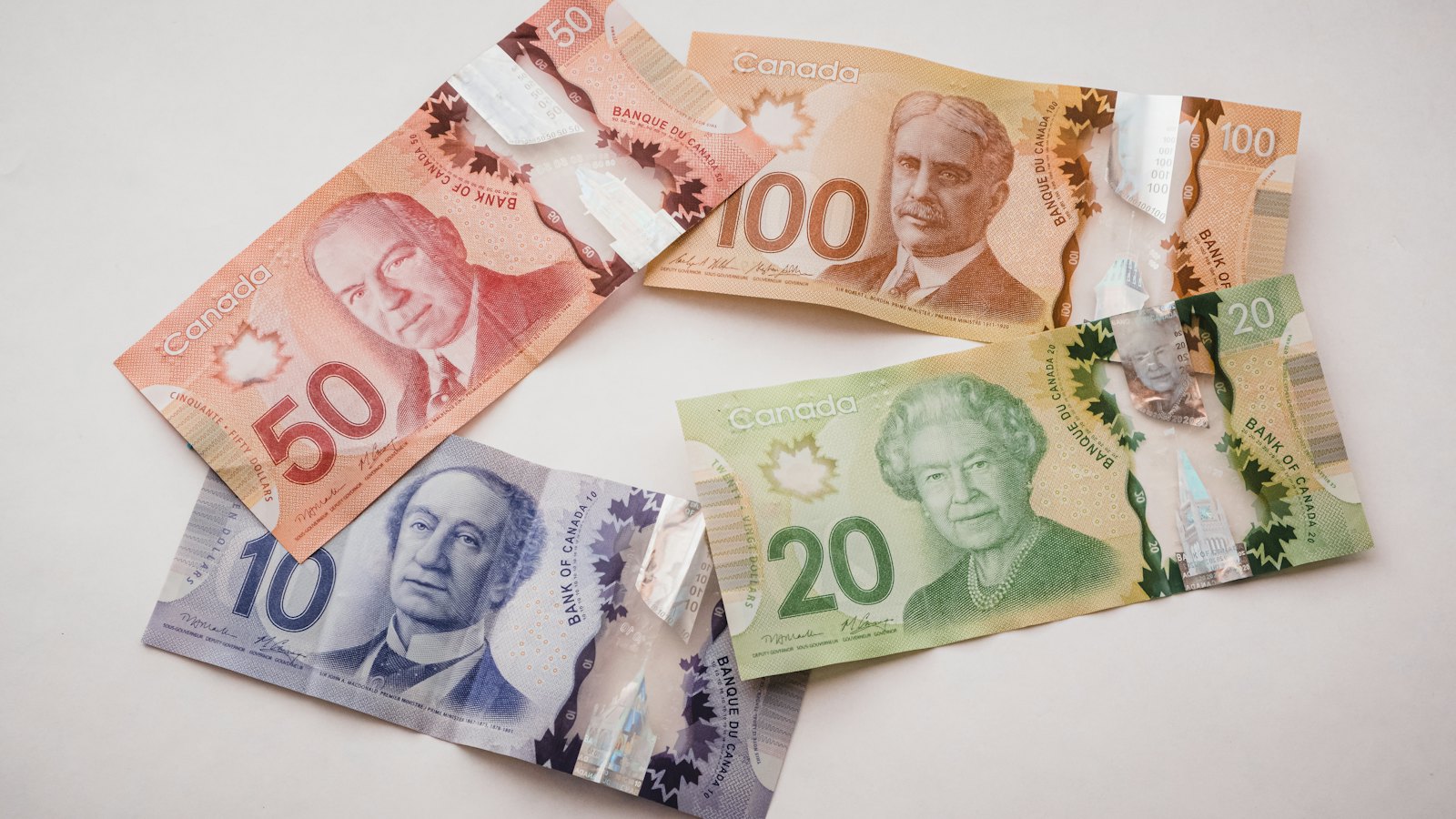
This is the step that surprises many travellers from China. Canada controls the import of meat, eggs, dairy, fruit, seeds and plants, and you must declare all food you carry, even snacks. Popular gifts such as mooncakes with egg yolk or meat fillings, dried meat, sausages and some herbal remedies that contain animal ingredients may be restricted or seized. Declaring an item is never a problem; failing to declare it can mean a fine. The Canadian Food Inspection Agency lists what is allowed. Carry prescription medicines in their original packaging with a copy of the prescription. Cash and monetary instruments totalling $10,000 or more must be reported to the Canada Border Services Agency.
Collecting bags and meeting your chauffeur
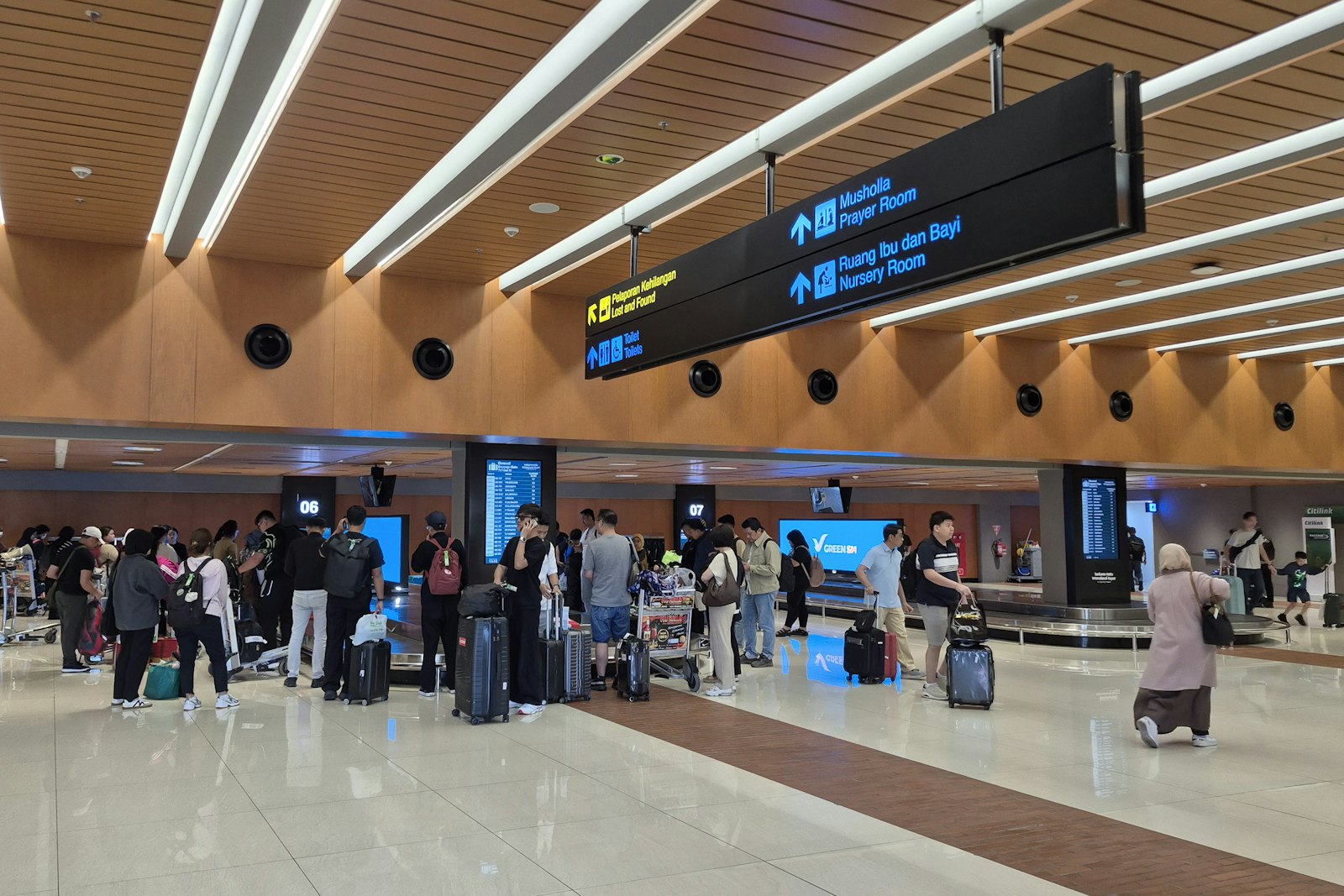
After the officer, collect your bags in the baggage hall. Families arriving to study or settle often bring two large cases each, so take a trolley. Once you have everything, connect to the free airport Wi-Fi and text the chauffeur, who is waiting at the terminal's commercial pickup area. Because chauffeurs track the flight, the pickup moves automatically if you land early or late, and 60 minutes of waiting from actual landing are included on international arrivals from outside the US. If bags are missing, report them at the airline's desk before leaving; the lost luggage guide explains the steps.
For a first trip, many families add a meet and greet, with the chauffeur inside the arrivals hall holding a name board, planned at $150. It removes the worry of finding the car, and the guide to meeting your chauffeur at arrivals shows where each meeting point is.
Phones, payment apps and money
WeChat Pay and Alipay are accepted at some Chinese supermarkets and restaurants in Markham and Richmond Hill, but most Canadian shops expect a credit card, a debit card or cash. Bring a card that works abroad and a small amount of Canadian dollars. Your fare is paid by card when you book, so there is nothing to pay in the car; the receipt shows the fare and 13 % HST separately, and gratuity is already included. Google Maps and WhatsApp work normally in Canada. Dispatch can be reached by phone, WhatsApp or email at any hour. The currency and SIM card guide covers buying a local SIM or eSIM.
The drive to Markham, Richmond Hill or campus
Most travellers from China are heading north and east of the airport. The table gives planning fares before HST and typical drive times outside rush hour; at 4 to 7 p.m. on weekdays, add 15 to 30 minutes.
| Destination | Business sedan | Executive SUV | Typical drive |
|---|---|---|---|
| Markham | $145–180 | $185–230 | 35–55 min via 401 or 407 |
| Richmond Hill | $135–165 | $175–210 | 30–50 min via 407 and 404 |
| North York | $105–135 | $135–175 | 25–45 min via 401 |
| Downtown and the University of Toronto | $130–160 | $165–205 | 25–45 min via 427 and Gardiner |
| Scarborough | $145–175 | $185–225 | 35–55 min via 401 |
| Kitchener-Waterloo | $265–325 | $340–415 | 75–100 min via 401 |
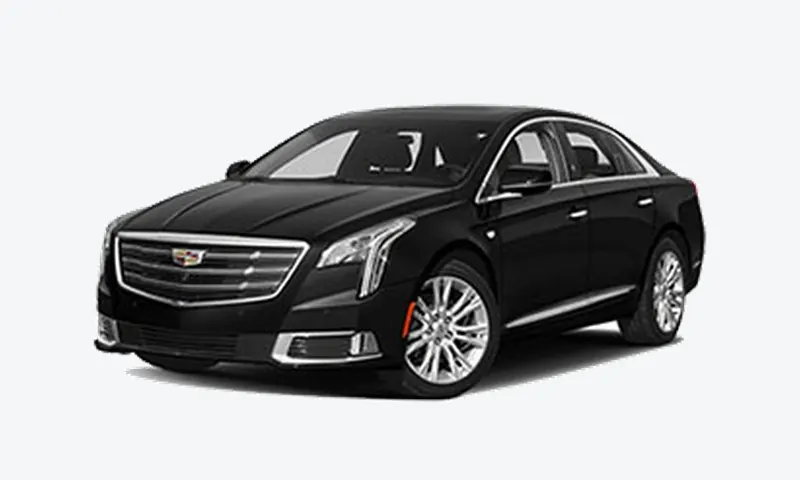
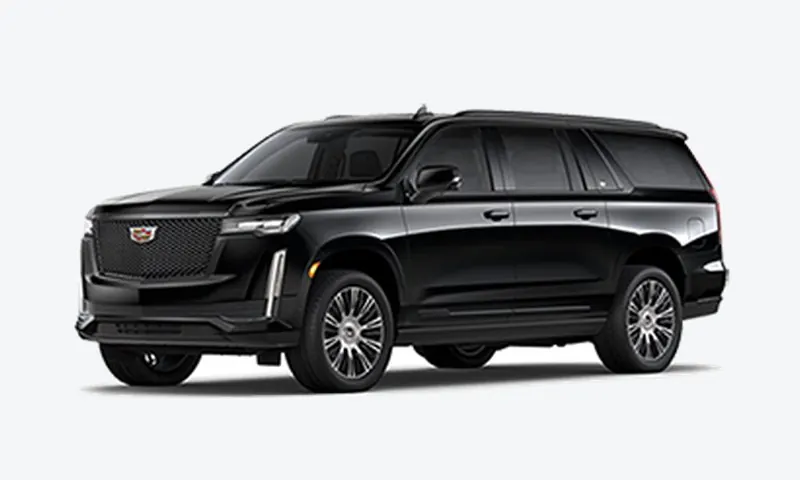
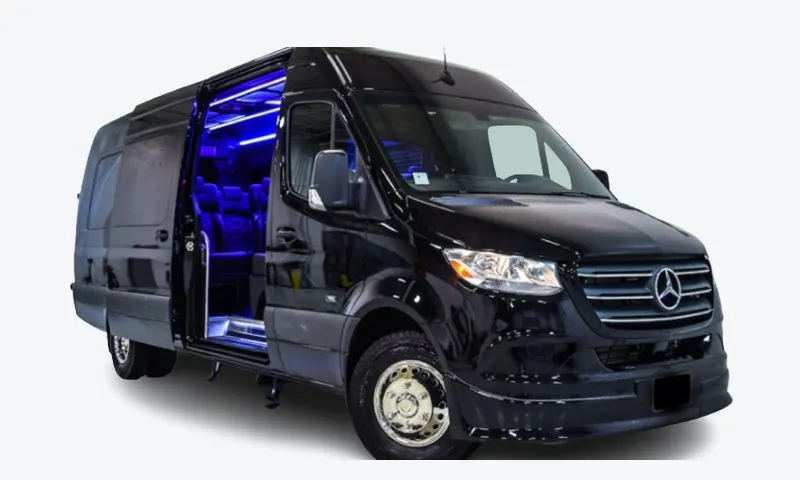
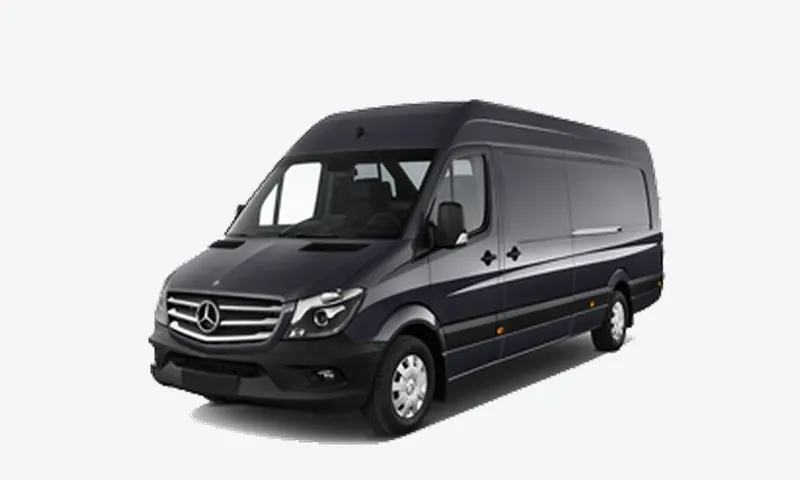
A sedan holds three passengers and three large cases; a family of four with eight cases needs an executive SUV or luxury minivan, which holds six and six. The Markham to Pearson guide explains the 401 versus 407 choice.
Jet lag and the time difference
Toronto is 13 hours behind Beijing time in winter and 12 hours behind in summer, so a flight that leaves China in the evening lands in Toronto the same evening or afternoon. Try to stay awake until 9 or 10 p.m. local time on the first night. The car is a good place to rest: water is on board, the chauffeur keeps the cabin quiet, and nobody minds if you sleep all the way to Markham.
Weather when you land
Toronto winters are colder than Shanghai or Guangzhou and similar to or colder than Beijing, with snow from December to March. Students arriving for a January term should keep a warm coat, hat and gloves in their hand luggage, because the walk from the terminal door to the car is cold even if it is short. Summers are warm and humid, similar to much of eastern China.
Students and families: what to plan
Students arriving in late August or early January land alongside thousands of others, and the immigration office in the arrivals hall is busiest then. Book the car with the flight number so the waiting time follows the actual landing, and tell dispatch if residence check-in closes at a fixed hour. The international students arrival guide covers campus drop-offs, and the Shanghai and Beijing arrivals page and Hong Kong arrivals page have route-specific notes. Travellers from India follow a similar path, described in the first trip from India guide.
A worked example: a student from Shanghai
Lin, a graduate student from Shanghai, flies non-stop to Toronto in late August to start a master's degree in Waterloo. Her parents book a business sedan for one passenger and three large cases with her flight number: $265–325 before HST. The flight lands at 3:15 p.m. Lin collects her study permit at the immigration office, where the line is long, declares the mooncakes her aunt packed, and has one box set aside. She texts the chauffeur at 4:45 p.m., 90 minutes after landing; dispatch has already told her parents that the last 30 minutes are charged as two 15-minute blocks. The car takes the 401 west, and Lin is at her residence by 6:20 p.m., in time for the evening check-in.
Booking your first ride in Canada
Book once your flight is confirmed, entering the flight number, the number of passengers and every bag. The reservation engine shows the fixed, all-in fare before you confirm, with HST shown separately; flight tracking, airport fees, tolls and gratuity are included. A relative in Canada or in China can book and pay by card on your behalf. Add a meet and greet if you would like to be met inside the hall, check planning figures on the rates page, then book your arrival.