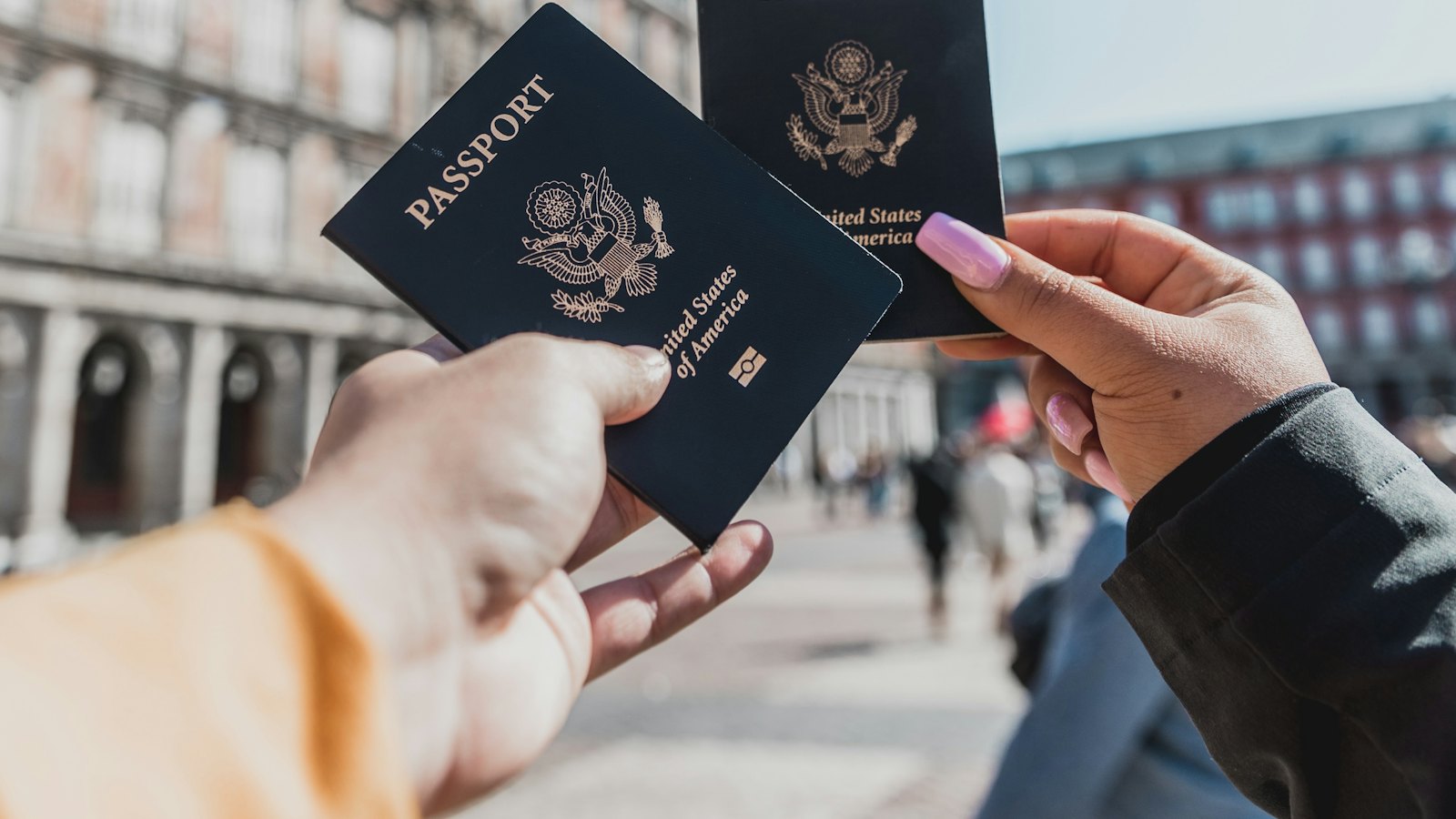











At Toronto Pearson, NEXUS helps in three places: entering Canada, US preclearance on flights to the United States, and the trusted traveller line at security where it is open. Global Entry helps at US preclearance but gives no special lane when you enter Canada. On a busy day either card can save from a few minutes to well over half an hour, but the saving varies and is never guaranteed.
Frequent flyers at Pearson tend to fall into two camps: those who swear NEXUS has given them back hours of their life, and those who signed up, waited months for an interview and then found the baggage belt slower than the border. Both are right. Trusted traveller cards save time at specific checkpoints, and whether that turns into a faster trip depends on what else stands between you and the curb.
This post sets out where each card works at Pearson, how much difference it really makes on arrivals and departures, and how to plan the car around a faster airport without cutting your margins too fine.
Two programs, two different jobs
NEXUS is run jointly by the Canada Border Services Agency and US Customs and Border Protection, and it is built for people who cross between the two countries often. Members use dedicated kiosks or lanes when entering Canada, and they also receive the US side's trusted traveller benefits, which is why NEXUS cardholders can use the faster lanes at US preclearance. Global Entry is a US program run by CBP alone. It speeds entry into the United States, and at Pearson that means US preclearance, where you clear American customs before boarding. It does not give you the NEXUS lanes when you land in Canada. The official descriptions live on the CBSA website and the CBP website; read them for eligibility, because the two programs accept different citizens and residents.
| Checkpoint at Pearson | NEXUS | Global Entry | Neither |
|---|---|---|---|
| Entering Canada on arrival | NEXUS kiosks or lane | Standard process | Standard process |
| US preclearance before a US flight | Trusted traveller lane | Trusted traveller lane | Standard queue |
| Security screening on departure | Trusted traveller line where open | Check the screening rules before relying on it | Standard line |
| Land border by car | NEXUS lane only if every occupant is a member | No NEXUS lane | Standard lanes |
How much time does NEXUS save on arrival?
It depends entirely on the queue. On a quiet midweek afternoon, the main border process at Pearson may move so quickly that NEXUS saves only a few minutes. On a summer evening when several wide-body flights from Europe land within the hour, or on the Sunday at the end of a school holiday, the standard queue can stretch a long way, and the NEXUS lane can save half an hour or more. What NEXUS cannot do is speed up the baggage belt. If you have a checked case, you will stand at the carousel with everyone else, and on a long-haul flight the first bags may not appear until well after you have cleared the border. The biggest winners are carry-on travellers on busy evenings.
Families should read the rules carefully. Each traveller generally needs their own membership to use the trusted traveller lane, children included, so a family in which only one parent holds a card usually stays together in the standard queue. If you travel as a family several times a year, it can be worth enrolling everyone at once; if only one of you flies for work, the card mainly helps on those solo trips.
What it means for your pickup
Your chauffeur tracks the flight and plans around the actual landing, so a fast passenger is never a problem: the car is already near the terminal. Included waiting is counted from landing, 60 minutes on international flights from outside the US and 30 minutes on domestic and US flights, and a NEXUS member with a carry-on often uses only a third of it. The routine is the same as always: text the chauffeur when you are walking out, not when the aircraft reaches the gate, and go to the commercial pickup area at your terminal. Our guide on where to meet your chauffeur at Pearson arrivals shows the route from each hall. If you tend to move quickly, mention it in the booking notes; it helps the chauffeur stage the car closer.
US preclearance: where Global Entry earns its keep
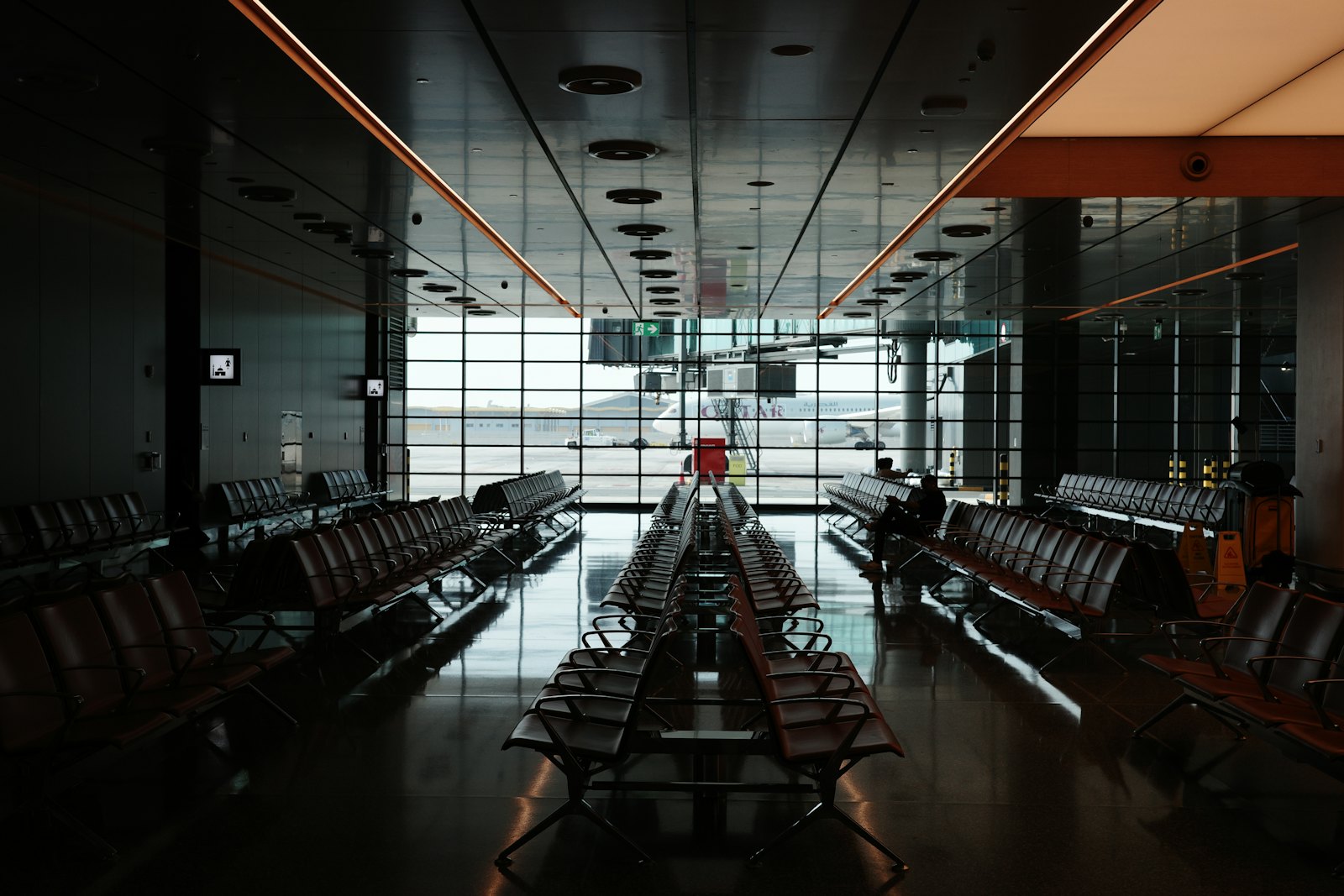
Flights from Pearson to the United States involve clearing US customs and immigration in Toronto before you board, so you land in the US as a domestic passenger. That preclearance hall is where both NEXUS and Global Entry pay off on departures, because the standard queue at peak times can be long. Our post on US preclearance at Toronto Pearson explains the sequence of bag drop, security and preclearance for first-timers. Whichever card you hold, the airline's check-in and bag drop cut-offs still apply, and those are not shortened by any trusted traveller program. Check the live guidance on Toronto Pearson's website before a busy holiday weekend.
Should you leave home later with NEXUS?
A little later, perhaps; much later, no. The card removes the uncertainty of one or two queues, but traffic on the 401 or 427, bag drop lines and security still vary. A reasonable approach for a carry-on traveller on a US flight is to trim 15 to 30 minutes from the margin you would otherwise use, and to keep the standard margin when you check a bag. Our how early to arrive at Pearson guide gives the baseline by flight type, and dispatch can suggest a pickup time if you tell them the flight and whether you hold NEXUS. Changing the pickup time later is free when it can be accommodated, so you can adjust once you know the traffic forecast for the day.
Applying for NEXUS or Global Entry
Both programs start with an online application through the official government portals, followed by a background check, conditional approval and an interview. Interview availability and processing times change, so start months before you need the card and check the current steps on the CBSA and CBP sites rather than relying on a colleague's account from a few years ago. Fees and validity periods are set by the agencies and also change from time to time. Two practical points: carry the physical card or the documents the program requires when you travel, and check the expiry date before a trip, because an expired membership means the standard queue.

NEXUS on the road to Buffalo and beyond
Some travellers assume that a NEXUS card will speed a car crossing at the Peace Bridge or Queenston-Lewiston as well. At land crossings the NEXUS lane is generally for vehicles in which every occupant is a member, and that includes the driver. On a chauffeured run to Buffalo airport or New York City, the chauffeur is usually not a member, so the car uses the standard lanes and the border time is planned that way. Our guide to crossing the US border by car covers documents and timing, and the Toronto to Buffalo airport route page shows the drive. Cross-border fares are flat per trip and include the chauffeur's return; every passenger needs valid documents for the US and for re-entry to Canada. See our cross-border limo page for vehicles.
A worked example: the Markham consultant who flies to Chicago
A management consultant in Markham flies to Chicago most Mondays and comes home on Thursday evenings, always with a carry-on. Before NEXUS, dispatch picked her up at 2:15 p.m. for a 5:30 p.m. departure. With NEXUS, she moves the regular pickup to 2:40 p.m. on quiet weeks and keeps 2:15 p.m. before long weekends. On the way back, her Thursday flight lands at 9:10 p.m.; as a US arrival it carries 30 minutes of included waiting, and with the NEXUS kiosk and no checked bag she is at the curb by 9:30 p.m. Home is 35 to 45 minutes east on the 401 or the 407, depending on traffic, and the fare is the same either way: the Markham sedan planning range of $145–180 plus HST. Our post on Markham to Pearson compares the two highways, and the Chicago arrival guide covers the O'Hare leg.
Booking around a faster airport
A trusted traveller card makes the airport more predictable, which is exactly what a fixed-time pickup needs. Book departures with the flight number and a note that you hold NEXUS, so dispatch can suggest a pickup time that uses the saving sensibly. Book arrivals with the flight number as usual; the car will be there when you are, quick or slow. If you fly often for work, our page on corporate accounts and monthly billing explains how regular trips are invoiced. Planning fares are on the rates page, and the fixed fare is confirmed on the reservation page.