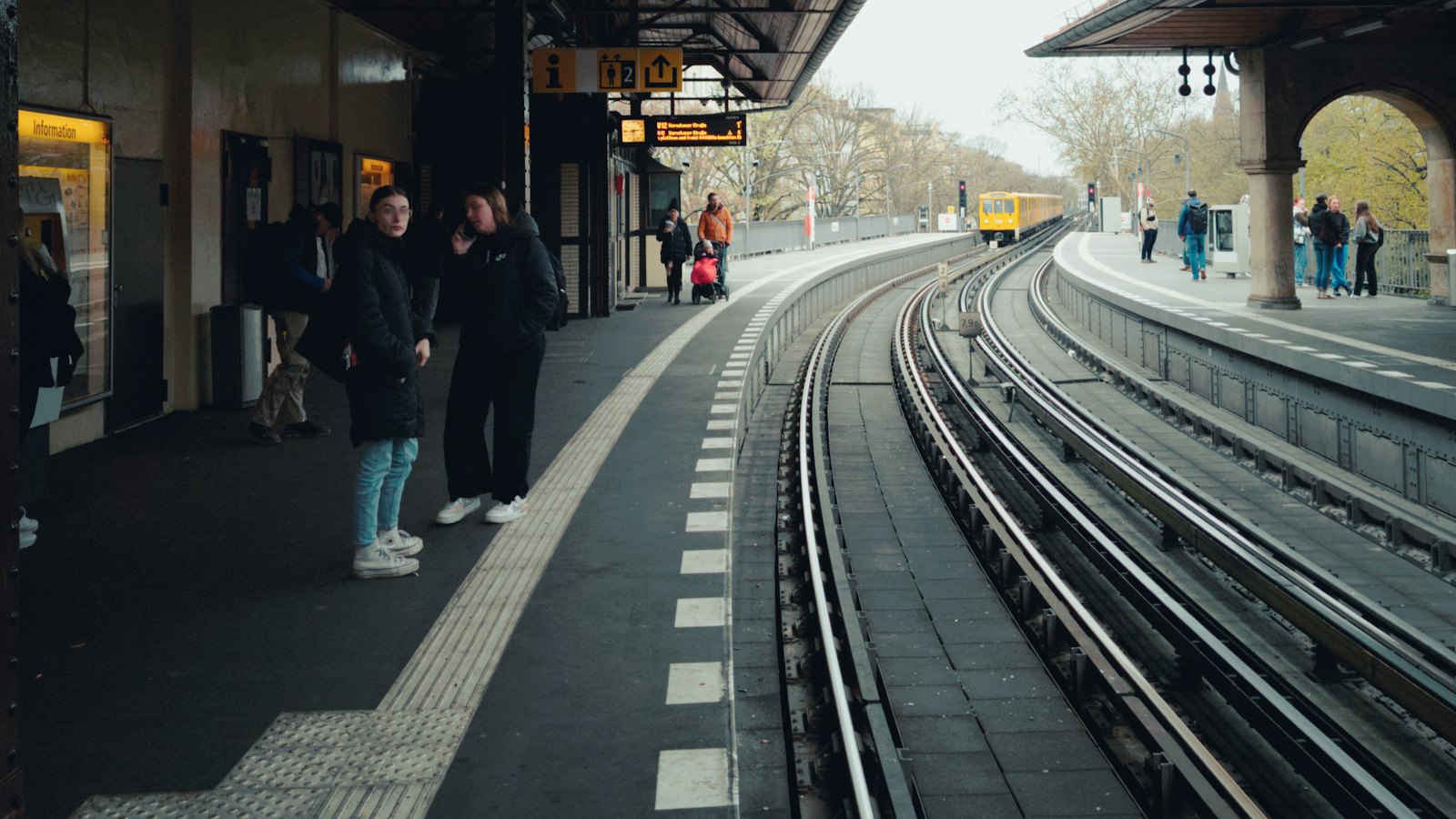











The budget way from the city to Pearson is TTC Line 2 to Kipling station, then the TTC's 900 Airport Express bus to the airport. The bus ride takes roughly 20 to 30 minutes, and from downtown the whole trip is about an hour to an hour and a quarter. It costs a regular TTC fare, but it suits light luggage, flexible timing and travellers who do not mind a busy bus.
Not every airport trip needs a chauffeur, and we would rather say so than pretend otherwise. If you are travelling alone with a backpack, have time in hand and live near the subway, the TTC will get you to Pearson for the price of an ordinary fare. The route runs through Kipling, the western end of Line 2, where an express bus makes the last leg to the terminals.
This guide explains the route step by step from the dispatch desk's point of view: how long it really takes, what it is like with a suitcase, what happens early in the morning and late at night, and the point at which a car becomes the better deal.
How the budget route works
Ride Line 2, Bloor-Danforth, west to the end of the line at Kipling. Follow the signs up to the bus terminal and find the bay for the 900 Airport Express, a TTC route that runs from Kipling to the airport with very few stops. Terminal 1 is the main stop; check the route details on the TTC's site for Terminal 3, or use the free Terminal Link train between the terminals. Because it is a regular TTC route, a single fare paid with PRESTO, a contactless card or a ticket covers the subway and the bus within the transfer rules. Check the current fare and transfer rules on the day.
How long it takes from different parts of the city
These are planning ranges from boarding the subway to stepping off at Terminal 1, including a typical wait for the bus. The bus leg runs on Dixon Road and the 427 area, so it slows at rush hour like any road trip.
| Starting point | Subway to Kipling | Total to Terminal 1, roughly |
|---|---|---|
| Union, via Line 1 and St George | about 35 min with the change | 1 h 5 min to 1 h 20 min |
| Bloor-Yonge | about 25 min | 55 min to 1 h 10 min |
| Broadview or Pape | about 30 min | 1 h to 1 h 15 min |
| Kennedy, Scarborough | about 45 min | 1 h 15 min to 1 h 30 min |
| Islington or Royal York | a few minutes | 30 to 45 min |
If you are already on Line 2 and the west end, compare this with getting off at Dundas West and taking UP Express from Bloor station, which is faster but costs more; our post on the Weston and Bloor UP Express stops explains how.
What it costs, and what it saves
The TTC route is the cheapest way to Pearson for one person, by a wide margin. UP Express costs more but is faster from downtown and runs on rails, untouched by traffic. A taxi or rideshare is metered or surge-priced; our taxi fare guide sets out typical ranges. A private car is a fixed price for the whole vehicle: a business sedan plans at $130–160 from downtown and $90–120 from Etobicoke or Mississauga, before HST, all-in, as our post on what a flat-rate fare includes explains. The saving from the TTC is real for one traveller, smaller for two and often gone for a family of four once you count four fares and the effort.
Finding the bus at Kipling
Kipling is a big interchange. Besides the subway, it has a large bus terminal used by TTC and Mississauga buses, and it connects with Kipling GO on the Milton line. Signs to the bus bays are clear, and there are elevators, but the walk from the subway platform to the airport bus bay involves a change of level and a short walk. Look for the route number on the bay sign and on the front of the bus, not just the word airport, because several routes head west. At busy times the first bus may fill; another follows. Our wider guide to airport shuttle and bus options covers the alternatives.
The GO connection is worth knowing about. Milton line trains stop at Kipling GO, next to the TTC station, so a rider from Milton, Meadowvale or Cooksville can get off at Kipling and take the same airport bus rather than riding all the way to Union for UP Express. Milton line service has historically been concentrated in the peak direction at rush hour, so check the timetable for your day; when the trains line up, it is one of the simpler public transit routes to Pearson from western Mississauga.
Luggage on the subway and the bus
The TTC route works best with what you can carry comfortably on your own: a carry-on, a backpack, perhaps one checked case. At rush hour, Line 2 trains are crowded, and the 900 is an ordinary city bus with limited room for big suitcases. A family with a stroller, a car seat and four cases will find the trip hard work and may face disapproving looks from commuters. If you travel this way, avoid the peak hours, keep documents in a bag on your body and let a crowded bus go if the next one looks emptier.
Early mornings, late nights and the night bus
The subway does not run all night, and its first trains on Sunday start later than on weekdays. Overnight, the TTC's night bus network has served the airport, but routes and frequencies change, so check the current night service before planning a 6:00 a.m. departure around it. Coming home on a late arrival, remember that a slow passport line can push you past the last convenient connections. Our post on red-eye arrivals at Pearson covers what is running when the city is asleep.
Arriving at Pearson and going the other way
After landing, follow the ground transportation and public transit signs in your terminal to the TTC stop; Toronto Pearson's site shows where each transit stop is. The 900 takes you back to Kipling, and Line 2 does the rest. If you are being met instead, our guide to Pearson pickup rules and waiting areas explains where cars wait, and the Terminal 3 page covers that building's layout.
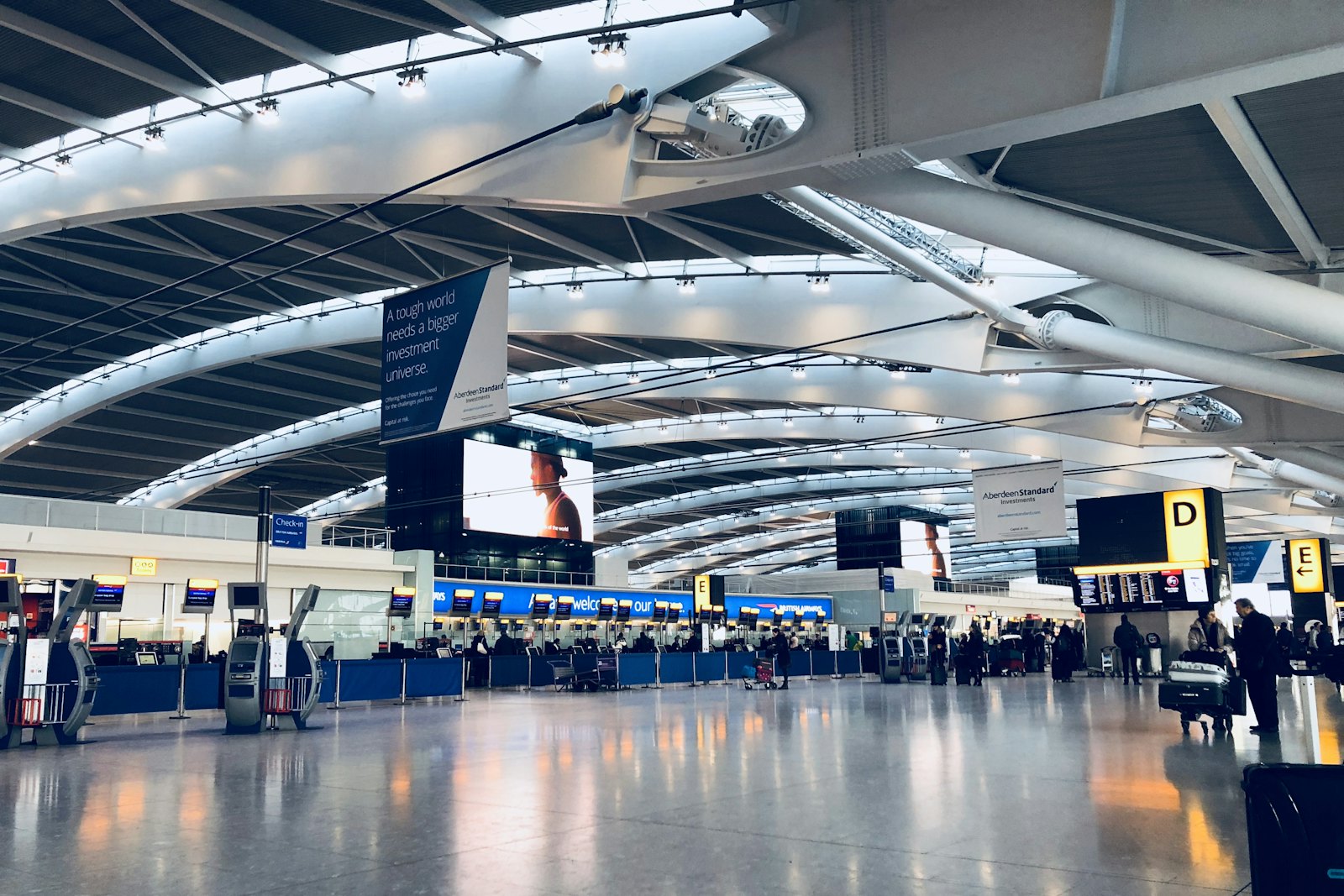
Kipling, UP Express or a car: an honest comparison
- TTC via Kipling: cheapest for one person, about an hour from downtown, slows in traffic, hard with heavy bags.
- UP Express: about 25 minutes from Union, roughly every 15 minutes, reliable, per-person fares, Terminal 1 only.
- Taxi or rideshare: door to door, but metered or surge-priced, with no guarantee at 4:00 a.m.
- Private car: door to door, fixed all-in fare per vehicle, booked in advance, with flight tracking and included waiting for arrivals.
For more on the city's other rail lines, see the GO Train and Pearson and our look at the Eglinton Crosstown and airport trips.
Two worked examples: a student and a family
Arjun, a student renting near Christie station, is flying home for reading week with a backpack and a carry-on. His flight is at 2:00 p.m., so he rides Line 2 to Kipling at 10:30 a.m., catches the 900 and is at Terminal 1 before noon for the price of a TTC fare. That is the right call. When he first arrived in Canada with two suitcases, though, he was met by a car, which is what our post on international students arriving at Pearson recommends for the first trip.
The Silvas in East York are four people with five bags and a 7:30 a.m. flight. The TTC route would mean four fares, a dawn subway ride and a crowded bus with luggage. Instead they book an executive SUV for a 4:45 a.m. pickup; the reservation engine quotes a fixed fare for their address, and for comparison an SUV from downtown plans at $165–205 before HST. At that hour the Don Valley Parkway, the 401 and the 427 take about 30 to 40 minutes, and the whole family is at the Terminal 3 curb with time for breakfast.
Booking a car when the bus does not fit
If the TTC route works for you, use it. If it does not, the reservation engine quotes a fixed, all-in fare for your address with HST shown separately, and the rates page lists planning fares by area, including Etobicoke and Mississauga. Our comparison of the bus to Pearson and a private car goes into the trade-offs in more depth. When you are ready, book your car.